TorontoOntario · 36 tours
 Niagara FallsOntario · 25 tours
 New York CityNew York · 30 tours
 Las VegasNevada · 8 tours
 San FranciscoCalifornia · 16 tours
 VancouverBritish Columbia · 17 tours
 DubaiUAE · 54 tours
 Abu DhabiUAE · 5 tours
 Buenos AiresArgentina · 23 tours
 AthensGreece · 31 tours
 AucklandNew Zealand · 38 tours
 CancunMexico · 54 tours
No destinations match “”. Try searching all tours instead — that search understands full questions, not just place names.
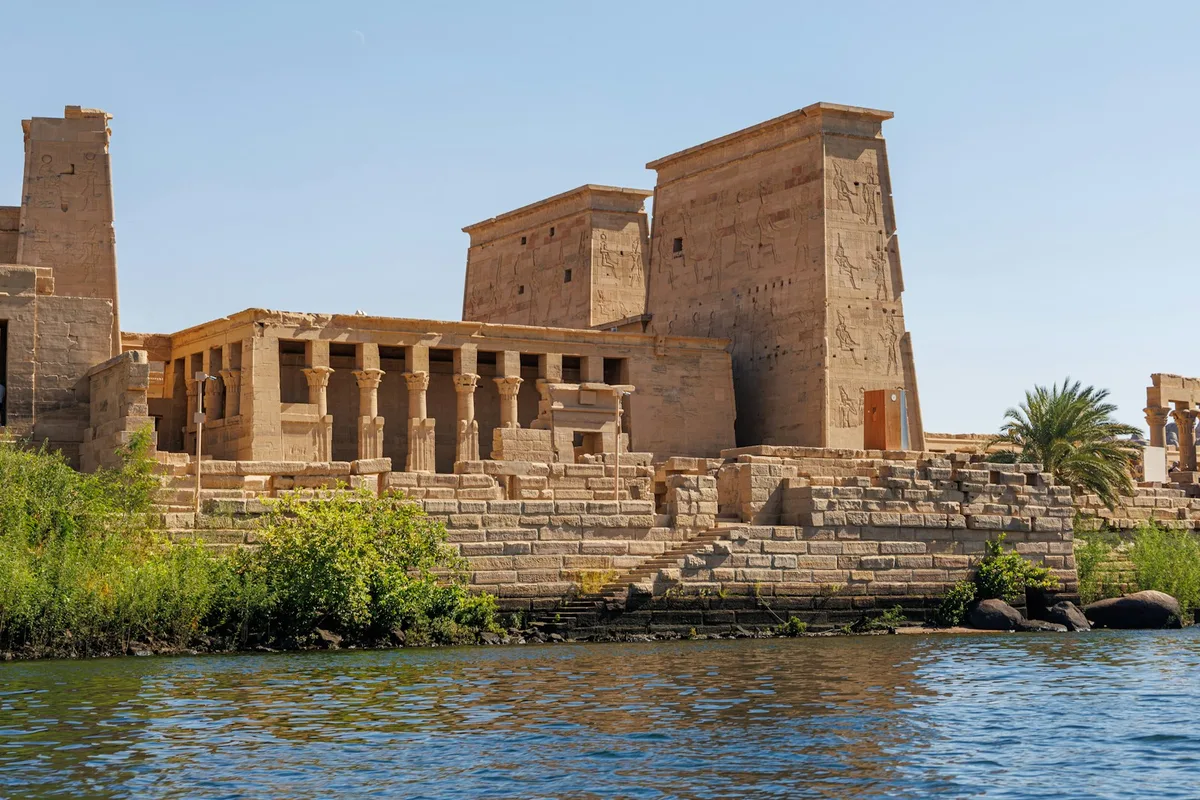
A temple complex dedicated to the goddess Isis, relocated block by block to Agilkia Island near Aswan in the 1970s to save it from flooding after the Aswan High Dam was built.
 Multi-Day Tours Popular Pick
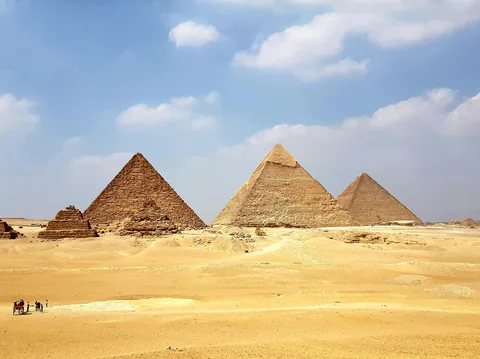
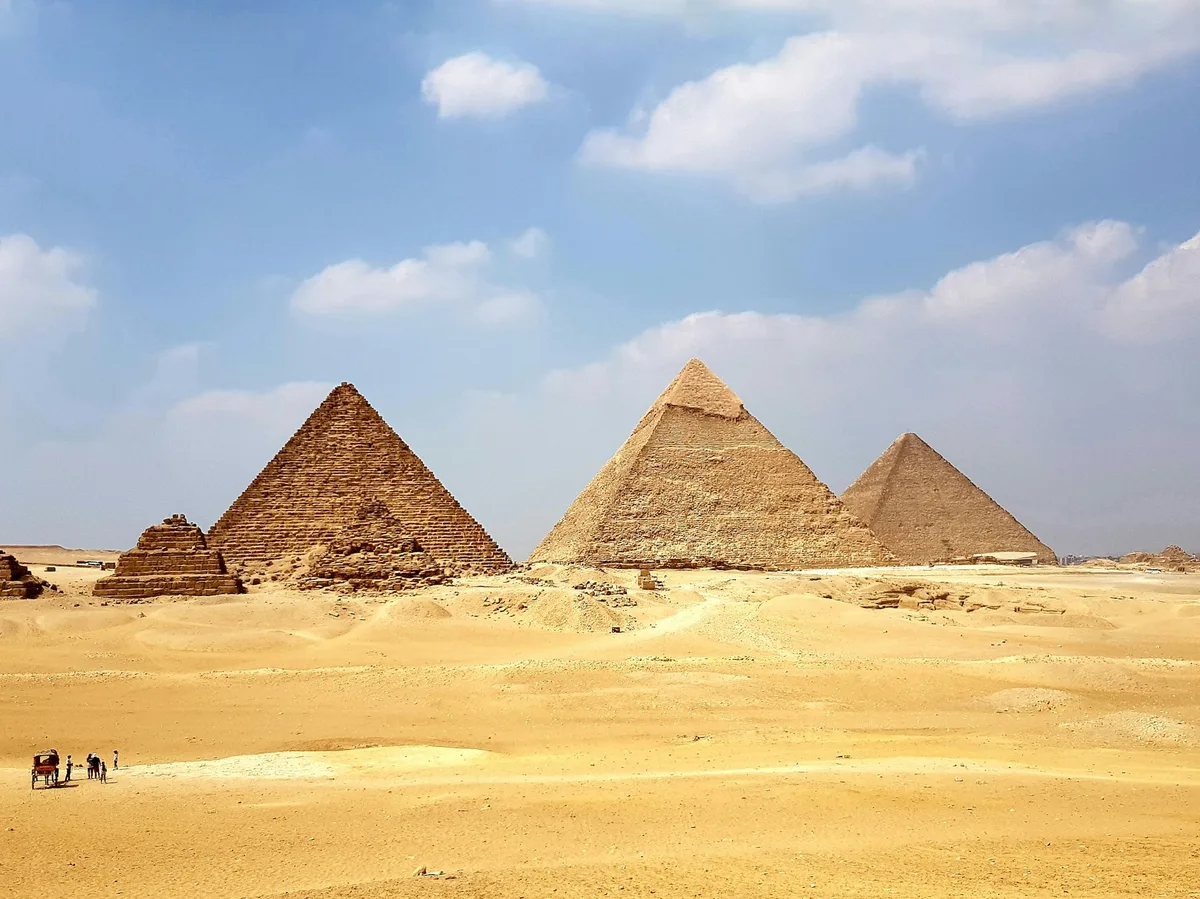
Ten days through Egypt's greatest hits — the Giza Plateau, a Luxor-to-Aswan Nile cruise, Abu Simbel, and Cairo's museums — with a private guide and driver throughout.
 Multi-Day Tours
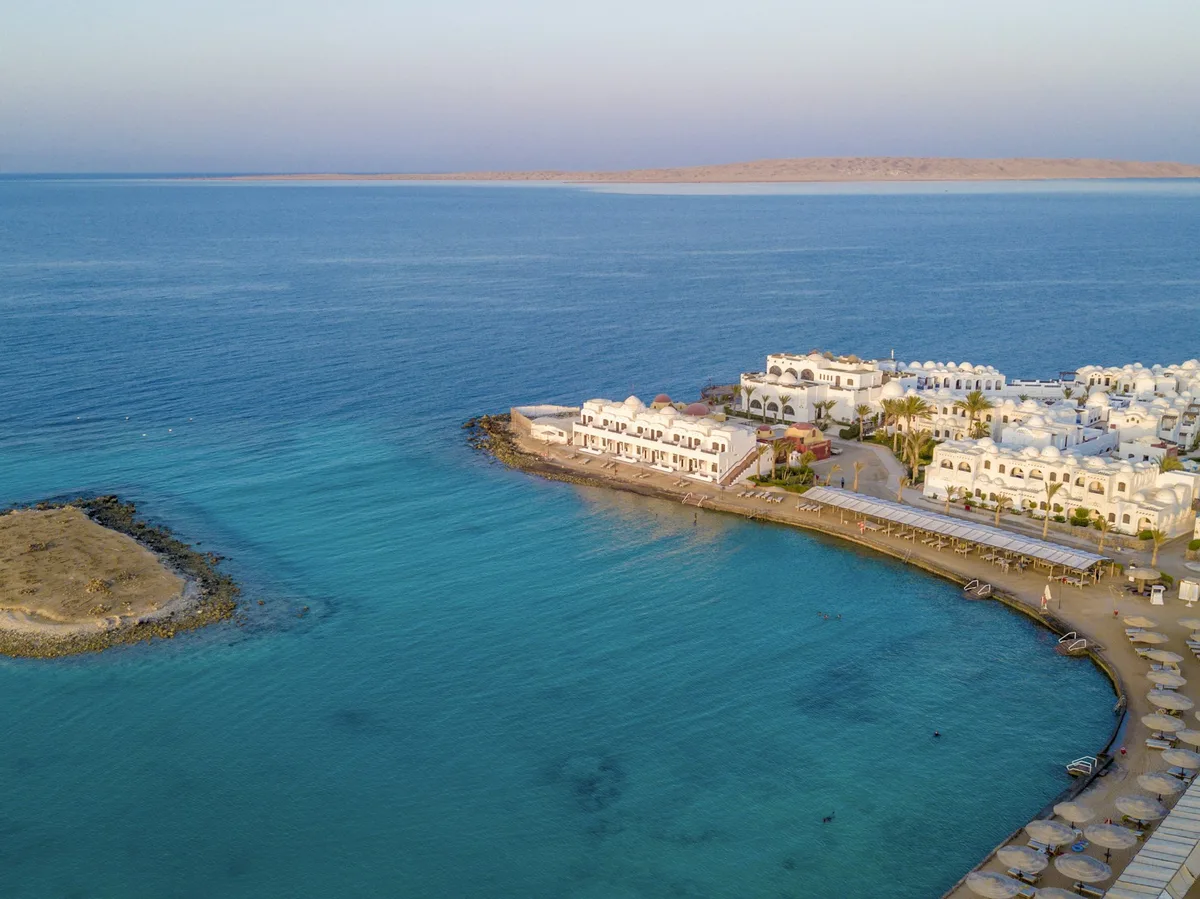
Two weeks combining Cairo's ancient sites, a Nile cruise from Aswan to Luxor, and four unhurried days on the Red Sea coast at Hurghada.
Visitor guide
Philae is a temple complex in southern Egypt, dedicated mainly to the goddess Isis. It originally stood on Philae Island near the First Cataract of the Nile, just south of Aswan, and was moved in the 1970s to Agilkia Island to save it from flooding after the Aswan dams. It is part of the Nubian Monuments from Abu Simbel to Philae UNESCO World Heritage Site.
Before flooding, Philae proper was no more than 380 m long and about 120 m wide, formed of syenite. Its ancient Egyptian name meant boundary, and the pharaohs kept a garrison there as the southern frontier. Wikipedia gives two accounts of the oldest building: one describes the Temple of Isis as built under Nectanebo I (380 to 362 BC), while another says Psamtik II built the oldest temple that undoubtedly stood on the island and that Nectanebo I's surviving work is a kiosk and gateway later built into the first pylon.
Most surviving structures date to the Ptolemaic period, especially the reigns of Ptolemy II Philadelphus, Ptolemy V Epiphanes and Ptolemy VI Philometor. Most Roman additions date to the Julio-Claudian emperors, with building continuing up to Caracalla, and Diocletian built a triple arch. The island also holds Latin inscriptions that Wikipedia presents as the oldest known Latin inscriptions in Egypt.
Christianity was present by the fourth century, and five temples were converted into churches, including the Temple of Isis, dedicated to Saint Stephen. According to Procopius, Narses closed the temple under Justinian I in AD 537, a date traditionally seen as the end of ancient Egyptian religion, though the historian Jitse Dijkstra argues organised paganism ended earlier, in the fifth century. The last known hieroglyphic inscription, dated AD 394, is at Philae, and the last known Demotic inscription dates to 452.
A Philae obelisk bearing a petition to Ptolemy VIII was taken to England by William John Bankes. Comparing its hieroglyphs with the Rosetta Stone shed light on the Egyptian consonantal alphabet.
The Aswan Low Dam, completed in 1902 and raised twice, left the island almost always flooded, with the temple exposed only when sluices were open from July to October. The later Aswan High Dam threatened total flooding, and Pierre Loti's La Mort de Philae, published in 1909, helped rally support to save it. UNESCO launched a rescue project in 1960. In the final plan, a steel and sand cofferdam kept the site dry while the buildings were photographed, measured and dismantled into about 40,000 units weighing 2 to 25 tons. They were rebuilt on Agilkia Island, about 500 m away and 12.4 m higher, between roughly 1977 and 1980.
Philae is reached by short boat transfer, and a private guided visit lets a guide cover the history of Isis worship and the relocation.
See every tour and attraction we cover in Egypt.