TorontoOntario · 36 tours
 Niagara FallsOntario · 25 tours
 New York CityNew York · 30 tours
 Las VegasNevada · 8 tours
 San FranciscoCalifornia · 16 tours
 VancouverBritish Columbia · 17 tours
 DubaiUAE · 54 tours
 Abu DhabiUAE · 5 tours
 Buenos AiresArgentina · 23 tours
 AthensGreece · 31 tours
 AucklandNew Zealand · 38 tours
 CancunMexico · 54 tours
No destinations match “”. Try searching all tours instead — that search understands full questions, not just place names.
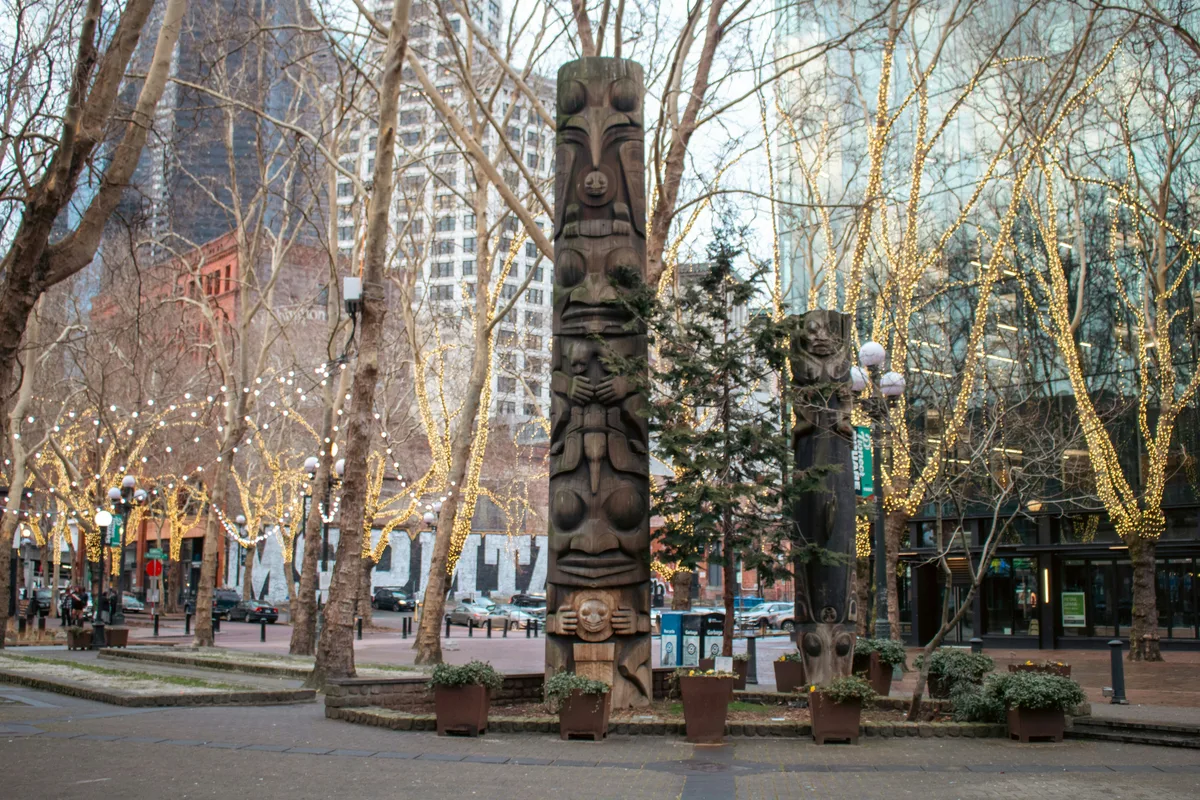
Seattle's oldest neighborhood, with Victorian-era architecture and totem poles marking the city's original townsite.
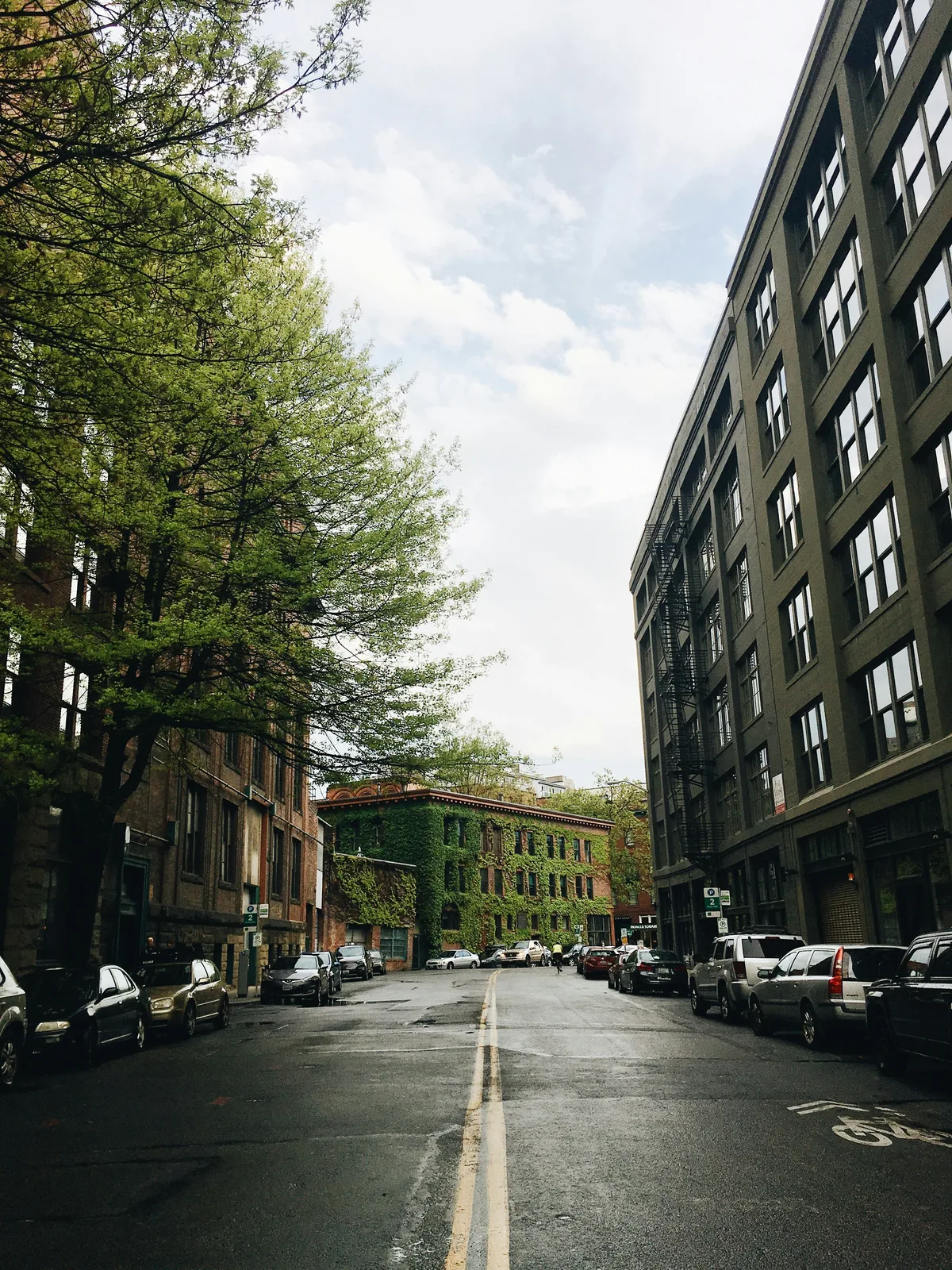 Private Tours
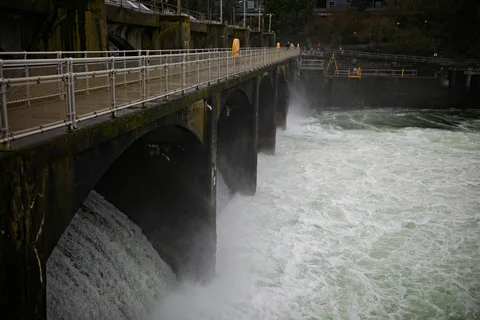
A private tour through Pioneer Square, the Hiram M. Chittenden (Ballard) Locks and fish ladder, a pass-by of the Fremont Troll, and Kerry Park's postcard view of the Seattle skyline.
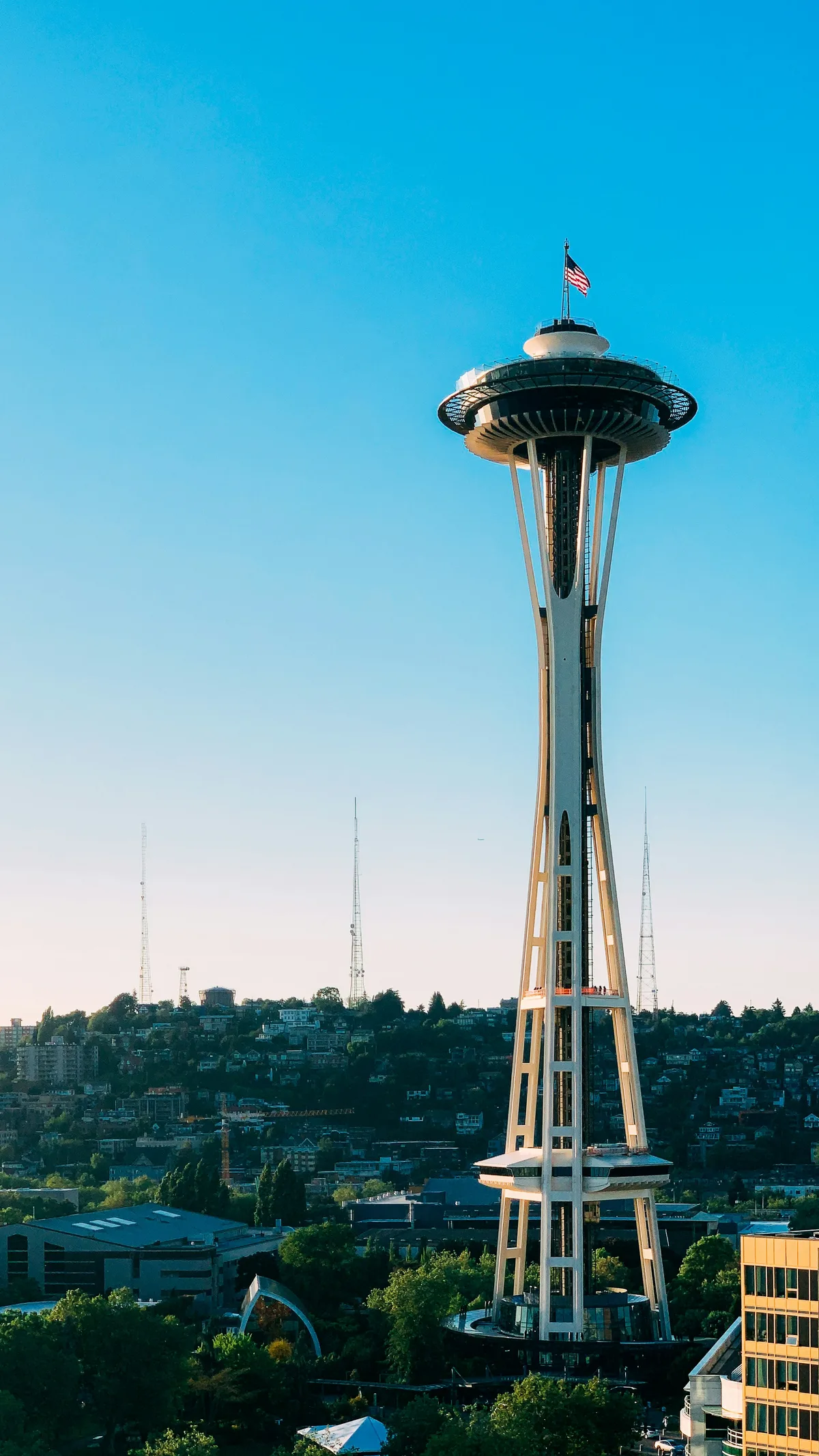 Private Tours
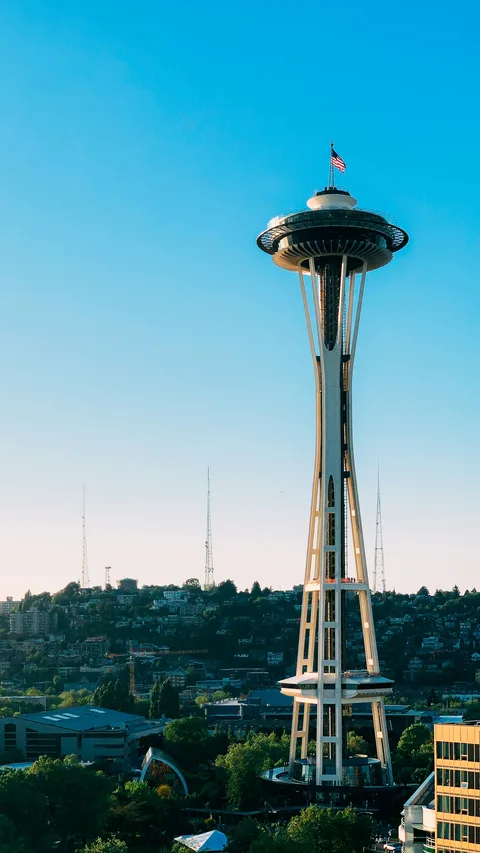
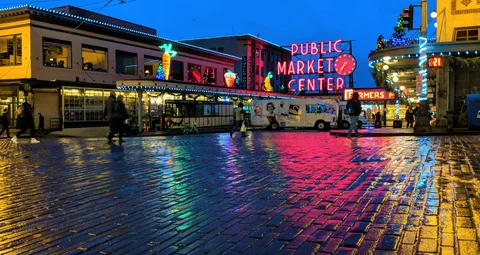
A private, customizable tour with hotel or airport pickup covering the Space Needle, Pioneer Square, the Seattle waterfront, Pike Place Market, and a complimentary lunch.
Visitor guide
Pioneer Square is the historic core of Seattle, where the city's first downtown grew after settlement in 1852. Its brick and stone buildings, mostly raised in the years after the Great Seattle Fire of June 6, 1889, make it one of the city's best places to see late Victorian commercial architecture.
The site was a Lushootseed winter village called Dzidzilalich, often translated as 'the little crossing over place.' In 1852 settlers of the Denny Party moved here from Alki, and Henry Yesler's lumber mill was established nearby that year. The street that became Yesler Way was first called Mill Street. Sawdust from the mill was later used as fill in low-lying ground.
The wooden town was destroyed in the Great Seattle Fire of June 6, 1889, which burned roughly 25 to 30 downtown blocks, depending on the source. The city then required new buildings to be made of brick and stone. Most of what visitors see today dates from the decade that followed. New streets were built at a higher grade than the old ones, which left the original ground-level storefronts buried. They can still be seen on guided underground tours, which began in 1964 under Bill Speidel.
On July 17, 1897, the steamship Portland arrived in Seattle carrying more than a ton of gold from the Klondike. Seattle promoted itself as the 'Gateway to the Gold Fields,' and local outfitters and hardware and grocery firms served the prospectors. The National Park Service continues that story at the Seattle unit of Klondike Gold Rush National Historical Park in the neighborhood.
The National Register record for the Pioneer Square-Skid Road district lists its styles as Late Victorian and Romanesque and names architect Elmer H. Fisher among its designers. Pioneer Place, the small triangle at the heart of the district, has held a Tlingit totem pole since 1899, and an ornate iron-and-glass pergola was built there by 1909 for the Alaska-Yukon-Pacific Exposition. The Alaska Building of 1903-1904 was the city's first steel-frame building, and Smith Tower opened on July 4, 1914; it was the tallest building west of the Mississippi until 1931.
As downtown moved north, Pioneer Square lost its commercial importance, and in the 1960s urban renewal threatened it. The 1962 demolition of the Hotel Seattle for a parking garage galvanized preservationists, among them Bill Speidel and Victor Steinbrueck. The Pioneer Square-Skid Road district was published on the National Register of Historic Places in June 1970, and sources describe it as Seattle's first such district. It was originally 52 acres; the boundaries were expanded in 1978 and again in the late 1980s. Today it is a mix of art galleries, cafes and restaurants set among the preserved buildings.
The district is compact and rewards a guide who can explain the architecture and the buried street levels. A Voyzo private tour with a driver can drop you at one end and collect you at another, which saves backtracking. Check the operators of underground tours and museums for current hours and access.
See every tour and attraction we cover in Seattle.