TorontoOntario · 36 tours
 Niagara FallsOntario · 25 tours
 New York CityNew York · 30 tours
 Las VegasNevada · 8 tours
 San FranciscoCalifornia · 16 tours
 VancouverBritish Columbia · 17 tours
 DubaiUAE · 54 tours
 Abu DhabiUAE · 5 tours
 Buenos AiresArgentina · 23 tours
 AthensGreece · 31 tours
 AucklandNew Zealand · 38 tours
 CancunMexico · 54 tours
No destinations match “”. Try searching all tours instead — that search understands full questions, not just place names.
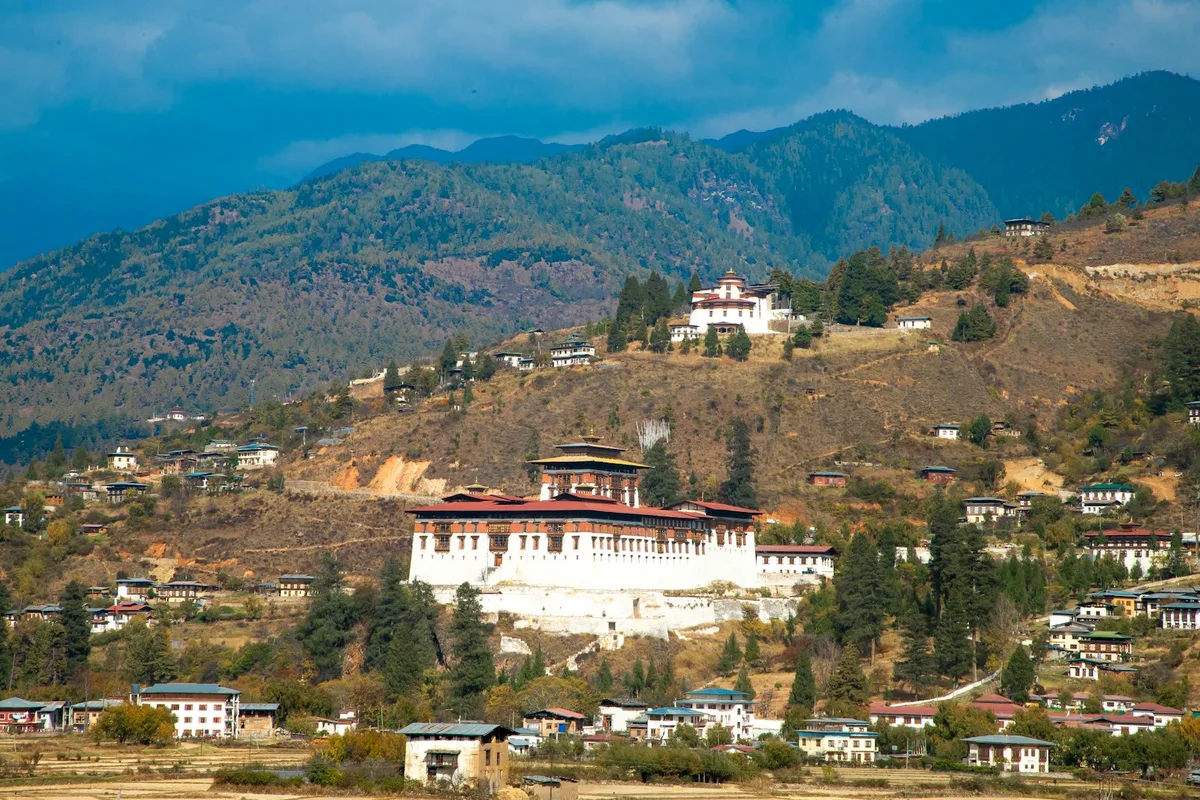
A 17th-century fortress-monastery overlooking Paro town and its valley, still used today as a monastic school and administrative centre.
 Multi-Day Tours
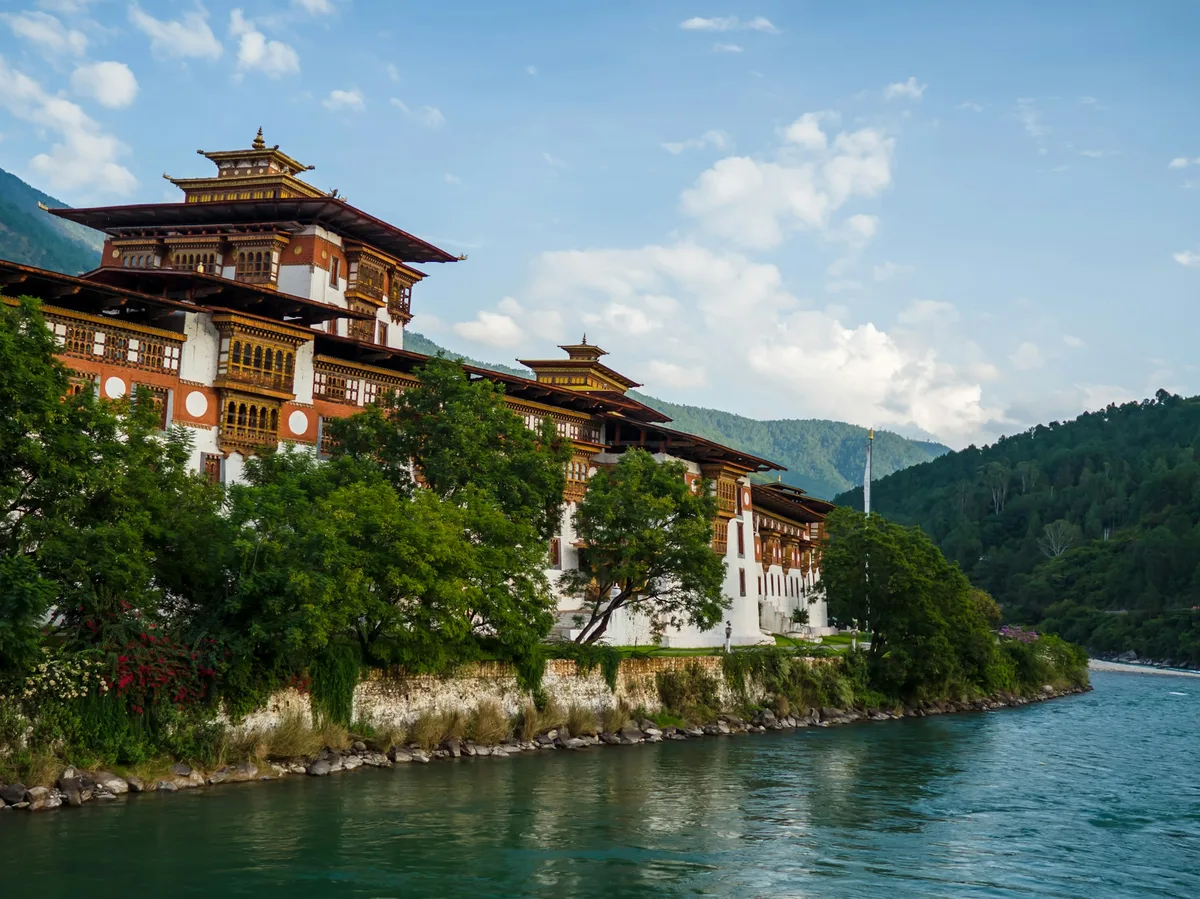
A luxury pairing of Kathmandu's UNESCO sites with western Bhutan's dzongs and mountain passes, from Thimphu and Punakha to Gangtey and Paro.
 Multi-Day Tours
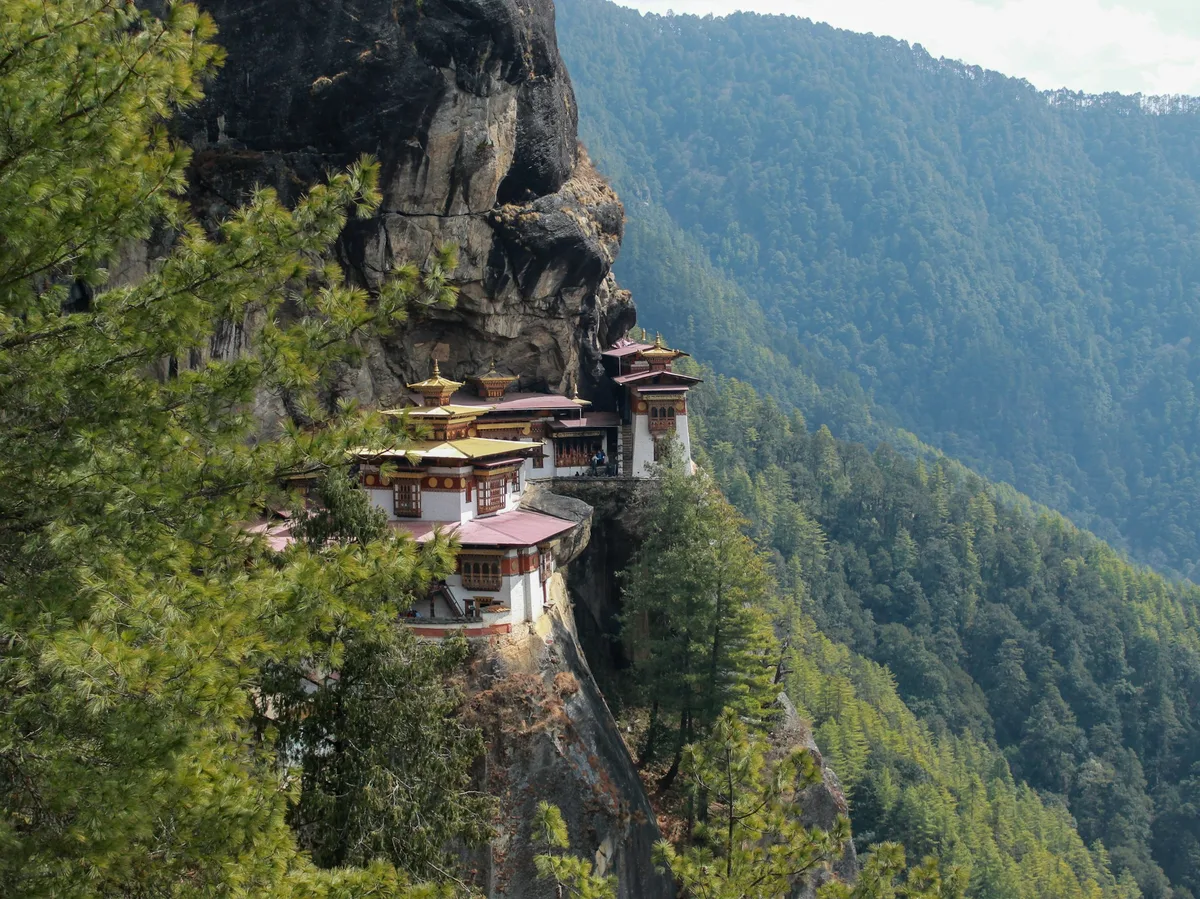
A relaxed, comfort-focused week through Bhutan's classic western circuit — Thimphu, Punakha, Phobjikha, and Paro — with the Tiger's Nest hike as its finale.
 Multi-Day Tours
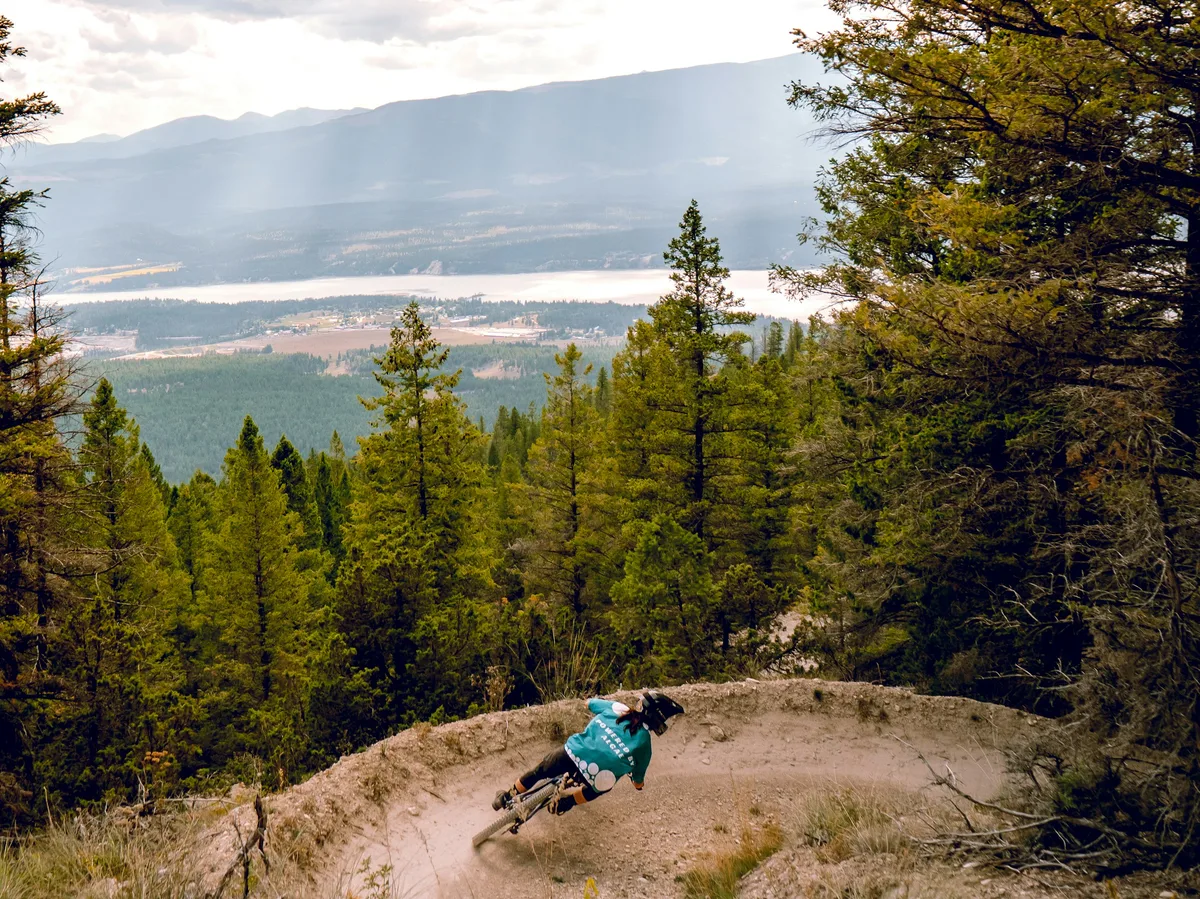
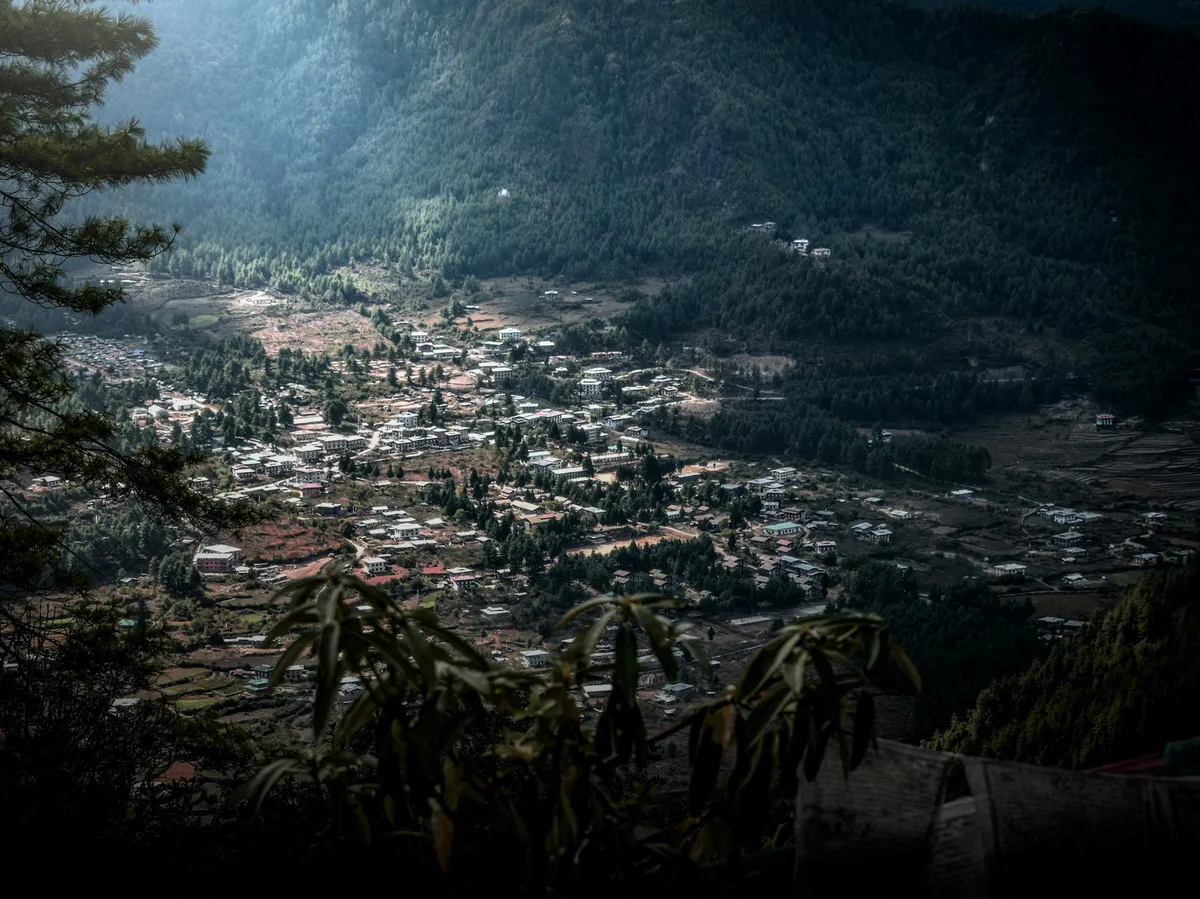
An active 11-day loop through western and central Bhutan, mixing cultural sightseeing in Paro, Thimphu, and Punakha with mountain biking on the famous 'Divine Madman' trail.
 Multi-Day Tours
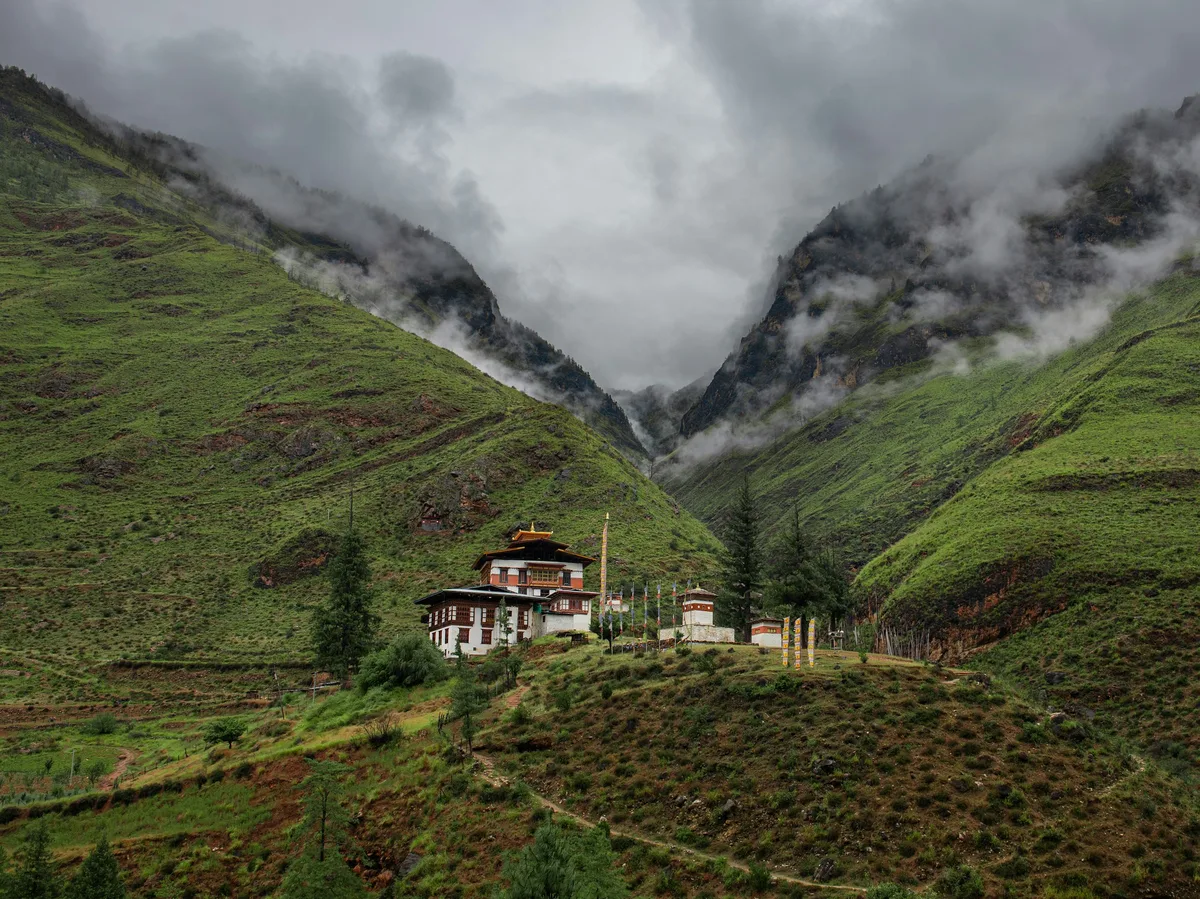
A culture-and-trail itinerary through Paro, Thimphu, Punakha, and Phobjikha, with two real day-hikes — to Dragey Pangtsho Lake and the Tiger's Nest — beyond the usual sightseeing.
 Multi-Day Tours
A polished eight-day circuit through Thimphu, Punakha, Phobjikha, and Paro, with a helicopter ride over the Himalayas and a side trip to the remote Haa Valley.
Visitor guide
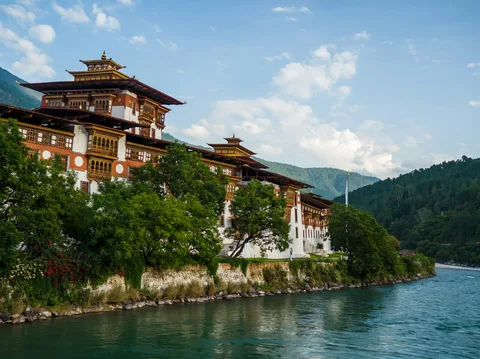
Rinpung Dzong, also called Paro Dzong, is a Buddhist monastery and fortress of the Drukpa Kagyu lineage in Paro, western Bhutan. It houses the district monastic body and the offices of Paro Dzongkhag, and it is on Bhutan's tentative list for UNESCO World Heritage.
According to historical accounts cited by Wikipedia, Guru Rinpoche named the rock face below the site Ringpung in the 8th century, and the dzong took that name. In the 15th century the local community offered the Hungrel crag to Lama Drung Drung Gyal, who built a temple there and later a five-storey fortress called Hungrel Dzong.
In the 17th century the descendants of Drung Drung Gyal, the Lords of Hungrel, offered the fortress to Zhabdrung Ngawang Namgyal. In 1644 he dismantled the old structure and laid the foundations for a new dzong, which was consecrated in 1646. It became the administrative and monastic centre of western Bhutan.
During the tenure of the 23rd Penlop, Dawa Penjor, a fire severely damaged the dzong before the enthronement of Gongsa Ugyen Wangchuck, the first king. Most relics and statues were destroyed. The one major survivor was a 20-metre-wide thongdrel, a sacred banner, which devotees believe brings spiritual merit and the potential for liberation to those who pay homage to it. Wikipedia gives no date for the fire.
The dzong contains fourteen shrines and chapels. They include the Kungarwa, the monks' assembly hall, a sandalwood stupa, a Temple of the Guru's Eight Manifestations, and chapels of Amitayus, Akshobhya and the Eleven-faced Avalokiteshvara. Deyangkha Temple stands outside the main dzong.
On the hill above, the seven-storey watchtower fortress of Ta Dzong was built in 1649 and has housed the National Museum of Bhutan since 1968. A traditional covered cantilever bridge lies just below the dzong, crossing the Paro Chhu.
The annual tshechu runs from the 11th to the 15th day of the second lunar month, usually in March or April. It includes a procession of holy images and mask dances performed by monks on the dance ground called Deyangkha. Before dawn on the 15th day, the great thongdrel depicting the Eight Manifestations of Padmasambhava is displayed, and it is shown in the early morning to honour the tradition of keeping sunlight off it.
Several scenes from the 1993 film Little Buddha were filmed at the dzong. The dzong remains a working centre of monastic and civil administration in Paro, and the Ta Dzong museum above it displays the national collection. Zhabdrung Ngawang Namgyal founded the present dzong in the 17th century, so Rinpung stands as one of the monuments of that era. Its thongdrel, the sacred banner, is a work of great scale that is unrolled only on a single dawn each year. A private guided visit helps in understanding the courtyards, the monastic life and the history behind them.
See every tour and attraction we cover in Bhutan.