TorontoOntario · 36 tours
 Niagara FallsOntario · 25 tours
 New York CityNew York · 30 tours
 Las VegasNevada · 8 tours
 San FranciscoCalifornia · 16 tours
 VancouverBritish Columbia · 17 tours
 DubaiUAE · 54 tours
 Abu DhabiUAE · 5 tours
 Buenos AiresArgentina · 23 tours
 AthensGreece · 31 tours
 AucklandNew Zealand · 38 tours
 CancunMexico · 54 tours
No destinations match “”. Try searching all tours instead — that search understands full questions, not just place names.
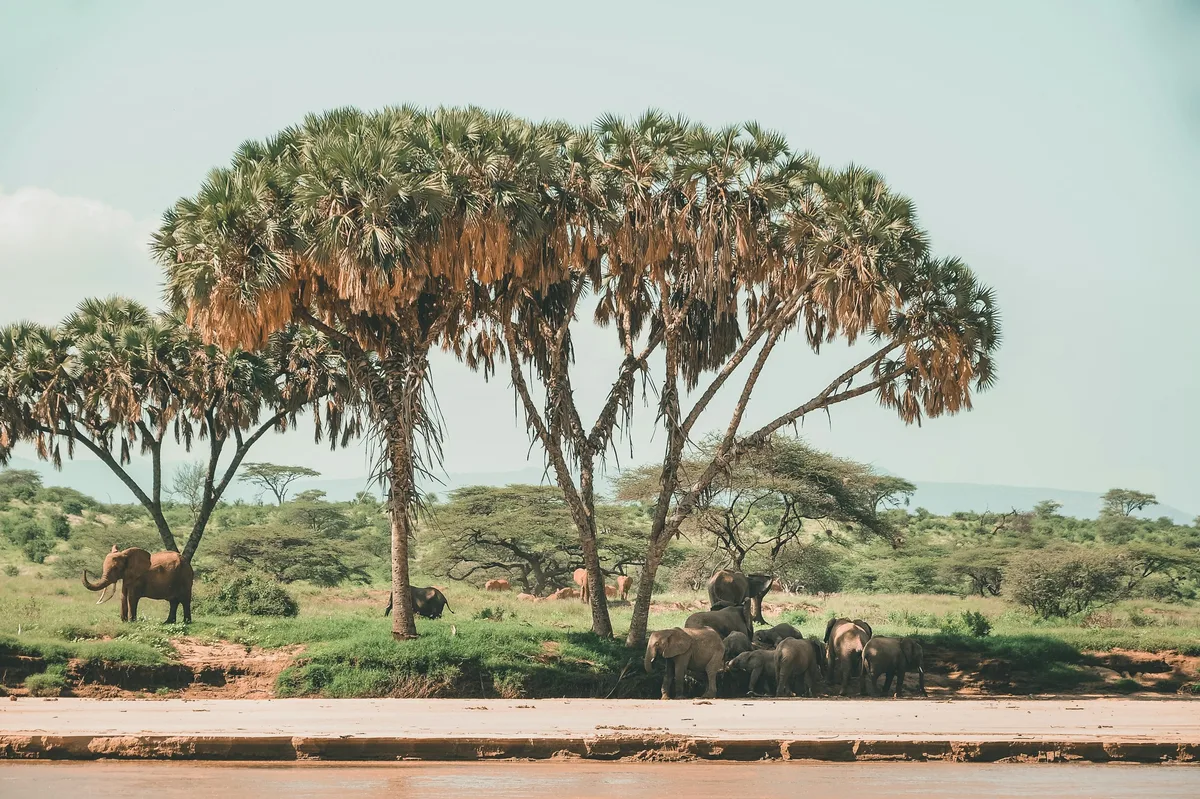
A dry, riverine reserve in northern Kenya home to species found nowhere else on a classic safari circuit, including Grevy's zebra, the reticulated giraffe, and the long-necked gerenuk.
 Multi-Day Tours
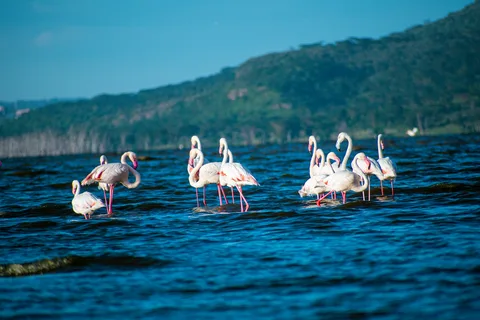
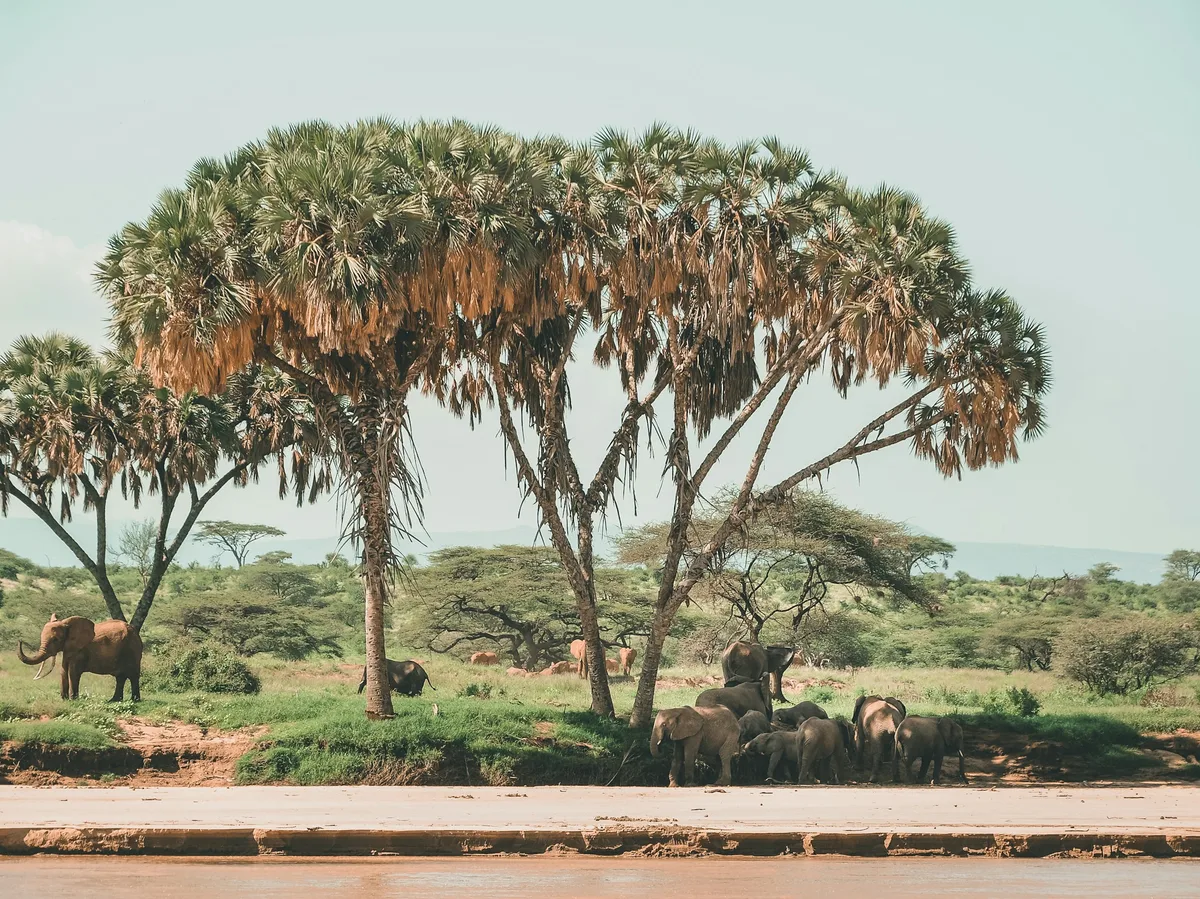
A 6-day safari north to Samburu's desert-adapted wildlife, the flamingos of Lake Nakuru, and two days in the Masai Mara's Big Five country.
 Multi-Day Tours
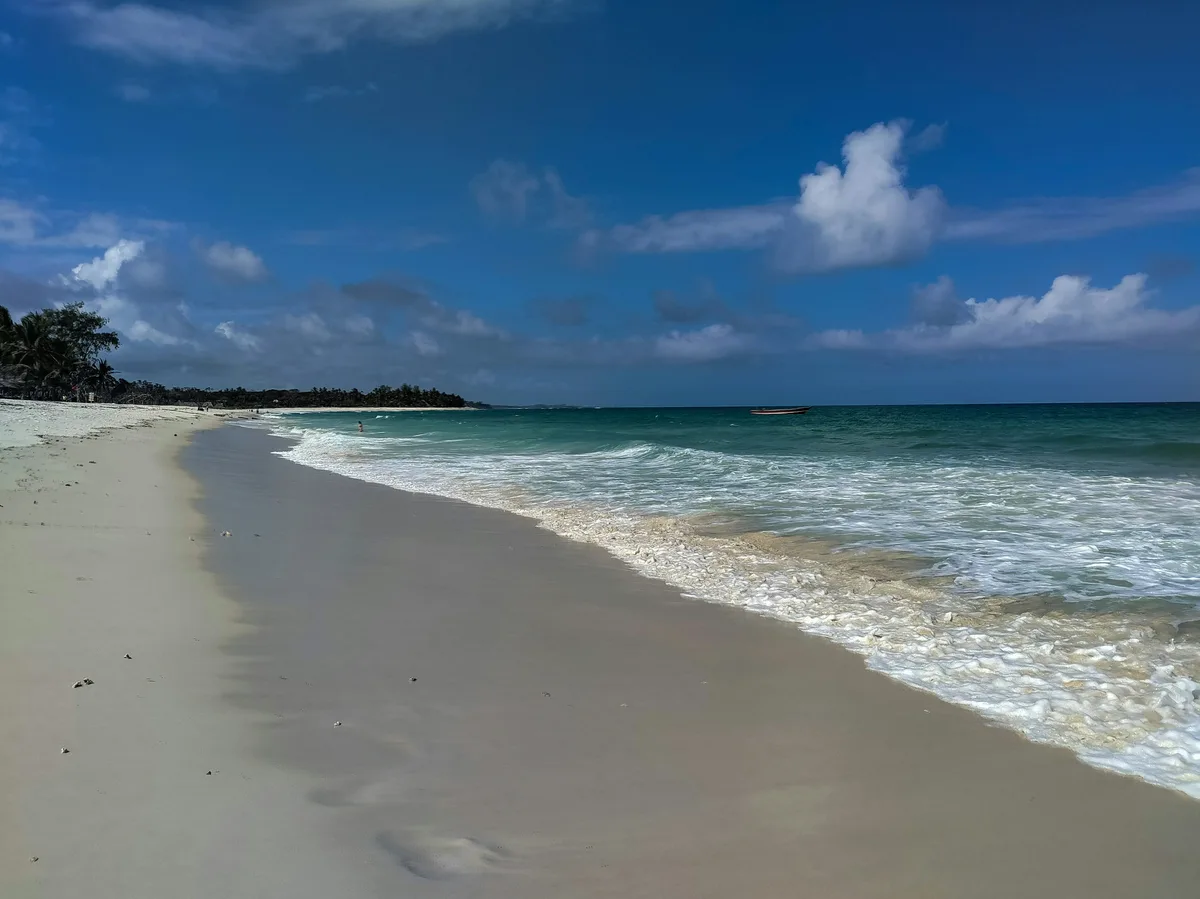
An 18-day Kenya journey pairing an in-depth safari — Samburu, Lake Baringo, Lake Bogoria, Lake Nakuru, the Masai Mara, and Lake Naivasha — with five relaxed days on the beach near Watamu.
 Multi-Day Tours
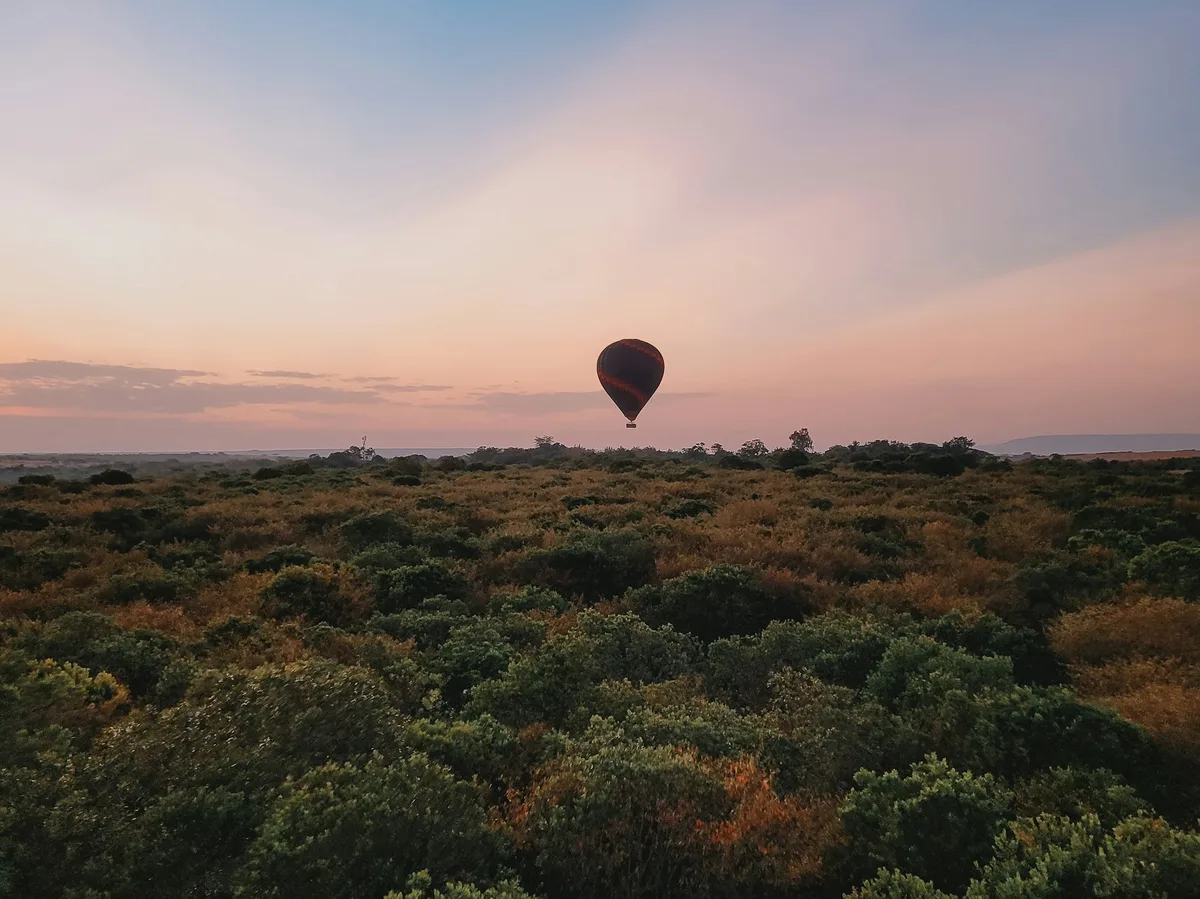
A 13-day luxury circuit from Nairobi's elephant orphanage through Ol Pejeta's rhino sanctuary and Samburu's rivers to a scenic-flight finale in the Masai Mara, finishing with three days on the beach at Manda Bay, Lamu.
 Multi-Day Tours
An 8-day safari into Kenya's rarely visited north — Nairobi's museums, a rainforest walk on Mount Kenya, Meru National Park, Samburu's big cats, and the rhino sanctuary at Solio.
Visitor guide
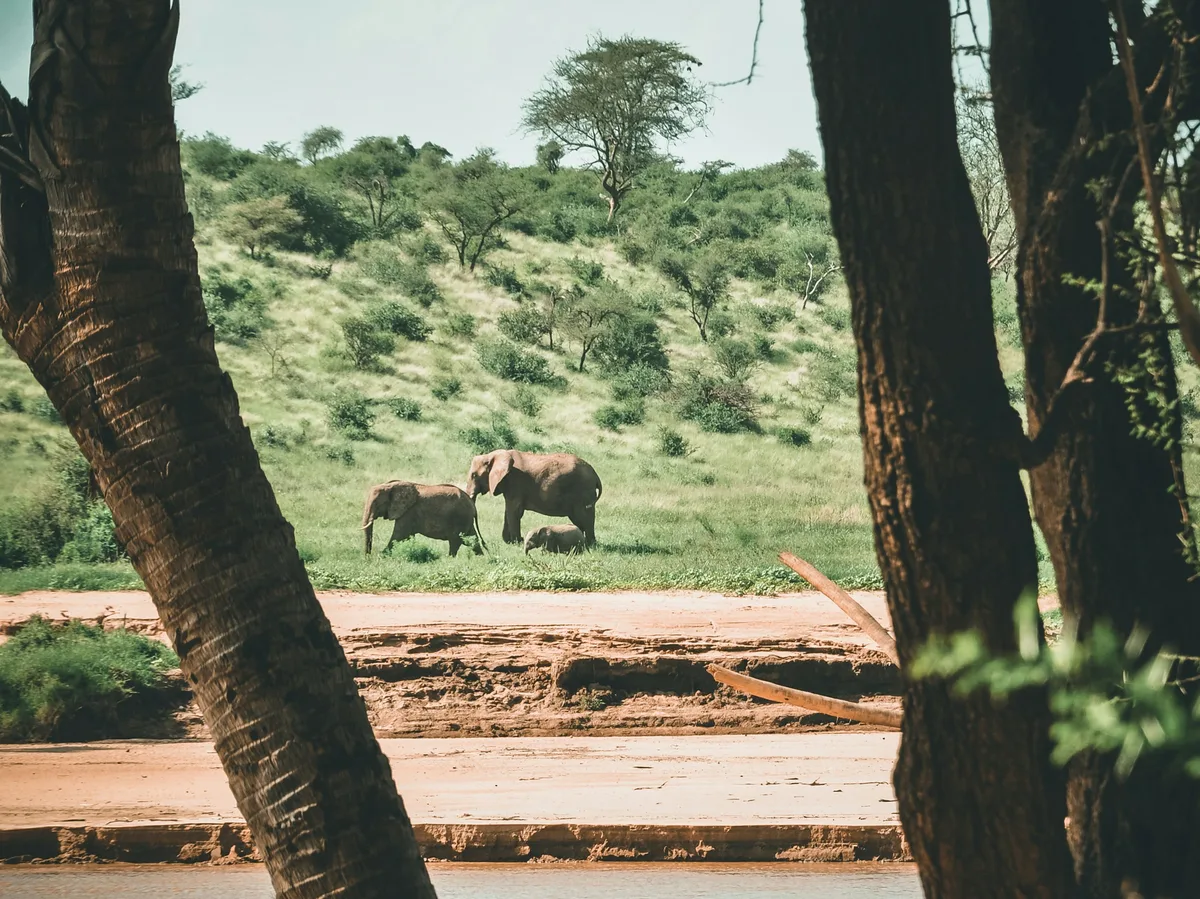
Samburu National Reserve is a game reserve on the banks of the Ewaso Ng'iro River in Samburu County, northern Kenya, about 350 kilometres from Nairobi. Its dry-country landscape supports species typical of northern Kenya, including Grevy's zebra, reticulated giraffe, oryx and gerenuk.
The reserve covers about 165 square kilometres and ranges in elevation from roughly 800 to 1,230 metres. According to Wikipedia, the Ewaso Ng'iro flows through groves of doum palm and thick riverine forest and provides water to the wildlife; its name is described as meaning brown water. The vegetation is a mix of acacia, riverine forest, thorn trees and grassland. The river flows from the Kenyan highlands toward the Lorian Swamp, and two mountains, Koitogor and Ololokwe, are associated with the reserve. The page attributes the area's serenity to its distance from industry and its long inaccessibility.
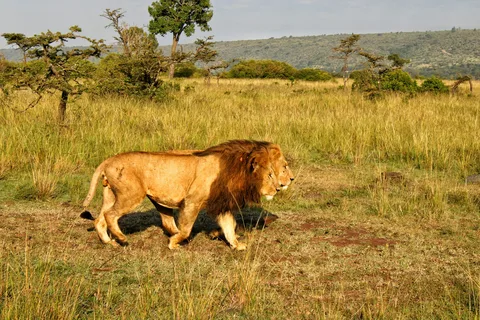
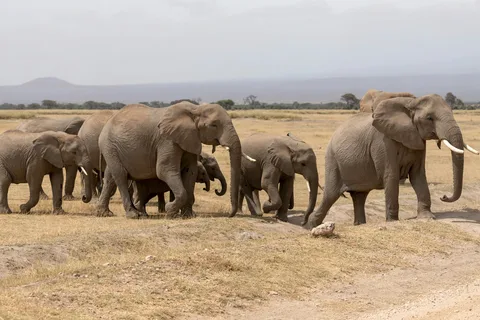
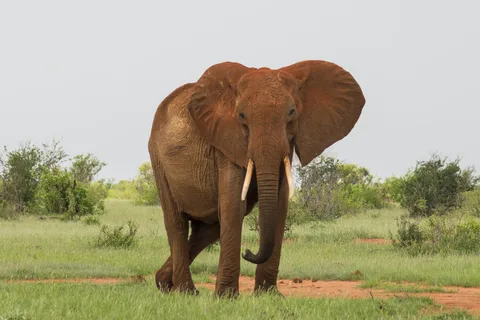
Dry-country species include gerenuk, Grevy's zebra, oryx and reticulated giraffe. Big cats present are lion, cheetah and leopard, and elephant, Cape buffalo and hippopotamus also occur. Other frequently seen animals include olive baboon, warthog, Grant's gazelle, Kirk's dik-dik, impala and waterbuck. Black rhinoceros were reintroduced after an absence of about 25 years caused by heavy poaching. More than 350 bird species have been recorded, among them the secretary bird, lilac-breasted roller and palm-nut vulture, and large numbers of Nile crocodiles bask along the river.
George and Joy Adamson raised Elsa the lioness in northern Kenya and released her in Meru, and Elsa became the subject of the book and film Born Free. The reserve is also home to a lioness named Kamunyak, known for adopting oryx calves. The Elephant Watch Camp, directed by Saba Douglas-Hamilton, lies within the reserve. Since 2005 the protected area has been considered part of a lion conservation unit.
The reserve was established in 1985, is classed as IUCN Category II and is owned and managed by the Samburu County Government. It sits within a landscape of neighbouring reserves, including Buffalo Springs and Shaba, which Wikipedia lists but does not describe. The area takes its name from the Samburu, a Maa-speaking people.
Across the Ewaso Ng'iro River to the south lies Buffalo Springs National Reserve, which covers 131 square kilometres. Wikipedia says it was established in 1948 as part of the Samburu-Isiolo Game Reserve, with present boundaries dating from 1985. It is a gently rolling lowland plain of old lava flows, named after an oasis of clear water at its western end, and its main feature is the Champagne Ride, an ancient lava terrace. A narrow riverine forest of doum palm and Acacia elatior follows the river, and more than 365 bird species have been recorded. Shaba National Reserve completes the trio, and visitors often see all three as one safari circuit.
Grevy's zebra is one of the animals most associated with this region. Wikipedia describes it as the largest wild equid, standing 1.45 to 1.6 metres at the shoulder and weighing 350 to 450 kilograms. It has the narrowest stripes of any zebra, large rounded ears and a plain white belly. Unlike other zebras it does not live in harems, and territorial stallions control areas near water. Its range is mainly in northern Kenya, with Samburu, Buffalo Springs and Shaba among the key protected areas, and it is listed as endangered by the IUCN. Somali ostriches, with blue-grey legs and necks, are also widespread in Buffalo Springs.
Game viewing concentrates along the river, where animals come to drink in the dry season, and the northern terrain is hotter and drier than Kenya's central highlands. A private guided safari with a vehicle and driver suits the long road from Nairobi and lets a guide point out the dry-country species.
See every tour and attraction we cover in Kenya.