TorontoOntario · 36 tours
 Niagara FallsOntario · 25 tours
 New York CityNew York · 30 tours
 Las VegasNevada · 8 tours
 San FranciscoCalifornia · 16 tours
 VancouverBritish Columbia · 17 tours
 DubaiUAE · 54 tours
 Abu DhabiUAE · 5 tours
 Buenos AiresArgentina · 23 tours
 AthensGreece · 31 tours
 AucklandNew Zealand · 38 tours
 CancunMexico · 54 tours
No destinations match “”. Try searching all tours instead — that search understands full questions, not just place names.
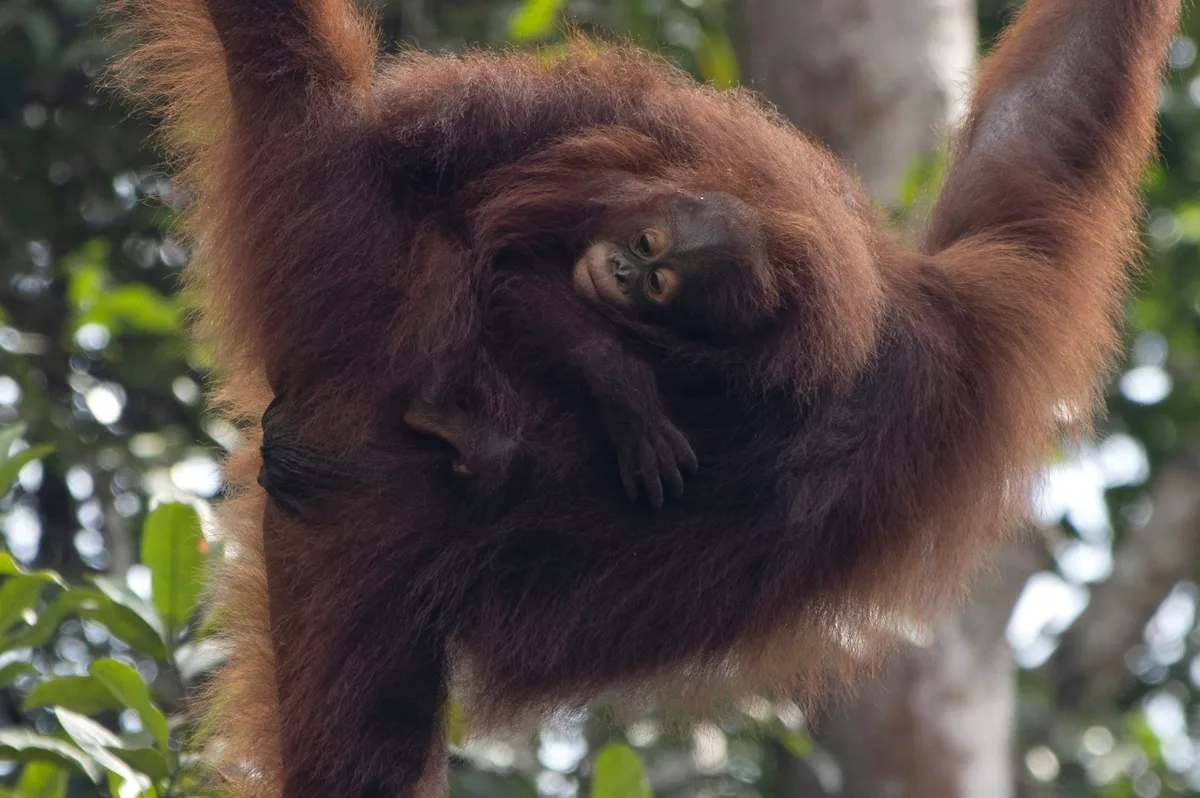
A Sarawak orangutan rehabilitation centre near Kuching where semi-wild orangutans return to feeding platforms in the forest.
Visitor guide
Semenggoh Wildlife Centre is a wildlife centre in Semenggoh Nature Reserve, about 24 kilometres from Kuching in Sarawak, Malaysian Borneo. It is best known for its semi-wild orangutans, which live in the surrounding forest and return to feeding platforms. The centre was established in 1975 and is run by Sarawak's forestry authorities.
According to the Sarawak Forestry Corporation, the centre was established in 1975 to care for wild animals that were injured, orphaned or previously kept as illegal pets. It has cared for endangered animals of various species but is best known for its orangutan rehabilitation programme. Other sources, including an IUCN wiki entry, say it was declared a nature reserve in 2000 and renamed the Semenggoh Wildlife Centre in the same year, and a 1994 academic review suggests the site may originally have had a gibbon focus, so the early history is described differently depending on the source.
The programme was successful enough that the forest reached its capacity for reintroduced orangutans, and rehabilitation work moved to the Matang Wildlife Centre. Semenggoh now concentrates on studying orangutan biology and behaviour and provides a natural haven for semi-wild orangutans, including those born in the wild to rehabilitated mothers. Its stated aims also include wildlife research, breeding programmes for endangered species and public education about conservation.
The name orangutan comes from the Malay orang, meaning person, and utan, from hutan, meaning forest, so it means person of the forest. According to the forestry corporation, orangutans are among the world's largest primates and almost entirely arboreal. Mature males can reach about 150 centimetres in height, weigh up to 100 kilograms and have an arm span of 240 centimetres, with large cheek pads and a throat sac. Females are smaller, and both sexes have long reddish hair.
Orangutans eat mainly fruit, along with leaves, insects, bark, flowers and eggs. They build a new nest in the canopy each night and are generally solitary. Females give birth only every seven to eight years and mature at around 12, males at around 15. These slow breeding rates are one reason the species is considered endangered.
Rangers stock wooden platforms in the forest with fruit and other foods, and visitors watch from a viewing area, typically in the morning and the afternoon. A National Geographic travel feature, which was sponsored content, reports that roughly 40 orangutans live in the reserve, that there are no fences, and that sightings are not guaranteed. It adds that when fruit is plentiful in the forest, from about November to February, the animals may stay high in the canopy and skip the platforms. Treat these details as indicative and not as promises.
The reserve protects lowland dipterocarp forest. The same feature mentions more than 200 recorded plant species, including a palm found only at Semenggoh, and other wildlife such as giant squirrels, wild boar, kingfishers and barbets.
Visitors are asked to keep a respectful distance, avoid feeding the animals and follow ranger instructions, because orangutans are wild and strong. Tourism supports the centre's work. Semenggoh lies a short drive from Kuching, so it suits a half-day with a private driver, and a guide can explain the animals' behaviour while you wait for them to appear.
See every tour and attraction we cover in Malaysia.