TorontoOntario · 36 tours
 Niagara FallsOntario · 25 tours
 New York CityNew York · 30 tours
 Las VegasNevada · 8 tours
 San FranciscoCalifornia · 16 tours
 VancouverBritish Columbia · 17 tours
 DubaiUAE · 54 tours
 Abu DhabiUAE · 5 tours
 Buenos AiresArgentina · 23 tours
 AthensGreece · 31 tours
 AucklandNew Zealand · 38 tours
 CancunMexico · 54 tours
No destinations match “”. Try searching all tours instead — that search understands full questions, not just place names.
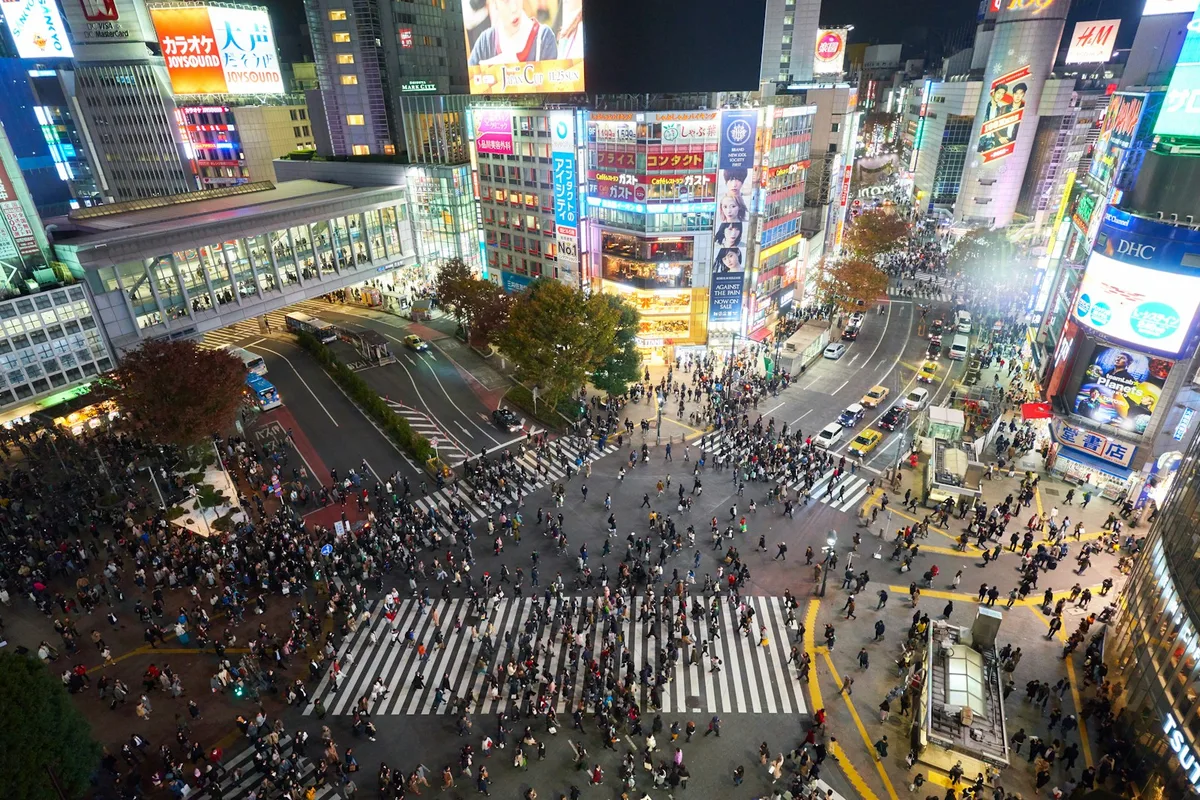
The busiest pedestrian crossing in the world, outside Shibuya Station in Tokyo, where as many as 3,000 people cross at once when the lights change.
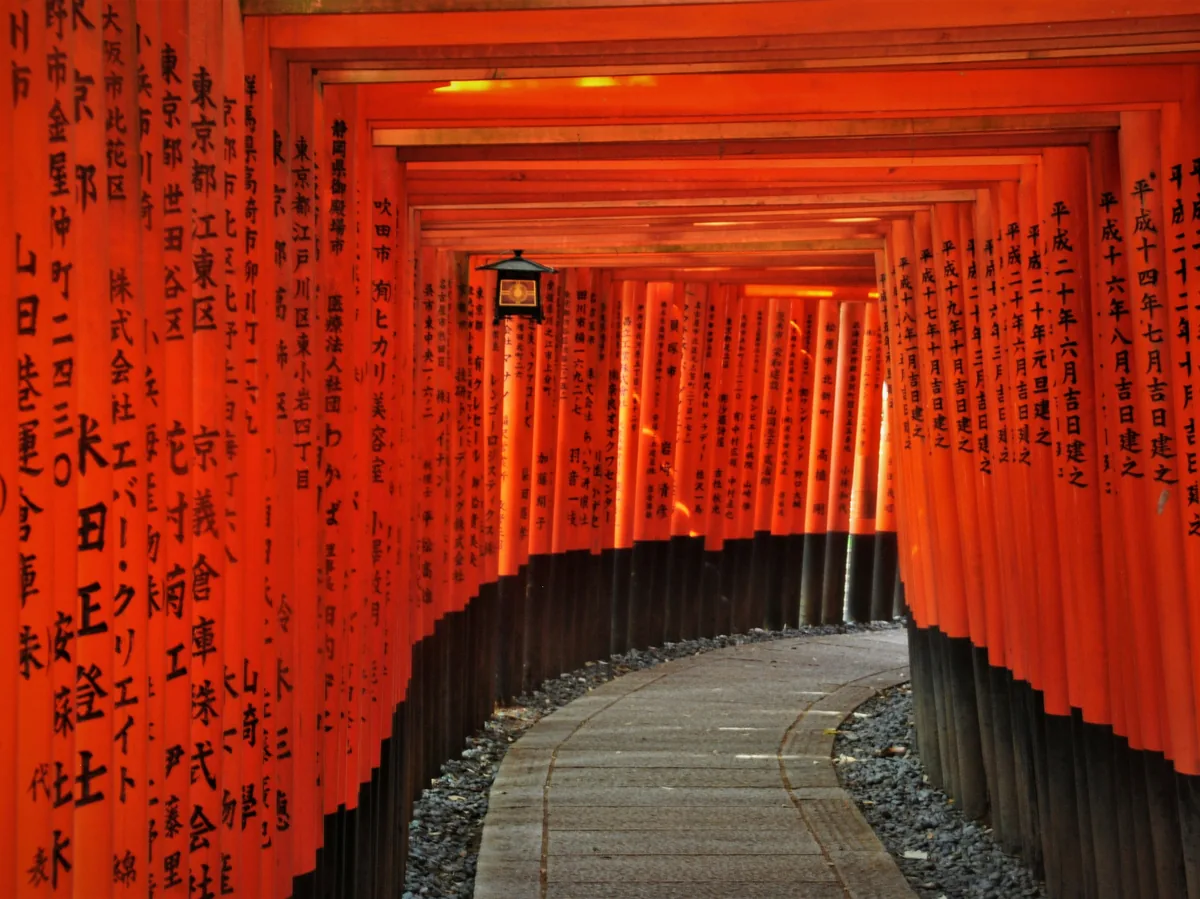 Multi-Day Tours
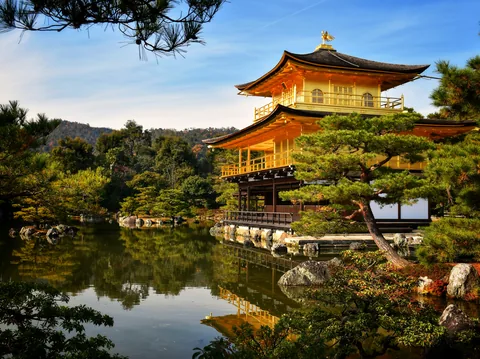
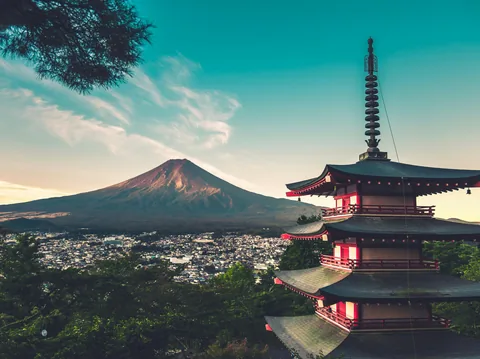
A two-country journey that opens in Seoul and Busan, South Korea, then crosses into Japan for Kyoto's temples, a kimono tea ceremony, and Tokyo's Shibuya Crossing with a Mount Fuji day trip.
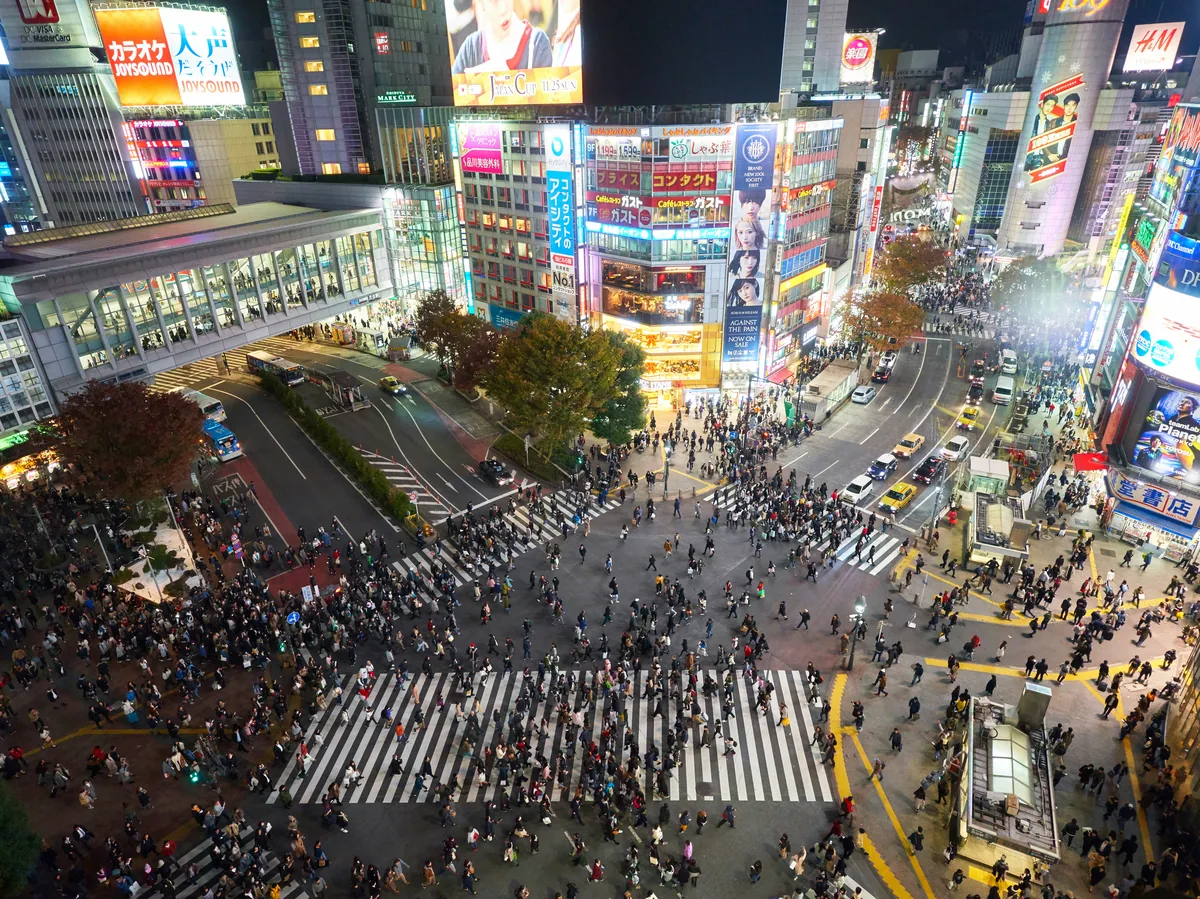 Multi-Day Tours
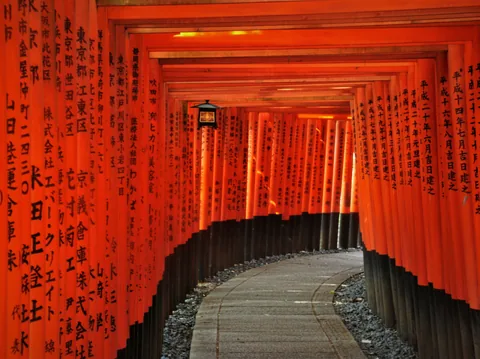
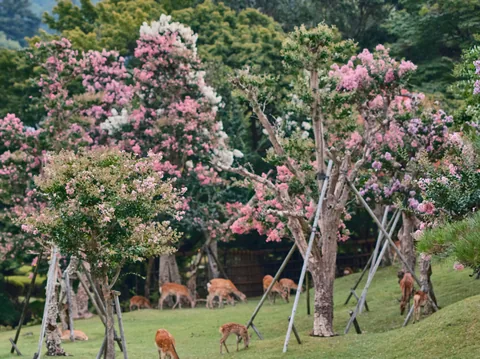
A 12-day route from Tokyo's neighborhoods and teamLab Borderless, through Hakone's Mount Fuji views, into Kyoto's temples, Nara's deer, Hiroshima's Peace Memorial, and Osaka's street food.
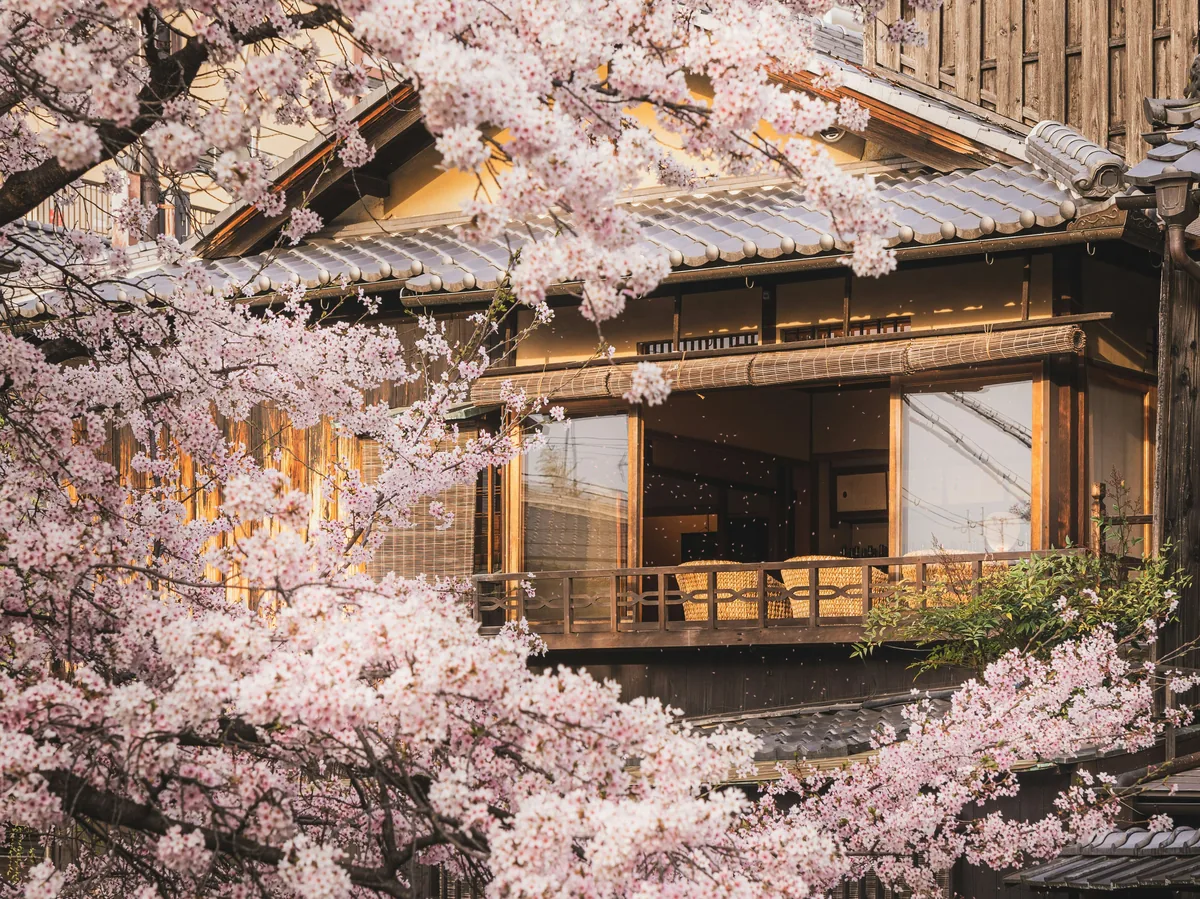 Multi-Day Tours
A 10-day route through Tokyo, Nikko's shrines and waterfalls, historic Kamakura, and the hot springs and lake views of Hakone, timed for cherry blossom season.
Visitor guide
Shibuya Scramble Crossing, commonly called Shibuya Crossing, is a scramble crossing outside Shibuya Station in Shibuya, a major commercial and entertainment district of Tokyo, Japan. It is often described as the world's busiest pedestrian crossing, with as many as 3,000 people crossing during a single green light. Inaugurated in 1973, it has become a widely recognized symbol of Tokyo.
A pedestrian scramble temporarily stops all vehicle traffic so that pedestrians can cross in every direction, including diagonally, at the same time. Wikipedia notes that such crossings were first used in North America in the late 1940s and that Shibuya's began operation in 1973. Japan has more than 300 scramble crossings, and the one in Shibuya is the country's largest and most famous.
At Shibuya, the signal cycle lets crowds spill across the intersection from several corners at once. A figure of as many as 3,000 pedestrians per green light, about every two minutes, was reported in 2016. A 2014 survey by the Shibuya Redevelopment Association estimated about 260,000 pedestrians a day on weekdays and 390,000 on non-working days, while other estimates run higher. These numbers vary by source, so treat them as estimates.
The crossing lies next to Shibuya Station, which Wikipedia describes as visited by about 3 million people a day and the second-busiest railway station in the world. Shibuya station opened on 1 March 1885 as a stop on a predecessor of the Yamanote Line and now serves JR East, Keio, Tokyu and Tokyo Metro lines. Shibuya ward as a whole houses a number of districts including Harajuku, Ebisu and Omotesando.
Shibuya overtook Shinjuku as a hub for youth culture in the 1970s, as the rival Seibu and Tokyu groups developed the area into a commercial centre with developments such as Shibuya Parco and Shibuya 109. Since 2010 the area around the station has been undergoing large-scale redevelopment. The tower Shibuya Scramble Square, which stands just beside the crossing, opened on 1 November 2019 and takes its name from the intersection. Its rooftop observation deck is named Shibuya Sky.
Close to the crossing, outside the station's Hachiko exit, stands the bronze statue of Hachiko, an Akita dog remembered for waiting at Shibuya Station for almost ten years after his owner, Professor Hidesaburo Ueno, died in 1925. The original bronze was unveiled on 21 April 1934, while Hachiko was still alive. It was melted down in wartime, and a second statue was unveiled in 1948. Wikipedia says the second statue remains a popular meeting spot.
Shibuya Crossing appears frequently in films and television set in Tokyo, such as Lost in Translation and The Fast and the Furious: Tokyo Drift, and in video games such as Persona 5. It was featured in the 2016 Summer Olympics closing ceremony to promote the 2020 Games in Tokyo. The district's huge video screens and neon signs are part of its character, and the crossing is a favoured subject for photographers, often shot from the surrounding buildings.
The crossing looks different at various times of day. Weekday rush hours bring commuter surges, while evening brings crowds heading to restaurants and nightlife. Because the district is crowded and the station is a maze, a private guided visit with a driver and local guide can make the experience easier, with context on Shibuya's history and where to get views over the intersection.
See every tour and attraction we cover in Japan.