TorontoOntario · 36 tours
 Niagara FallsOntario · 25 tours
 New York CityNew York · 30 tours
 Las VegasNevada · 8 tours
 San FranciscoCalifornia · 16 tours
 VancouverBritish Columbia · 17 tours
 DubaiUAE · 54 tours
 Abu DhabiUAE · 5 tours
 Buenos AiresArgentina · 23 tours
 AthensGreece · 31 tours
 AucklandNew Zealand · 38 tours
 CancunMexico · 54 tours
No destinations match “”. Try searching all tours instead — that search understands full questions, not just place names.
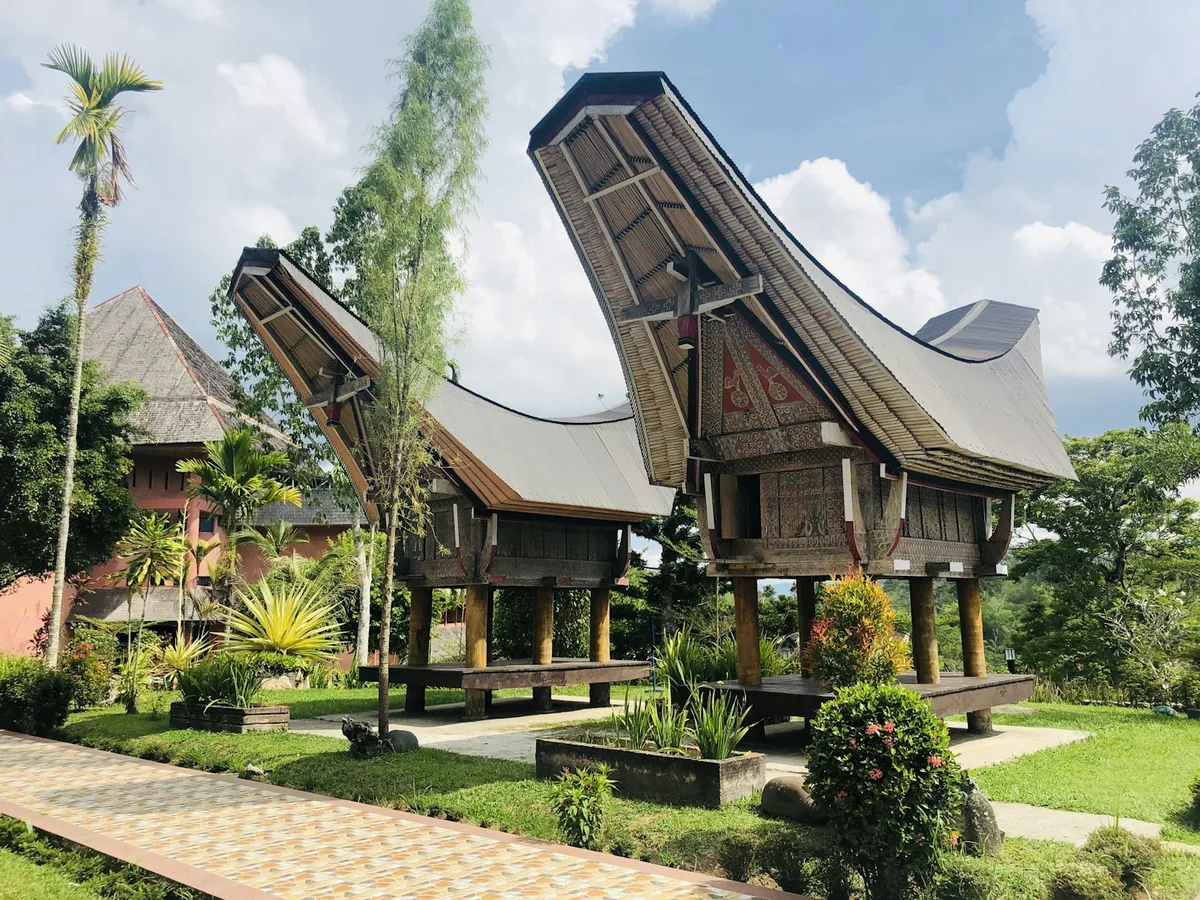
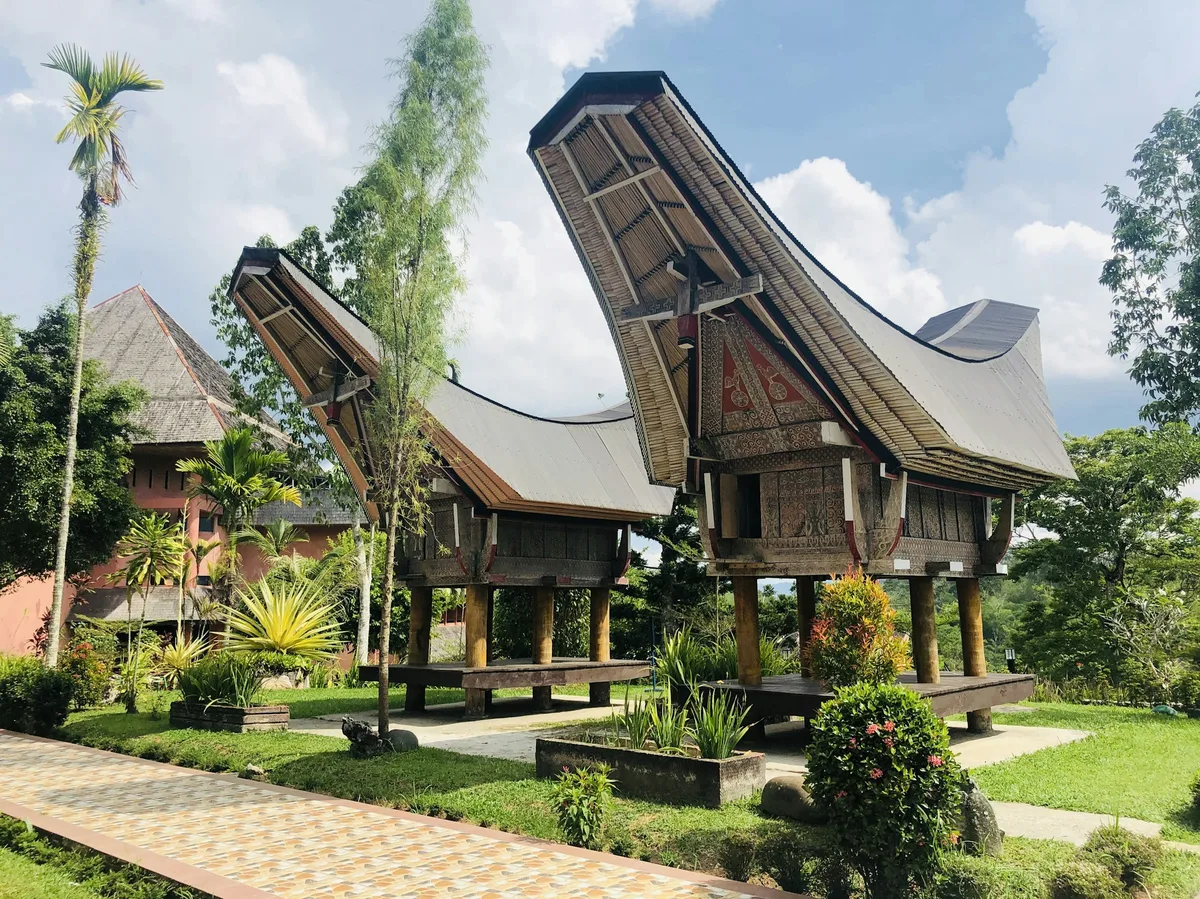
A highland region of Sulawesi known for elaborate multi-day funeral ceremonies and traditional tongkonan houses with distinctive boat-shaped roofs.
Visitor guide
Tana Toraja is a mountainous highland region in South Sulawesi, Indonesia, the homeland of the Toraja people. It is known for its elaborate funeral ceremonies, rock-face burial sites and tongkonan, the ancestral houses with sweeping boat-shaped roofs.
Tana Toraja is landlocked and lies about 300 kilometres north of Makassar. After North Toraja was split off as its own regency in 2008, Wikipedia gives the area of Tana Toraja Regency as about 2,044 square kilometres, with elevations ranging from 150 to 3,083 metres. About 500,000 of an estimated one million Toraja live in Tana Toraja, North Toraja or Mamasa regencies. The name Toraja is said to come from a Bugis phrase meaning people who live in the land above, and the Dutch colonial government adopted it in 1909.
The tongkonan is the defining Torajan building. Its name comes from tongkon, to sit, and it is a gathering place for a family line. Wikipedia describes a large saddleback roof with sharply upswept gables, often called boat-shaped; one tradition says ancestors arrived by boat and reused storm-damaged vessels as roofs, though that is an origin story rather than proven history. The house stands on timber piles, was traditionally built with joinery rather than nails, and is customarily aligned north to south. Across the yard stands a rice barn, the alang, traditionally a sign of family wealth.
Carved gables and walls are painted in red, black and yellow, with motifs such as suns, buffalo heads and water. The article notes that black stands for death, yellow for divine blessing, white for purity and red for human life. Traditionally only people of high rank could build and fully carve a tongkonan.
Funerals are the most important social events in Toraja life. Wikipedia says they are usually attended by hundreds of people and last several days. Burial customs are distinctive. At Lemo, bodies are kept in steep rock faces, and the Ma' Nene ceremony involves changing the clothing of the dead at certain times. At Kambira, infants who had not yet grown teeth, about six months or younger, were placed in hollowed trees. Funeral practices are deeply tied to family and social status, and visitors are generally guests only where families invite them; a local guide helps visitors understand the etiquette.
Dutch missionaries arrived in the early 1900s, and by the later 20th century most Toraja had become Christian. A 2021 government count found roughly 86 percent Christian and 12 percent Muslim in the regency, while some Toraja follow Aluk Todolo, an animist belief recognised in Indonesia as part of Hinduism. Before the 20th century the Toraja lived in largely autonomous villages. From around the 1970s they opened up to outsiders, and in 1974 a ceremony was attended by delegates from 60 countries at a PATA conference in Jakarta. Since 1984 Indonesia's tourism ministry has named Tana Toraja the country's second tourist destination after Bali. A nomination for UNESCO World Heritage was proposed in 2009.
Wikipedia mentions Pallawa, a tongkonan decorated with buffalo horns about 12 kilometres north of Rantepao, and Buntu Kalando, once the palace of the Sangalla kingdom and now a museum. A private driver is useful for the hill roads linking Rantepao and the surrounding villages.
See every tour and attraction we cover in Indonesia.