TorontoOntario · 36 tours
 Niagara FallsOntario · 25 tours
 New York CityNew York · 30 tours
 Las VegasNevada · 8 tours
 San FranciscoCalifornia · 16 tours
 VancouverBritish Columbia · 17 tours
 DubaiUAE · 54 tours
 Abu DhabiUAE · 5 tours
 Buenos AiresArgentina · 23 tours
 AthensGreece · 31 tours
 AucklandNew Zealand · 38 tours
 CancunMexico · 54 tours
No destinations match “”. Try searching all tours instead — that search understands full questions, not just place names.
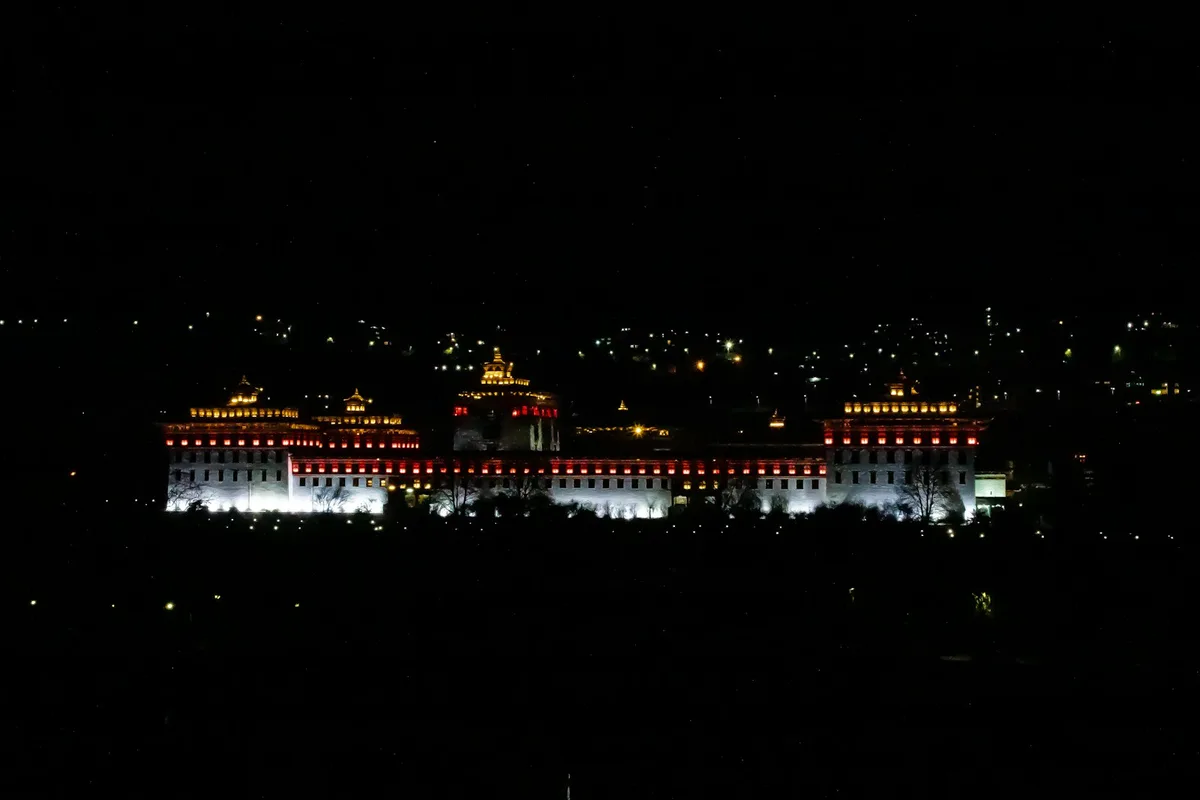
A fortress-monastery on the edge of Thimphu that houses government offices and the throne room of Bhutan's king, alongside monks' quarters, and is lit up at night.
 Multi-Day Tours
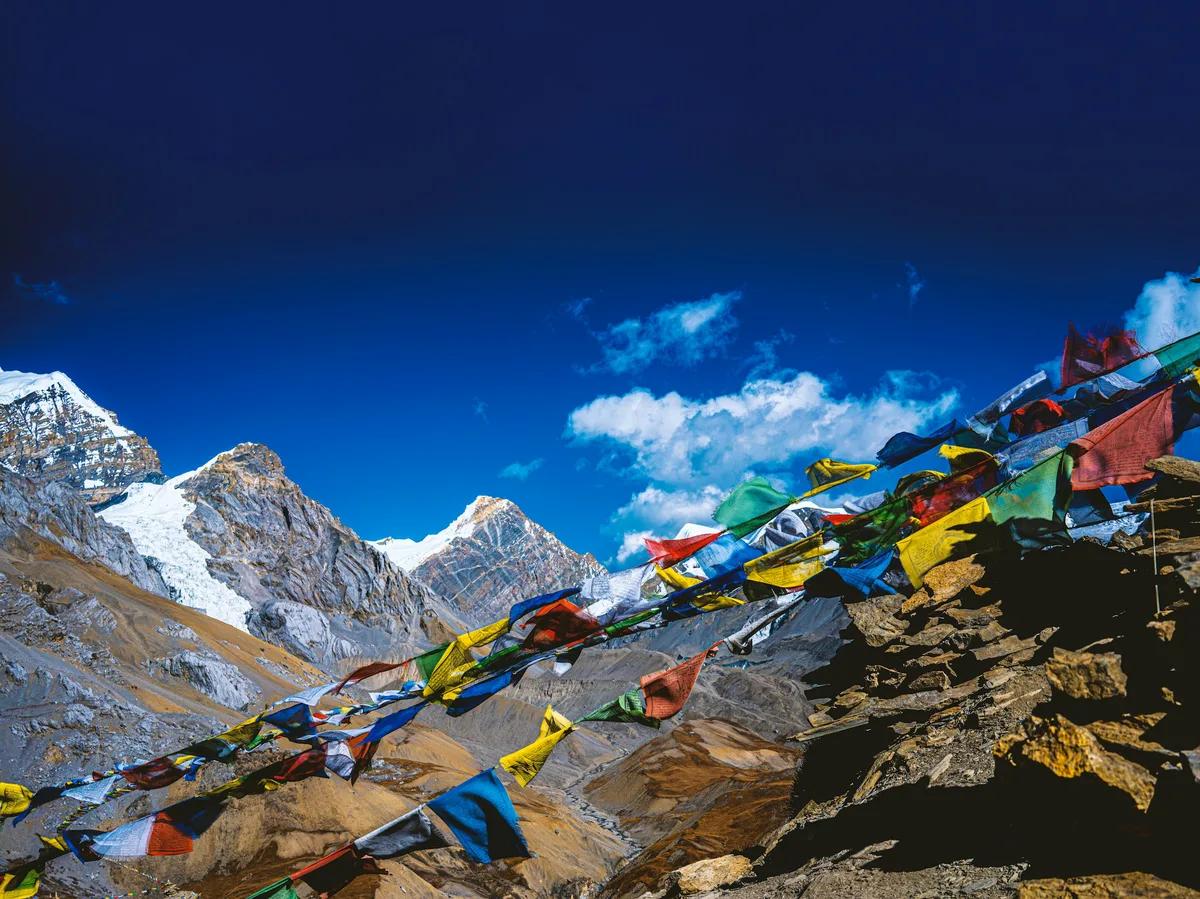
A sweeping 22-day journey across three Himalayan kingdoms — the temples and jungle of Nepal, the high plateau of Tibet, and the dzongs and monasteries of western Bhutan.
 Multi-Day Tours
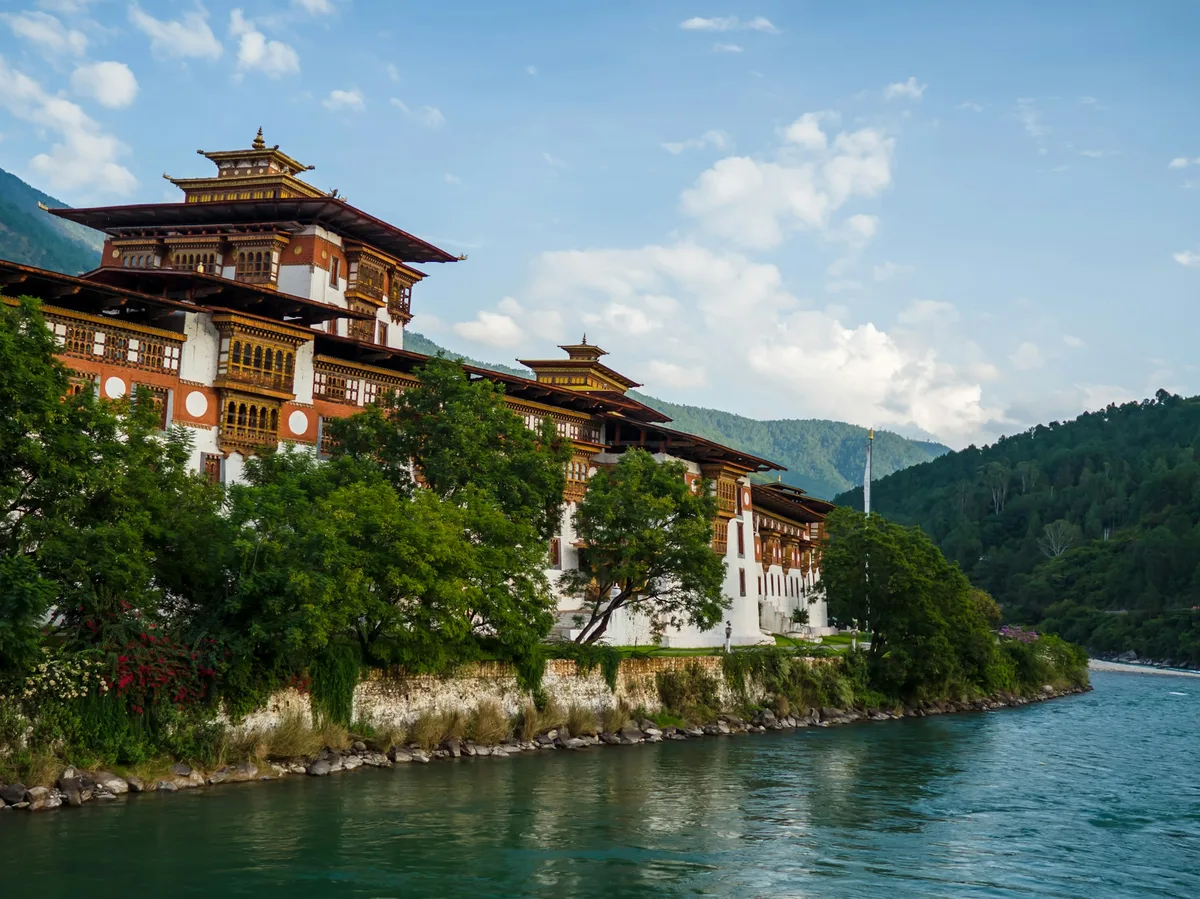
A luxury pairing of Kathmandu's UNESCO sites with western Bhutan's dzongs and mountain passes, from Thimphu and Punakha to Gangtey and Paro.
 Multi-Day Tours
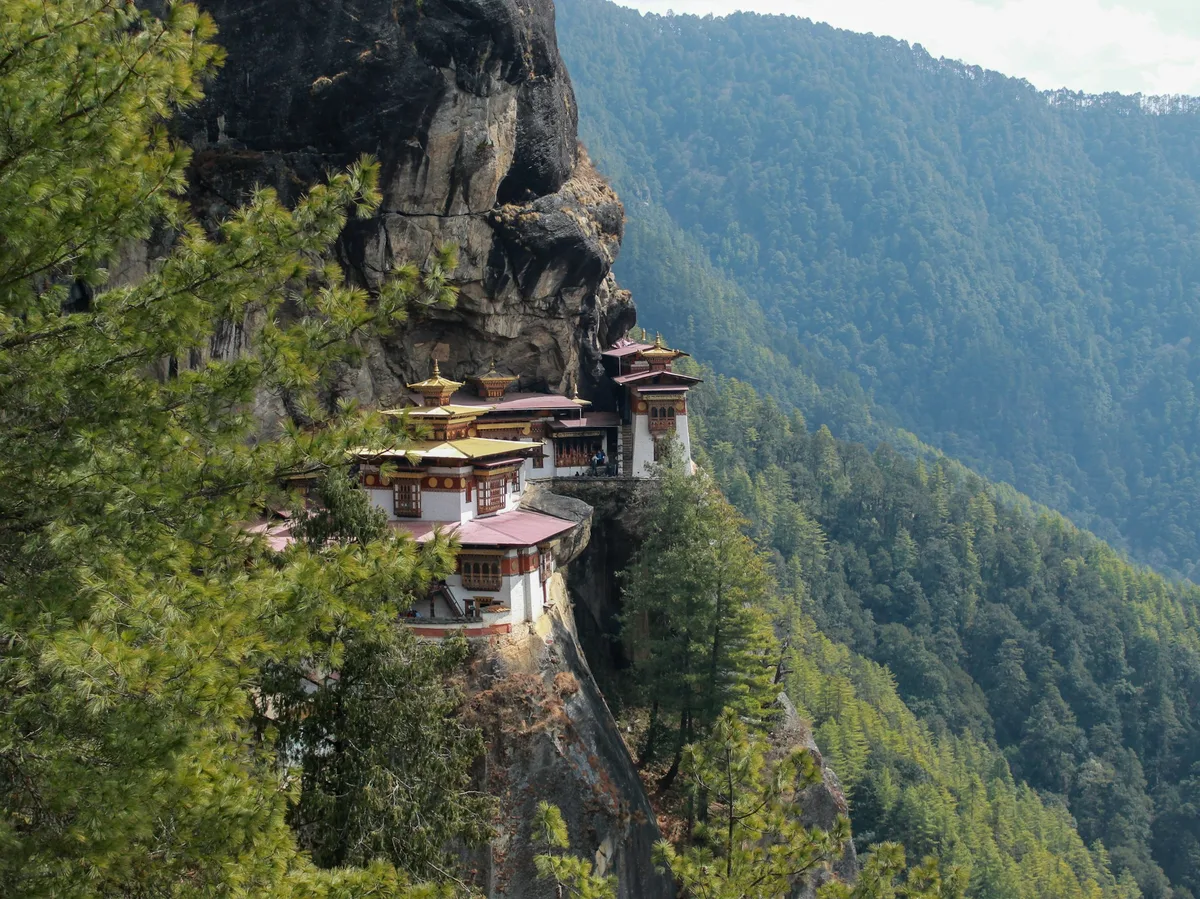
A relaxed, comfort-focused week through Bhutan's classic western circuit — Thimphu, Punakha, Phobjikha, and Paro — with the Tiger's Nest hike as its finale.
 Multi-Day Tours
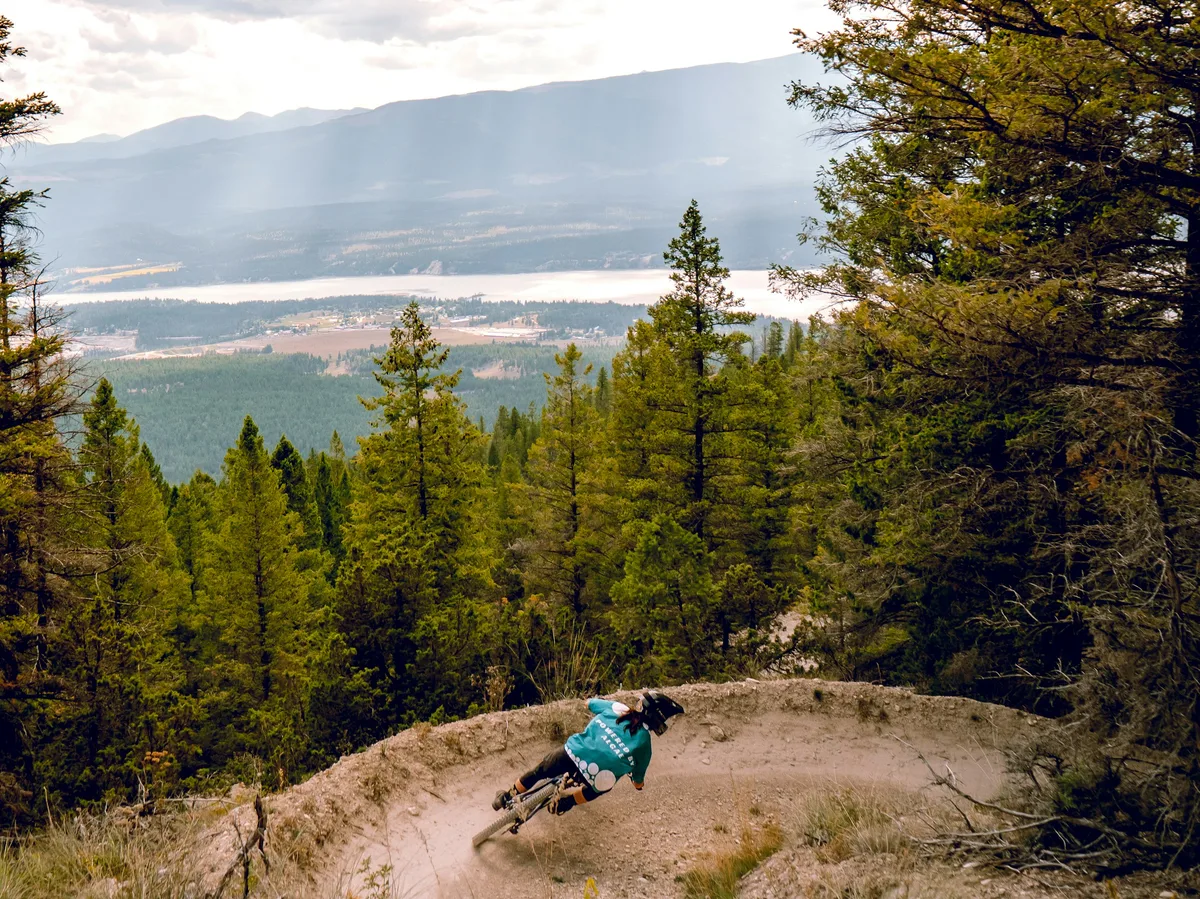
An active 11-day loop through western and central Bhutan, mixing cultural sightseeing in Paro, Thimphu, and Punakha with mountain biking on the famous 'Divine Madman' trail.
 Multi-Day Tours
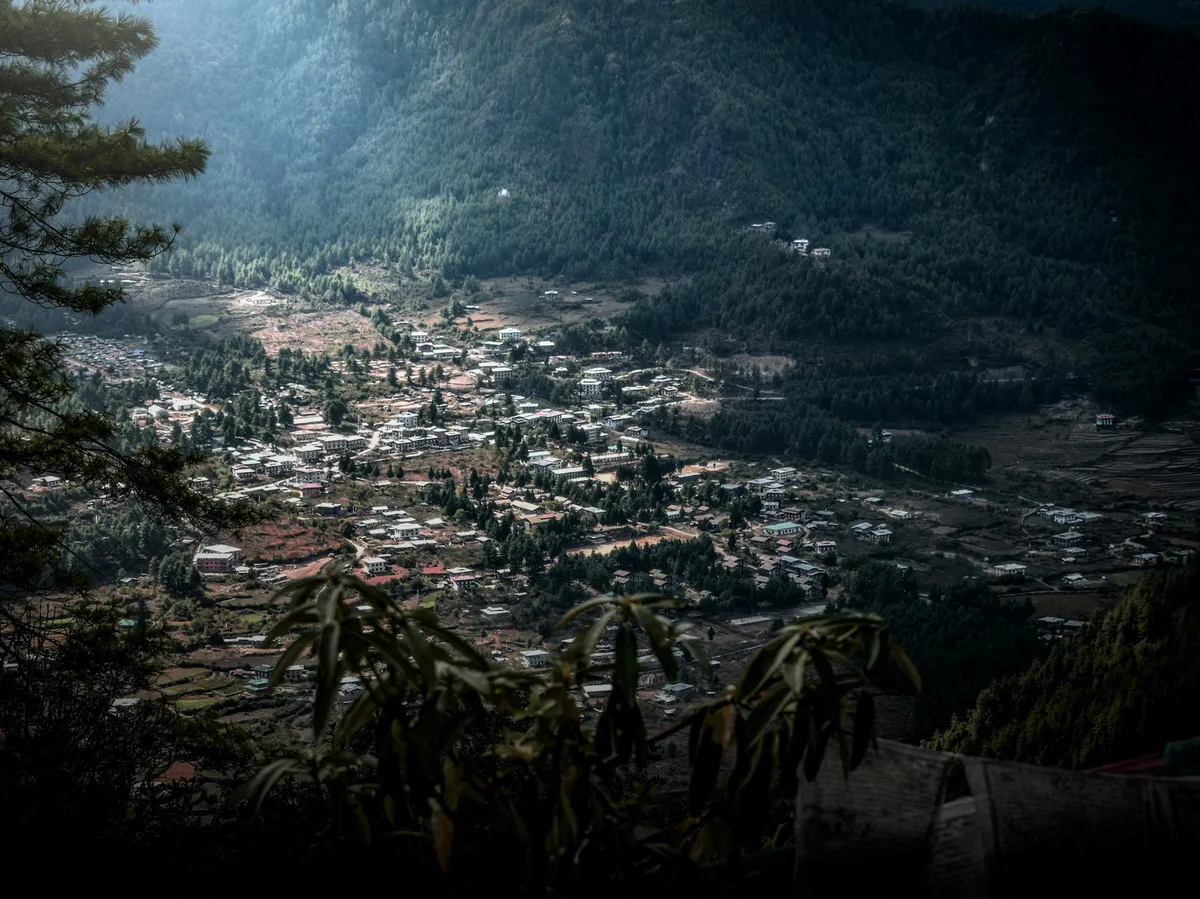
A culture-and-trail itinerary through Paro, Thimphu, Punakha, and Phobjikha, with two real day-hikes — to Dragey Pangtsho Lake and the Tiger's Nest — beyond the usual sightseeing.
Visitor guide
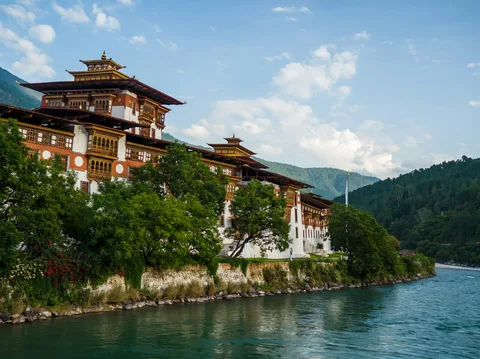
Tashichho Dzong is a Buddhist monastery and fortress on the northern edge of Thimphu, Bhutan, on the western bank of the Wang Chu. It is the seat of Bhutan's government and the summer residence of the Central Monastic Body, and its name is often rendered as the fortress of auspicious doctrine.
The original Thimphu dzong, Do-Ngon Dzong, was built in 1216 by Lama Gyalwa Lhanapa, founder of the Lhapa branch of the Drikung Kagyu. In 1641 Zhabdrung Ngawang Namgyal took over the dzong, reconsecrated it and renamed it Tashichho Dzong. It became the main seat of the Southern Drukpa Kagyu and the summer residence of the monastic body headed by the Shabdrung.
Most of the original dzong burned in 1772, and the 16th Desi, Sonam Lhudrup, built a new dzong on the present site. Wikipedia says the dzong was destroyed by fire three separate times and seriously damaged by an earthquake in 1897, and that each time it was rebuilt by the Desi and Je Khenpo of the period. Renovations include the monks' assembly hall in 1777, work by the 25th Desi in 1807 and the Ditsang lhakhang in 1826.
After the capital moved from Punakha to Thimphu, the third king, Jigme Dorji Wangchuck, rebuilt the dzong in the 1960s as the seat of government, using a different plan. Only the central Utse tower, the Lhakhang Sarp and the main Gonkhang survived from the earlier dzong. It was completed and consecrated in 1968.
The whitewashed main structure is two storeys tall, with three-storey towers at each of the four corners topped by triple-tiered golden roofs. A large central tower, the utse, rises in the middle. The dzong contains thirty temples, chapels and shrines, and a small tower of Ney Khang Lhakhang to the west holds a statue of Shakyamuni Buddha and protective deities. A new Neten Chudrug Thongdrol was consecrated in 2002.
The dzong has housed Bhutan's government since 1968. It contains the king's throne room and offices, the cabinet secretariat, and the ministries of home affairs and finance. The northern part is the summer residence of the Je Khenpo and the Central Monastic Body. A Tsechu festival is held at the dzong, though Wikipedia gives few details.
Thimphu lies at roughly 2,300 metres in the Wang Chuu valley and is the capital of Bhutan. The dzong is its most prominent landmark and is close to the National Memorial Chorten and the weekend market. A private guided visit helps in interpreting the courtyards and in understanding the dzong's double role as monastery and government centre.
Elsewhere in Thimphu, the Memorial Chorten was built in 1974 to honour the third king and is known as the Thimphu Chorten, with golden spires that dominate the skyline. The Motithang Takin Preserve protects the takin, Bhutan's national animal, having begun as a mini-zoo and been converted after takin kept wandering into town. A morning market on the central square runs on weekends and is the main place residents buy fresh produce.
See every tour and attraction we cover in Bhutan.