TorontoOntario · 36 tours
 Niagara FallsOntario · 25 tours
 New York CityNew York · 30 tours
 Las VegasNevada · 8 tours
 San FranciscoCalifornia · 16 tours
 VancouverBritish Columbia · 17 tours
 DubaiUAE · 54 tours
 Abu DhabiUAE · 5 tours
 Buenos AiresArgentina · 23 tours
 AthensGreece · 31 tours
 AucklandNew Zealand · 38 tours
 CancunMexico · 54 tours
No destinations match “”. Try searching all tours instead — that search understands full questions, not just place names.
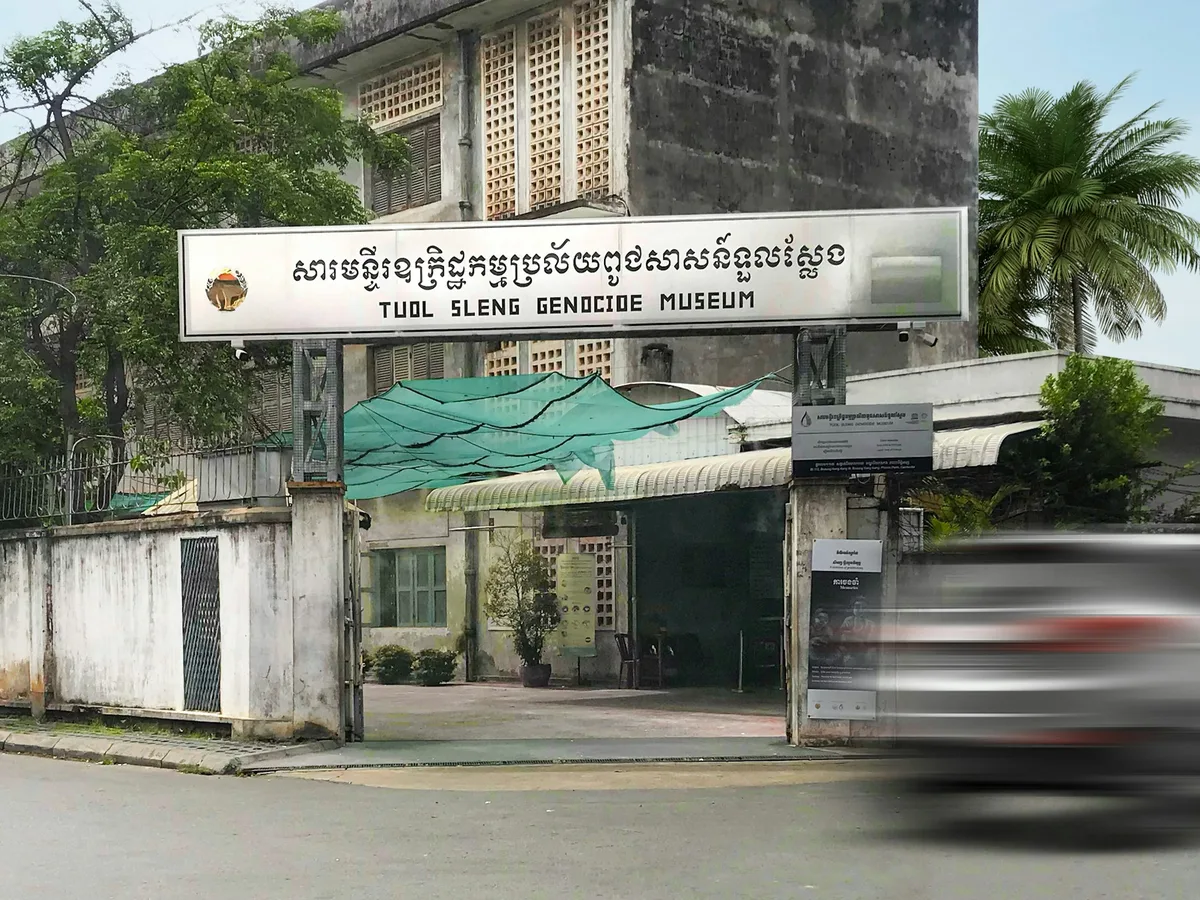
A former high school in Phnom Penh converted into the S-21 prison during the Khmer Rouge era, preserved today as a museum documenting Cambodia's 1970s genocide.
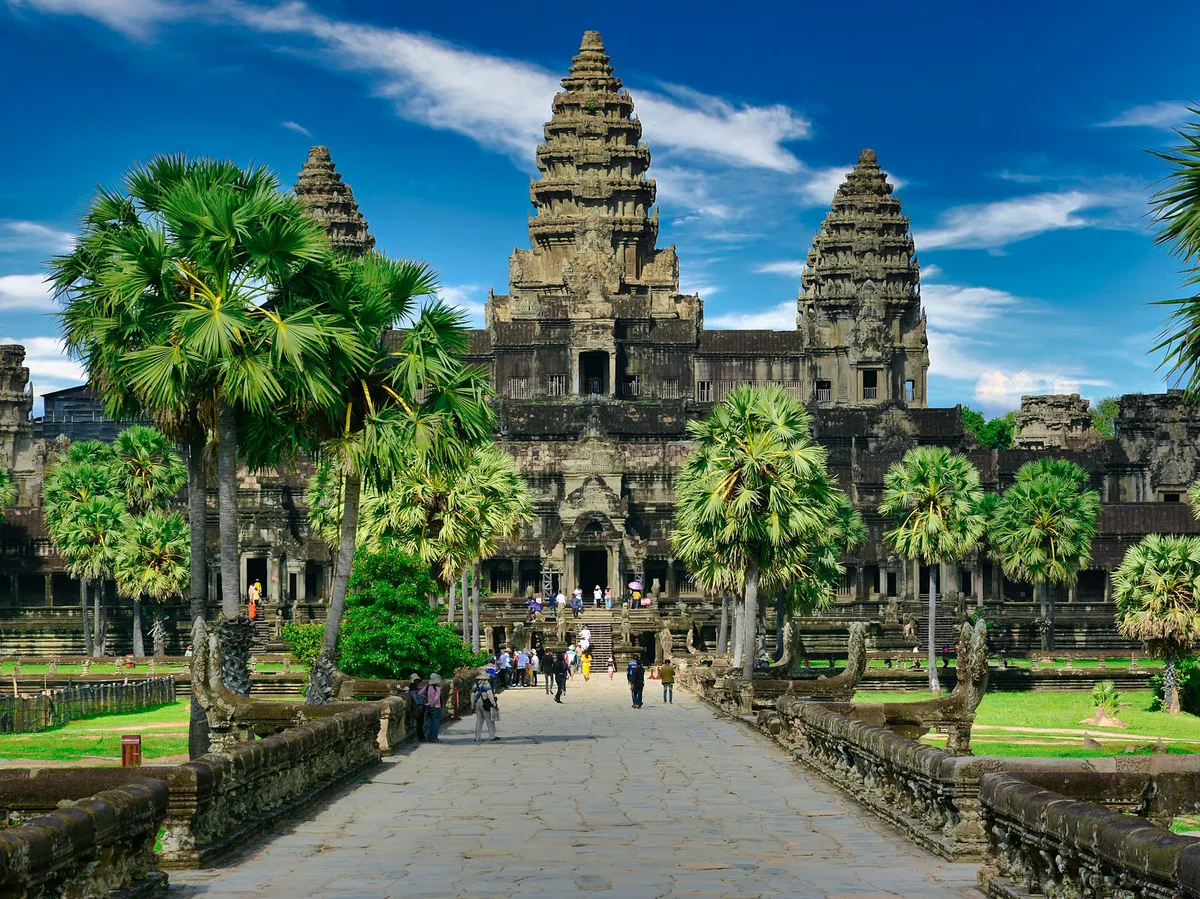 Multi-Day Tours Popular Pick
A 9-day journey through Cambodia's ancient Angkor temples, the floating villages of Tonlé Sap, Phnom Penh's history, and a restful finish on the Sihanoukville coast.
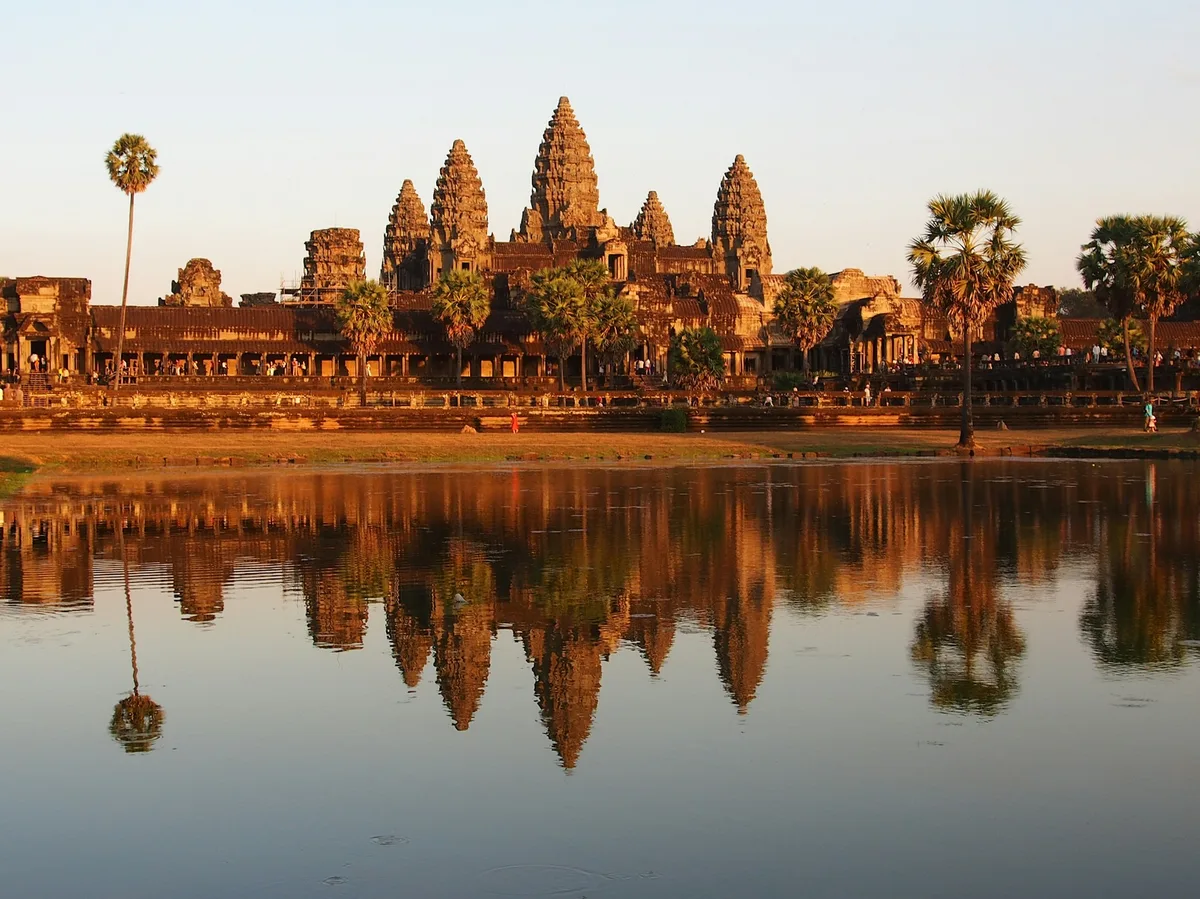 Multi-Day Tours
A 12-day route from the temples of Angkor and the history of Phnom Penh into Laos, taking in Vientiane, Vang Vieng, and UNESCO-listed Luang Prabang.
Visitor guide
The Tuol Sleng Genocide Museum in Phnom Penh, Cambodia, occupies a former high school that the Khmer Rouge turned into Security Prison 21, known as S-21. Preserved today as a museum and memorial, it documents the crimes of the Khmer Rouge regime and is one of the principal places where Cambodians and visitors confront that history.
The site was once Tuol Svay Prey High School, named after a royal ancestor of King Norodom Sihanouk. In March or April 1976 the Khmer Rouge converted its five buildings into a prison and interrogation centre, enclosed the grounds in electrified barbed wire, and fitted the classrooms with iron bars and small cells.
According to Wikipedia, an estimated 20,000 people were imprisoned at S-21 between 1976 and 1979, although the exact number is unknown, and sources differ on the figures. The prison typically held roughly 1,000 to 1,500 prisoners at a time. Early prisoners were mostly connected with the former Lon Nol government, including soldiers, officials, teachers, doctors and students, and later purges within the Khmer Rouge itself brought in party members and their families. Prisoners were photographed, made to write autobiographies and held in shackles, and interrogation involved torture. Most confessions were false and often named friends and colleagues, who were then arrested in turn. Prisoners were taken to the Choeung Ek killing site, about 15 kilometres from the city.
The prison's chief was Kang Kek Iew, known as Comrade Duch, a former mathematics teacher. The staff numbered about 1,720, mostly general workers, and many guards were teenagers. The regime kept meticulous records, including detailed dossiers and photographs, and these records now form the heart of the museum's archive.
Only a handful of prisoners are known to have survived S-21. Among them were Chum Mey, Bou Meng and Vann Nath, who were spared because their skills as a mechanic and painters were useful to their captors. Vann Nath later painted scenes of the torture he witnessed, and these paintings are displayed in the museum. When Vietnamese forces entered Phnom Penh in January 1979 they found the prison abandoned. The Vietnamese combat photographer Ho Van Tay was among the first to document the site, and his photographs remain on display.
Between 1979 and 1980 the government of the People's Republic of Kampuchea reopened the site as a historical museum. Some rooms were preserved as they were found, with iron bedframes and leg shackles, and four main buildings now hold rows of prisoner photographs, cells and instruments of torture. In 2010 the Extraordinary Chambers in the Courts of Cambodia convicted Duch of crimes against humanity and grave breaches of the Geneva Conventions and sentenced him to life imprisonment. Wikipedia notes that UNESCO inscribed the site on the World Heritage List in 2025 as part of the Cambodian Memorial Sites.
Tuol Sleng is a sombre place and is often visited together with the Choeung Ek memorial. It serves as an educational site as well as a memorial, and many visitors prefer to approach it with a guide who can provide historical context in a respectful way.
See every tour and attraction we cover in Cambodia.