TorontoOntario · 36 tours
 Niagara FallsOntario · 25 tours
 New York CityNew York · 30 tours
 Las VegasNevada · 8 tours
 San FranciscoCalifornia · 16 tours
 VancouverBritish Columbia · 17 tours
 DubaiUAE · 54 tours
 Abu DhabiUAE · 5 tours
 Buenos AiresArgentina · 23 tours
 AthensGreece · 31 tours
 AucklandNew Zealand · 38 tours
 CancunMexico · 54 tours
No destinations match “”. Try searching all tours instead — that search understands full questions, not just place names.
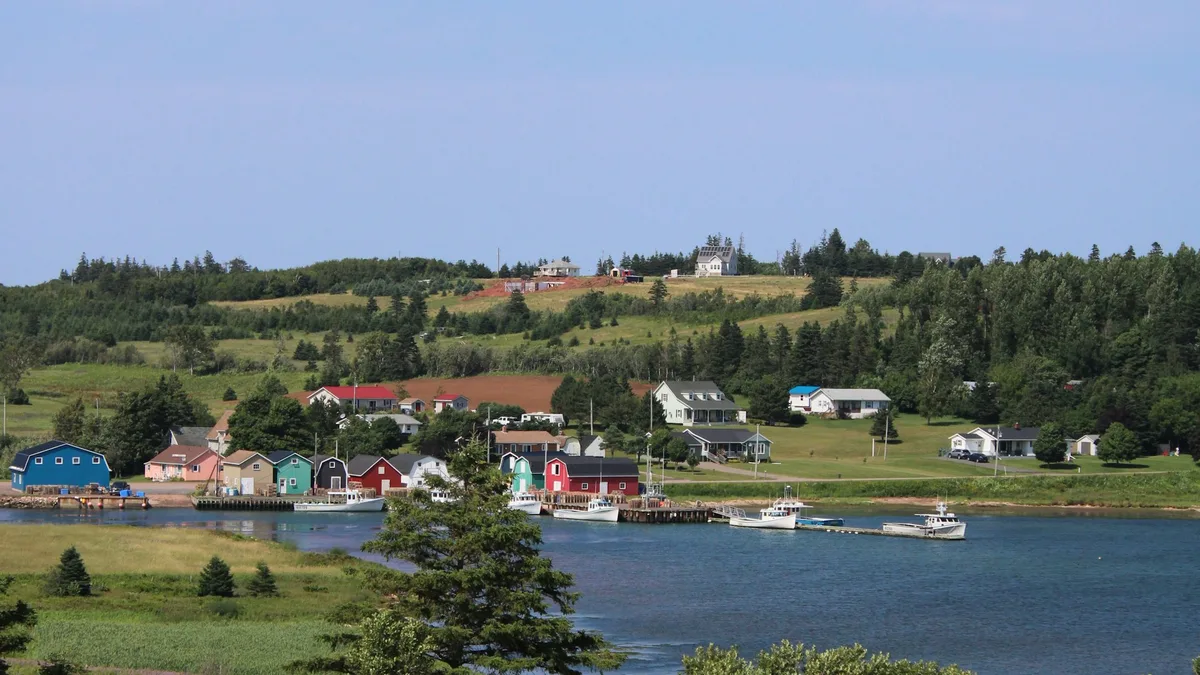
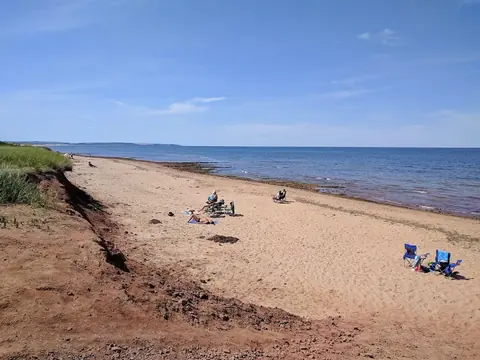
A small, historic PEI seaside village known for its art galleries, craft shops, live theatre, and working lighthouse.
Visitor guide
Victoria-by-the-Sea is a small seaside village on Prince Edward Island's south shore, roughly halfway between Charlottetown and Summerside. Settled from 1819 under James Bardin Palmer (a PEI government heritage notice dates the village's establishment to 1855), it was once a busy little seaport and is now known for its grid of quiet streets, its waterfront lighthouse museum and a community-hall theatre. It is a short, scenic drive off the Trans-Canada Highway.
Victoria was founded in 1819 by James Bardin Palmer, an immigrant lawyer who acted as agent for the Earl of Westmoreland. His son Donald laid the community out on a planned grid, a street pattern that is still visible. By the late 1800s the sheltered harbour supported three wharves and a range of shops, and produce such as potatoes and eggs went by schooner to Europe, the West Indies and other east coast ports. The steamer S.S. Harland also ran passengers between here and Pictou, Nova Scotia.
The Trans-Canada Highway later bypassed the village, and many businesses moved to nearby Crapaud. Population and commerce dwindled, but a 1982 Atlantic Insight article credited the bypass, along with the absence of shopping centres and amusement parks, with preserving the village's character. That is a journalist's view rather than a measured finding, but it fits what visitors see: a streetscape of older buildings that has not been rebuilt.
The Victoria Seaport Lighthouse holds the Victoria Seaport Museum, which opened in 1990 and is run by a non-profit group. Two range lights, Leard's Front and Palmer's Back, share the one building, which the PEI Lighthouse Society notes is unusual on the Island. The exhibits cover the harbour, the lights, their keepers and the village.
The Victoria Playhouse operates in the Victoria Community Hall, built in 1915 by carpenter Win Bradley, according to the provincial heritage record. Residents voted in 1981 to bring live theatre into the hall, and Erskine and Pat Smith founded the Playhouse; the heritage register dates the formation of the Victoria Playhouse to 1982. The hall was recognised on the Canadian Register of Historic Places in 2007, with its wood-shingled exterior, rose window and sandstone foundation among the listed features.
Around the centre of the village you will find a handful of craft shops, galleries, restaurants and inns. Many are seasonal, so check ahead for opening times and show schedules.
Victoria's population is small and has swung noticeably between censuses. Statistics Canada counts as summarised on Wikipedia give 74 residents in 2016 and 139 in 2021, so a year-round population in the low hundreds at most. Tourism is a major part of the economy, alongside farming, fishing and an aquaculture research and development facility.
The village is compact and best explored on foot: wander the grid, walk down to the waterfront and the lighthouse, and check the Playhouse's season if you want an evening show. Opening times for the museum, shops and theatre vary by season, so confirm current details with the operators or Tourism PEI.
Victoria combines naturally with other south-shore stops or a loop back to Charlottetown. On a private tour, a driver with a vehicle picks you up at your door and can let you linger in the village rather than keeping to a fixed coach schedule.
See every tour and attraction we cover in Charlottetown.