TorontoOntario · 36 tours
 Niagara FallsOntario · 25 tours
 New York CityNew York · 30 tours
 Las VegasNevada · 8 tours
 San FranciscoCalifornia · 16 tours
 VancouverBritish Columbia · 17 tours
 DubaiUAE · 54 tours
 Abu DhabiUAE · 5 tours
 Buenos AiresArgentina · 23 tours
 AthensGreece · 31 tours
 AucklandNew Zealand · 38 tours
 CancunMexico · 54 tours
No destinations match “”. Try searching all tours instead — that search understands full questions, not just place names.
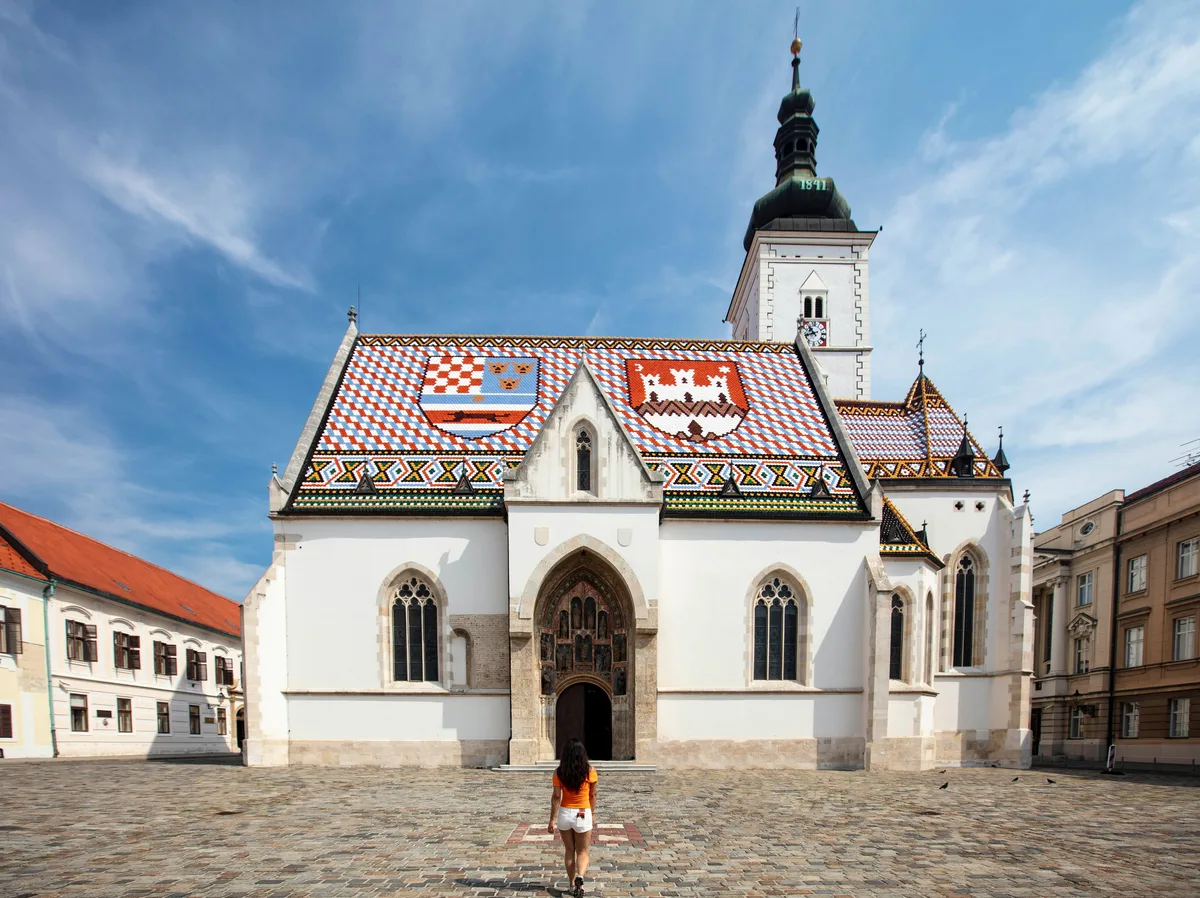
Croatia's capital's historic core, home to St. Mark's Church with its tiled roof crest, the Lotrscak Tower, and cobbled streets connected by a funicular that's one of the shortest public transit lines in the world.
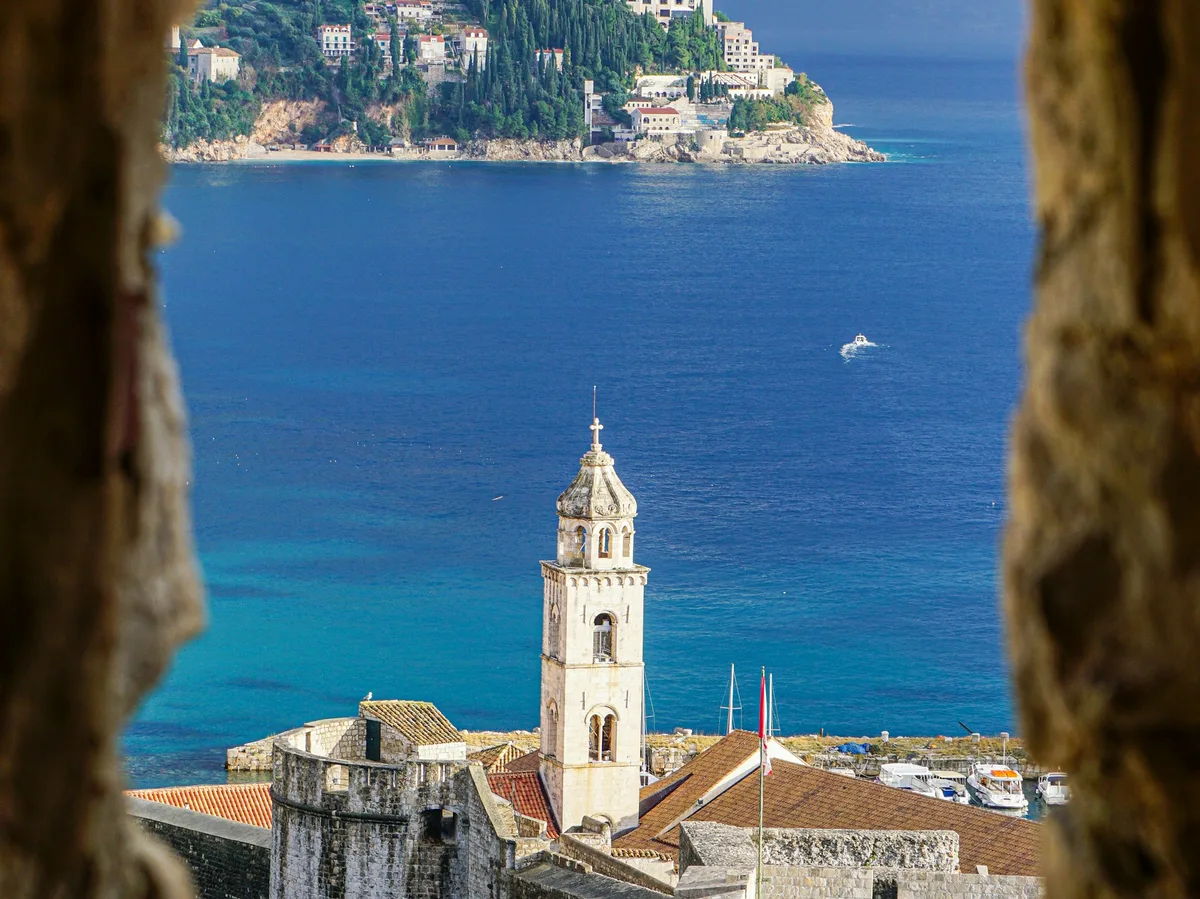 Multi-Day Tours Popular Pick
An 8-day introduction to Croatia's best-known sights, from Zagreb's cafe-lined old town to the Plitvice Lakes, Split's Roman ruins, Hvar's harbour, and the walled city of Dubrovnik.
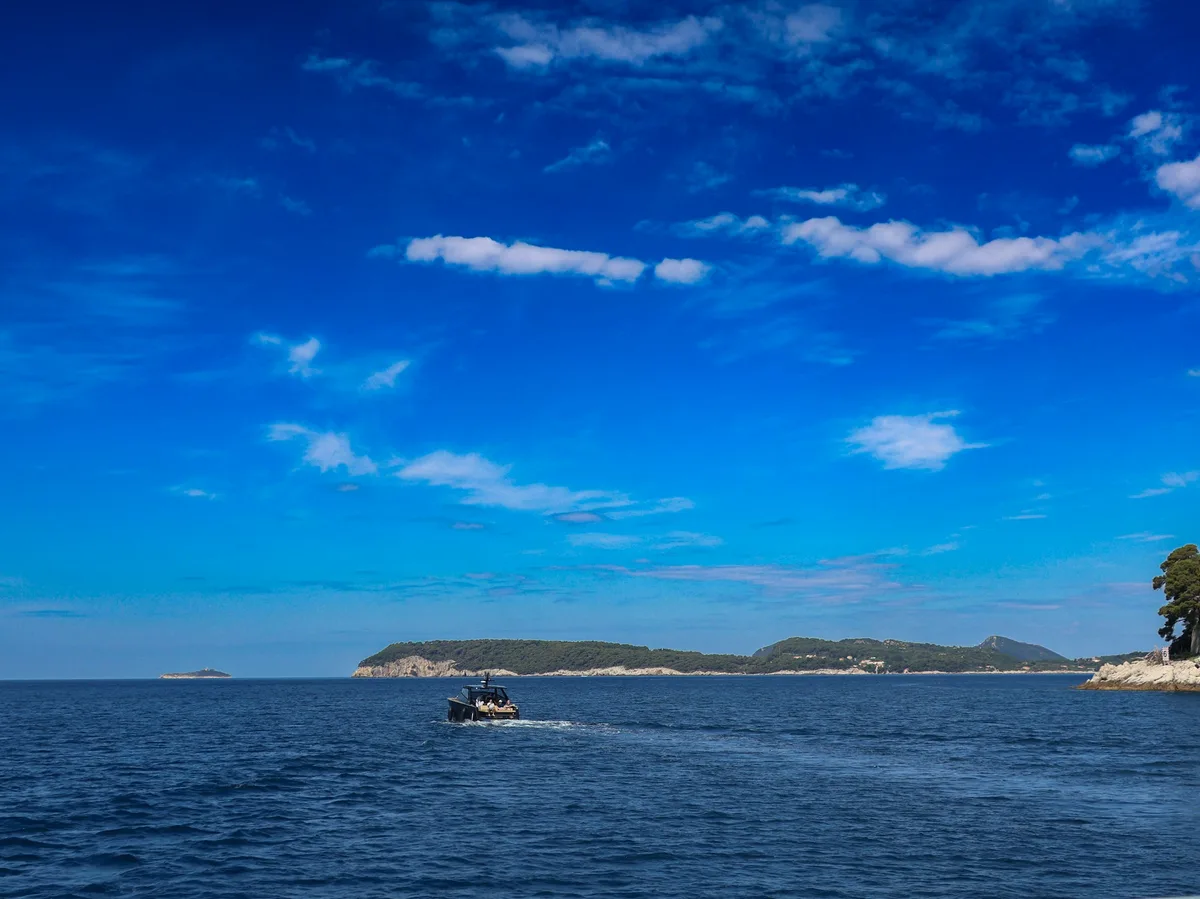 Multi-Day Tours
A comprehensive 15-day private journey from Zagreb through Plešivica wine country, Plitvice, Zadar, Krka, Split, Hvar and Dubrovnik, finishing along the Bay of Kotor in Montenegro.
Visitor guide
Zagreb's Upper Town, known in Croatian as Gornji Grad, is the historic hilltop quarter of Croatia's capital, once the fortified free town of Gradec. Its cobbled lanes, gas-era atmosphere and medieval landmarks, from St Mark's Church to the Lotrscak Tower, make it the oldest-feeling part of Zagreb.
Gradec received a royal charter, known as the Golden Bull, from King Bela IV in 1242, declaring it a free royal town on the hill. Citizens could elect their own magistrate, who acted as a mayor, and defensive walls were completed between about 1242 and 1261. The settlement was roughly triangular, with four main gates. Of these, only the Stone Gate, Kamenita vrata, survives today. Gradec grew alongside the neighbouring church settlement of Kaptol, where Zagreb Cathedral stands, and the two were long rivals before later merging into the single city of Zagreb.
The district is centred on St Mark's Square, the focal point of the neighbourhood. St Mark's Church, the parish church of old Zagreb, is dated to the 13th century and was rebuilt in the late Gothic style in the second half of the 14th century. Its most prized feature is the south portal, attributed to sculptors of the Parler family of Prague, with fifteen figures in eleven niches. The steep roof is covered in glazed polychrome tiles that form the coats of arms of Zagreb and of the Kingdom of Croatia, Dalmatia and Slavonia. A major neo-Gothic restoration followed the 1880 earthquake, and the church was repaired again after quake damage in 2020.
On the square stand the Croatian Parliament, the Sabor, which has met on the east side since 1734, and Banski dvori, built in the early 19th century as the residence of the Croatian Ban and now home to the government together with a neighbouring Baroque mansion.
Lotrscak Tower is a 13th-century tower of about 30 metres that guarded the southern gate of the old town. Its name comes from the Latin for the thieves' bell, a bell hung in 1646 to signal the closing of the town gates. A cannon on the fourth floor, the Gric cannon, has been fired every day at noon since 1 January 1877, a custom paused during the First World War and resumed in 1927. The tower has a viewing platform over the city.
Below the tower, the Strossmayer promenade runs along the line of the old southern wall, and the Zagreb funicular links it with the Lower Town. The funicular is 66 metres long, which Wikipedia calls one of the shortest public transport funiculars in the world, and its journey takes about a minute. Wikipedia gives 1890 for the opening in its text, though a category on the page suggests 1893, so the date is best treated as the early 1890s.
The Museum of Broken Relationships, which opened as a permanent museum in 2010, sits in the Upper Town. Founded by Olinka Vistica and Drazen Grubisic, it displays donated objects from past relationships with anonymous stories, and received the European Museum Forum's Kenneth Hudson Award in 2011.
The Upper Town is compact and walkable but built on a hill, with stairs and cobbles. A private guided visit with a driver can set you down near the Stone Gate or St Mark's Square and add the cathedral at neighbouring Kaptol, a short distance away.
See every tour and attraction we cover in Croatia.