TorontoOntario · 36 tours
 Niagara FallsOntario · 25 tours
 New York CityNew York · 30 tours
 Las VegasNevada · 8 tours
 San FranciscoCalifornia · 16 tours
 VancouverBritish Columbia · 17 tours
 DubaiUAE · 54 tours
 Abu DhabiUAE · 5 tours
 Buenos AiresArgentina · 23 tours
 AthensGreece · 31 tours
 AucklandNew Zealand · 38 tours
 CancunMexico · 54 tours
No destinations match “”. Try searching all tours instead — that search understands full questions, not just place names.
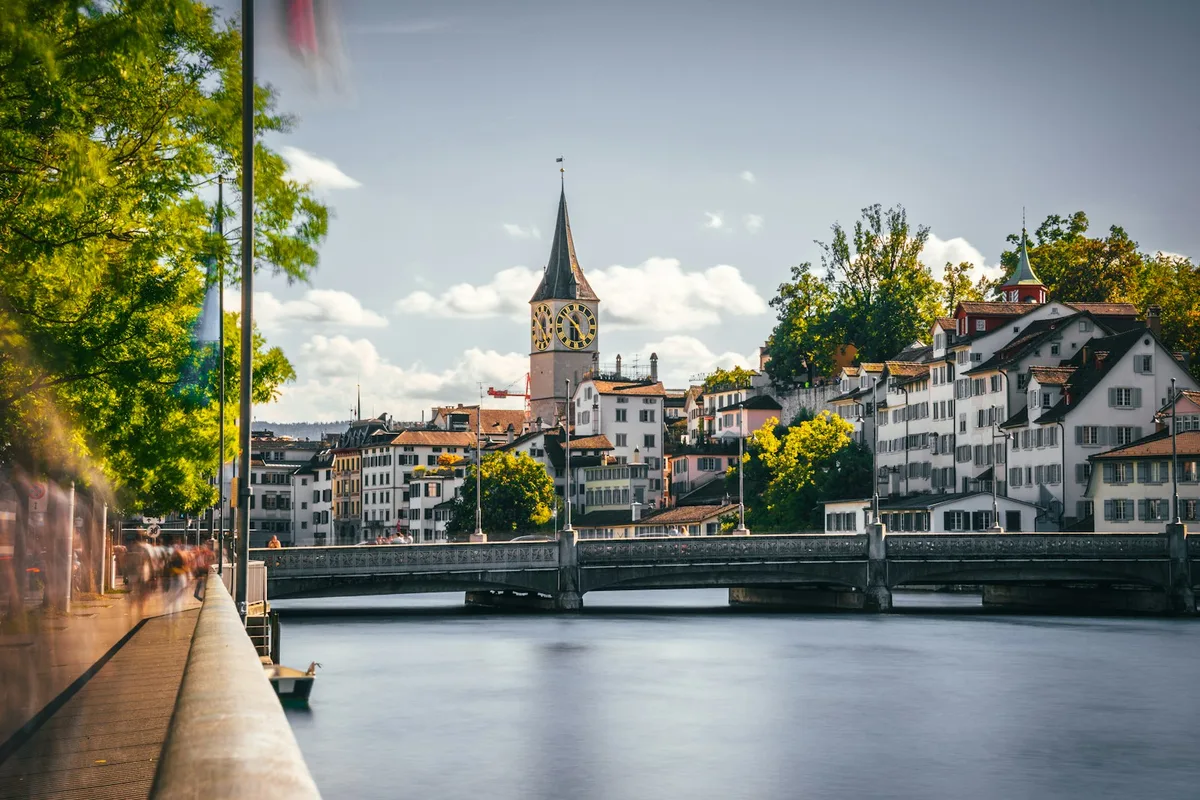
A compact riverside old town along the Limmat, anchored by the twin-towered Grossmünster and St. Peter's church, with Lake Zürich opening out just beyond it.
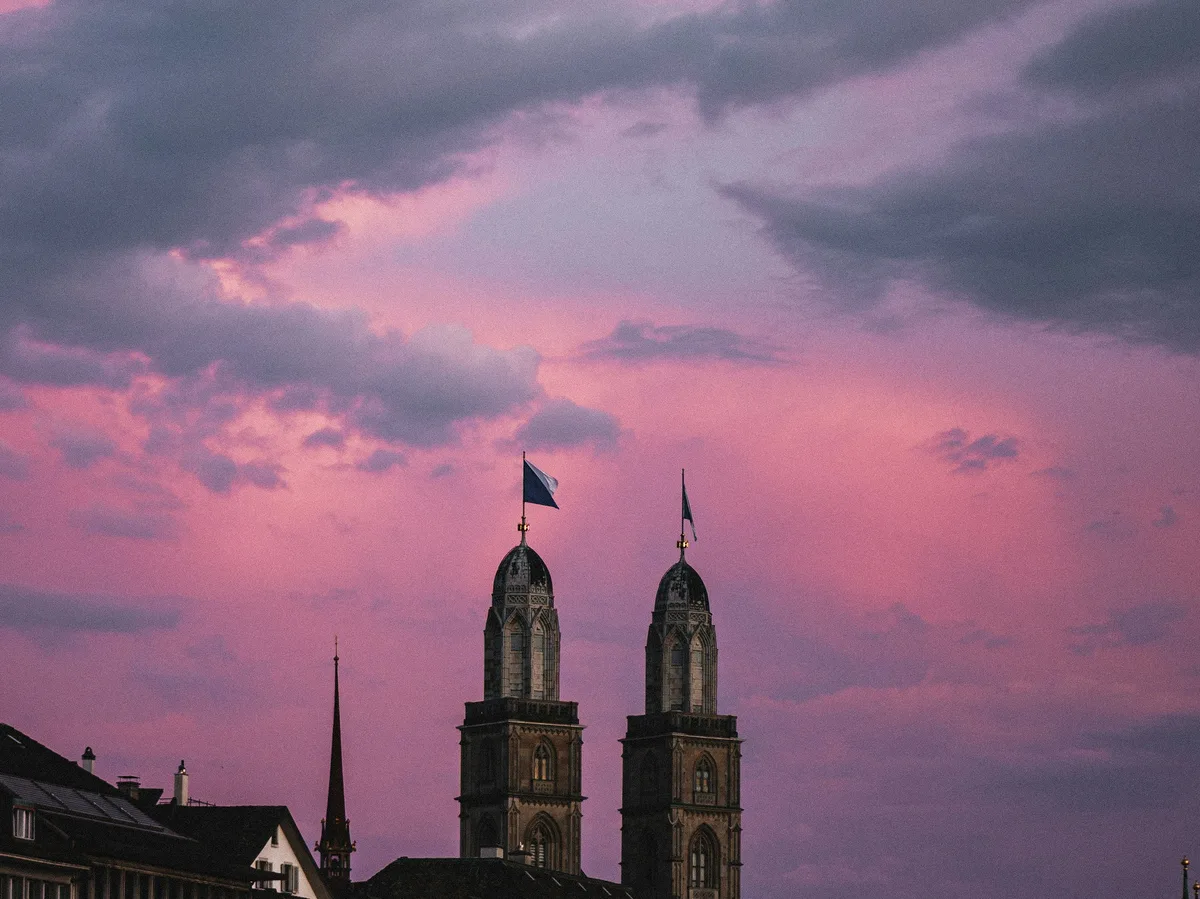 Multi-Day Tours
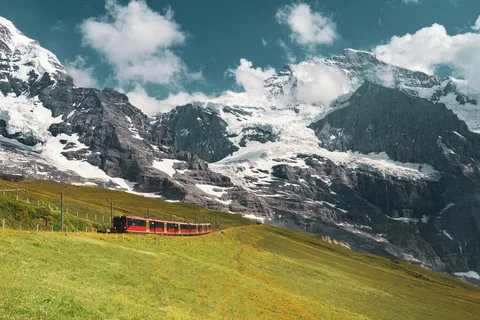
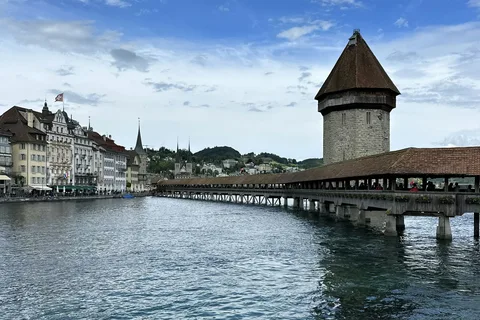
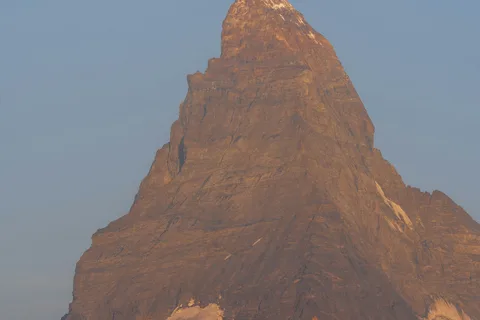
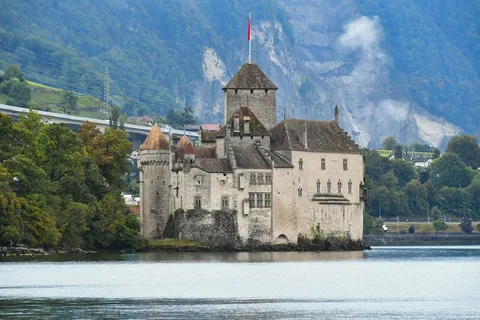
An 11-day circuit through Zürich, Lucerne, Interlaken, Zermatt, Montreux, and Geneva, with a private driver between cities, the scenic mountain trains and cable cars as attractions, and private guided time in each one.
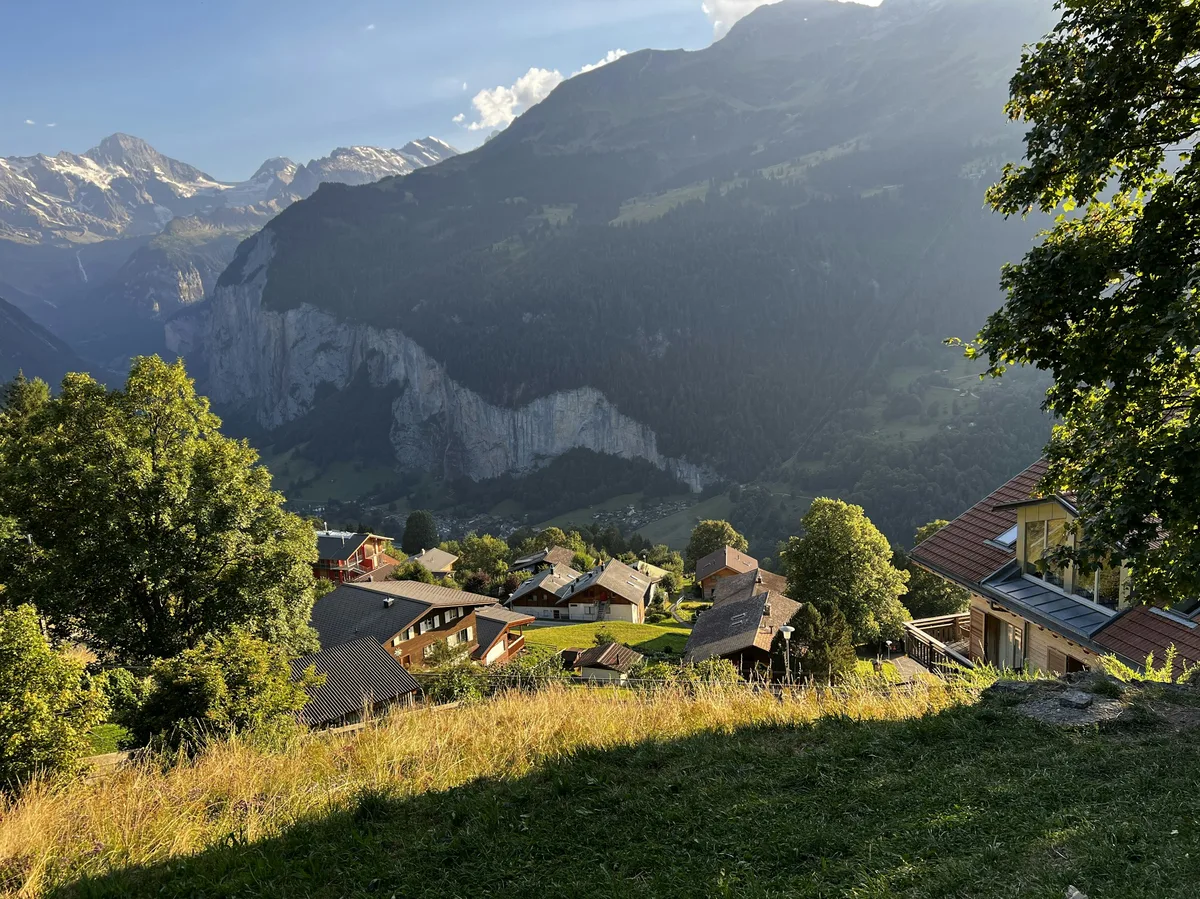 Multi-Day Tours
A 13-day luxury circuit through Zürich, Lucerne, and Lugano in Switzerland, across Lake Como in Italy, and into St. Anton am Arlberg and Bregenz in Austria, with 5-star hotels throughout.
Visitor guide
Zürich's Altstadt, or Old Town, is the historical centre of Switzerland's largest city, on both banks of the Limmat River where it leaves Lake Zürich. It covers the city as it stood before 1893, roughly the area inside the former ramparts, and is now the city's Kreis 1.
In 2015 the Altstadt had a population of 5,617, about 1.4 percent of the city. It is divided into four quarters: Rathaus, Hochschulen, Lindenhof and City. The medieval city had two halves, the 'lesser town' on the left bank and the 'greater town' on the right.
The Lindenhof is the oldest core of the city, with traces of settlement from pre-Roman La Tène times. The Romans fortified it as the vicus Turicum, a customs station with a civilian settlement, in the final decades of the 1st century BC. A Roman castle there was rebuilt in Carolingian times, and by the 13th century it was derelict and used as a source of building stone. St. Peter church, the medieval parish church, was built on the site of an earlier temple to Jupiter.
The Fraumünster abbey ruled the town until the 1336 guild revolution led by Rudolf Brun and stayed influential until Zwingli's Reformation. The Zunfthaus zur Meisen near the Fraumünster houses the porcelain and faience collection of the Swiss National Museum. The town hall dates from the 1690s. Guild houses on the Limmatquai include the Zimmerleuten, Haue, Rüden and Saffran. The Limmatquai was built in the 19th century, with construction running from 1823 to 1859, and traffic was removed from it in 2004.
The Niederdorf was the least developed part of the medieval city, and its name means 'low village'. The Predigerkirche, a former Dominican monastery church, became a parish church after the Reformation, and its tower, built in 1900, is regarded as the highest Gothic structure in Zürich.
Bürkliplatz is the departure point for lake boat services to places such as Thalwil and Rapperswil. The lakeside quays were built between 1881 and 1887 and Bürkliplatz is named after engineer Arnold Bürkli (1833 to 1894), who was responsible for them. Bellevueplatz is named after the Grandhotel Bellevue, built in 1856.
ETH Zürich's main building was built from 1861 to 1864 under Gustav Zeuner, and the University of Zürich's main building followed in 1914 under Karl Moser. West of the Bahnhofstrasse the City quarter includes Paradeplatz, the main railway station and the Swiss National Museum. The eastern ramparts from the 17th century were destroyed after the 1839 Züriputsch.
Platzspitz is a park at the confluence of the Limmat and Sihl rivers. It was a shooting range in the early 15th century, and the Knabenschiessen contest is a remnant of its shooting festivals. Other bridges along the Limmatquai include the Quaibrücke, Münsterbrücke, Rathausbrücke and Bahnhofbrücke.
The old town is compact and best explored on foot. A private guide can bring out the Roman, guild and Reformation layers, and a private vehicle and driver can handle transfers to and from the area.
See every tour and attraction we cover in Switzerland.