TorontoOntario · 36 tours
 Niagara FallsOntario · 25 tours
 New York CityNew York · 30 tours
 Las VegasNevada · 8 tours
 San FranciscoCalifornia · 16 tours
 VancouverBritish Columbia · 17 tours
 DubaiUAE · 54 tours
 Abu DhabiUAE · 5 tours
 Buenos AiresArgentina · 23 tours
 AthensGreece · 31 tours
 AucklandNew Zealand · 38 tours
 CancunMexico · 54 tours
No destinations match “”. Try searching all tours instead — that search understands full questions, not just place names.
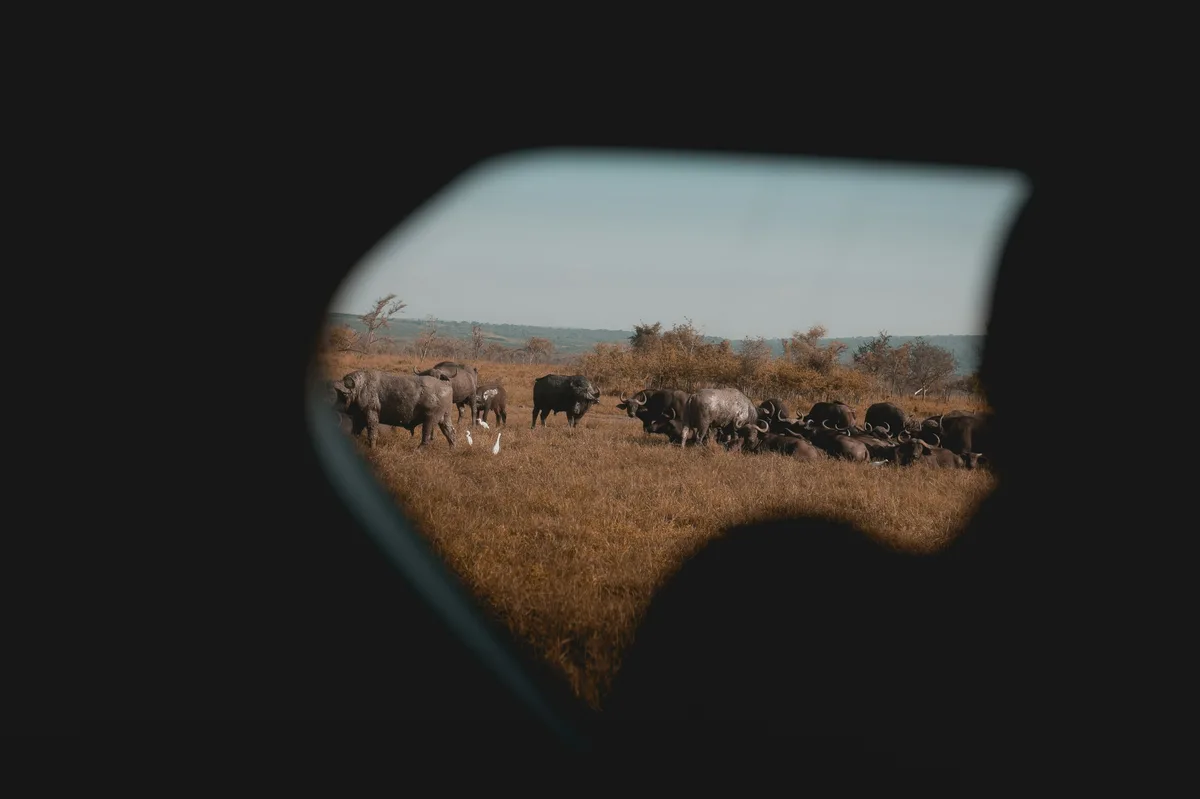
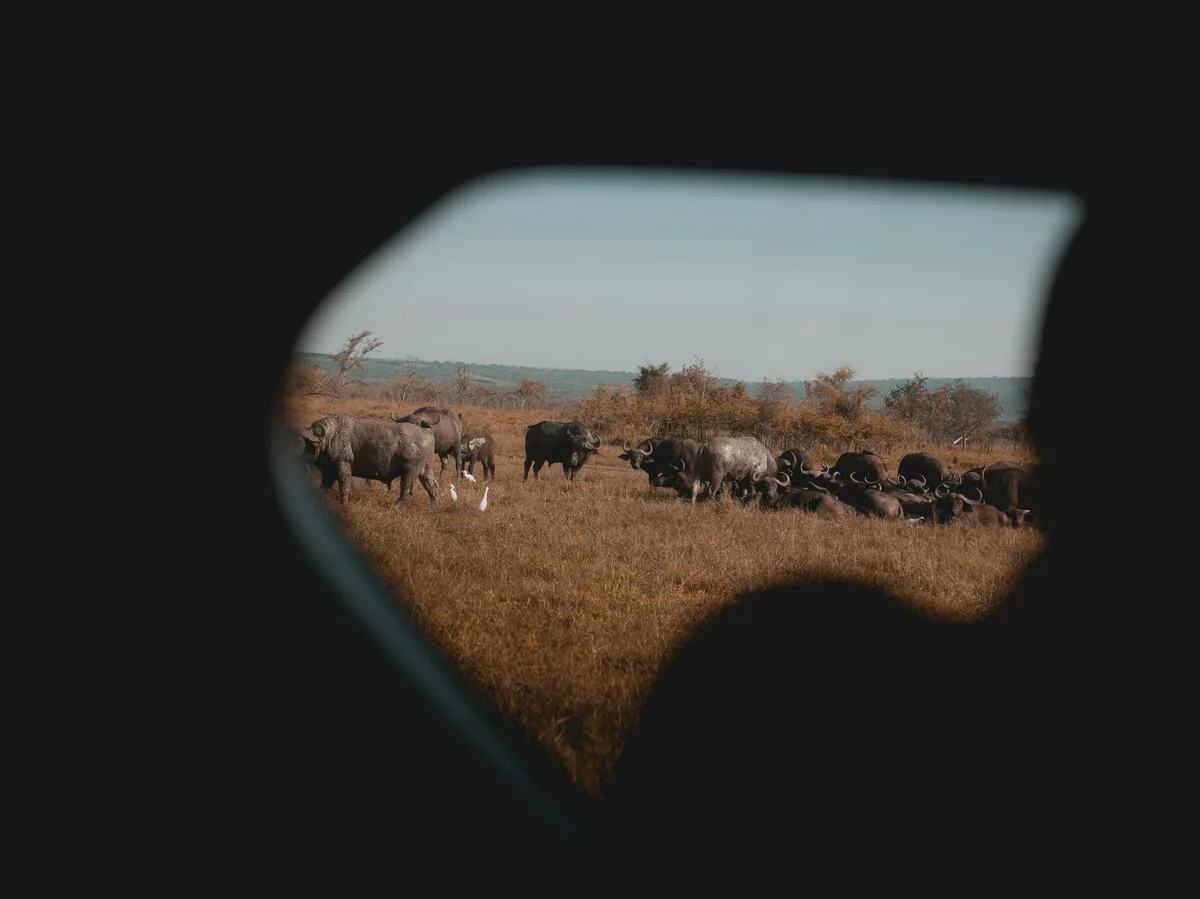
Rwanda's only savanna park, in the country's east along the Tanzanian border, home to the Big Five including lions, elephants, and black rhinos reintroduced after a decades-long absence.
Visitor guide
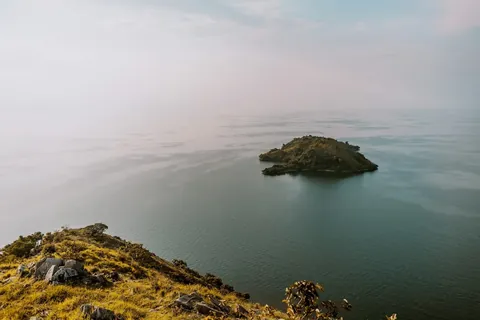
Akagera National Park is a savannah, lake and wetland reserve in eastern Rwanda along the Tanzanian border. Covering about 1,122 square kilometres, it is the country's savannah park and has seen several species returned after local losses.
According to Wikipedia, the park was founded in 1934 by the Belgian government, which then administered Rwanda, and was originally about 2,500 square kilometres. It contains savannah, montane and swamp habitats and is named after the Kagera River, which runs along its eastern boundary and feeds Lake Ihema and several smaller lakes. The lakes and connecting papyrus swamps make up over a third of the park, and Wikipedia describes them as the largest protected wetland in eastern-central Africa. The article does not give a date for the park's reduction in size.
In 2009 the Rwanda Development Board and African Parks signed a 20-year renewable agreement for joint management, and the Akagera Management Company was formed in 2010. Security investments included a 120-kilometre western boundary fence, an air surveillance helicopter, a rhino tracking team and a canine anti-poaching unit. Large mammal numbers are reported to have grown from about 4,000 in 2010 to over 13,500 in 2018, and tourism has expanded over the same period.
Several species have been reintroduced. African wild dogs, which the Belgian government once considered pests, were wiped out by disease, with the last seen in 1984. Lions numbered about 250 to 300 around 1990, but were killed after the 1994 genocide when farmers settled in the park; in July 2015, two male lions were donated by Tembe Elephant Park in South Africa and the population has since grown. Black rhinoceros were introduced from Tanzania in 1957, declined from poaching, and had their last confirmed sighting in 2007. In May 2017, 18 eastern black rhinos were reintroduced from South Africa, with five more arriving in 2019. White rhinoceros were translocated in 2021, and further animals arrived in 2025, according to Wikipedia, though some of these figures are unsourced there.
Masai giraffe were introduced from Kenya in 1986 and numbered 78 in 2024. The park's lakes and papyrus swamps are also listed among Rwanda's Important Bird Areas. The Wikipedia article does not detail the park's other common animals or its birdlife, so visitors should consult the park for a current species list.
The park shows how public-private management can restore wildlife after conflict. Its reintroductions mark a change from the period in which settlement and poaching reduced its large mammals. Wikipedia notes that visitor numbers rose from 8,000 in 2010 to 44,000 in 2018, and that tourism revenue has become an important source of conservation income.
Akagera lies in the east of the country, and its landscape of open plains, lakes and rolling hills differs from the volcanic highlands near Musanze. A private guided visit with a driver and guide suits game drives and lake excursions, and allows time to travel between Kigali and the park.
See every tour and attraction we cover in Rwanda.