TorontoOntario · 36 tours
 Niagara FallsOntario · 25 tours
 New York CityNew York · 30 tours
 Las VegasNevada · 8 tours
 San FranciscoCalifornia · 16 tours
 VancouverBritish Columbia · 17 tours
 DubaiUAE · 54 tours
 Abu DhabiUAE · 5 tours
 Buenos AiresArgentina · 23 tours
 AthensGreece · 31 tours
 AucklandNew Zealand · 38 tours
 CancunMexico · 54 tours
No destinations match “”. Try searching all tours instead — that search understands full questions, not just place names.
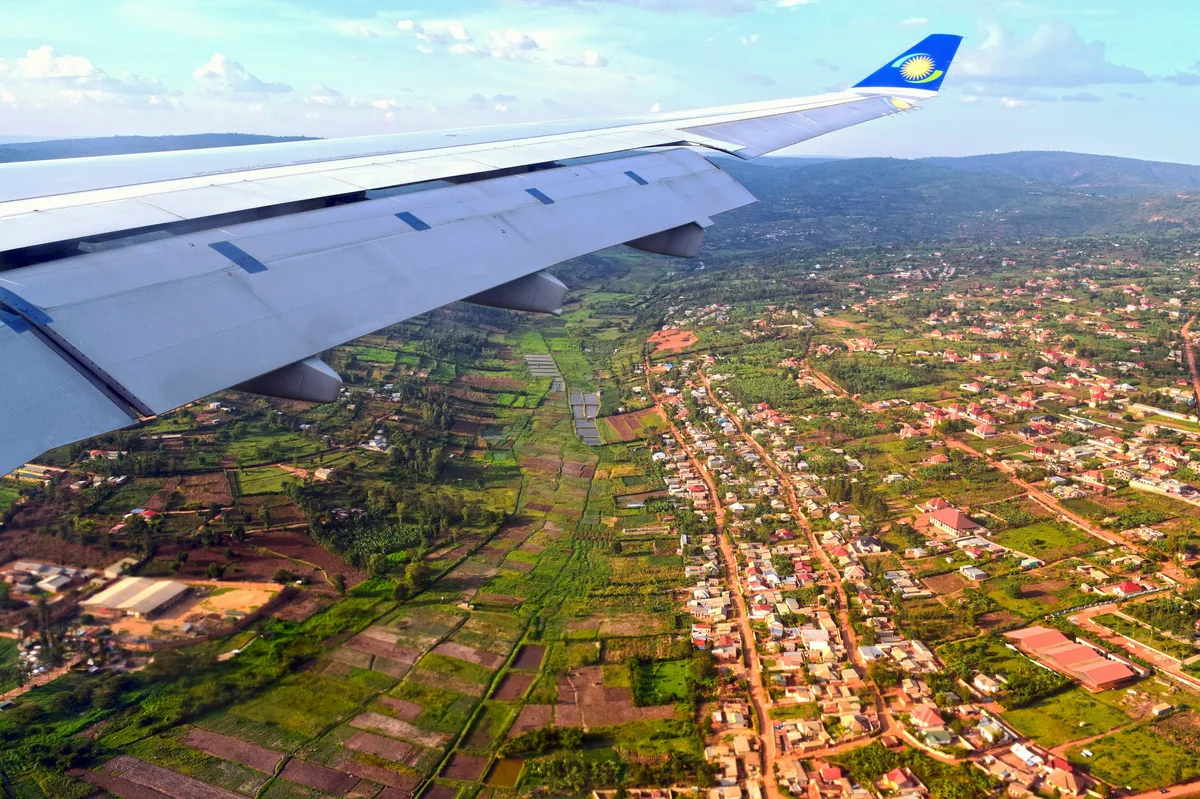
Rwanda's hillside capital, where a city tour typically covers the Kigali Genocide Memorial, the Rwanda National Museum, and Nyamata Church — central to understanding the country's history.
 Multi-Day Tours
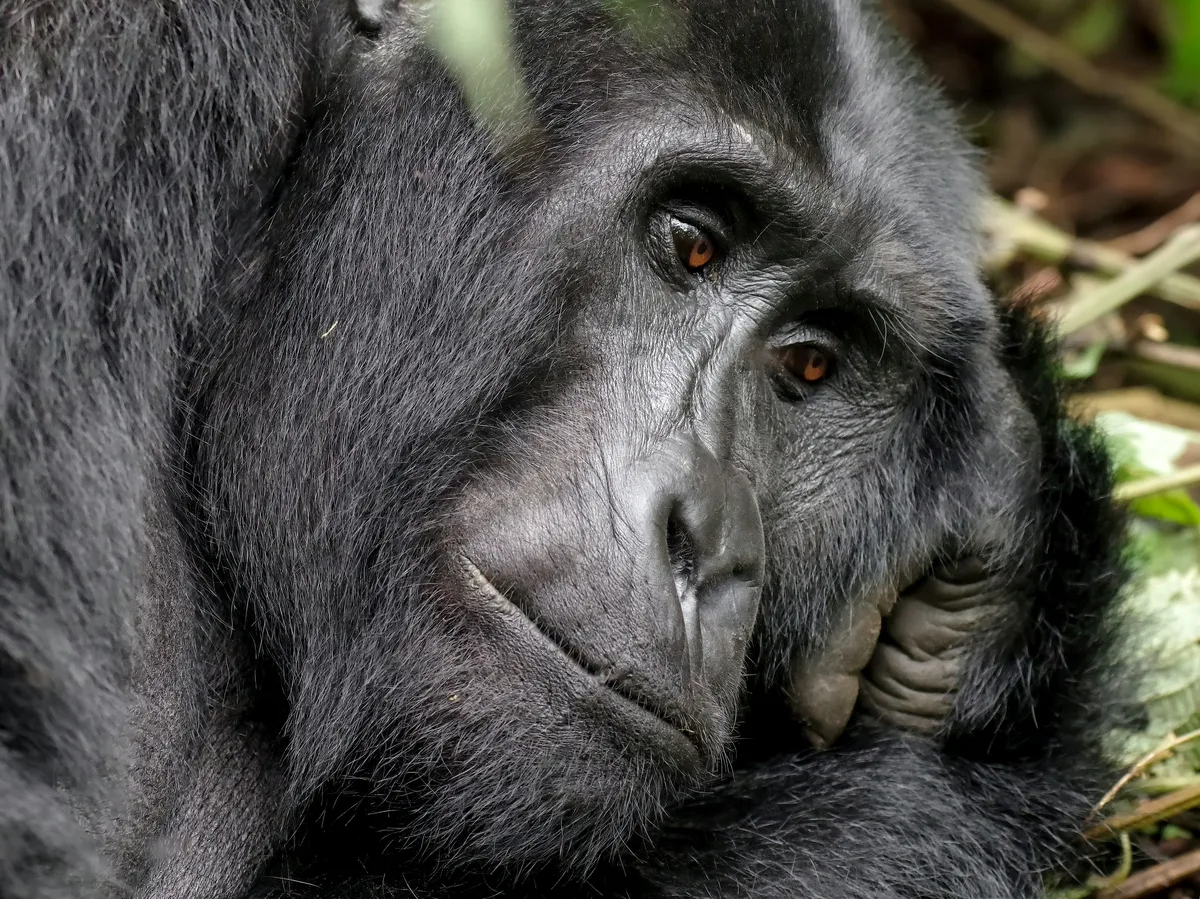
A 12-day route from Kigali across the border into Uganda — mountain gorilla trekking in Mgahinga, tree-climbing lions and a Kazinga Channel cruise in Queen Elizabeth National Park, chimpanzee tracking in Kibale Forest, Murchison Falls, and rhino tracking at Ziwa.
 Multi-Day Tours
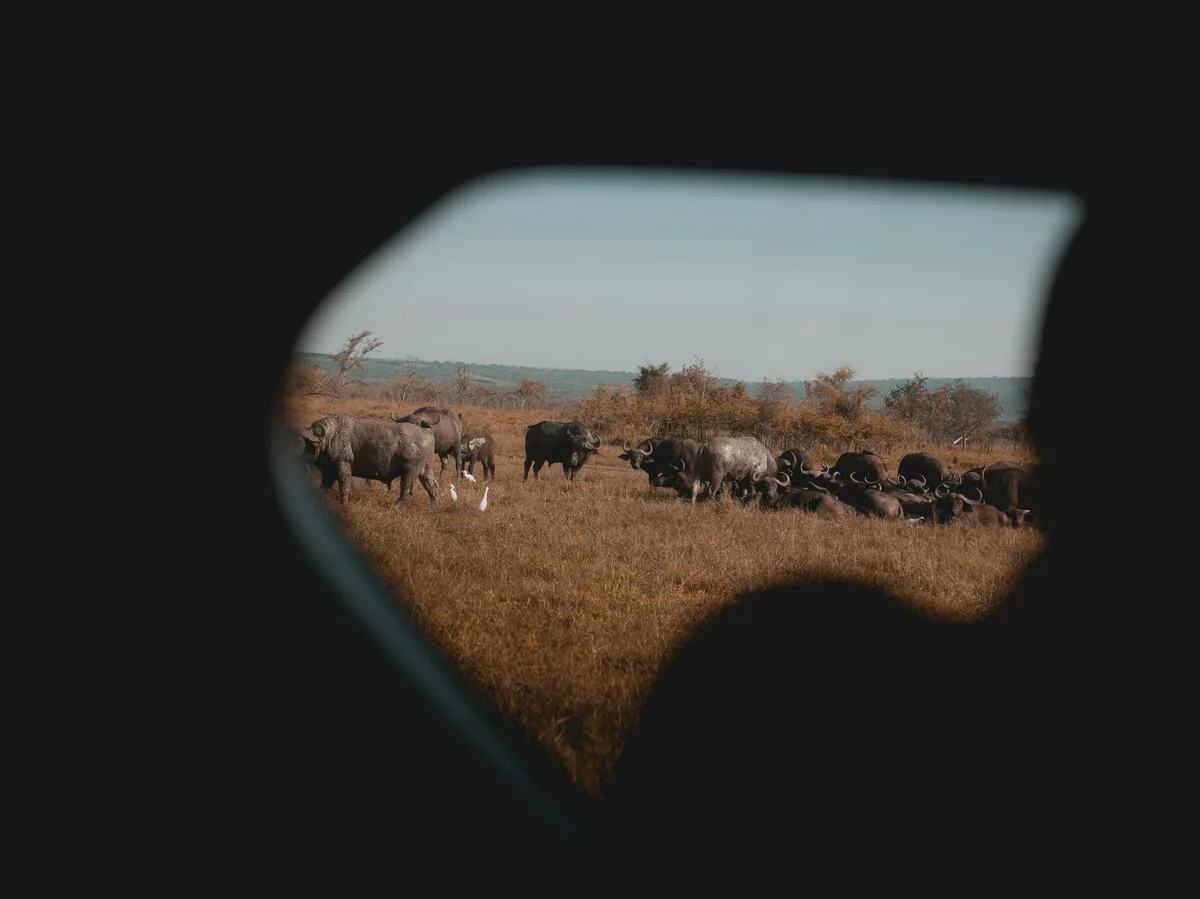
A 20-day Great Lakes safari from Rwanda into Uganda — Akagera and Volcanoes National Parks, golden monkey and mountain gorilla tracking, the crater lakes around Kisoro, Lake Bunyonyi, Lake Mburo, tree-climbing lions, chimpanzee tracking, and Murchison Falls.
Visitor guide
Kigali is the capital and largest city of Rwanda, set on a series of hills near the centre of the country. It is the country's political, economic and cultural hub, and a city visit commonly includes the Kigali Genocide Memorial, which tells the story of the 1994 genocide against the Tutsi.
According to Wikipedia, Kigali covers about 730 square kilometres at an average elevation of 1,567 metres, with a population of 1,745,555 at the 2022 census. Its landscape is one of rolling hills, with neighbourhoods spread across ridges and valleys joined by steep slopes. Mount Kigali reaches 1,853 metres and Mount Jali 2,071 metres. The climate is tropical savanna moderated by altitude, with average daily temperatures of about 15 to 27 degrees Celsius and two rainy seasons.
German administrator Richard Kandt chose a site on Nyarugenge Hill for his headquarters in 1907, citing its central location, views and security. Belgian forces took control during the First World War, and at independence in 1962 Kigali had only about 6,000 residents. It became the national capital, chosen over Nyanza and Butare mainly for its more central location. The city is divided into three districts, Gasabo, Kicukiro and Nyarugenge, and hosts most national government offices.
In April 1994, the death of President Juvenal Habyarimana when his plane was shot down near Kigali airport triggered the Rwandan genocide. Fighting in the city ended when the Rwandan Patriotic Front took control on 4 July 1994, a date now commemorated as Liberation Day. The Kigali Genocide Memorial in the Gisozi area was inaugurated in April 2004, on the tenth anniversary, and is managed by the Aegis Trust for Rwanda's national commission. Remains of about 250,000 victims are interred in its grounds, and Wikipedia says UNESCO inscribed it in 2023 as part of the memorial sites of the 1994 genocide. Its exhibitions place the events in the context of Rwanda's history and other genocides. Visitors should expect a sombre experience and plan time accordingly.
The central business district on Nyarugenge Hill holds the 20-storey Kigali City Tower and major banks. Nyamirambo, southwest of the centre and built in the 1920s, is known as the Muslim Quarter and has a Green Mosque dating to the 1930s. Kigali has been described in recent years as the cleanest city in Africa, and hosts the Kigali Convention Centre. Music, dance and film are part of its culture; the Kigali Up festival has been held annually since 2011.
Two other sites often grouped with a Kigali visit lie outside the city. The national museum, now called the Ethnographic Museum, is in Huye, roughly 130 kilometres from Kigali according to travel sources, and opened in 1989 with help from the Belgian government. Nyamata Church lies in the Bugesera district about 35 kilometres from Kigali and has been preserved as a genocide memorial. These sites are outside the city and are typically visited as separate excursions.
A private guided visit with a driver lets visitors move between hilltop districts, memorials and markets at a measured pace, with time for reflection at the memorial.
See every tour and attraction we cover in Rwanda.