TorontoOntario · 36 tours
 Niagara FallsOntario · 25 tours
 New York CityNew York · 30 tours
 Las VegasNevada · 8 tours
 San FranciscoCalifornia · 16 tours
 VancouverBritish Columbia · 17 tours
 DubaiUAE · 54 tours
 Abu DhabiUAE · 5 tours
 Buenos AiresArgentina · 23 tours
 AthensGreece · 31 tours
 AucklandNew Zealand · 38 tours
 CancunMexico · 54 tours
No destinations match “”. Try searching all tours instead — that search understands full questions, not just place names.
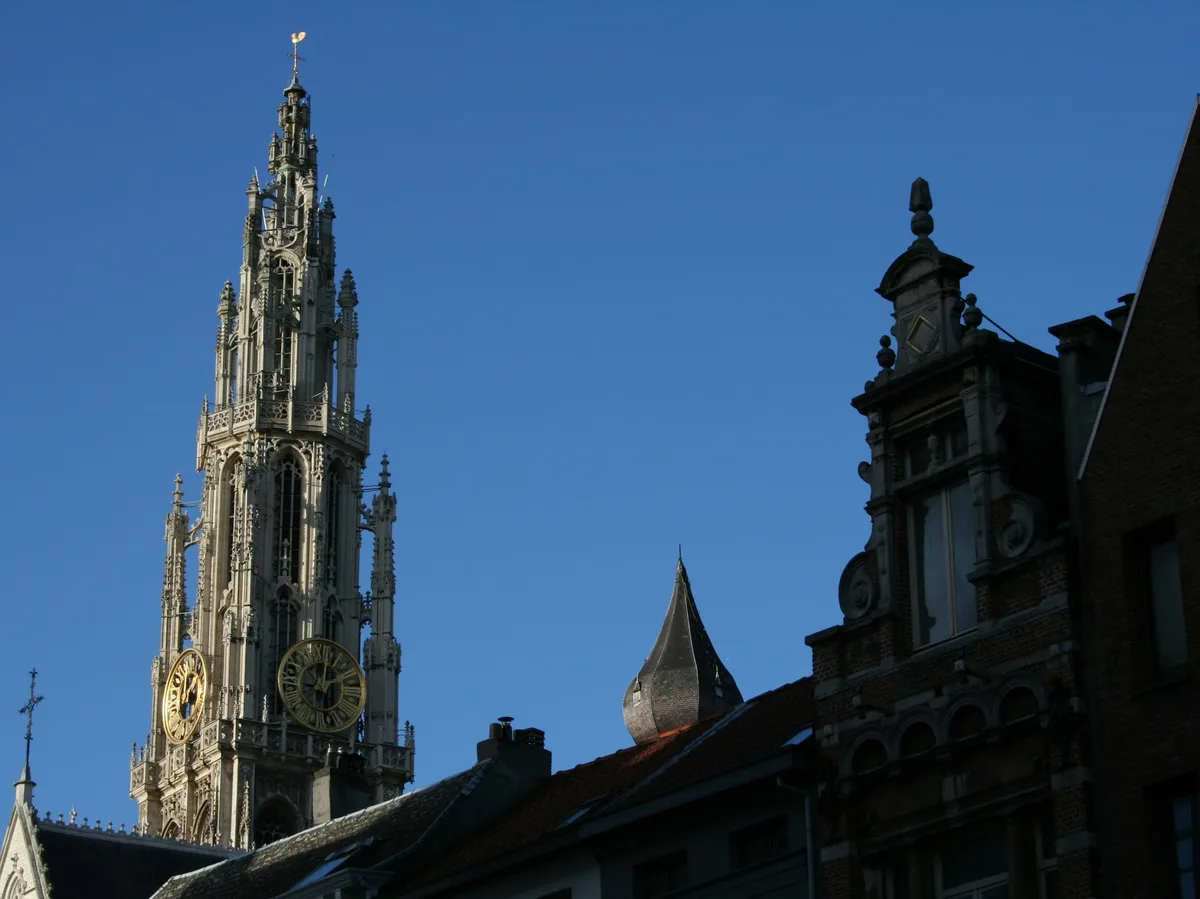
Belgium's largest Gothic cathedral, home to four major works by Peter Paul Rubens and a spire that has watched over Antwerp's old town since the 15th century.
 Multi-Day Tours
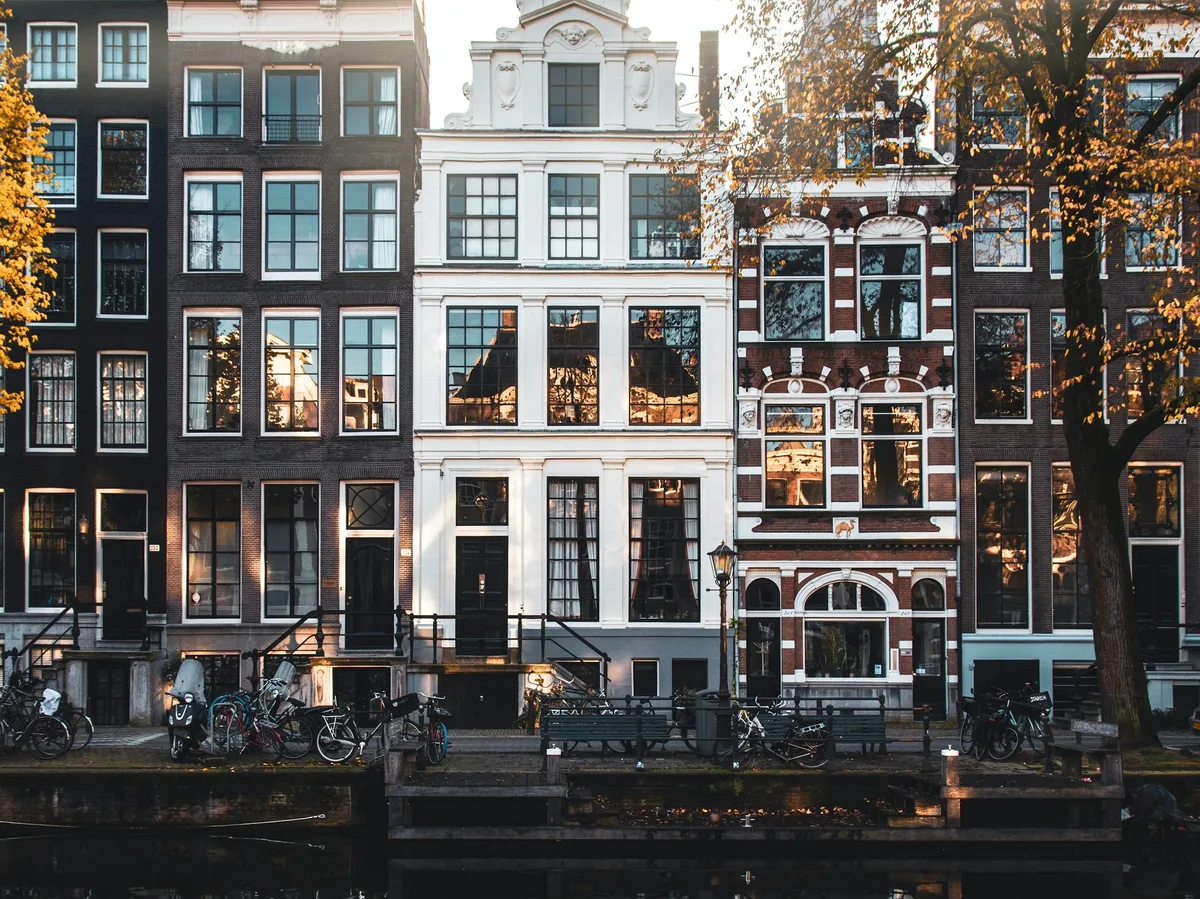
A 10-day private circuit that opens in Amsterdam and the Dutch countryside before crossing into Belgium for Antwerp, Bruges, and Ghent — canals, windmills, chocolate, and Gothic market squares.
 Multi-Day Tours
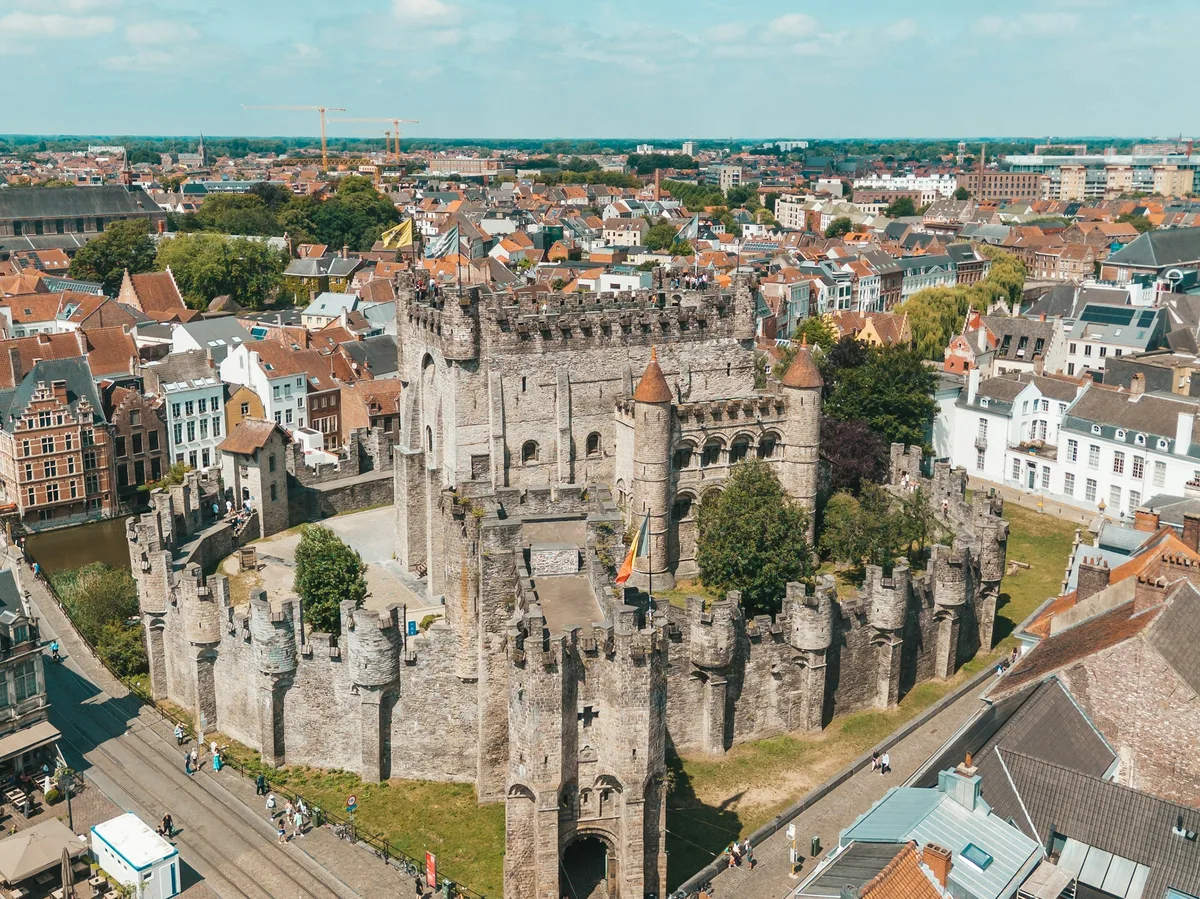
A 12-day, unhurried private circuit — six nights based in Amsterdam, then five nights based in Ghent with easy day trips to Antwerp and Bruges, built for travelers who prefer fewer hotel changes.
Visitor guide
The Cathedral of Our Lady in Antwerp is a Gothic cathedral in the old town of the Belgian city, described by Wikipedia as the largest Gothic church in Belgium. Its single completed spire reaches 123 metres, and the building shelters major paintings by Peter Paul Rubens.
Wikipedia traces Antwerp's first parish church to the 7th century missionaries, and records that in 1124 Norbert of Xanten converted part of the church's canons into a Norbertine abbey, while the others moved to a chapel dedicated to Our Lady. That chapel was replaced by a much larger Romanesque church, and a 1294 extension showed the first signs of Gothic architecture.
Construction of the Gothic church began in 1352, with two planned towers of equal height, and the first stage ended in 1521, nearly 170 years later. The design is credited to Jan and Pieter Appelmans. The cathedral was never fully completed: the south tower rose only to the third string course, at around 65 metres, and work on the second tower was abandoned after a fire on the night of 5 to 6 October 1533 that destroyed 57 altars.
The finished north spire, at 123 metres, is described as the tallest church tower in the Benelux. Wikipedia records that Charles V reportedly said it should be kept under glass and that Napoleon compared it to Mechlin lace. Inside, the building is 118 metres long and the nave is 53.5 metres wide, with seven aisles, 125 pillars and 128 windows, 55 of them stained glass. The 19th-century Schyven organ has 90 registers and 5,770 pipes.
The cathedral is known for four works by Rubens: The Raising of the Cross (1610 to 1611), the Descent from the Cross triptych (1612 to 1614), The Assumption of the Virgin (1626) and The Resurrection of Christ. The Raising of the Cross was originally the main altarpiece of St. Walburga's church in Antwerp, and it was taken to France under Napoleon along with the Descent from the Cross before returning in the 19th century. The Assumption of Mary by Cornelis Schut dates from 1648.
On 20 August 1566 Protestants destroyed much of the interior during the Beeldenstorm, and the Welsh merchant Richard Clough, who witnessed it, described the scene as like a hell with above 10,000 torches burning. After Antwerp came under Protestant control in 1581 more artworks were destroyed, removed or sold. French revolutionaries plundered the cathedral in 1794, and German soldiers looted it in 1914, taking treasures to Berlin until the 1918 armistice. A major restoration took place in the 19th century and a complete restoration between 1965 and 1993.
The carillon has 49 bells. The largest, Karolus, weighs 6,434 kilograms and was cast in 1507 by Willem and Jaspar Moer, then consecrated that August in the presence of the future Emperor Charles V, after whom it is named. The cathedral's belfry is part of the UNESCO listing Belfries of Belgium and France, inscribed in 1999.
The cathedral stands in the heart of Antwerp's old town, so it combines easily with a walk through the surrounding streets. A private guided visit lets you take time with the Rubens works and the architecture without a fixed group schedule.
See every tour and attraction we cover in Belgium.