TorontoOntario · 36 tours
 Niagara FallsOntario · 25 tours
 New York CityNew York · 30 tours
 Las VegasNevada · 8 tours
 San FranciscoCalifornia · 16 tours
 VancouverBritish Columbia · 17 tours
 DubaiUAE · 54 tours
 Abu DhabiUAE · 5 tours
 Buenos AiresArgentina · 23 tours
 AthensGreece · 31 tours
 AucklandNew Zealand · 38 tours
 CancunMexico · 54 tours
No destinations match “”. Try searching all tours instead — that search understands full questions, not just place names.
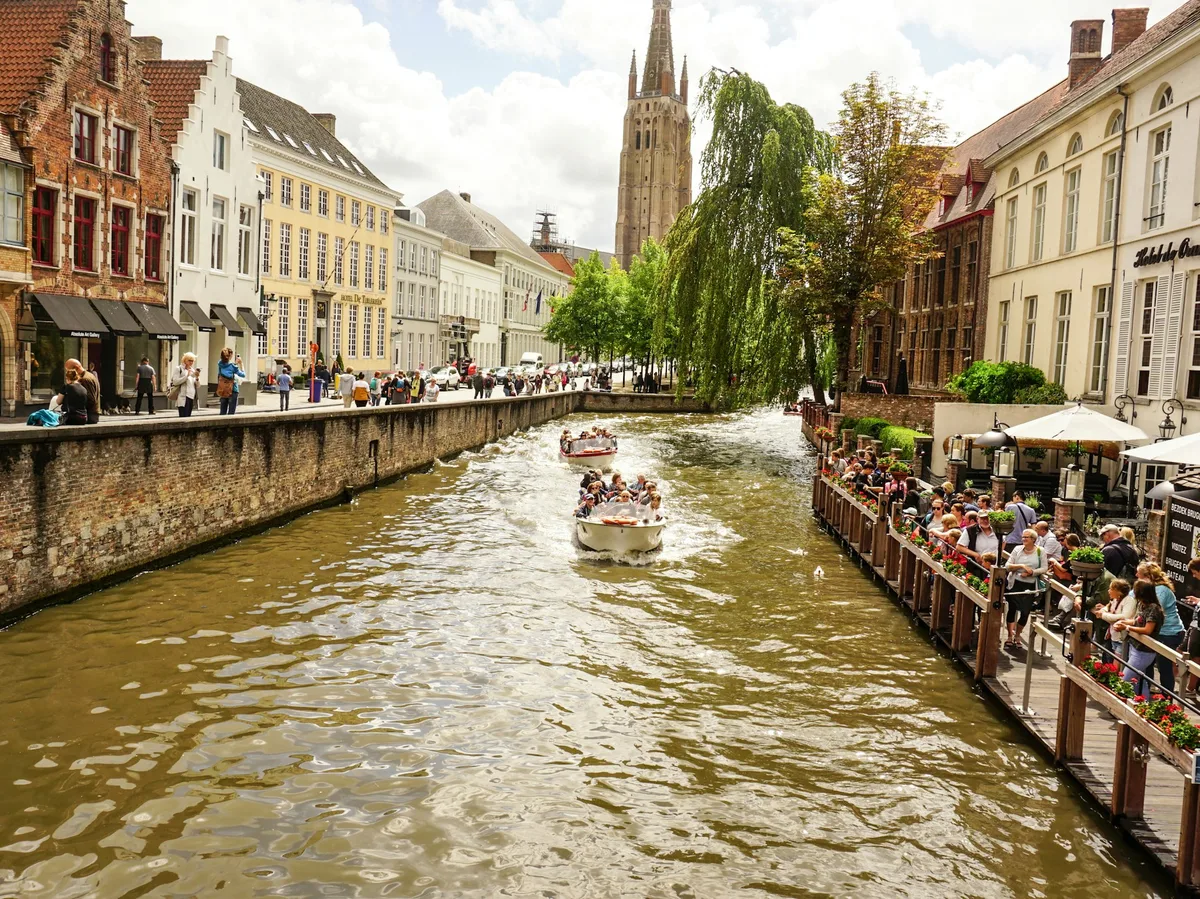
The cobbled lanes and canals of Bruges' medieval old town, centered on the Markt square and its 13th-century Belfry — one of the best-preserved historic centers in Europe.
 Multi-Day Tours
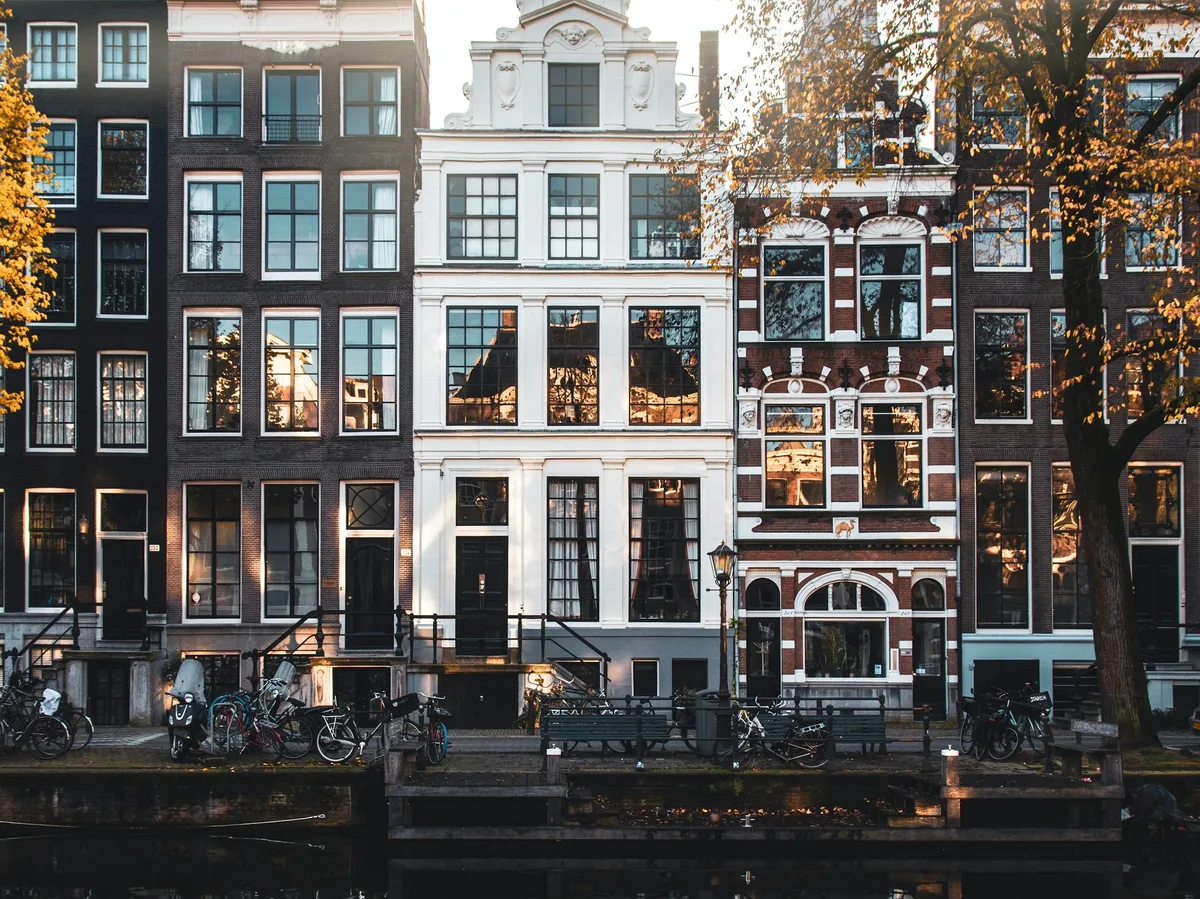
A 10-day private circuit that opens in Amsterdam and the Dutch countryside before crossing into Belgium for Antwerp, Bruges, and Ghent — canals, windmills, chocolate, and Gothic market squares.
 Multi-Day Tours Popular Pick
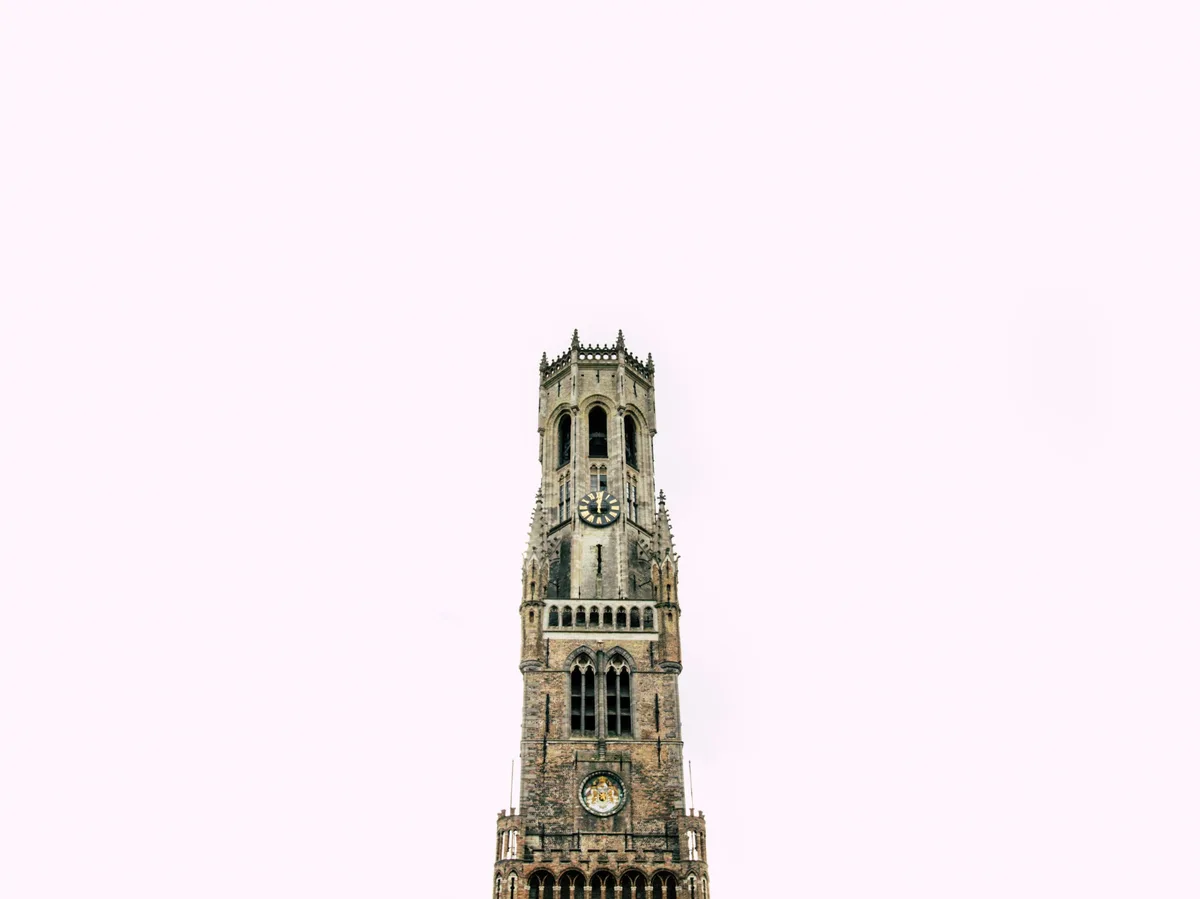
A 9-day private tour through Belgium's four great cities — Antwerp, Ghent, Bruges, and Brussels — built around guided walking and food tours, chocolate, and Flemish architecture, entirely within Belgium.
 Multi-Day Tours
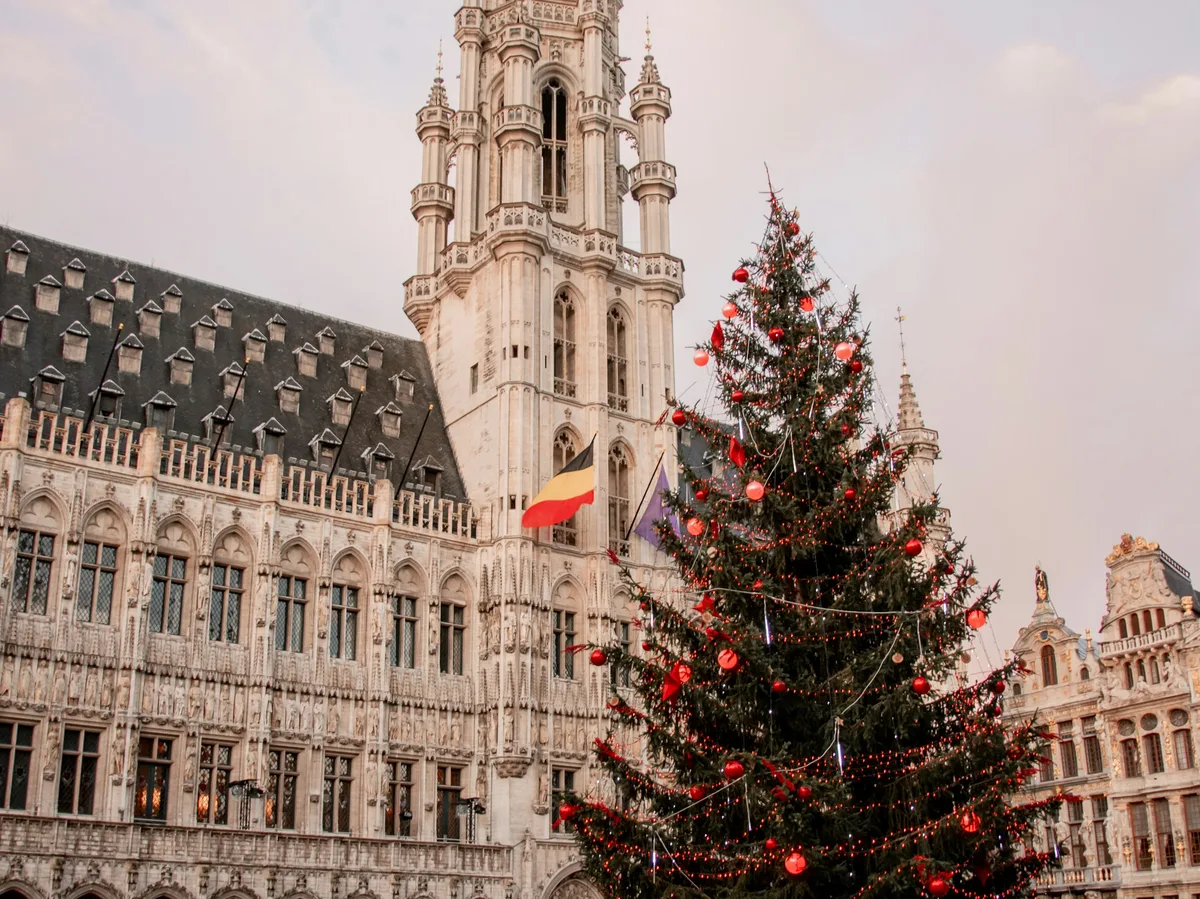
A 7-day private winter tour through Bruges, Ghent, and Brussels, timed to Belgium's Christmas markets — mulled wine, chocolate, ice skating, and Gothic squares lit up for the season.
Visitor guide
The Historic Centre of Bruges is the medieval core of the capital of West Flanders in Belgium, an oval of roughly 430 hectares ringed by canals and inscribed on the UNESCO World Heritage List in 2000. At its heart are the Markt square, with its 13th-century Belfry, and the neighbouring Burg, home to the City Hall.
The name Bruges first appears as Brugis in an inventory of Saint Bavo's Abbey dated 851 to 864, and the city received its charter in 1128. According to Wikipedia, silting cut it off from the sea after about 1050, but a storm in 1134 opened a channel at the Zwin that reached as far as Damme and let ships return. Bruges then sat at the crossroads of northern Hanseatic trade, which maintained a kontor there, and Genoese fleets arrived in 1277. The Bourse opened in 1309 and is described as possibly the world's first stock exchange.
Politics were as turbulent as trade. In 1302 the local militia massacred the French garrison, an event known as the Bruges Matins, and later that year the Flemish defeated the French at the Battle of the Golden Spurs. Statues of the leaders, Jan Breydel and Pieter de Coninck, stand on the Markt. By around 1350 the population reached at least 46,000.
In the 15th century Philip the Good established a court in Bruges, and Flemish oil-painting techniques gained international fame. William Caxton is recorded as printing the first English book here. The Groeningemuseum holds works by Jan van Eyck and Hans Memling, and the Gruuthusemuseum occupies the house of Louis de Gruuthuse.
Silting resumed around 1500, ending the golden age. After the Spanish Netherlands seceded in 1584, Antwerp overtook Bruges as the region's economic leader, and the city grew impoverished in the 17th century, although its lace industry flourished. That long stagnation is a large reason the medieval fabric survived largely untouched.
The canals that give Bruges its nickname, the Venice of the North, form a main circle that locals call the egg. Within it stand the Church of Our Lady, whose brick spire of about 115.6 metres is described as the world's second-highest brick tower and which houses Michelangelo's Madonna and Child, and the Basilica of the Holy Blood, which keeps a relic said to have been brought after the Second Crusade. Saint Salvator's Cathedral honours the city's patron saint, Donatian of Reims. The 13th-century Ten Wijngaerde Beguinage is a separate UNESCO listing among the Flemish Beguinages, and surviving city gates include the Kruispoort and the Gentpoort.
Bruges became one of the world's first tourist destinations in the late 19th century, helped by George Rodenbach's 1892 novel Bruges-la-Morte, which cast the city as a character. It was spared major damage in both world wars and was liberated by Canadian troops in September 1944. Restoration of the medieval core after 1965 supported a tourism boom, and Bruges was European Capital of Culture in 2002.
The old town is compact and best explored at an unhurried pace along the quieter canals away from the Markt. A private guided visit can link the squares, churches and quiet courtyards in an order that suits your group.
See every tour and attraction we cover in Belgium.