TorontoOntario · 36 tours
 Niagara FallsOntario · 25 tours
 New York CityNew York · 30 tours
 Las VegasNevada · 8 tours
 San FranciscoCalifornia · 16 tours
 VancouverBritish Columbia · 17 tours
 DubaiUAE · 54 tours
 Abu DhabiUAE · 5 tours
 Buenos AiresArgentina · 23 tours
 AthensGreece · 31 tours
 AucklandNew Zealand · 38 tours
 CancunMexico · 54 tours
No destinations match “”. Try searching all tours instead — that search understands full questions, not just place names.
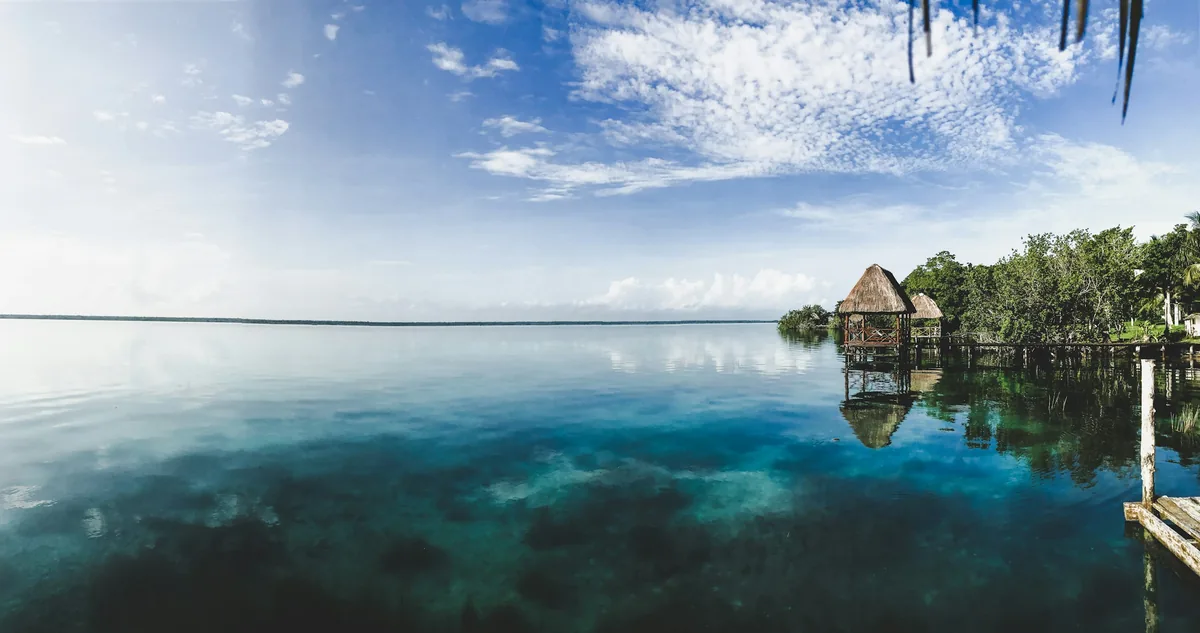
A freshwater lagoon in Quintana Roo state known as the 'Lagoon of Seven Colors' for the shifting shades of blue and turquoise created by its varying depths, popular for swimming and kayaking.
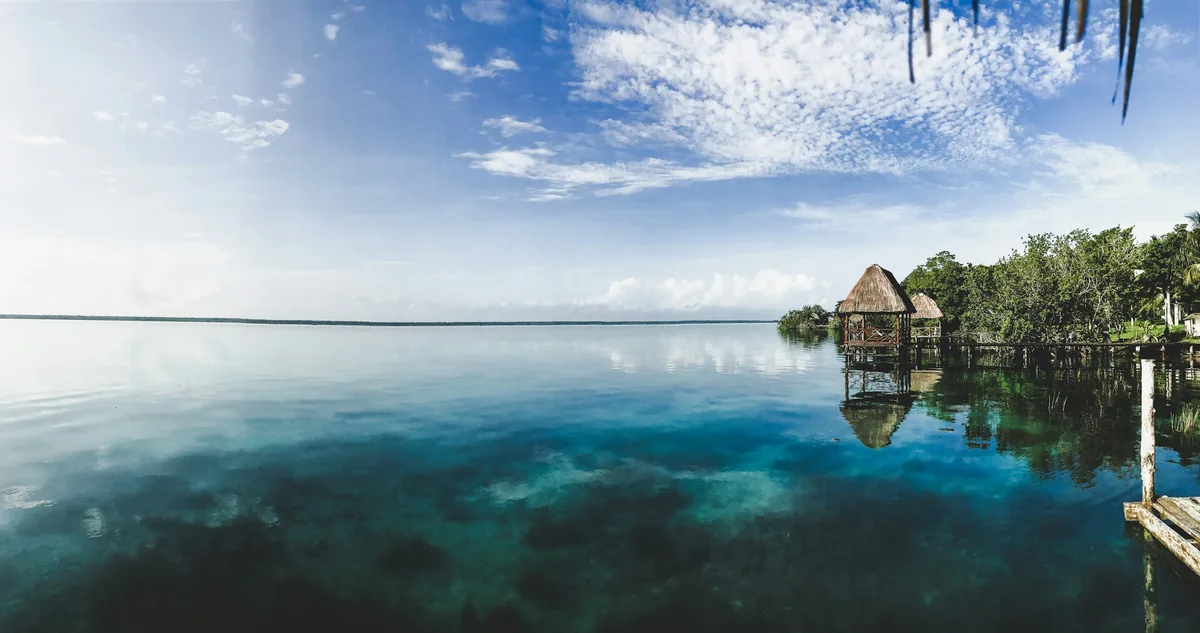 Multi-Day Tours
A 9-day journey through the eco-tourism villages of the Yucatan Peninsula, from the Mayan community of Ek Balam to two nights on the shores of Bacalar's Lagoon of Seven Colors.
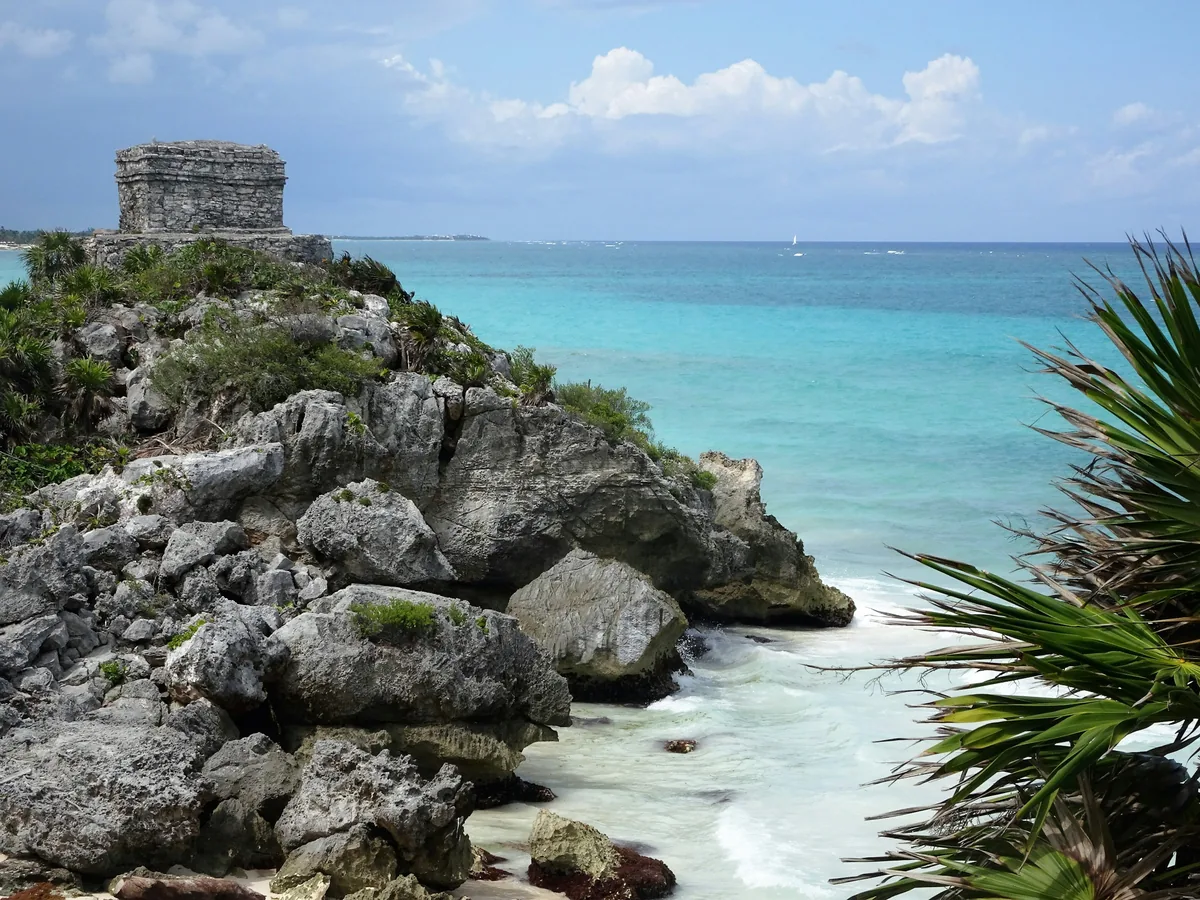 Multi-Day Tours
A 13-day Yucatan route from Cancun's Riviera through Chichen Itza, Uxmal, remote Calakmul, Bacalar, and Tulum, built around Mayan communities, cenotes, and the Sian Ka'an Biosphere Reserve.
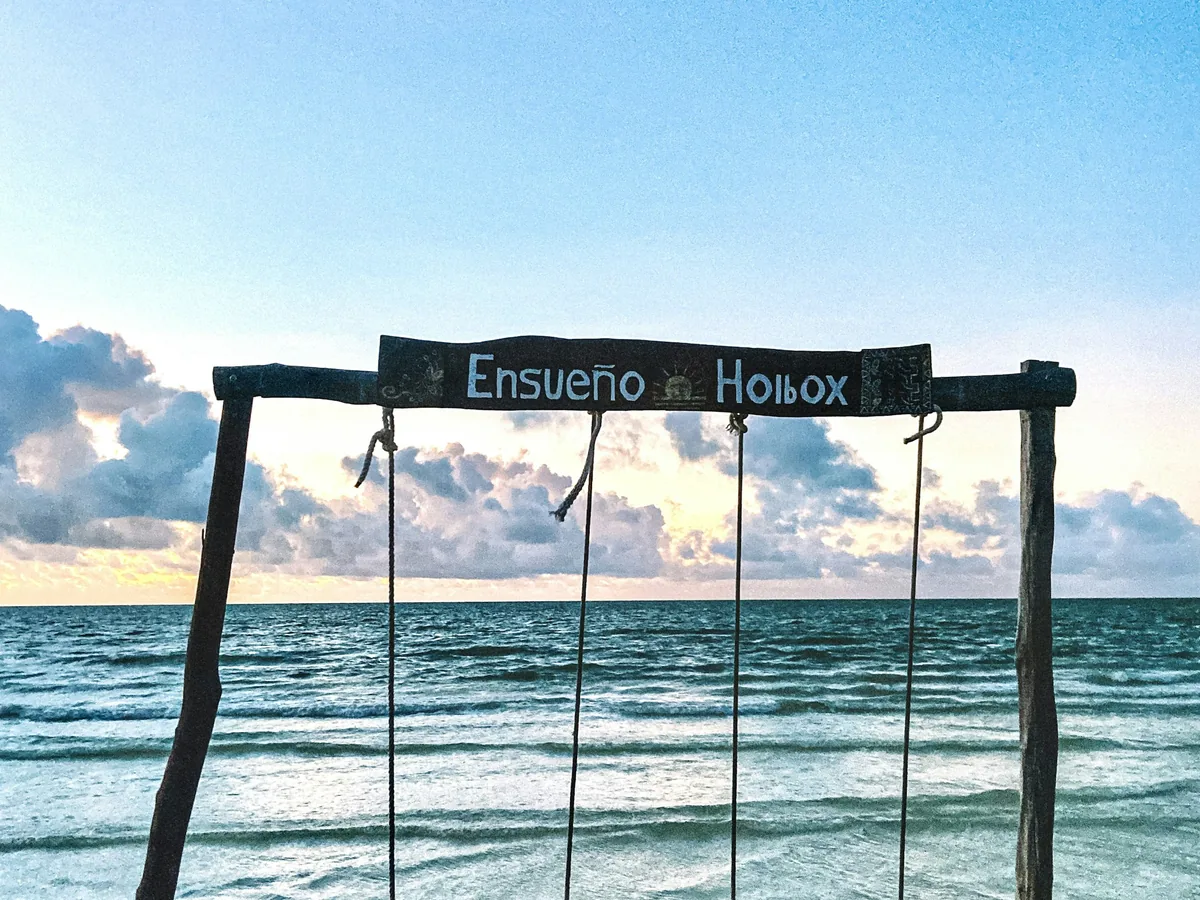 Multi-Day Tours
A 20-day journey through Chiapas's canyons and Mayan sites at Palenque, Bonampak, and Calakmul, before eight days of pure relaxation on the car-free island of Holbox.
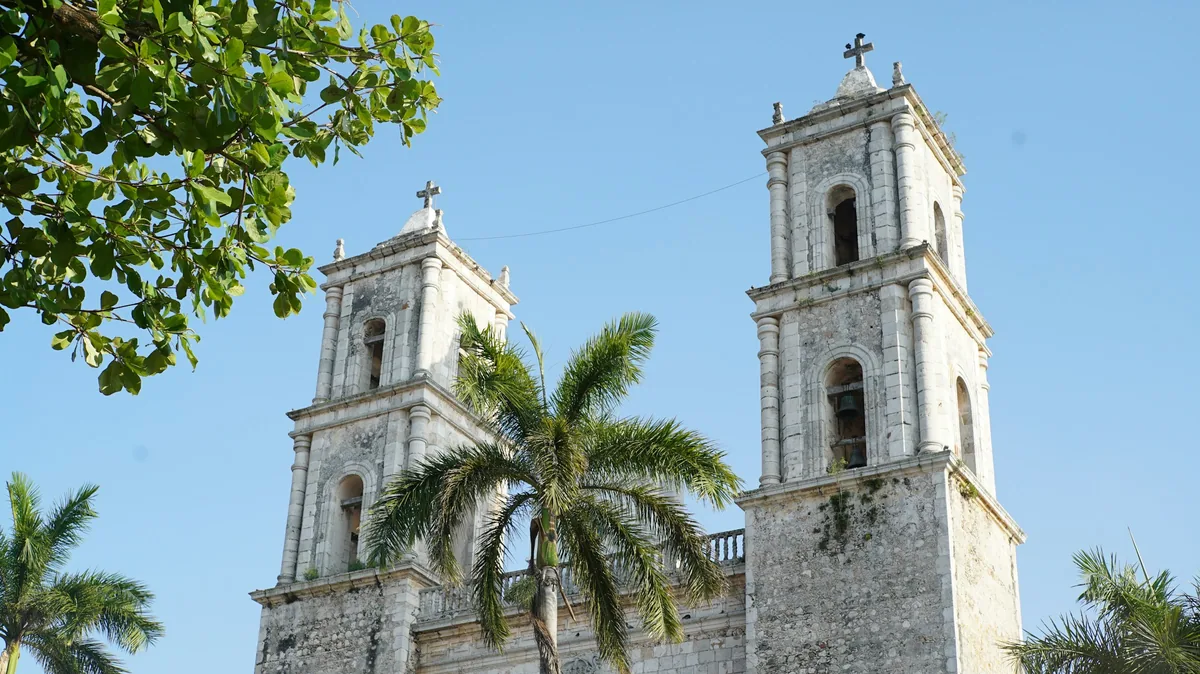 Multi-Day Tours
A private-guided 13-day route through Yucatan Mayan communities, cenotes, and remote Calakmul, from Ek Balam and Chichen Itza to Bacalar and the Sian Ka'an Biosphere Reserve.
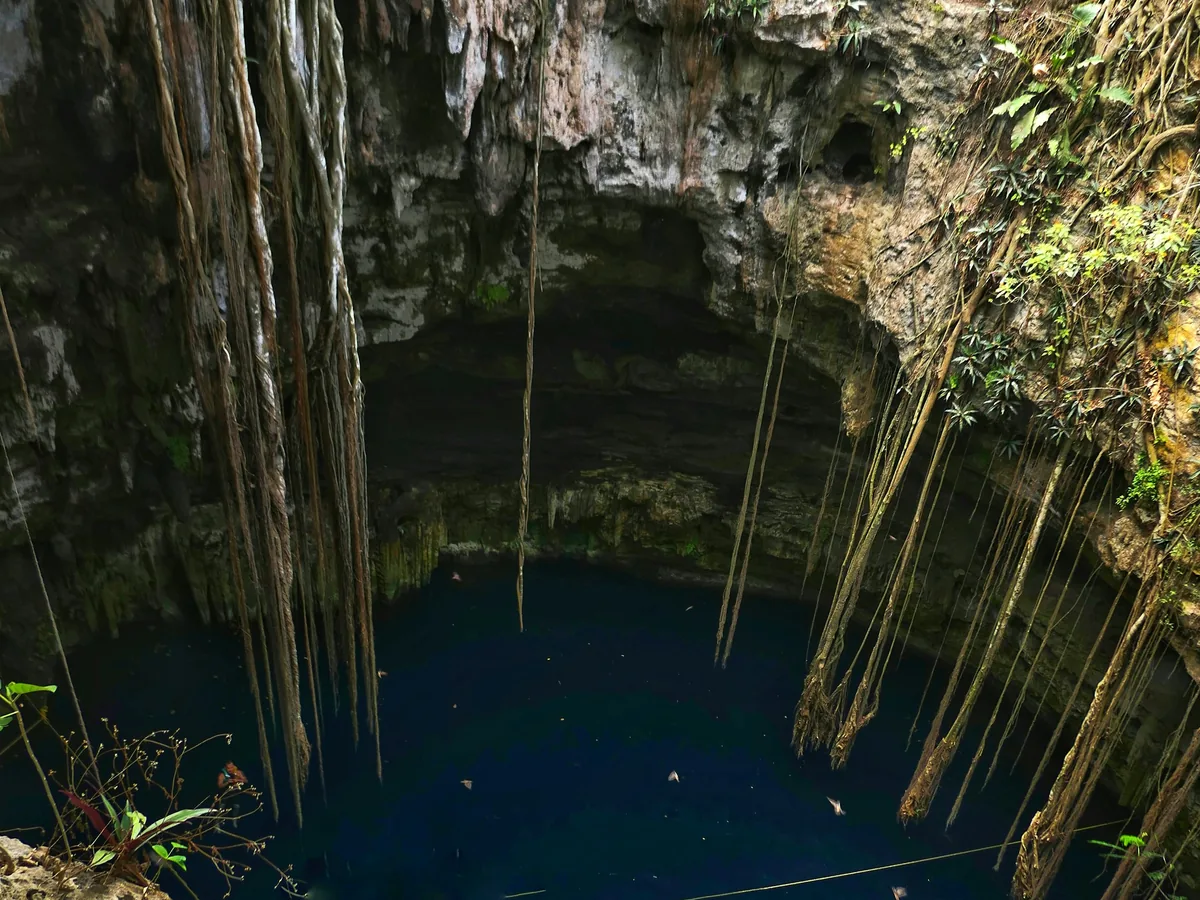 Multi-Day Tours
A 9-day Yucatan route from Puerto Morelos through Valladolid, Chichen Itza, remote Calakmul, and the Lagoon of Seven Colors at Bacalar, with cenote swimming and Mayan craft workshops along the way.
Visitor guide
Bacalar Lagoon, also called Lake Bacalar and popularly known as the Lagoon of Seven Colors, is a long, narrow freshwater lake in Quintana Roo, in southeastern Mexico near the border with Belize. It lies beside the town of Bacalar, about 40 kilometers north of Chetumal, and is known for its clear water and shifting shades of blue.
The Yucatan Peninsula is made of porous limestone, which leaves it with almost no surface lakes, so Bacalar stands out. According to Wikipedia, the lake is about 60 kilometers long from north to south and up to 2 kilometers wide, making it Mexico's second-largest freshwater lake after Lake Chapala. Its surface sits only a few meters above sea level, the average depth is given as 15 to 18 meters, and the deepest point, in Cenote Negro, reaches about 55 meters. The lake contains a few islands, and its outflow is a mangrove-lined river that joins the Rio Hondo.
The water is fed by underground rivers, and the lake is described as part of a larger cave and tunnel system beneath the peninsula. Its white limestone bottom is credited with part of the clarity and the bright blue color, and the variation in depth produces the bands of turquoise, blue and green that give the lagoon its popular nickname.
The lake hosts a large population of stromatolites, cauliflower-like formations built up by microbial communities. These structures are among the oldest forms of life on the planet and exist in only a handful of places worldwide. The ecosystem is sensitive: in November 2015 Mexico's federal environmental protection agency issued a pollution alert for the lake, attributed to illegal dumping and inadequate wastewater treatment. For this reason visitors are generally encouraged to respect local rules about sunscreen, stepping on microbial formations and waste.
The town of Bacalar sits on the lake's western shore. Its name most likely comes from Mayan words meaning surrounded by reeds, and Wikipedia says it was a Maya settlement in pre-Columbian times, founded around 415 AD under the name Sian Ka'an Bakhalal. Spanish forces took the town in 1543 and 1544, and in 1545 Gaspar Pacheco founded a Spanish town called Salamanca de Bacalar. Pirates sacked the settlement in the 17th century, and the Fortress of San Felipe Bacalar was completed in 1729 in response. During the Caste War of Yucatan, Maya forces from Chan Santa Cruz captured the town in 1848, and Mexican forces retook it in 1902.
Bacalar was designated a Pueblo Magico, or Magic Town, by the Mexican government in 2006, and it became its own municipality in 2011. The 2020 population of the town is given as 12,572. A Tren Maya station serving Bacalar opened in October 2024, according to Wikipedia.
Tropical jungle surrounds the lagoon, with vacation homes along parts of the shoreline. A cenote known as Cenote Azul, or the Blue Cenote, is often listed among the area's attractions, though Wikipedia gives few details about it. The lake is calm and the shoreline is largely sandy or rocky rather than surf-swept, which makes the water the main draw.
The region is hot and humid for much of the year, and the water color tends to look strongest in bright, clear conditions. A private guided visit with a driver is a practical way to combine the lagoon, the fort and the waterfront in one outing without worrying about logistics.
See every tour and attraction we cover in Mexico.