TorontoOntario · 36 tours
 Niagara FallsOntario · 25 tours
 New York CityNew York · 30 tours
 Las VegasNevada · 8 tours
 San FranciscoCalifornia · 16 tours
 VancouverBritish Columbia · 17 tours
 DubaiUAE · 54 tours
 Abu DhabiUAE · 5 tours
 Buenos AiresArgentina · 23 tours
 AthensGreece · 31 tours
 AucklandNew Zealand · 38 tours
 CancunMexico · 54 tours
No destinations match “”. Try searching all tours instead — that search understands full questions, not just place names.
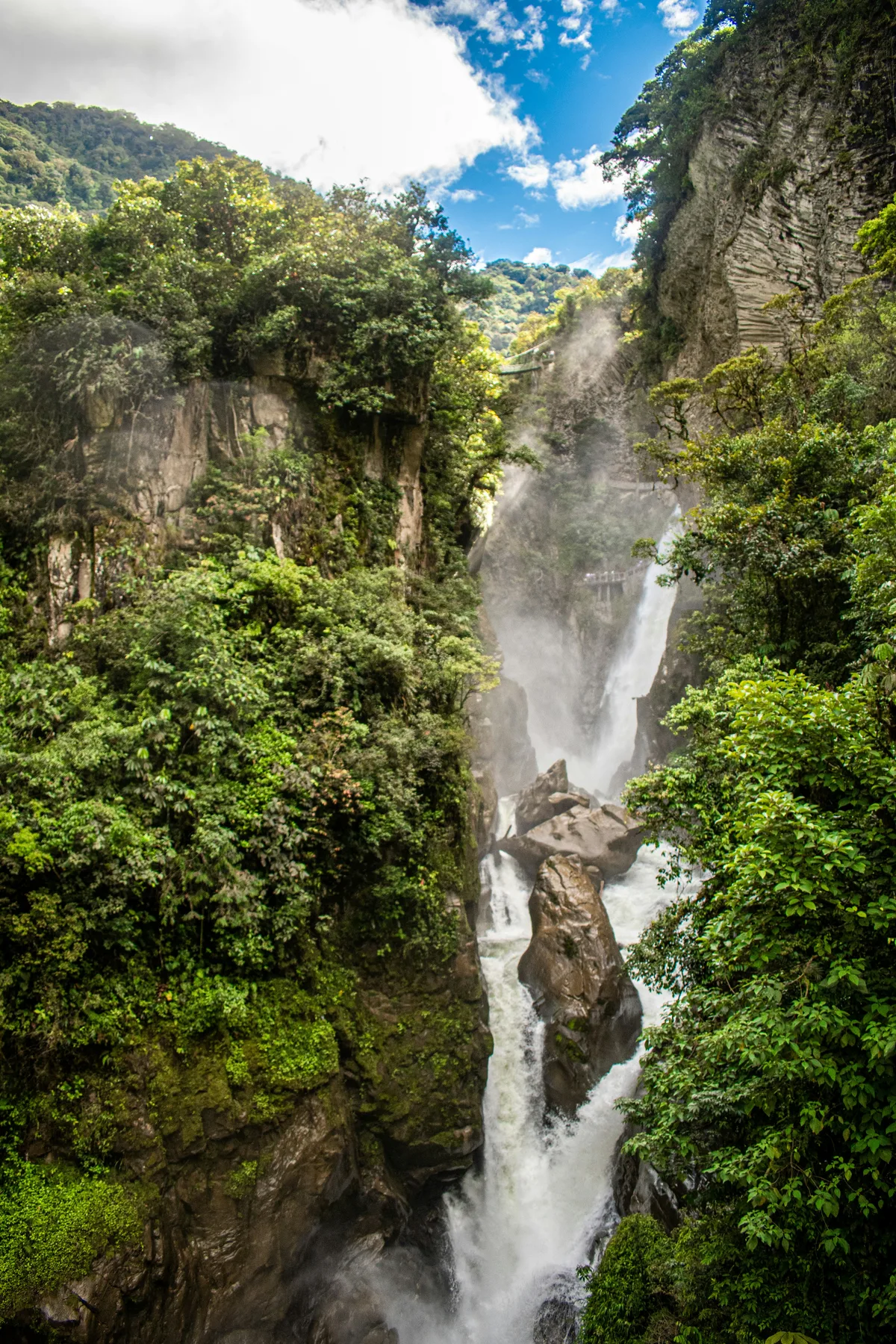
A small Andean town wedged in a valley below the Tungurahua volcano, built around thermal hot springs and known as Ecuador's adventure-sports base for canyoning, rafting, and waterfall routes like the Pailon del Diablo.
 Multi-Day Tours
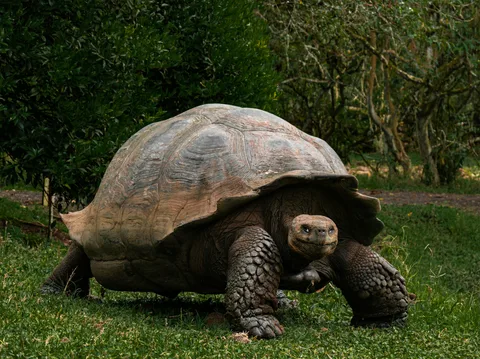
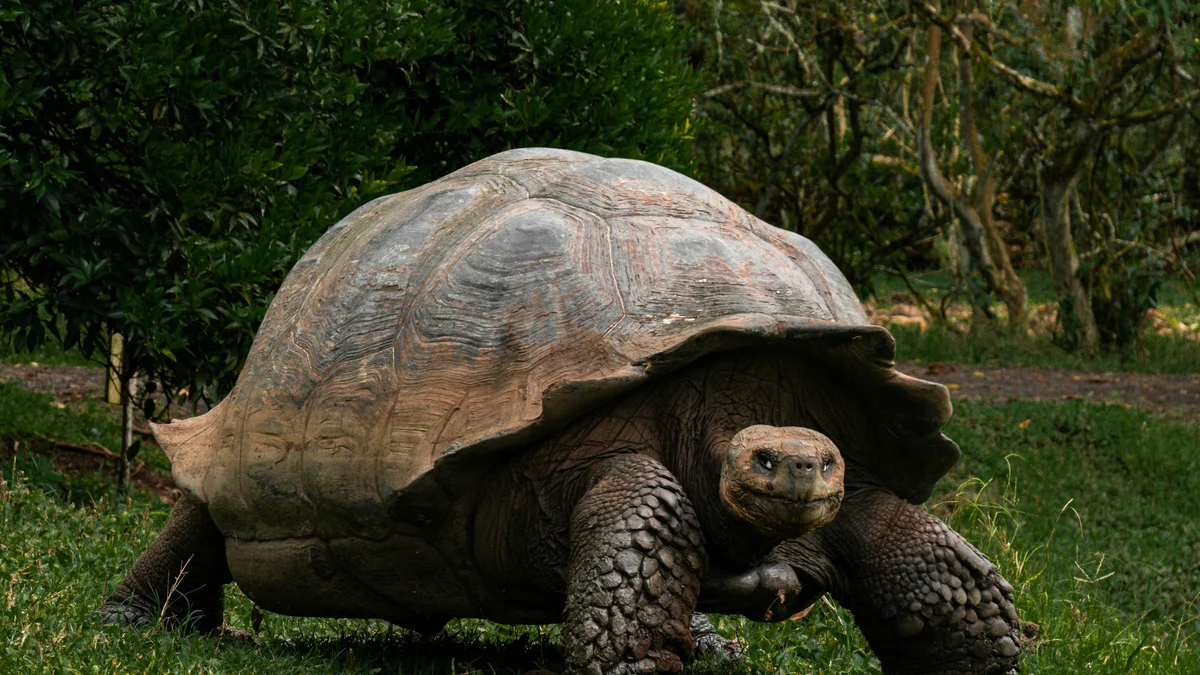
A sweeping 19-day route through Ecuador's highlands, the Amazon rainforest of Yasuni, the colonial cities of the Andes, and a five-island Galapagos finale.
 Multi-Day Tours
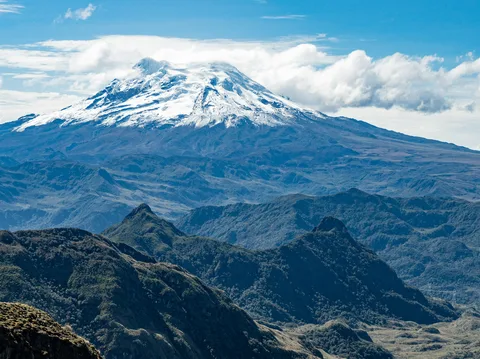
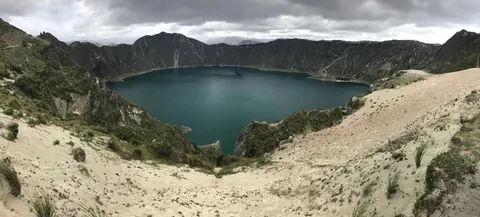
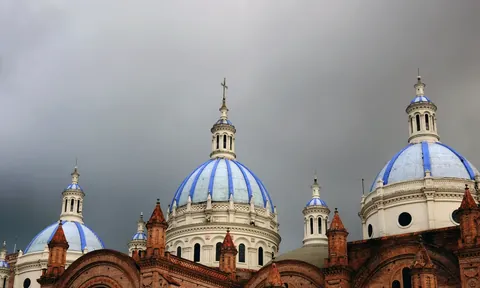
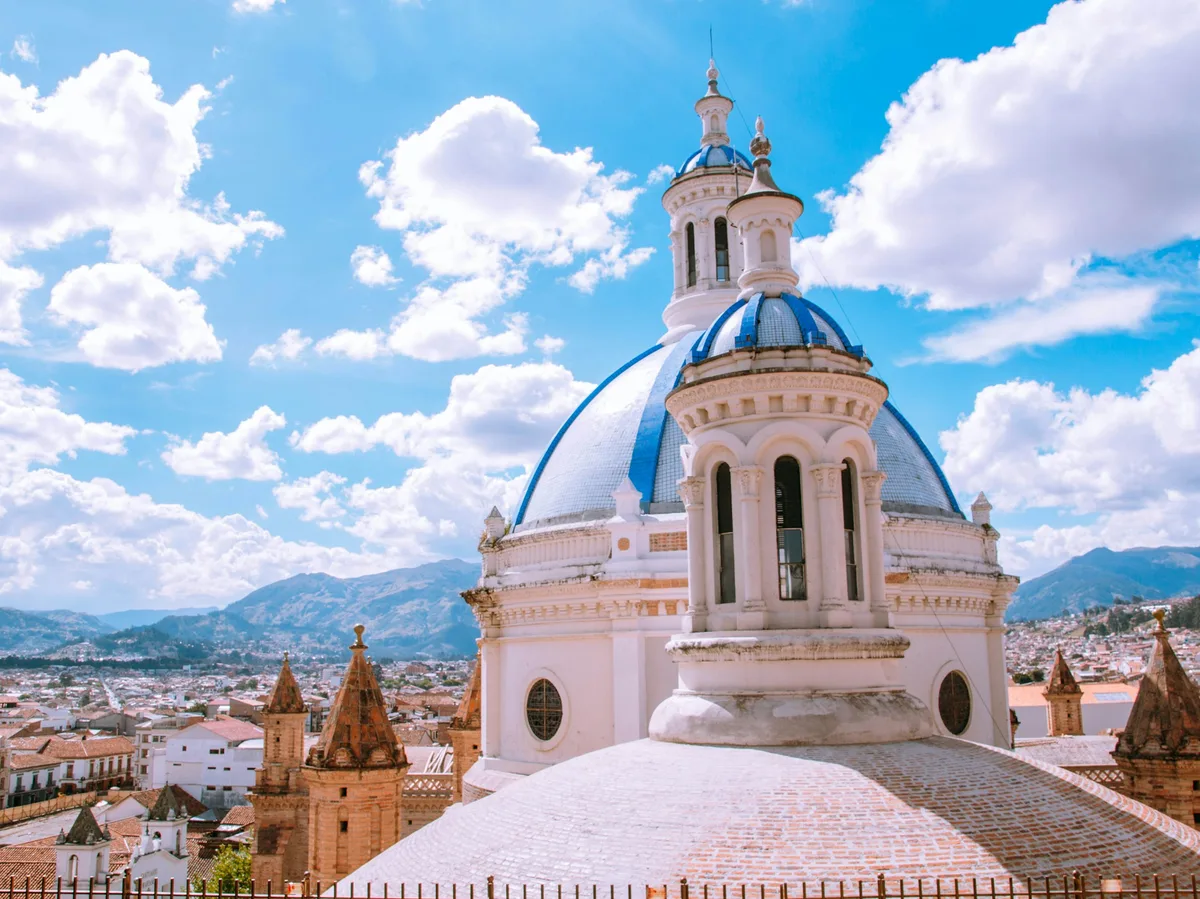
A 14-day mainland circuit through Quito, Otavalo, the Amazon foothills, Baños, Cotopaxi, the Quilotoa Loop, and the UNESCO city of Cuenca — Ecuador's culture and landscapes without the Galapagos crossing.
 Multi-Day Tours
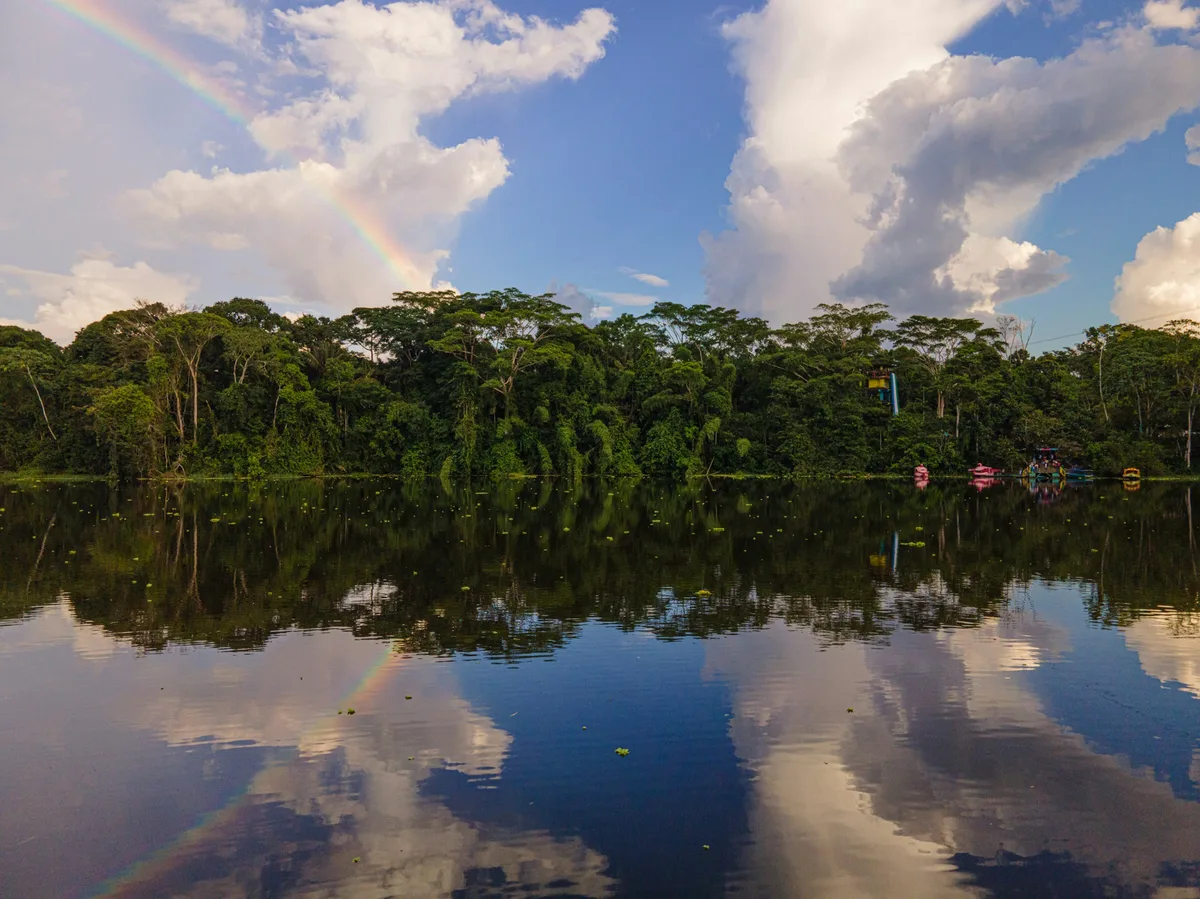
A compact 8-day adventure from Quito through Cotopaxi, Quilotoa, Baños, and into the Upper Amazon, finishing with a soak in Papallacta's hot springs.
 Multi-Day Tours
The full picture of Ecuador over 31 days — cloud forest, indigenous markets, Cotopaxi, Quilotoa, Cuenca, the Yasuni Amazon, and a ten-day island-hopping finale across San Cristóbal, Isabela, and Santa Cruz.
Visitor guide
Baños de Agua Santa, usually shortened to Baños, is a town in Tungurahua Province, Ecuador, set at about 1,820 metres on the northern slopes of the Tungurahua volcano. Its name means Baths of Holy Water, and it is known for hot springs, waterfalls and its role as a gateway between the Andes and the Amazon.
According to Wikipedia, Baños had about 14,100 residents at the 2022 census and is the second most populous city in its province after Ambato. It is nicknamed the Gateway to the Amazon because it is the last town in the mountains before the road descends toward the jungle settlements of the Amazon basin. The surrounding area has a subtropical highland climate with mild days, cool nights and the heaviest rain between roughly May and July. The town is also a starting point for exploring the remote Llanganates National Park. The cathedral is lit at night and stands opposite the central park.
The name comes from the thermal springs around the town, whose mineral-rich water has long been believed to have healing properties. Baños is also a Catholic pilgrimage centre. According to local belief, the Virgin Mary appeared near a waterfall, and a sculpture known as the Virgen de Agua Santa is kept in the town's cathedral in honour of that tradition. This is a matter of faith and local devotion rather than documented history.
The town's story is inseparable from the Tungurahua volcano, whose name is often translated as Throat of Fire. The volcano is highly active, with ash explosions and lava flows that have been visible from Baños. In October 1999, more than 17,000 residents were evacuated for several weeks. The volcano also feeds the area's hot springs and fertile slopes, and the town has rebuilt and continued as a travel destination.
Wikipedia says the area has more than 60 waterfalls. East of town, the road follows the gorge of the Pastaza River along the Ruta de las Cascadas, which travel guides describe as a route of roughly 17 kilometres to Río Verde, passing falls such as Agoyán and Manto de la Novia. Its best-known stop is Pailón del Diablo, the Devil's Cauldron, which takes its name from the roar of water pounding into a rocky basin. Guides give differing figures for its height, so any number is approximate. A short trail and stairways cut into the rock let visitors approach the spray.
Baños is a popular base for rafting, kayaking, canyoning, bridge jumping, hiking, cycling and horseback riding. The town is also known for melcocha, a taffy made from cane sugar pulled by hand, and for shops selling balsa-wood parrot carvings. A private tour with a driver suits travellers who want to combine the springs, waterfalls and viewpoints without arranging transport between each stop.
See every tour and attraction we cover in Ecuador & Galapagos.