TorontoOntario · 36 tours
 Niagara FallsOntario · 25 tours
 New York CityNew York · 30 tours
 Las VegasNevada · 8 tours
 San FranciscoCalifornia · 16 tours
 VancouverBritish Columbia · 17 tours
 DubaiUAE · 54 tours
 Abu DhabiUAE · 5 tours
 Buenos AiresArgentina · 23 tours
 AthensGreece · 31 tours
 AucklandNew Zealand · 38 tours
 CancunMexico · 54 tours
No destinations match “”. Try searching all tours instead — that search understands full questions, not just place names.
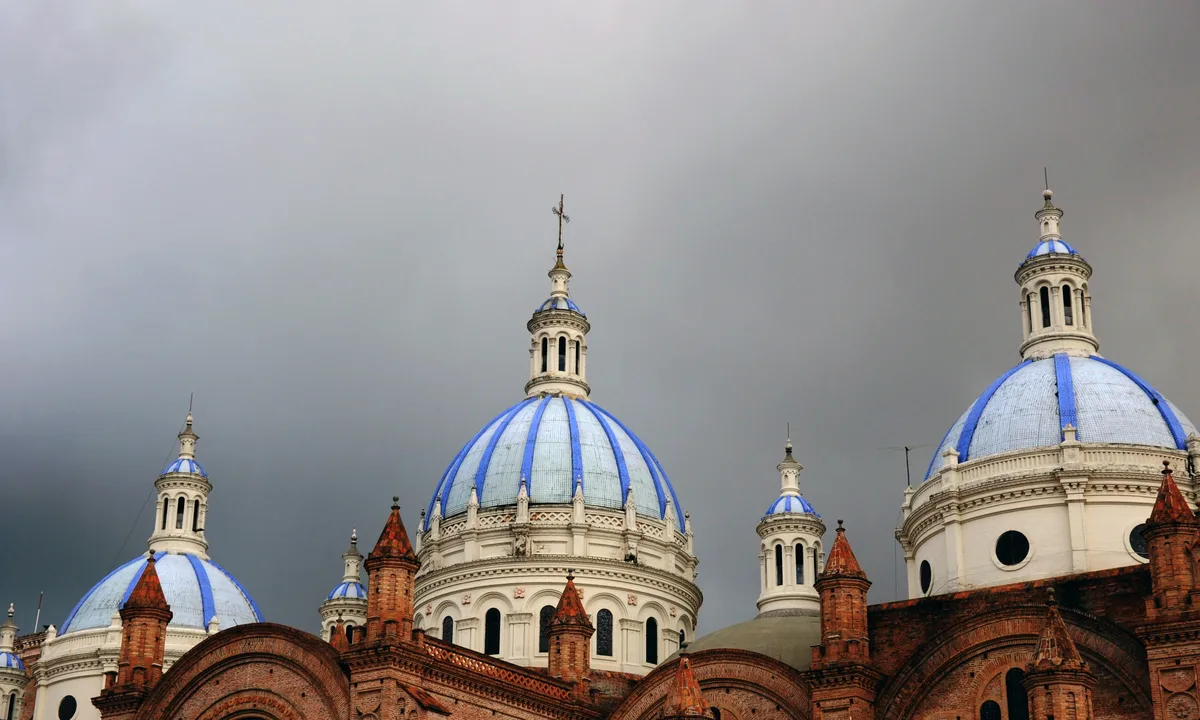
A UNESCO World Heritage colonial city in Ecuador's southern highlands, known for its blue-domed cathedral, the Tomebamba River running through town, and being a center of Panama hat weaving despite the name.
 Multi-Day Tours
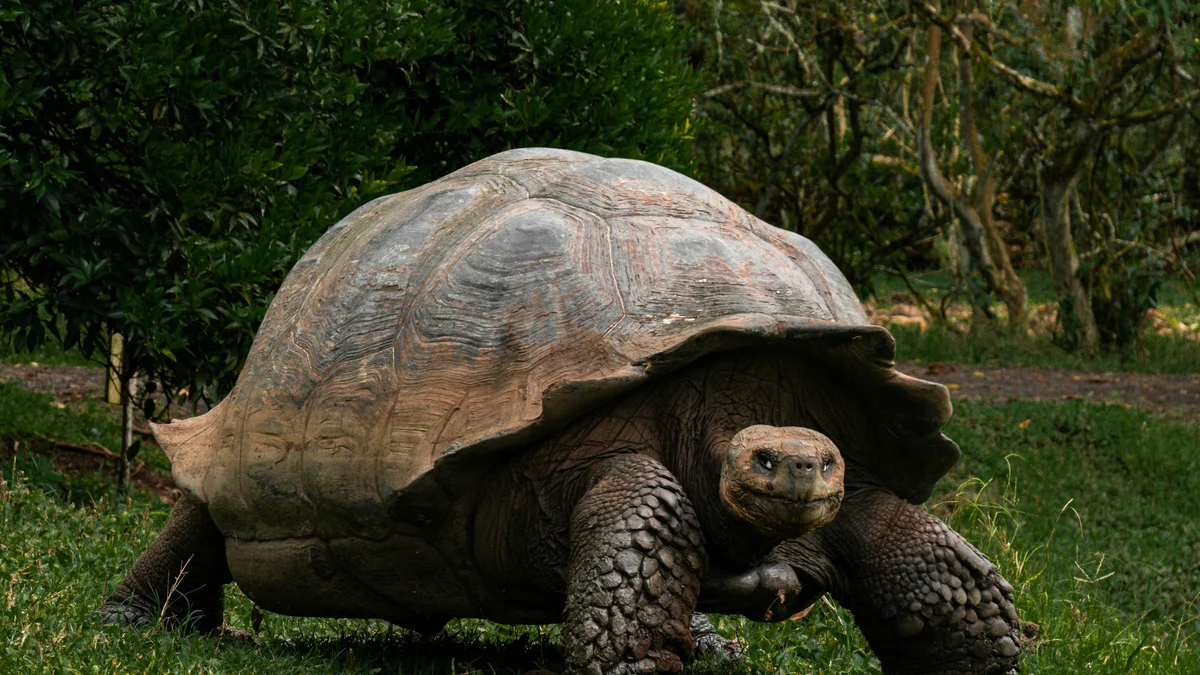
A sweeping 19-day route through Ecuador's highlands, the Amazon rainforest of Yasuni, the colonial cities of the Andes, and a five-island Galapagos finale.
 Multi-Day Tours
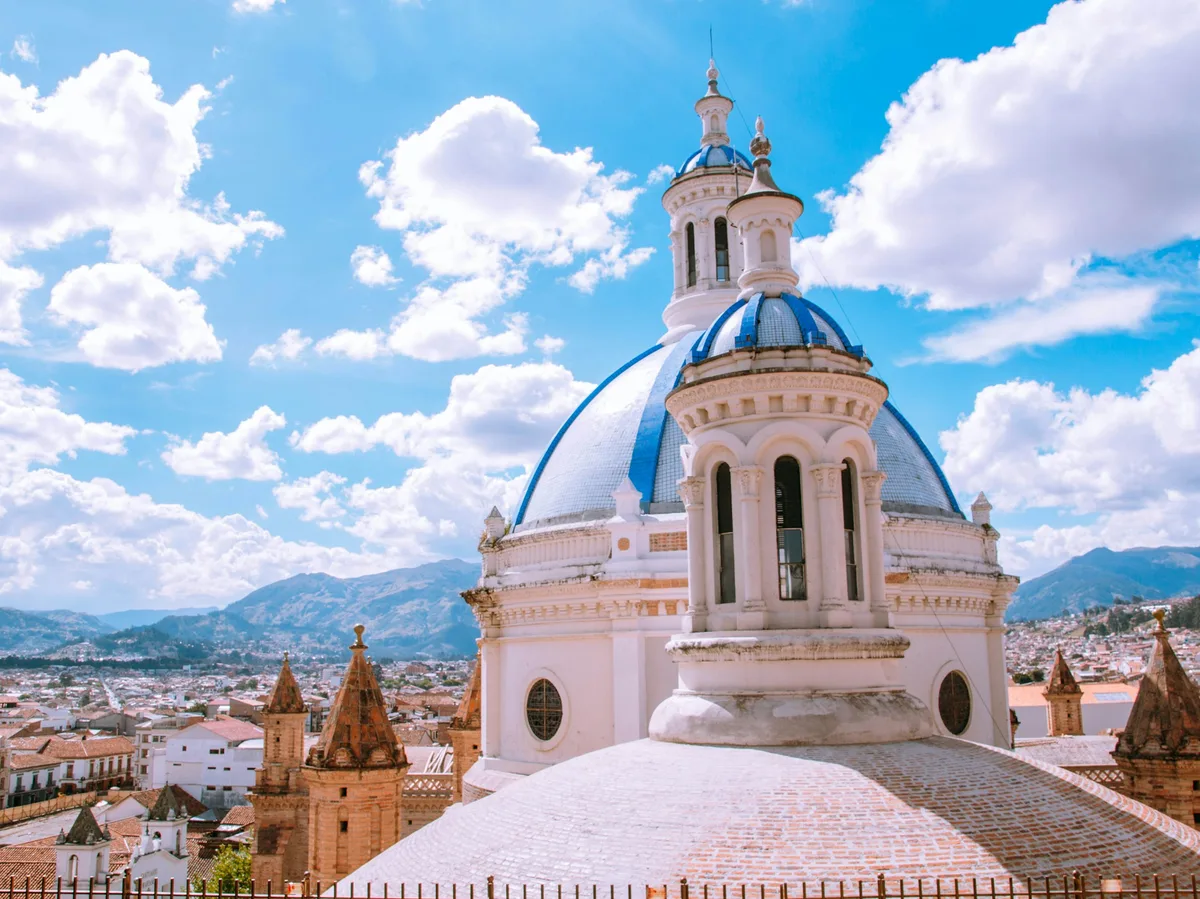
A 14-day mainland circuit through Quito, Otavalo, the Amazon foothills, Baños, Cotopaxi, the Quilotoa Loop, and the UNESCO city of Cuenca — Ecuador's culture and landscapes without the Galapagos crossing.
 Multi-Day Tours
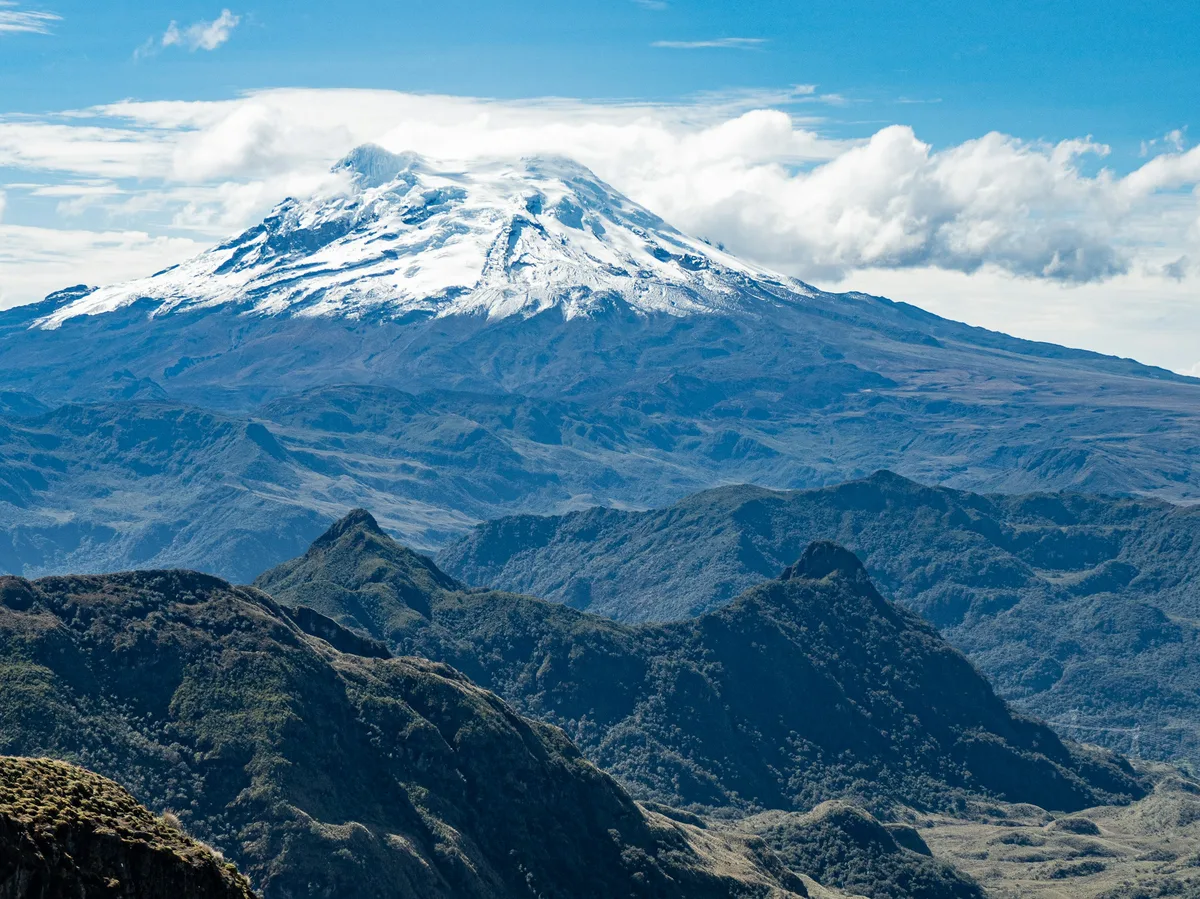
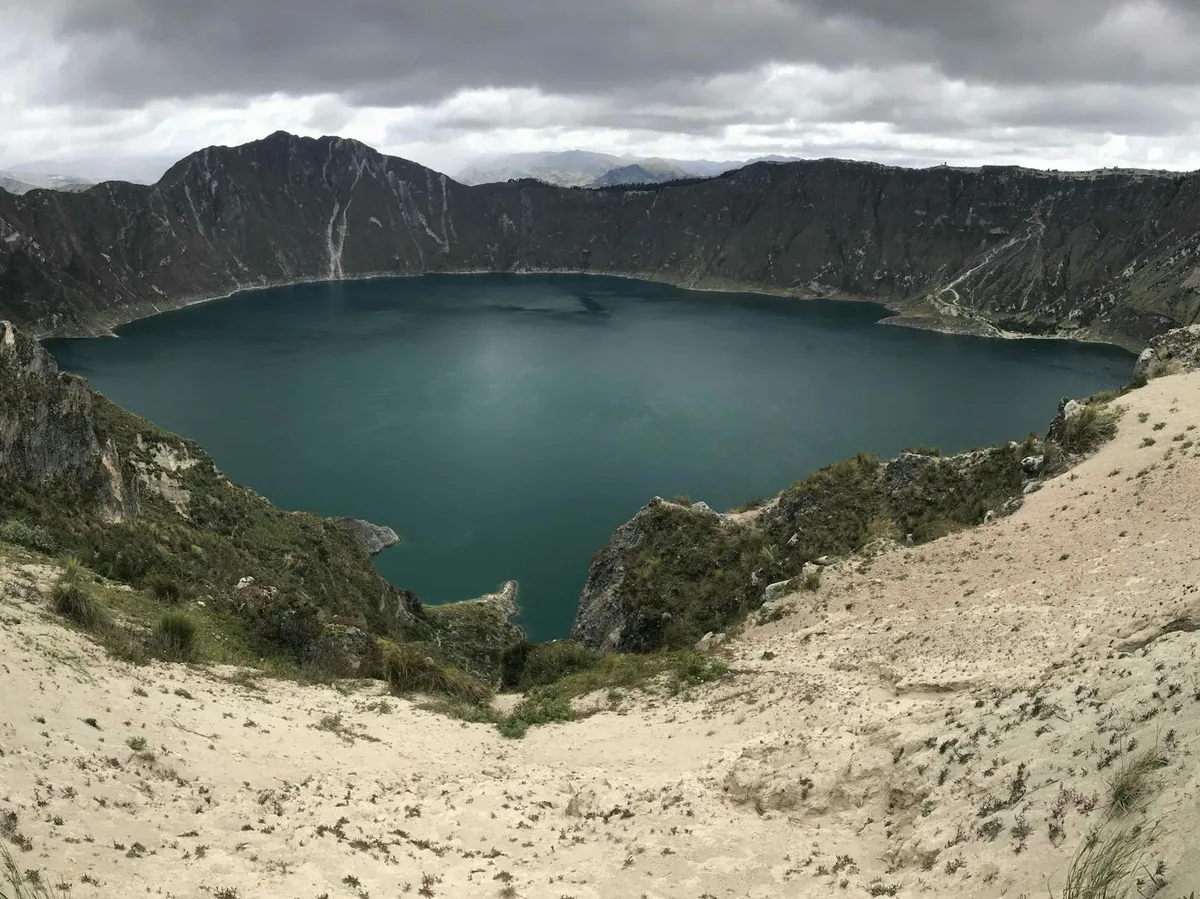
The full picture of Ecuador over 31 days — cloud forest, indigenous markets, Cotopaxi, Quilotoa, Cuenca, the Yasuni Amazon, and a ten-day island-hopping finale across San Cristóbal, Isabela, and Santa Cruz.
 Multi-Day Tours
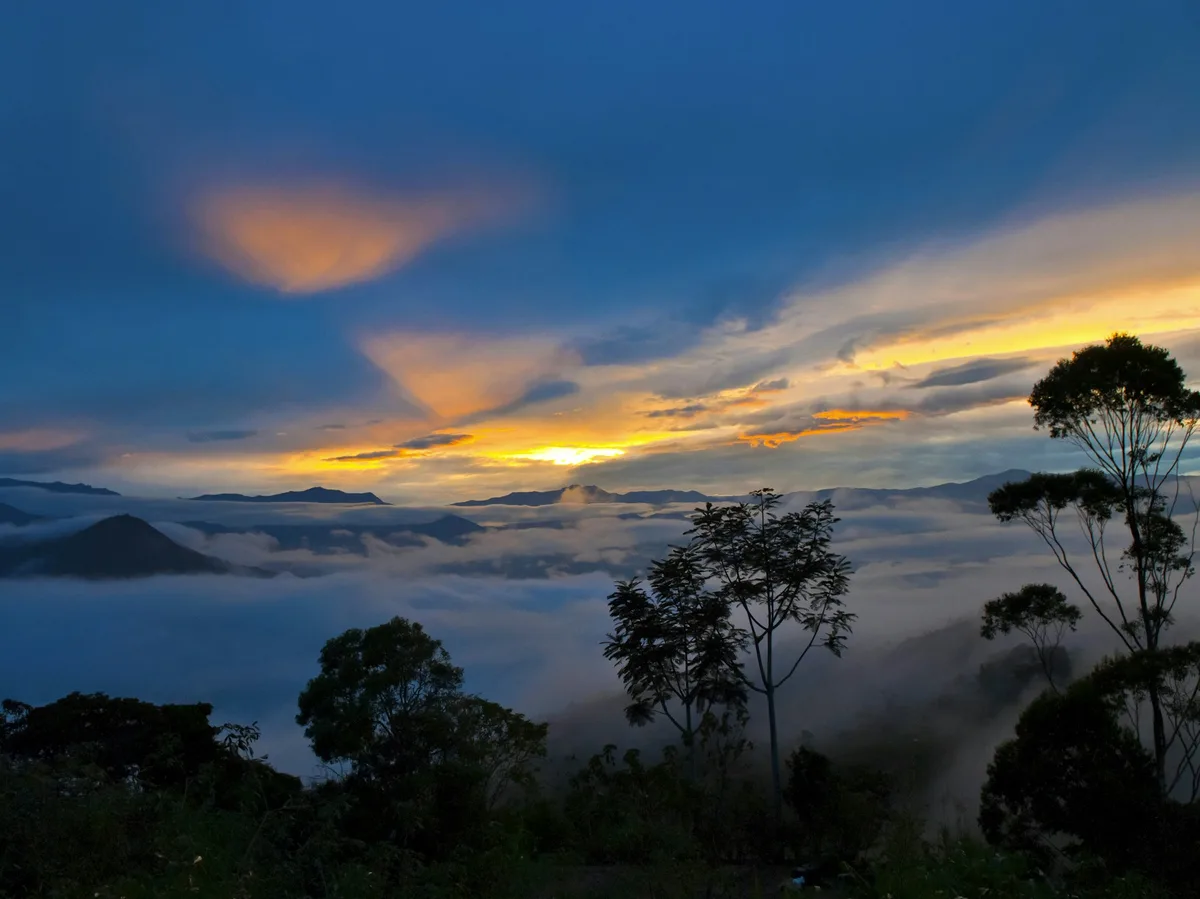
A guided start in Quito, a week of self-drive exploration through the Andes, Amazon-edge, and southern colonial cities, then five days island-hopping the Galapagos.
 Multi-Day Tours
A sweeping 26-day mainland circuit — Amazon, cloud forest, Andean markets, Cotopaxi, and colonial cities — followed by six days island-hopping San Cristóbal, Isabela, and Santa Cruz in the Galapagos.
Visitor guide
The Historic Centre of Santa Ana de los Ríos de Cuenca is a UNESCO World Heritage Site in Ecuador's southern highlands, inscribed in 1999. Set at about 2,538 metres, the colonial grid of streets, plazas, churches and river banks is dominated by the blue and white domes of the New Cathedral.
Before the Spanish arrived, the site was a Cañari settlement called Guapondelig, which Wikipedia says archaeologists date to around 500 AD. Less than fifty years before the Spanish, the Incas conquered the Cañari and renamed the city Tomebamba, developing it into a major regional centre sometimes nicknamed a second Cusco. The ruins of the Pumapungo complex survive in an archaeological park. When the Spanish reached the area they found the city largely in ruins, and some writers have speculated, without proof, that Tomebamba fed the legend of El Dorado. Wikipedia notes that Pumapungo means the door of the Puma and was ordered by the Inca emperor Tupac Yupanqui.
Gil Ramírez Dávalos founded the Spanish city on 12 April 1557 on the ruins of Tomebamba, at the commission of Viceroy Andrés Hurtado de Mendoza, who named it after his hometown of Cuenca in Spain. The words de los Ríos refer to the rivers that cross the city: the Tomebamba, Tarqui, Yanuncay and Machángara. Cuenca declared independence on 3 November 1820.
UNESCO inscribed the historic centre in 1999 under cultural criteria ii, iv and v. The core area covers about 224 hectares. The compact grid layout, bounded by the Tomebamba River to the south, makes the centre easy to explore on foot, with many monuments close together.
The Old Cathedral, or Iglesia de El Sagrario, dates from 1557 and has been restored as a museum. The New Cathedral of the Immaculate Conception, completed in 1975, blends Romanesque Revival and Neo-Gothic styles and is topped by blue and white domes that have become a city emblem. Wikipedia notes that its towers are shorter than planned because of an architect's calculation error. Between the two cathedrals lies Parque Abdón Calderón, the central plaza. The Monastery of El Carmen de la Asunción, founded in 1682, has a carved stone façade and a flower market in its atrium, and the Monastery and Museum of La Concepción holds colonial religious art.
The Todos Santos ruins preserve four Inca-era trapezoidal niches beside the remains of a colonial mill, showing how the layers of history overlap. Cuenca's museums cover regional history and indigenous cultures. The city is also known for hats woven from toquilla straw, sold worldwide as Panama hats despite their Ecuadorian origin. A private guided walk suits the centre, linking the churches, plazas, rivers and craft workshops. Cuenca is sometimes called the Athens of Ecuador by locals, a nickname linked to its architecture, cultural life and literary tradition.
See every tour and attraction we cover in Ecuador & Galapagos.