TorontoOntario · 36 tours
 Niagara FallsOntario · 25 tours
 New York CityNew York · 30 tours
 Las VegasNevada · 8 tours
 San FranciscoCalifornia · 16 tours
 VancouverBritish Columbia · 17 tours
 DubaiUAE · 54 tours
 Abu DhabiUAE · 5 tours
 Buenos AiresArgentina · 23 tours
 AthensGreece · 31 tours
 AucklandNew Zealand · 38 tours
 CancunMexico · 54 tours
No destinations match “”. Try searching all tours instead — that search understands full questions, not just place names.
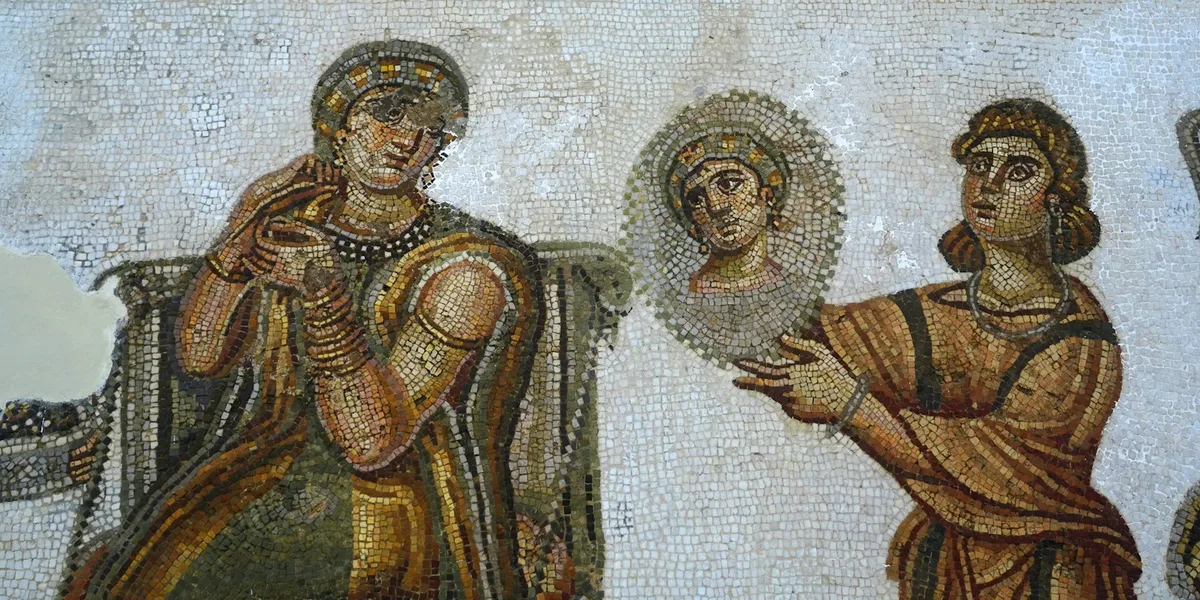
Housed in a former Husainid palace in Tunis, home to one of the world's largest collections of Roman mosaics, gathered from sites across Tunisia.
Visitor guide
The Bardo National Museum is an art and North African history museum in Le Bardo, a suburb of Tunis, Tunisia. It is housed in a former beylical palace and is known above all for its collection of Roman mosaics. Wikipedia calls it one of the most important museums in the Mediterranean region and the second-largest museum in Africa after the Egyptian Museum in Cairo, with over 150,000 objects.
The museum occupies part of the Bardo palace complex in the suburbs of Tunis, and sources date it differently: Wikipedia describes a Hafsid palace of the 15th century, while the ASOR photo archive says the museum is in Mhammed Bey's palace, built between 1859 and 1864, and other sources mention the reign of Sultan Abu Faris Abd al-Aziz II (1394 to 1434) and some earlier state apartments, and the Ottoman beys later enlarged it. The museum was established on 7 May 1888 under Ali III Bey, after Muhammad Khaznadar first proposed the idea in the 1860s. It was originally called the Alaoui Museum after the reigning bey and was renamed the Bardo Museum after independence.
The Roman mosaics are one of the largest collections in the world, from excavations at sites including Carthage, Hadrumetum (Sousse), Dougga and Utica. Notable works include the Virgil Mosaic, the Ulysses Mosaic, the Neptune mosaic, a zodiac mosaic and a hunting mosaic from Oudna. Wikipedia notes they are a key source on everyday life in Roman Africa.
Roman marble statues of gods and emperors from Carthage and Thuburbo Majus include Venus Pudica, Ganymede, Hercules, Bacchus and Empress Faustina II. The Libyco-Punic collection includes grimacing masks, terracotta statues, stelae and figures of Tanit and Baal Hammon.
Pieces from the Mahdia shipwreck form the Greek section. Early Christian mosaics include Daniel among the Lions and a mosaic of bricklayers, both from the 4th century CE, and there is a baptistery in an early Christian room. The Islamic section includes the Blue Qur'an of Kairouan and ceramics from North Africa and Asia Minor.
A major refurbishment, interrupted by the 2011 revolution and completed in 2012, added about 9,000 square metres, designed by SCPA Codou-Hindley and Amira Nouira with World Bank funding. Rooms named for mosaics or sites include the Carthage, Sousse, Virgil, Oudna and Althiburos rooms, and several have painted, stucco or gilded ceilings.
Since 2014 the museum has offered a digital guide in English, French and Arabic using NFC, developed by Orange Tunisia.
The Libyco-Punic gallery is rich in stelae important for Semitic epigraphy, including the stele of the priest and child. Wikipedia notes that the Roman marble statuary includes the Venus Pudica, and that the collection spans prehistory and protohistory through Ancient Egyptian, Hellenistic, Numidian, Roman, Vandal, Byzantine, Islamic, Ottoman and Beylical periods, including modern jewellery. The article is tagged as needing more citations, so some details are best confirmed on site.
The collection spans prehistory to the Beylical period, so a private guide can help prioritise galleries, and a private vehicle and driver can combine the museum with the Medina and Carthage.
See every tour and attraction we cover in Tunisia.