TorontoOntario · 36 tours
 Niagara FallsOntario · 25 tours
 New York CityNew York · 30 tours
 Las VegasNevada · 8 tours
 San FranciscoCalifornia · 16 tours
 VancouverBritish Columbia · 17 tours
 DubaiUAE · 54 tours
 Abu DhabiUAE · 5 tours
 Buenos AiresArgentina · 23 tours
 AthensGreece · 31 tours
 AucklandNew Zealand · 38 tours
 CancunMexico · 54 tours
No destinations match “”. Try searching all tours instead — that search understands full questions, not just place names.
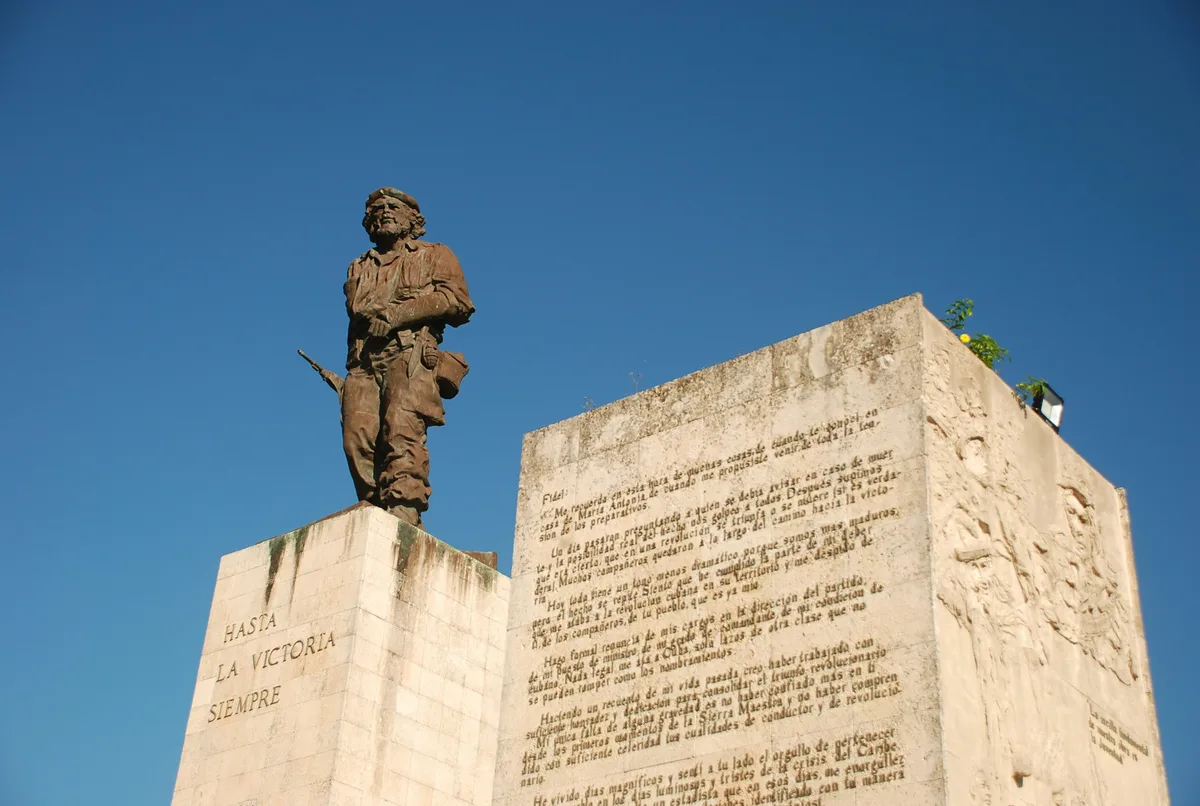
A monument and museum in Santa Clara holding Che Guevara's remains, built where the decisive 1958 battle of the Cuban Revolution was fought.
 Multi-Day Tours
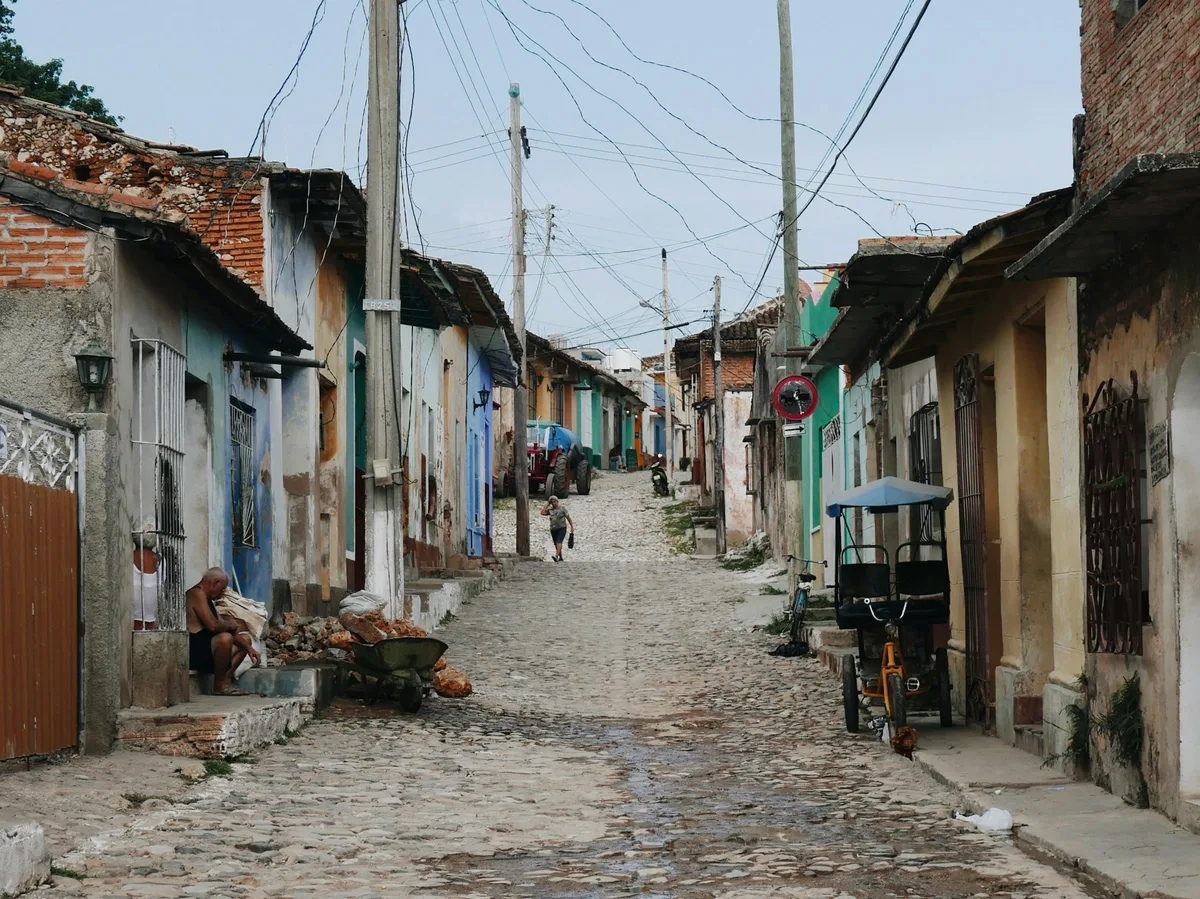
A 10-day route that goes beyond the postcard stops — Havana's Old Town, the eco-community of Las Terrazas, the French-colonial port of Cienfuegos, Trinidad, and Che Guevara's Santa Clara.
 Multi-Day Tours
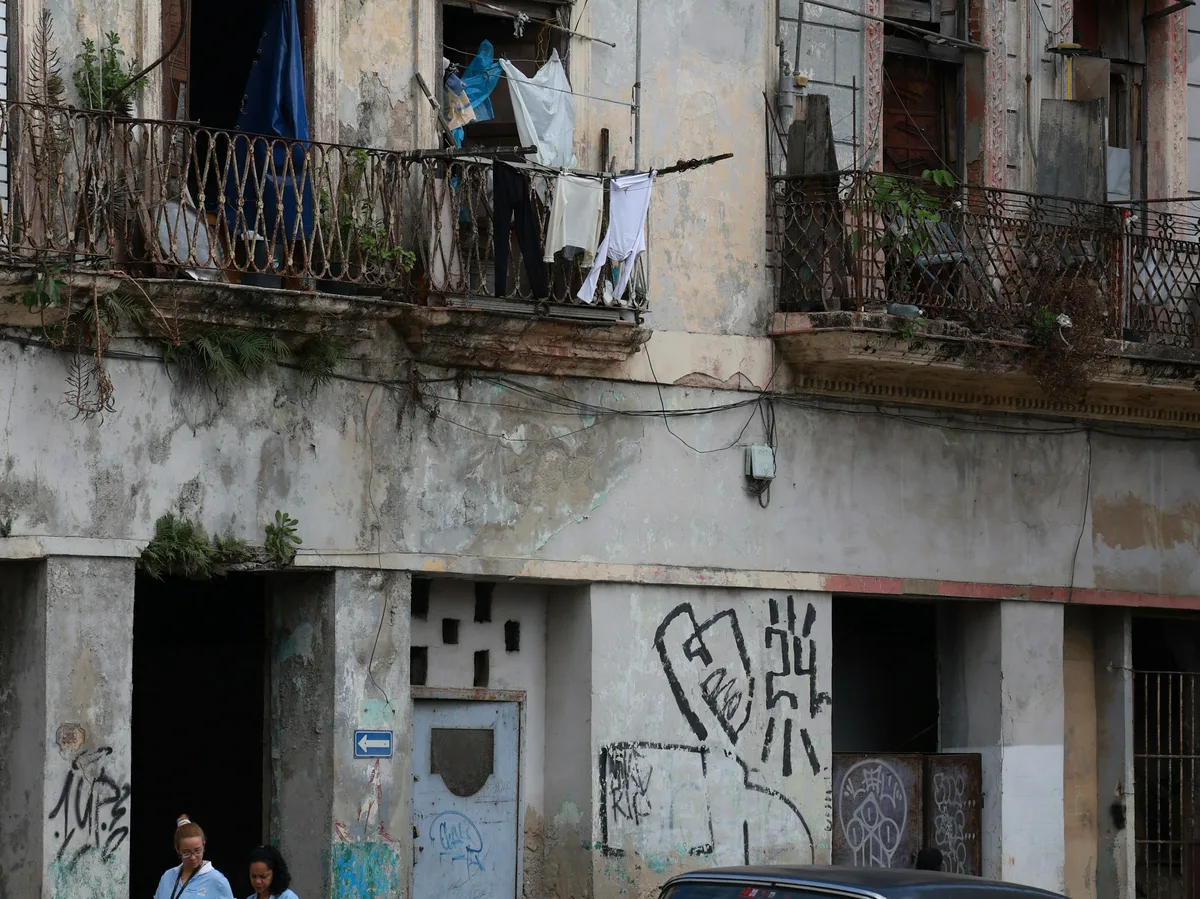
A 12-day family itinerary built around shorter driving days, workshops for kids in Trinidad, and beach time in Varadero — priced around a family of four.
 Multi-Day Tours
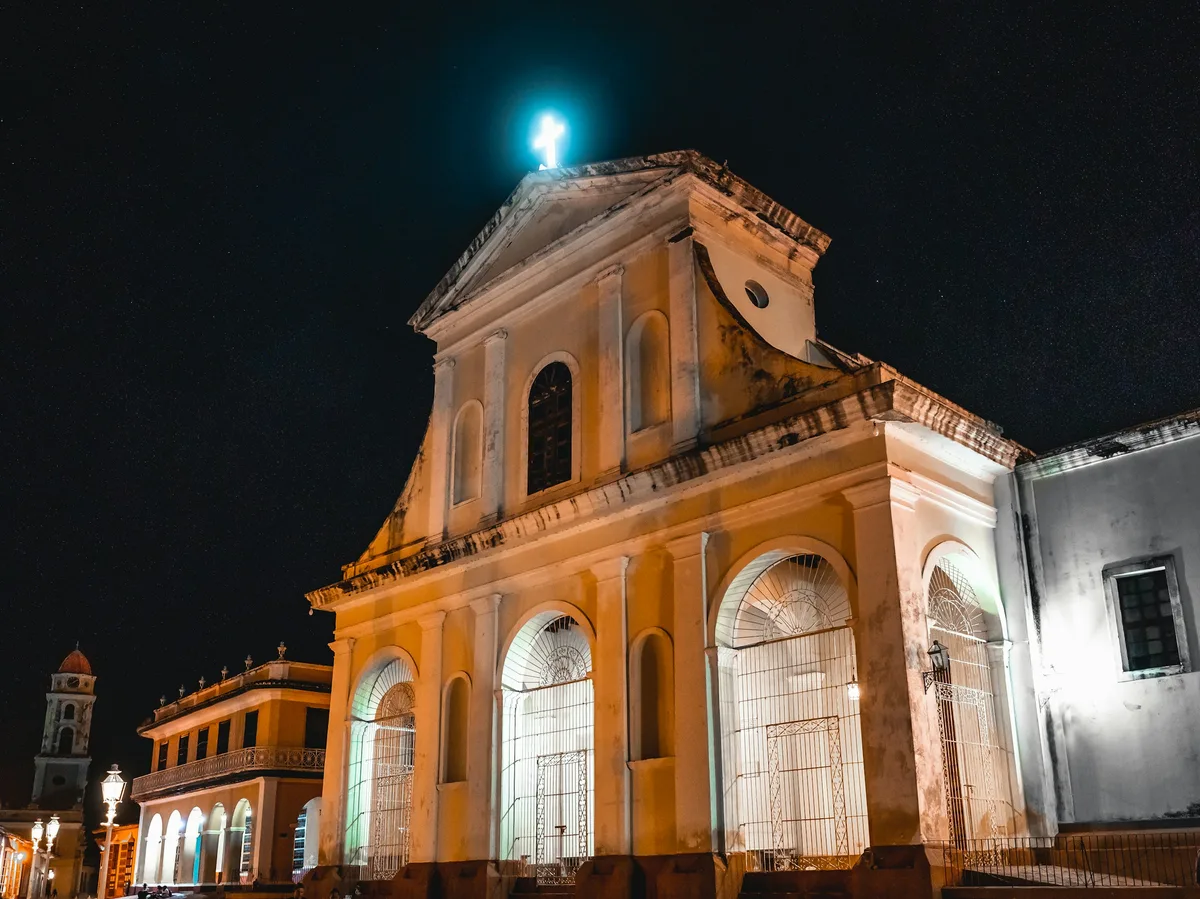
A romance-paced 12-day route from Havana through Viñales, Cienfuegos and Trinidad, finishing with four nights at an all-inclusive resort on Cayo Santa María.
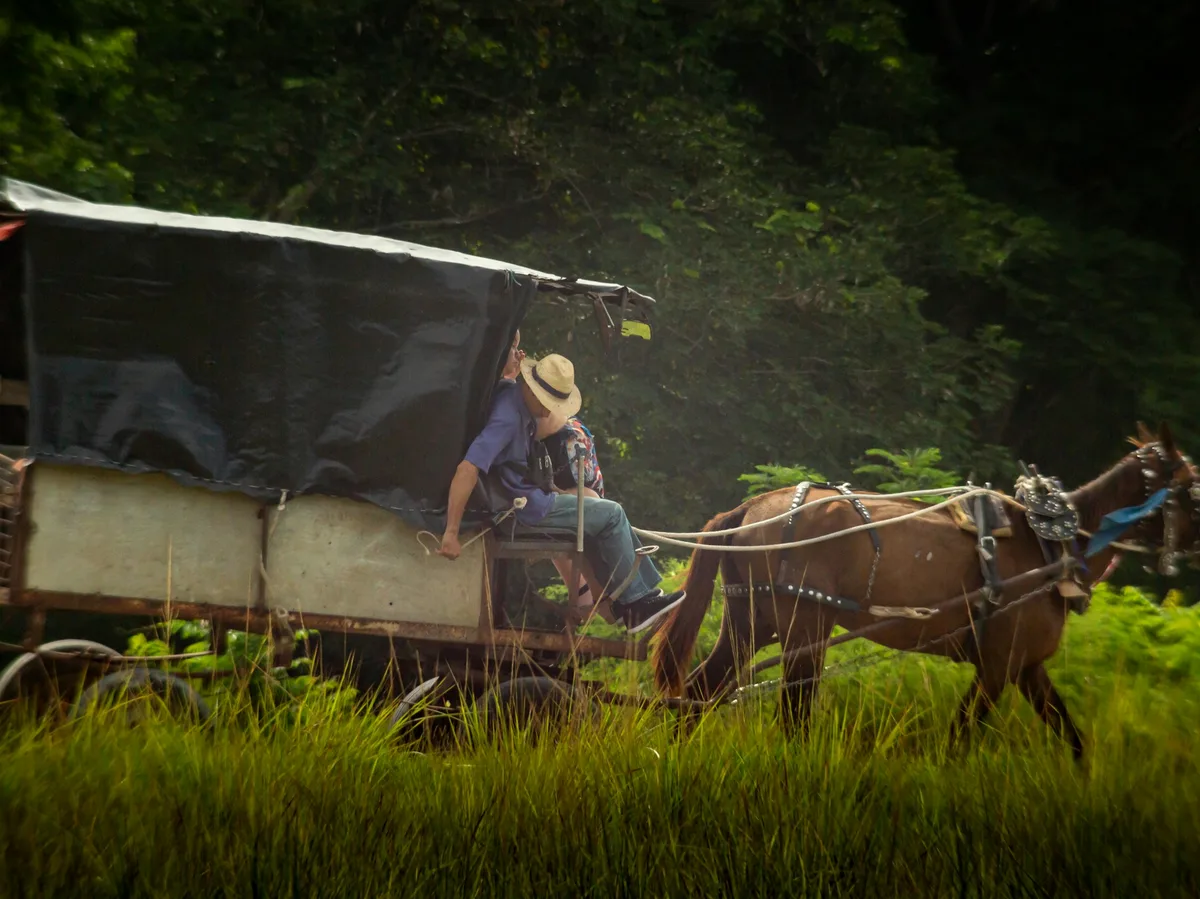 Multi-Day Tours
A more active 15-day route balancing Havana and Trinidad's colonial streets with a canopy tour, cave exploring, cycling and a kayak trip through Cienfuegos Bay.
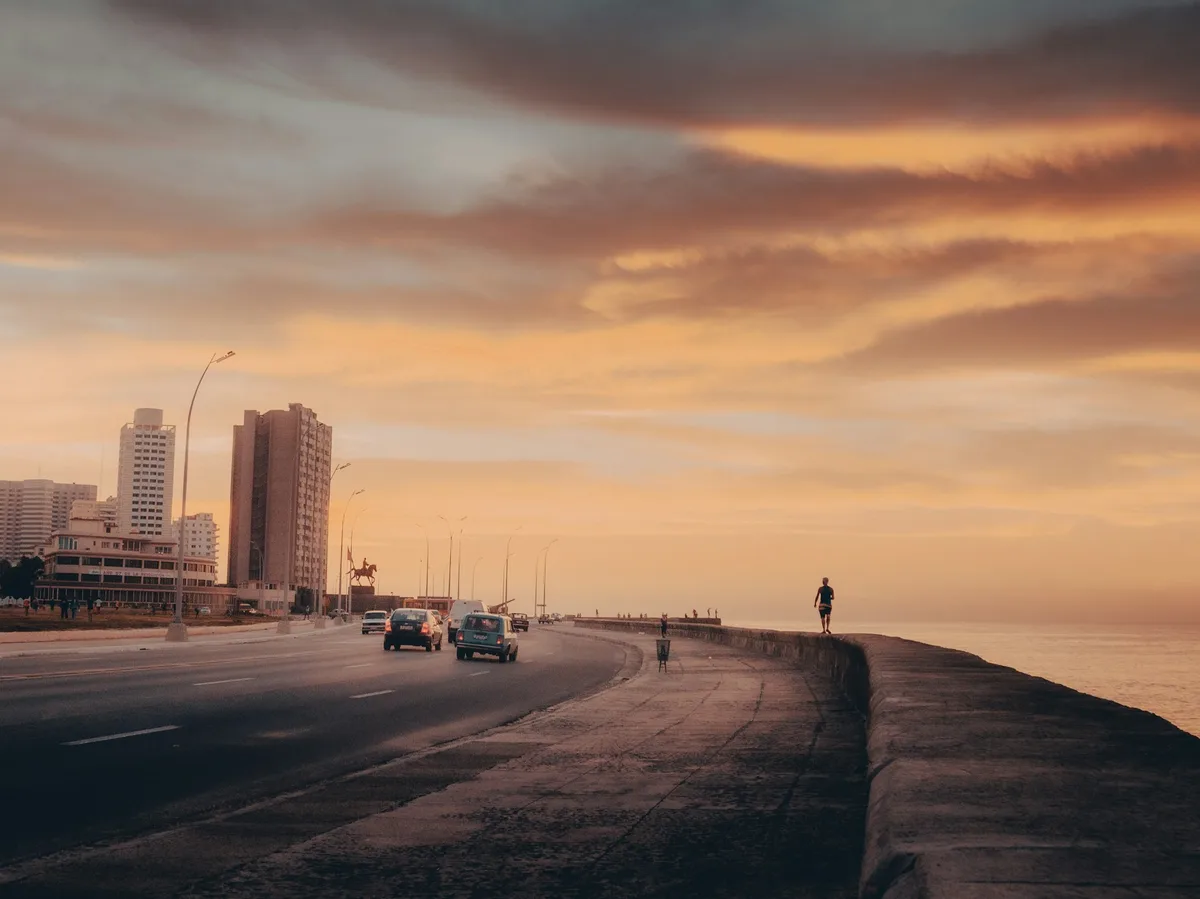 Multi-Day Tours
A 15-day route off the well-worn path — Havana, Viñales, Cayo Levisa, Soroa, Playa Girón, Trinidad, Sancti Spíritus and Boca de Camarioca.
Visitor guide
The Che Guevara Mausoleum in Santa Clara, Cuba, is a national memorial, museum and monument, officially called the Ernesto Guevara Sculptural Complex. It stands in Plaza Che Guevara and holds the remains of Guevara and companions who died in Bolivia.
Santa Clara was chosen to honour Guevara's troops, who captured the city on 31 December 1958 in the Battle of Santa Clara, which Wikipedia says led to Fulgencio Batista fleeing into exile. The memorial is owned by the Cuban government.
Construction began in 1982 and the complex opened on 28 December 1988. The architects were Jorge Cao Campos, Blanca Hernandez and Jose Ramon Linares, and the sculptors Jose de Lazaro Bencomo and Jose Delarra, with Delarra the main creator.
Wikipedia's article on Santa Clara describes the city as the site of the last major battle of the Cuban Revolution, when forces under Che Guevara and Camilo Cienfuegos attacked on 31 December 1958 and Batista fled Cuba less than twelve hours after the city fell. Guevara's soldiers tore up railway tracks and derailed a train carrying Batista's troops and supplies, and the Armored Train Park-Museum in the city is a National Monument. The city was founded in 1689 and has a central square, Parque Vidal, and the Teatro La Caridad, also a National Monument.
The centrepiece is a bronze statue of Guevara about 22 feet tall. According to Wikipedia, about 500,000 residents of Santa Clara contributed more than 400,000 volunteer hours, working with artisans at the Eliseo Diaz Machado Foundry in Guanabacoa. The plaza is a large public space used for national commemorations.
This is an official state memorial and reflects the Cuban government's narrative of the revolution, so a guide can place it in historical context.
Guevara's remains were found in Bolivia, exhumed and returned to Cuba. On 17 October 1997 they were buried with full military honours, along with six other guerrillas who had died in Bolivia. Fidel Castro lit an eternal flame in Guevara's memory.
Wikipedia says the memorial holds Guevara and 29 fellow combatants, 30 people in total, buried in stages: six in October 1997, ten on 29 December 1998, seven on 8 October 1999 and six on 8 October 2000.
The two Wikipedia articles give different counts of fellow combatants: the mausoleum article says 29, while the Santa Clara article says 16, so the exact figure should be treated with caution. Both agree that the remains are those of fighters killed in Bolivia in 1967.
The site includes a museum on Guevara's life with items such as childhood artefacts, including his asthma inhaler and school books. A private guided visit can combine the mausoleum with other Santa Clara sights and place Guevara's life within Cuban and Latin American history. Rules on photography and dress in the mausoleum are set by the site and should be checked.
See every tour and attraction we cover in Cuba.