TorontoOntario · 36 tours
 Niagara FallsOntario · 25 tours
 New York CityNew York · 30 tours
 Las VegasNevada · 8 tours
 San FranciscoCalifornia · 16 tours
 VancouverBritish Columbia · 17 tours
 DubaiUAE · 54 tours
 Abu DhabiUAE · 5 tours
 Buenos AiresArgentina · 23 tours
 AthensGreece · 31 tours
 AucklandNew Zealand · 38 tours
 CancunMexico · 54 tours
No destinations match “”. Try searching all tours instead — that search understands full questions, not just place names.
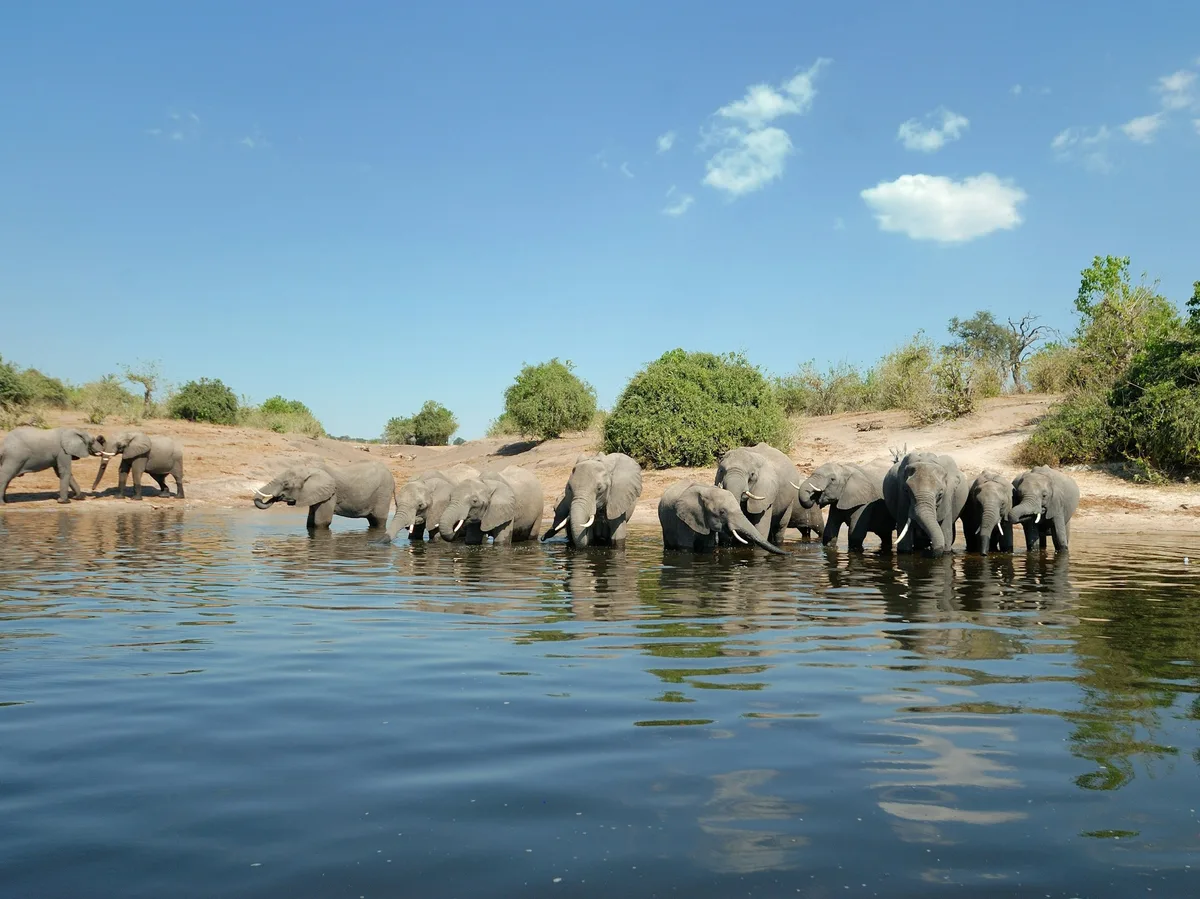
Home to one of the largest concentrations of elephants in Africa, Chobe is famous for game drives along its riverfront and boat cruises on the Chobe River, where herds gather to drink at the water's edge.
 Multi-Day Tours Popular Pick
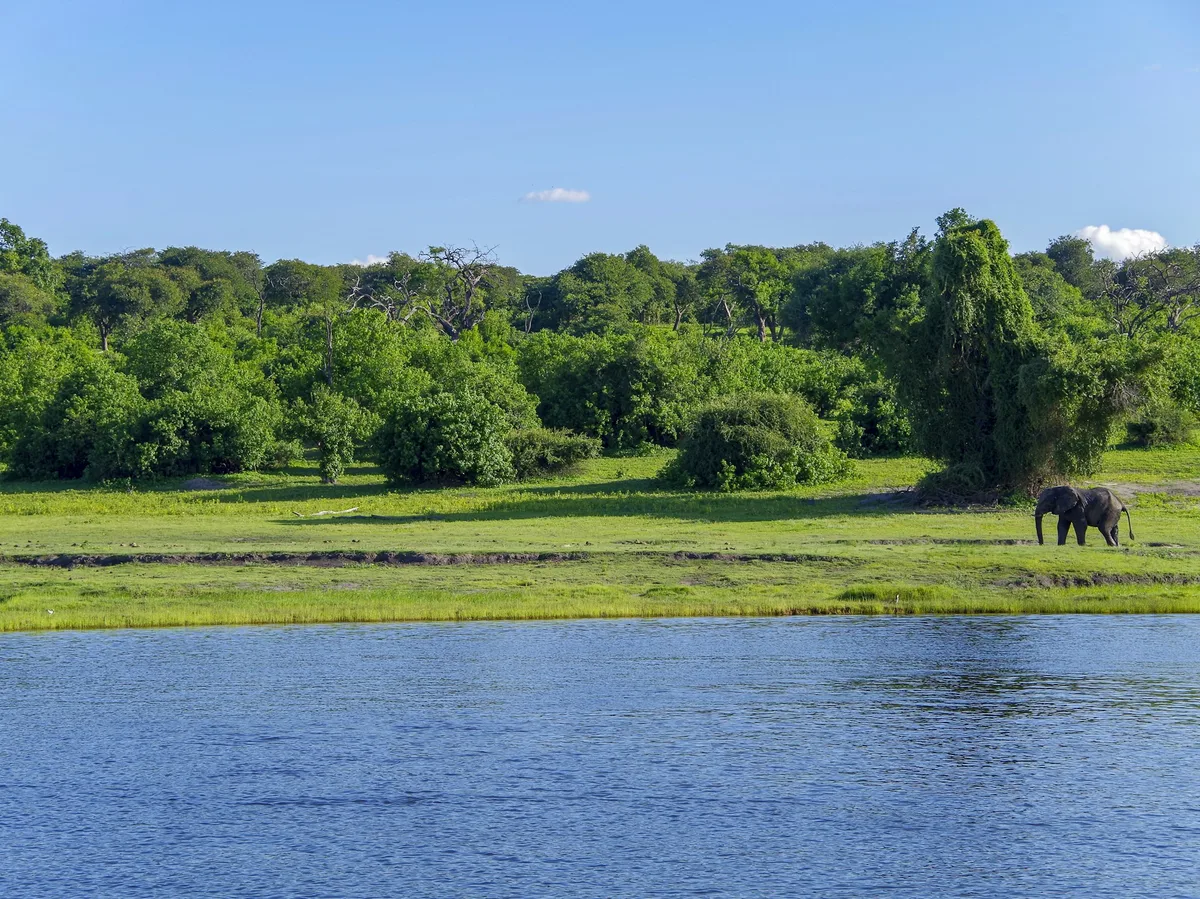
A nine-night circuit through three of Botswana's premier wildlife regions — Moremi Game Reserve, the Okavango Delta, and the Savuti area of Chobe National Park — moving by light aircraft between lodges for twice-daily game drives, boating, and mokoro excursions.
 Multi-Day Tours
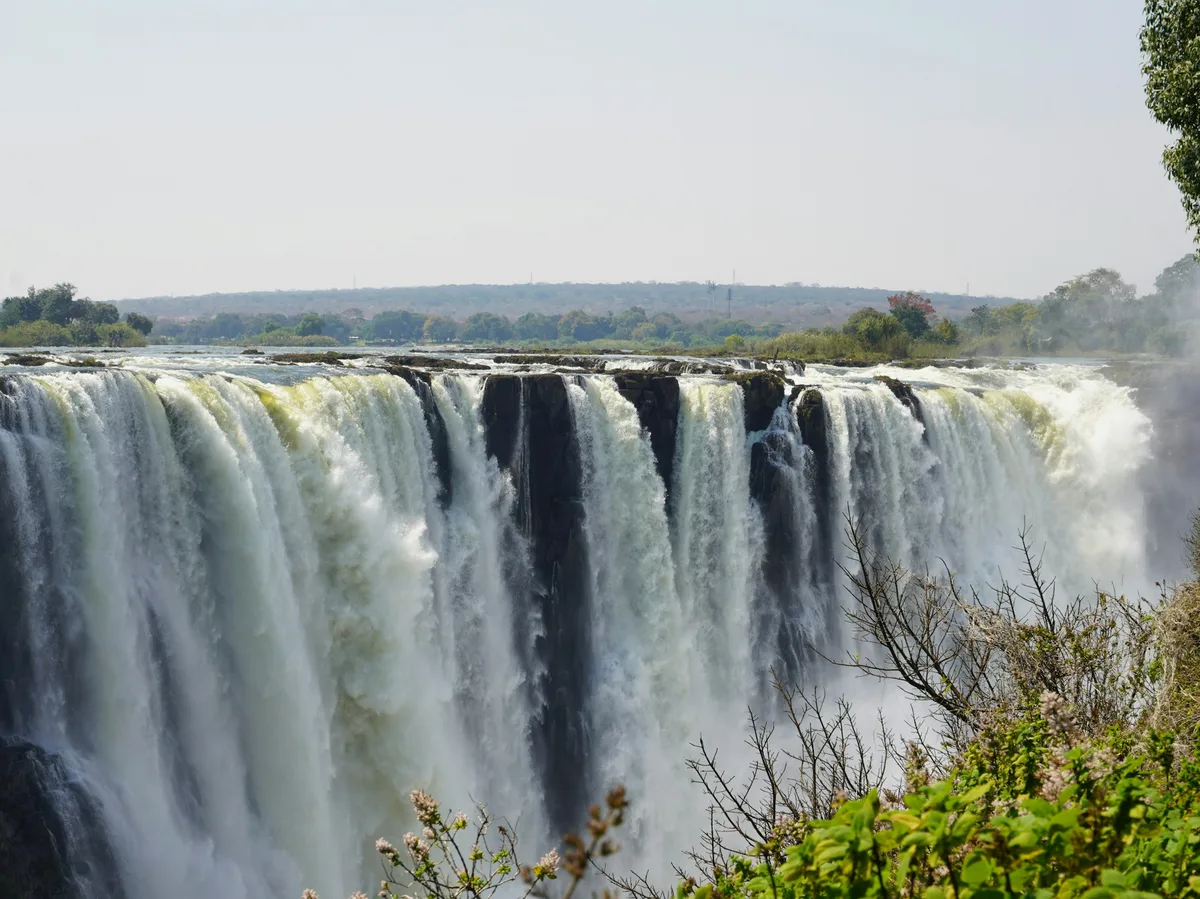
An eleven-night journey that opens with two nights at Victoria Falls before crossing into Botswana for game drives and boat cruises in Chobe National Park, a fly-in stay in the Okavango Delta, and a final safari stretch in Moremi Game Reserve.
Visitor guide
Chobe National Park is in northern Botswana near the town of Kasane and is known for its elephants and the Chobe River floodplain. Published figures for its area differ, from about 10,590 square kilometres in Botswana government reporting to about 11,700 in tourism and encyclopedia sources, and Wikipedia calls it Botswana's most biologically diverse park.
The San people, known in Botswana as Basarwa, were the original inhabitants and left rock paintings in the park's rocky hills. In the early twentieth century much of the area was crown land within the British protectorate of Bechuanaland. A national park was first proposed in 1931, and a non-hunting area was declared the following year. Tsetse fly infestations delayed the project, and a game reserve created in 1960 was smaller than planned. Wikipedia gives the park's establishment as 1967 in one place and declaration as a national park in 1968 in another, so dates are commonly given slightly differently. Timber settlements, especially at Serondela, were gradually moved out, and by 1975 the entire protected area was free of human activity.
The park is best known for its elephants, estimated at around 50,000. Wikipedia describes the Kalahari elephants as forming the largest herds of any known elephant population, and notes their brittle, short tusks, possibly due to calcium-poor soils. Herds gather near the Chobe and Linyanti rivers in the dry season and migrate about 200 kilometres to the southeast in the rainy season. The high density of elephants has damaged woodland in some areas.
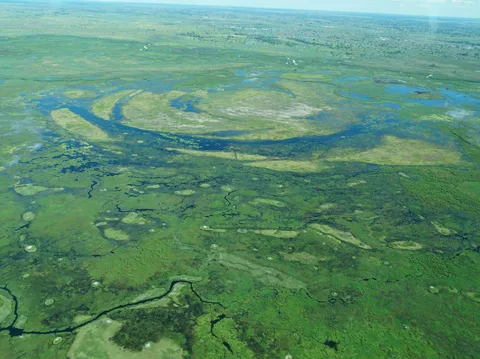
The park has four main areas. Serondela on the Chobe Riverfront has floodplains and woodland and is the most visited section; it is the only place in Botswana where puku antelope can be seen, and large numbers of southern carmine bee-eaters appear in season. Savuti Marsh, in the west, is a remnant of a large inland lake; its erratic channel dried for long periods, and it flowed again to the marsh in January 2010 for the first time since 1982. Linyanti Marsh, in the northwest, supports lions, leopards, African wild dogs, roan and sable antelope, hippo and crocodiles. The Nogatsaa Hinterland is a hot, dry woodland between the two marshes and is a good place to find common eland.
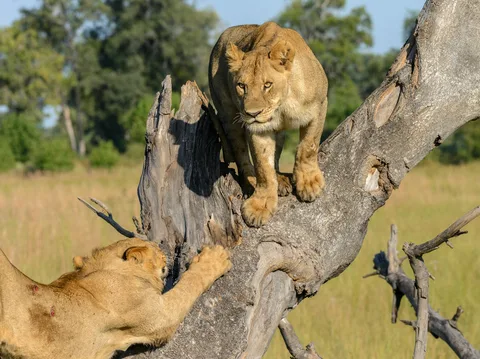
Lions, hyenas and occasionally cheetahs are seen across the park, and lions prey on elephants, mostly calves and juveniles. Savuti hosts black and white rhinoceros, warthog, greater kudu, impala, zebra and wildebeest, and its rainy season brings around 450 bird species. The Chobe riverfront draws spoonbills, ibises, storks and ducks when flooded.
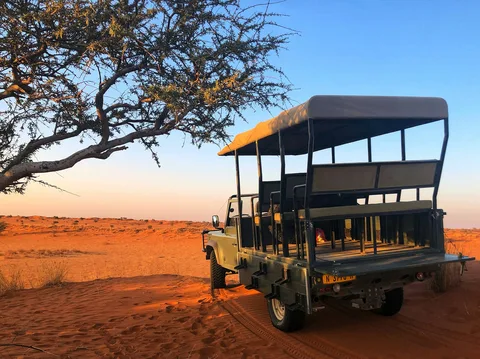
The Chobe River forms the northeastern boundary and is a major watering point, especially from May to October. It flows eastward toward the Zambezi and Victoria Falls. Chobe is part of the Kavango-Zambezi Transfrontier Conservation Area and borders Namibia's Caprivi Strip in part. Wikipedia notes that four-wheel-drive vehicles are needed inside the park because of deep sand in the dry season and mud after rain, so a private driver with local experience suits the terrain. Riverside game drives and river cruises give two different viewpoints on the same wildlife.
See every tour and attraction we cover in Botswana.