TorontoOntario · 36 tours
 Niagara FallsOntario · 25 tours
 New York CityNew York · 30 tours
 Las VegasNevada · 8 tours
 San FranciscoCalifornia · 16 tours
 VancouverBritish Columbia · 17 tours
 DubaiUAE · 54 tours
 Abu DhabiUAE · 5 tours
 Buenos AiresArgentina · 23 tours
 AthensGreece · 31 tours
 AucklandNew Zealand · 38 tours
 CancunMexico · 54 tours
No destinations match “”. Try searching all tours instead — that search understands full questions, not just place names.
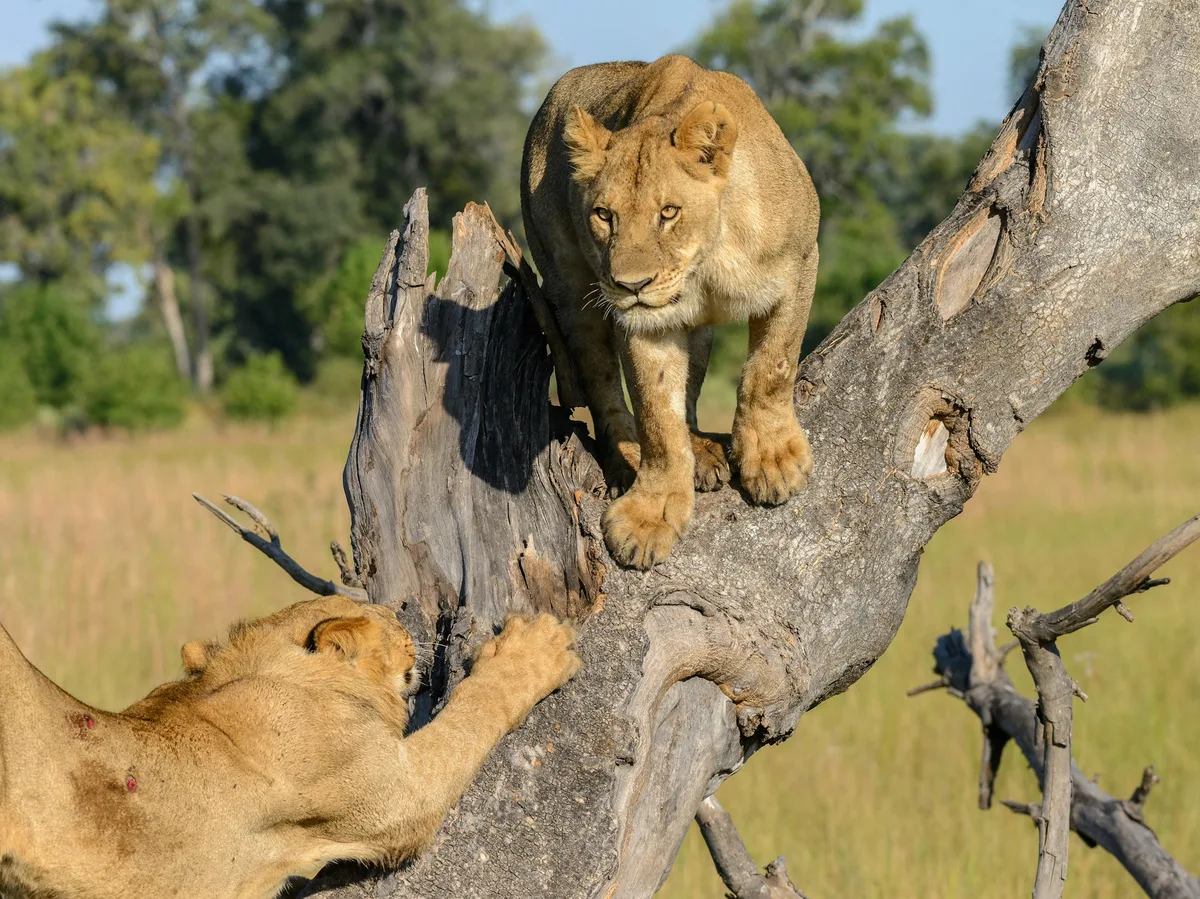
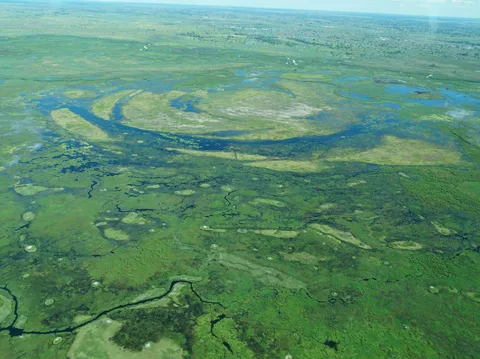
Bordering the eastern side of the Okavango Delta, Moremi combines floodplains, lagoons, and mopane woodland, and is regarded as one of the best reserves in Africa for both predator sightings and general game density.
 Multi-Day Tours Popular Pick
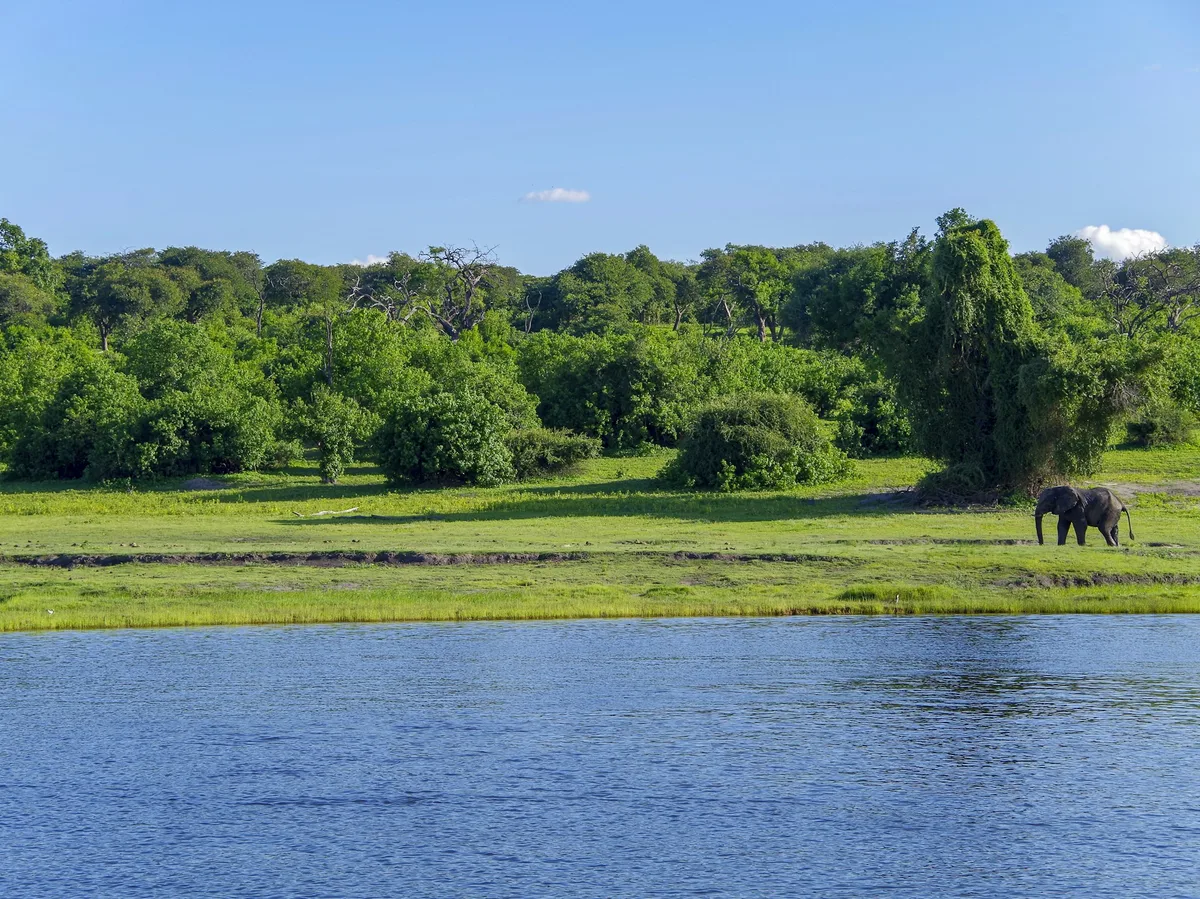
A nine-night circuit through three of Botswana's premier wildlife regions — Moremi Game Reserve, the Okavango Delta, and the Savuti area of Chobe National Park — moving by light aircraft between lodges for twice-daily game drives, boating, and mokoro excursions.
 Multi-Day Tours
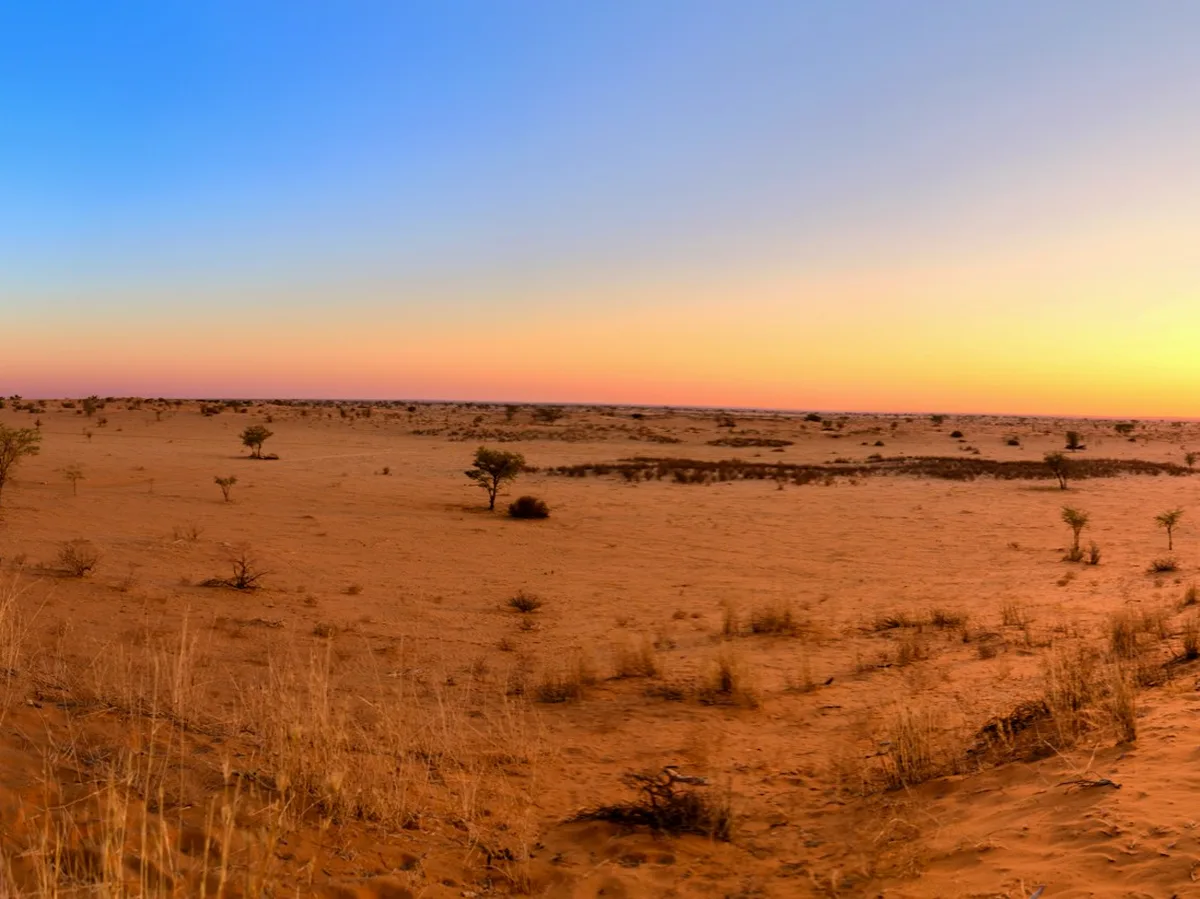
A nine-night journey that pairs the stark beauty of the Central Kalahari with the lush waterways of the Okavango Delta, flying between three camps for game drives, a San Bushmen walking tour, boat cruises, and mokoro excursions.
 Multi-Day Tours
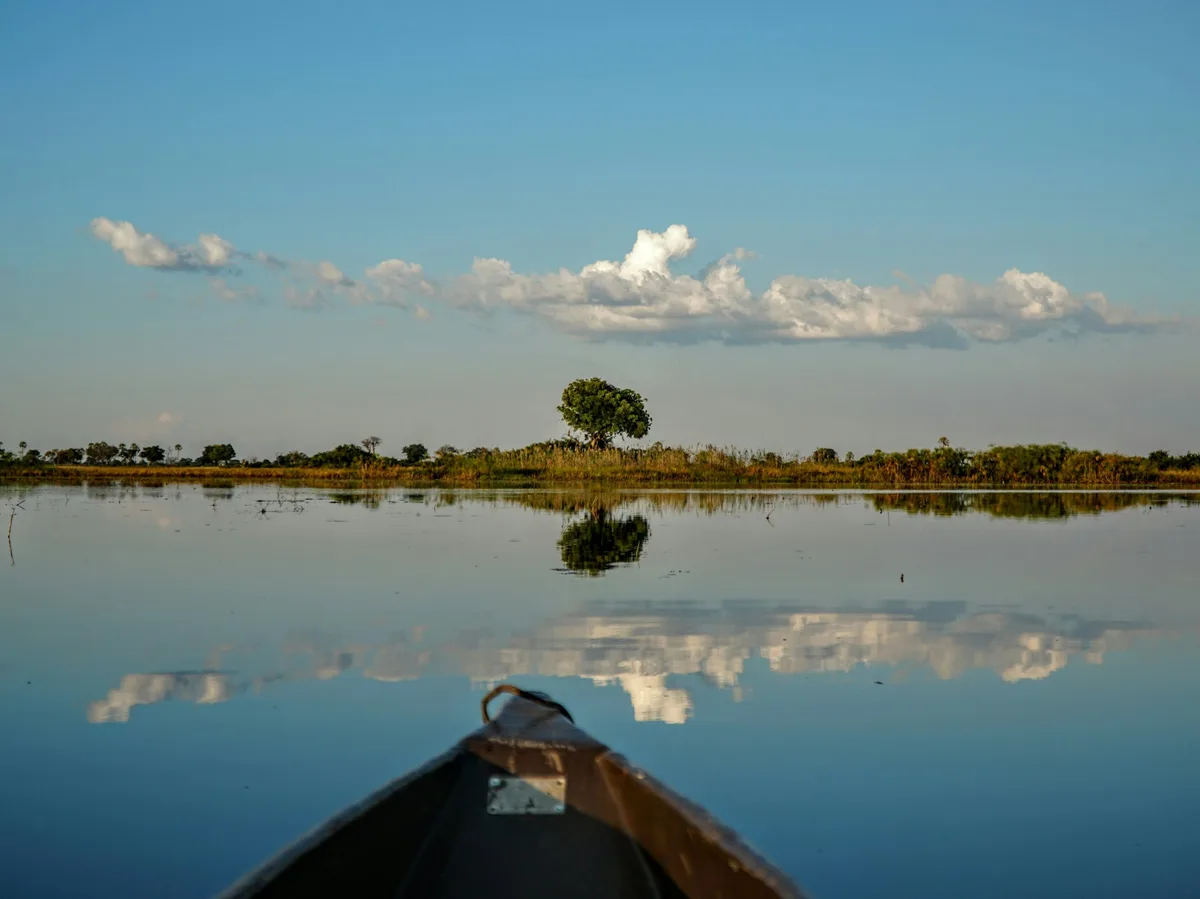
A more affordable six-night safari split between a private reserve on the northern edge of Moremi and the Okavango Panhandle, combining game drives and bush walks with boat trips, fishing, and island-hopping through the Delta's waterways.
 Multi-Day Tours
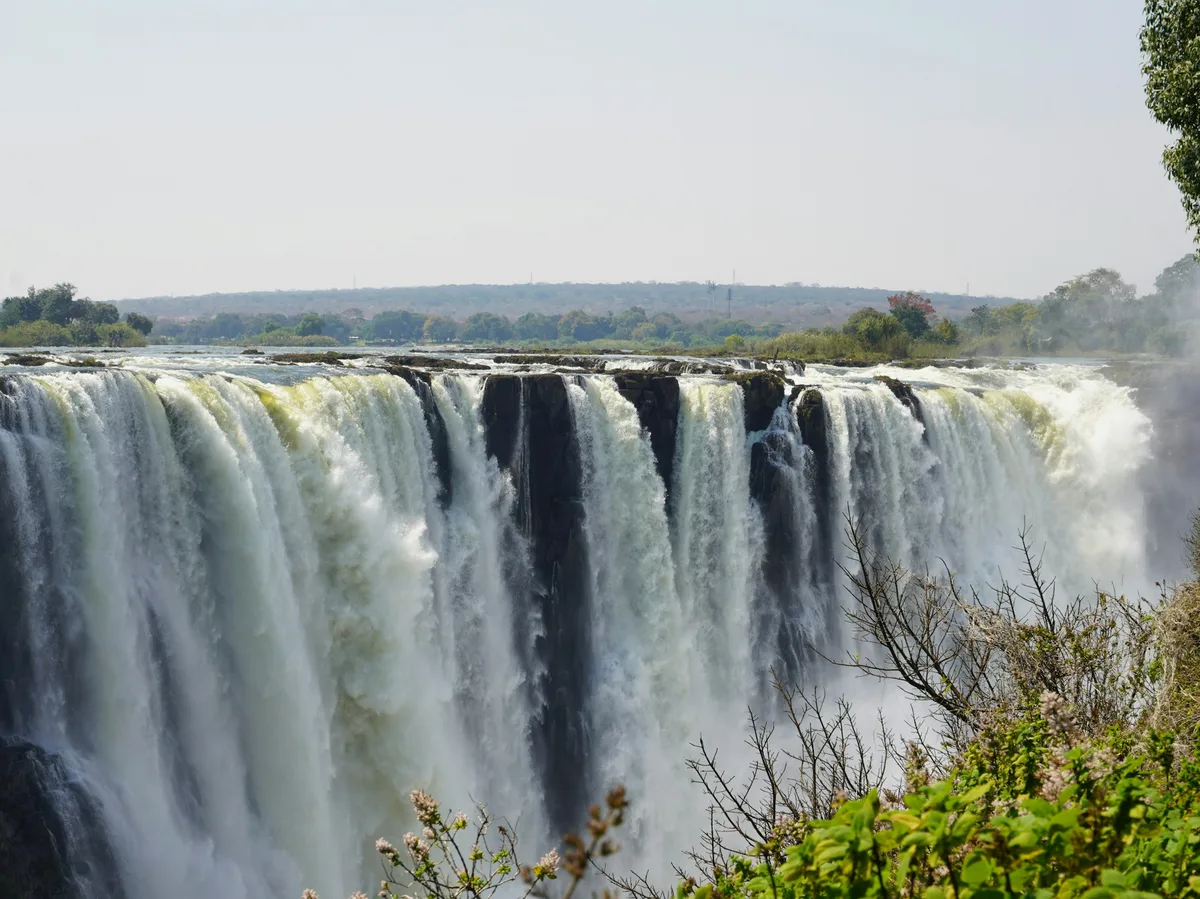
An eleven-night journey that opens with two nights at Victoria Falls before crossing into Botswana for game drives and boat cruises in Chobe National Park, a fly-in stay in the Okavango Delta, and a final safari stretch in Moremi Game Reserve.
Visitor guide
Moremi Game Reserve occupies the eastern side of the Okavango Delta in northern Botswana. It combines floodplains, lagoons and mopane woodland, and is known for its wildlife, including African wild dogs.
Moremi was proclaimed a reserve in 1963 and is named after Chief Moremi III of the Batawana people of Ngamiland. According to Wikipedia, his widow Elizabeth Pulane Moremi, who ruled the area at the time, pushed for wildlife conservation out of concern over hunting. It was designated a game reserve rather than a national park, which allowed the Basarwa, or Bushmen, who had long lived there to remain. In the 1970s Chief Moremi's Royal Hunting Grounds were added, expanding the reserve.
Sources differ on its size: Botswana Tourism gives roughly 3,900 square kilometres, while others cite just under 5,000 after boundary extensions, and only about 30 percent is mainland; most of it lies within the delta itself. Chiefs Island and the Moremi Tongue are prominent features. Habitats include mopane woodland, acacia forest, floodplains and lagoons, with permanent water alongside drier ground. The sharp contrasts mean that within a short drive the scenery can change from open water to dry woodland. Xakanaxa and Third Bridge are among the named areas, and the reserve borders Chobe National Park to the northeast. It is part of the Kavango-Zambezi Transfrontier Conservation Area.
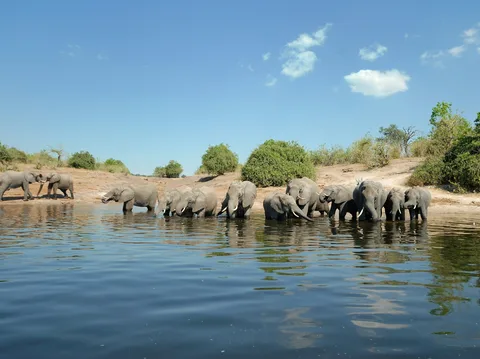
Wikipedia lists lion, leopard, African elephant, buffalo, black rhinoceros, hippopotamus, giraffe, zebra, wildebeest, cheetah, spotted hyena, warthog, impala and lechwe among the mammals, with more than 400 bird species recorded according to Botswana Tourism (some sources give higher counts). The wooded areas support leopards and Cape wild dogs. African wild dogs are a particular focus: a research project has studied the local population since 1989, so many dogs wear researchers' collars. Game viewing is described as peaking from July to October, when animals gather at permanent water.
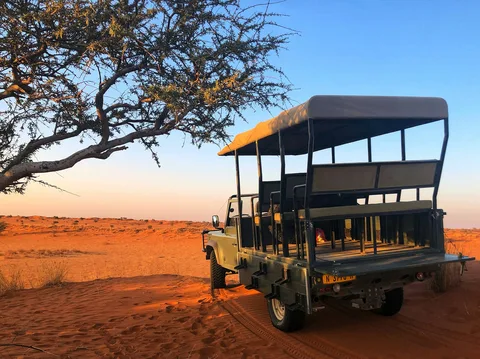
Botswana's policy of low-impact, high-value tourism keeps lodges few and visitor numbers low. Most lodges lie on the outskirts of the reserve, and travel between them is usually by light aircraft or helicopter. Visitors can explore by four-wheel-drive vehicle, on foot where permitted, or by mokoro, the traditional dugout canoe now often made of fibreglass. Camping areas include South Gate, Third Bridge, Xakanaxa and Khwai.
Roads change with the seasons and the water level, so travel in the reserve needs local knowledge and appropriate vehicles. Wikipedia advises carrying recovery gear for water crossings and taking malaria precautions. A private guided visit with an experienced driver and guide suits the demanding conditions. Because most of the reserve lies within the delta, the flood pattern shapes both the landscape and the routes available at any time of year.
Wikipedia also notes that organised rhino poaching rose sharply in Botswana from April 2019, and that conservation of rhino remains a concern in the delta region. Strong management and the reserve's remote setting remain central to protecting its wildlife.
See every tour and attraction we cover in Botswana.