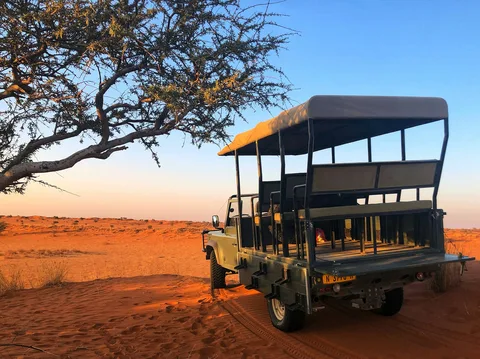
TorontoOntario · 36 tours
 Niagara FallsOntario · 25 tours
 New York CityNew York · 30 tours
 Las VegasNevada · 8 tours
 San FranciscoCalifornia · 16 tours
 VancouverBritish Columbia · 17 tours
 DubaiUAE · 54 tours
 Abu DhabiUAE · 5 tours
 Buenos AiresArgentina · 23 tours
 AthensGreece · 31 tours
 AucklandNew Zealand · 38 tours
 CancunMexico · 54 tours
No destinations match “”. Try searching all tours instead — that search understands full questions, not just place names.
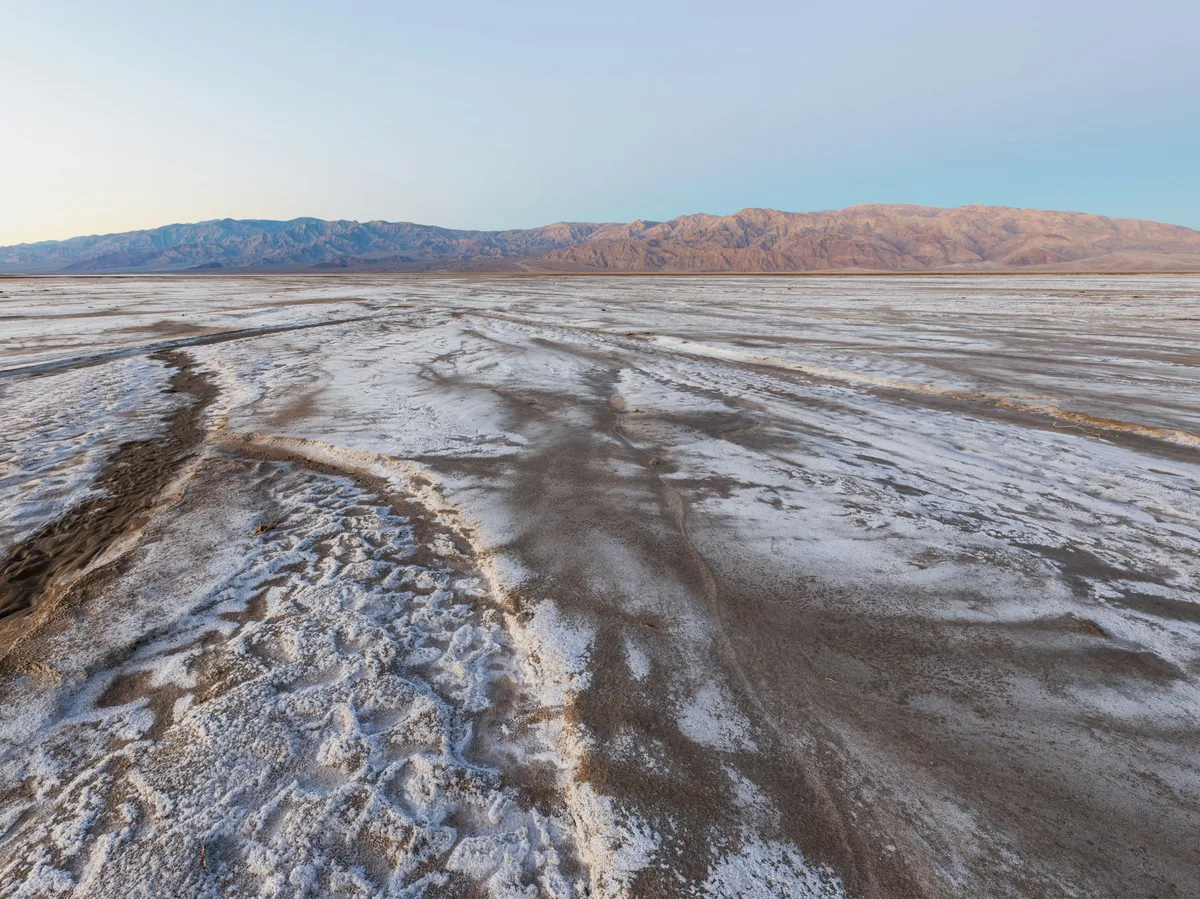
One of the largest salt pan networks on Earth, this vast, shimmering expanse in northeastern Botswana hosts a dramatic zebra and wildebeest migration in the wet season and stark, otherworldly landscapes year-round.
Visitor guide
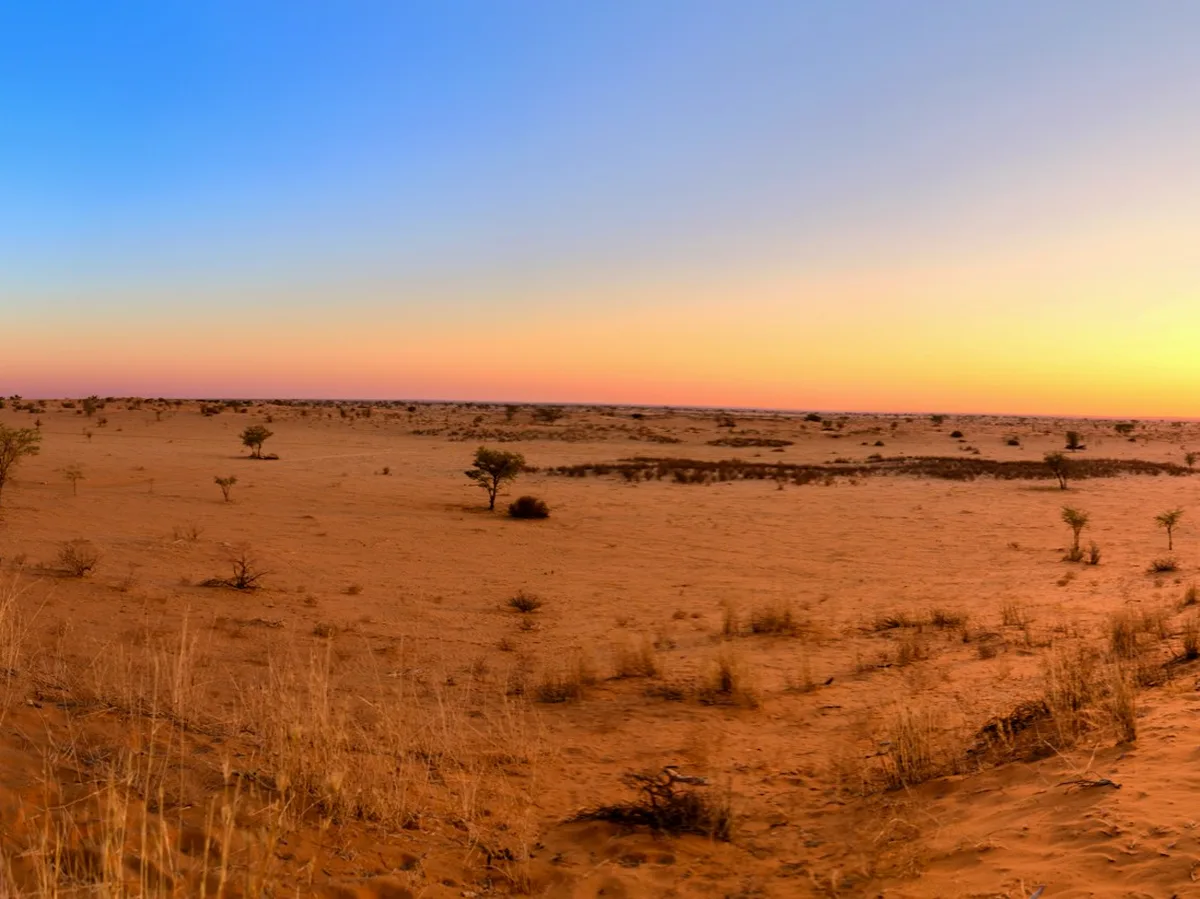
Makgadikgadi Pan is a vast network of salt pans in the dry savanna of north-eastern Botswana, among the largest salt flats in the world. It is the remnant of a former giant lake and is known for its stark white expanses, baobab landmarks and seasonal wildlife.
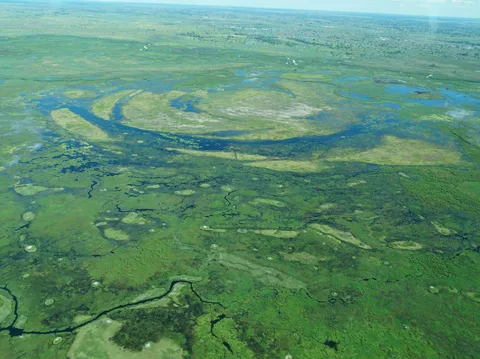
According to Wikipedia, the pans are all that remains of the formerly enormous Lake Makgadikgadi, which dried up tens of thousands of years ago. Together they cover about 16,000 square kilometres by common estimates (Botswana's UNESCO tentative-list entry gives over 30,000 square kilometres) in the Kalahari Basin, and the largest single pan is around 4,900 square kilometres. The largest pans are Sua, Ntwetwe and Nxai. Relic shorelines mark the old lake edge and are most visible on the Gidikwe Ridge. The main water source is the Nata River, with a smaller supply from the Boteti River, which carries water from the Okavango Delta.
The pan floors are mostly a dry, salty clay crust, with a thin layer of blue-green algae as their only plant life. Around the edges lie salt marshes, grassland and shrubby savanna. Baobab trees serve as local landmarks; one named after the explorer James Chapman was used as an informal post office by nineteenth-century explorers, according to Wikipedia. Kubu Island, a rocky outcrop with baobab trees in Sua Pan, is a protected national monument.
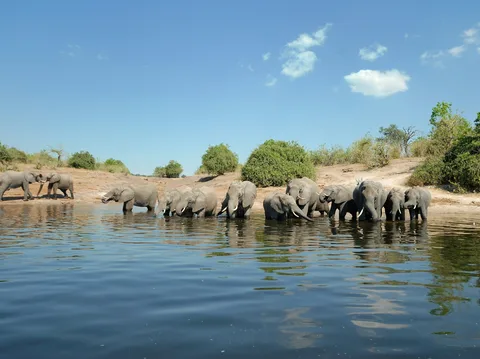
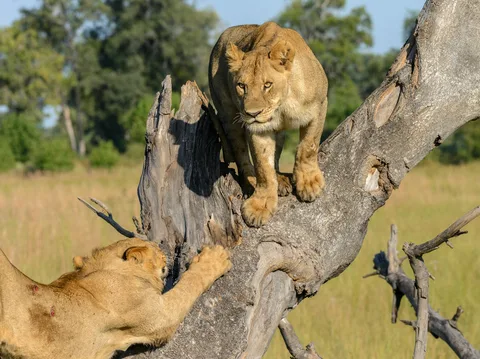
When rain falls, the pans change. Wikipedia describes the area as an important habitat for migrating wildebeest and one of the largest zebra populations in Africa, followed by large predators. Migratory birds such as ducks, geese and great white pelicans arrive in the wet season. The pans host one of only two breeding populations of greater flamingos in southern Africa, at Sua Pan; the other is at Etosha in Namibia. In the dry season few animals remain, mainly ostriches and plovers. The grassland fringes also support meerkats, Cape ground squirrels, tortoises, rock monitors and the endemic Makgadikgadi spiny agama.
Stone tools found in the area show a prehistoric human presence, and Wikipedia says some may be older than Homo sapiens. Pastoralists grazed livestock around the pans when water was more plentiful. The article also links early Homo sapiens evolution in the region to around 200,000 years ago, though that connection is an interpretation from the source rather than a settled fact.
Parts of the area fall within Makgadikgadi Pans National Park and Nxai Pan National Park. Commercial salt and soda ash extraction began at Sua Pan in 1991. Wikipedia notes that a planned Nata River diversion for irrigation could severely damage the ecosystem, and that off-road vehicles disturb flamingo colonies. Illegal hunting is also a problem, and fencing on nearby land can block wildlife movements.
The pans can be reached from Nata, Maun or Gweta. Travel across them depends on the season, since surfaces that are firm in the dry season can become soft or flooded after rain. Local knowledge matters, so a private guided visit with an experienced driver is a sensible way to cross the area and to time a trip for either the green season or the dry months.
See every tour and attraction we cover in Botswana.