TorontoOntario · 36 tours
 Niagara FallsOntario · 25 tours
 New York CityNew York · 30 tours
 Las VegasNevada · 8 tours
 San FranciscoCalifornia · 16 tours
 VancouverBritish Columbia · 17 tours
 DubaiUAE · 54 tours
 Abu DhabiUAE · 5 tours
 Buenos AiresArgentina · 23 tours
 AthensGreece · 31 tours
 AucklandNew Zealand · 38 tours
 CancunMexico · 54 tours
No destinations match “”. Try searching all tours instead — that search understands full questions, not just place names.
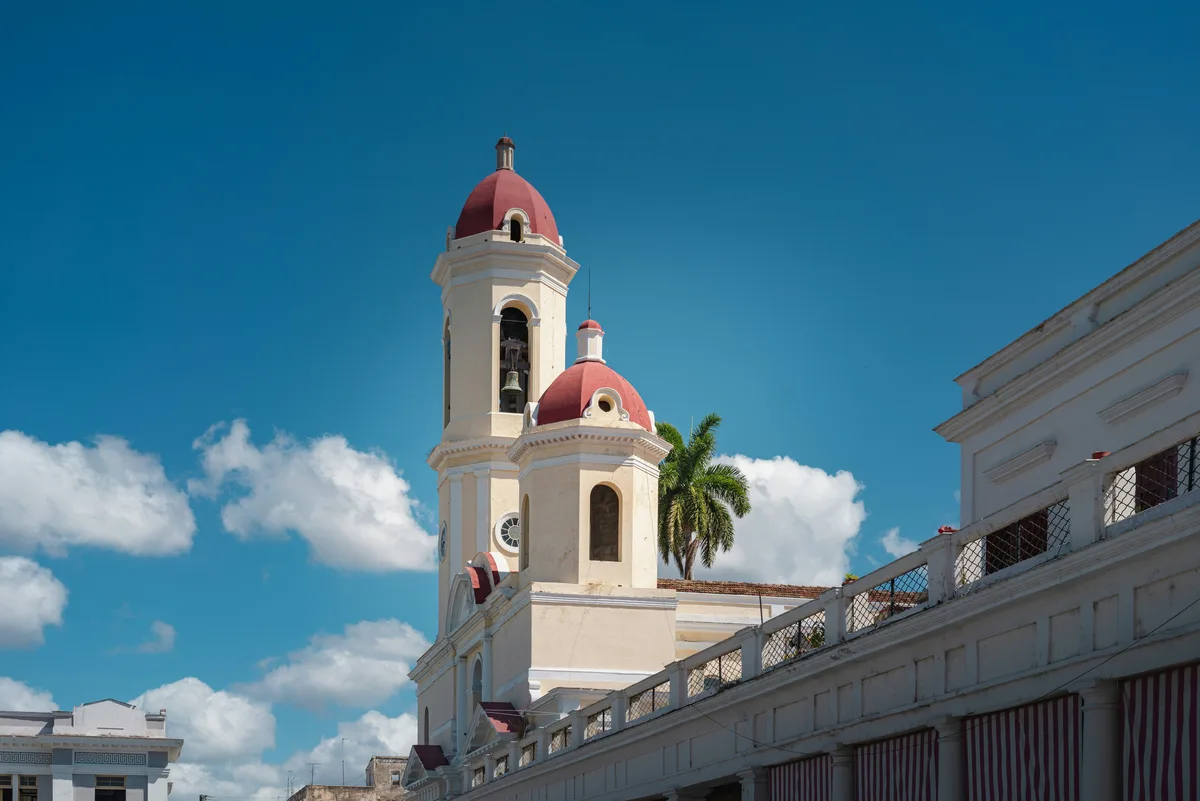
A UNESCO-listed port city on Cuba's south coast known for its French and Spanish neoclassical architecture, wide Paseo del Prado boulevard, and the domed cathedral overlooking Parque Marti.
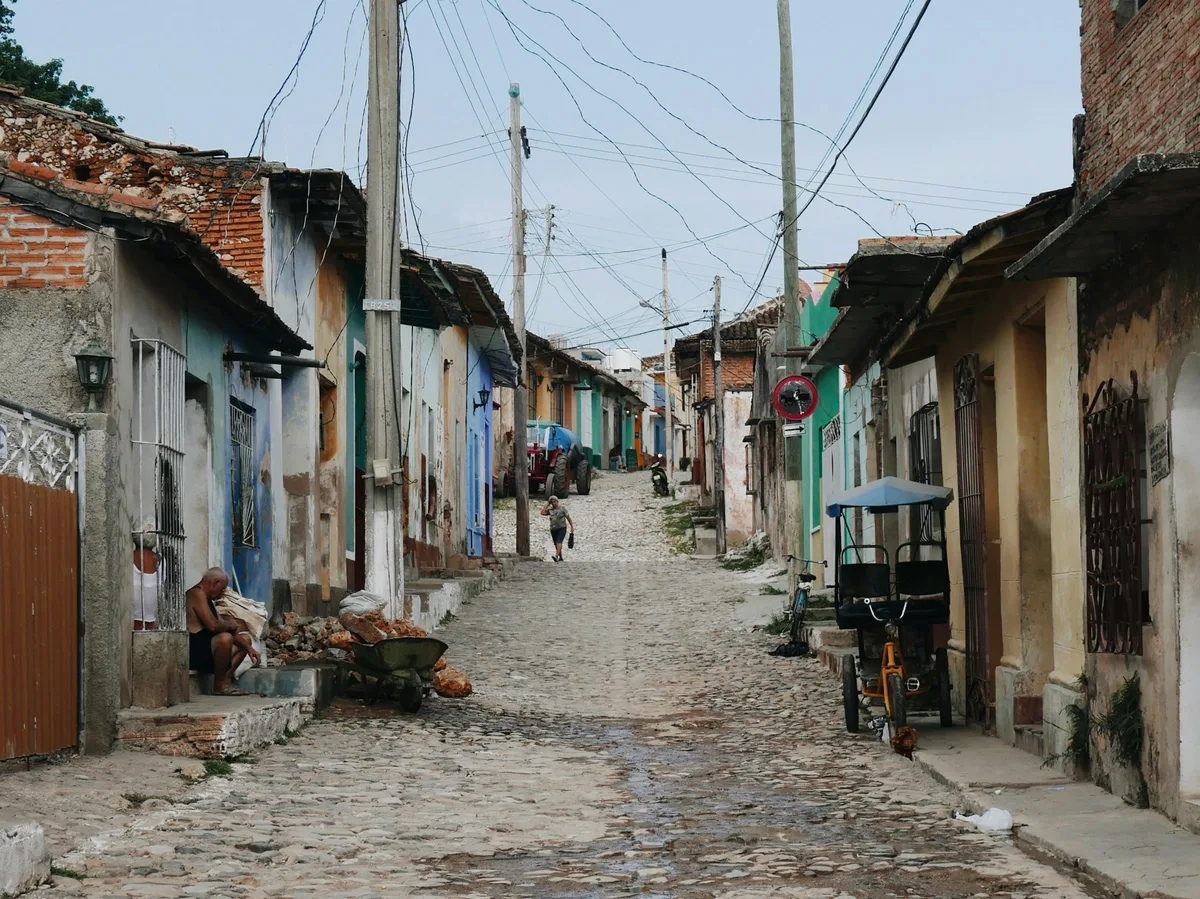 Multi-Day Tours
A 10-day route that goes beyond the postcard stops — Havana's Old Town, the eco-community of Las Terrazas, the French-colonial port of Cienfuegos, Trinidad, and Che Guevara's Santa Clara.
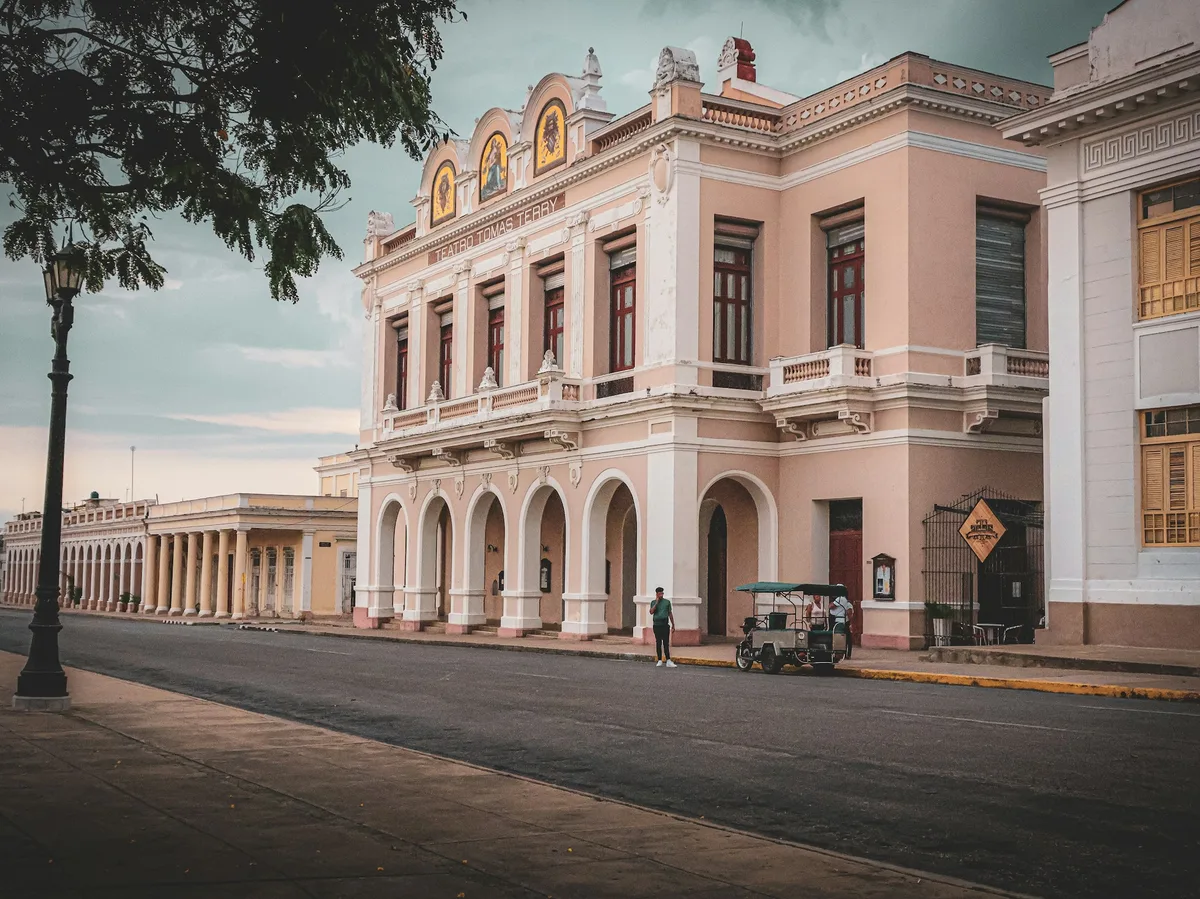 Multi-Day Tours
A 12-day pairing of Western Cuba's historic cities — Havana, Viñales, Cienfuegos and Trinidad — with three unwinding days at the all-inclusive Cayo Ensenachos beach resort.
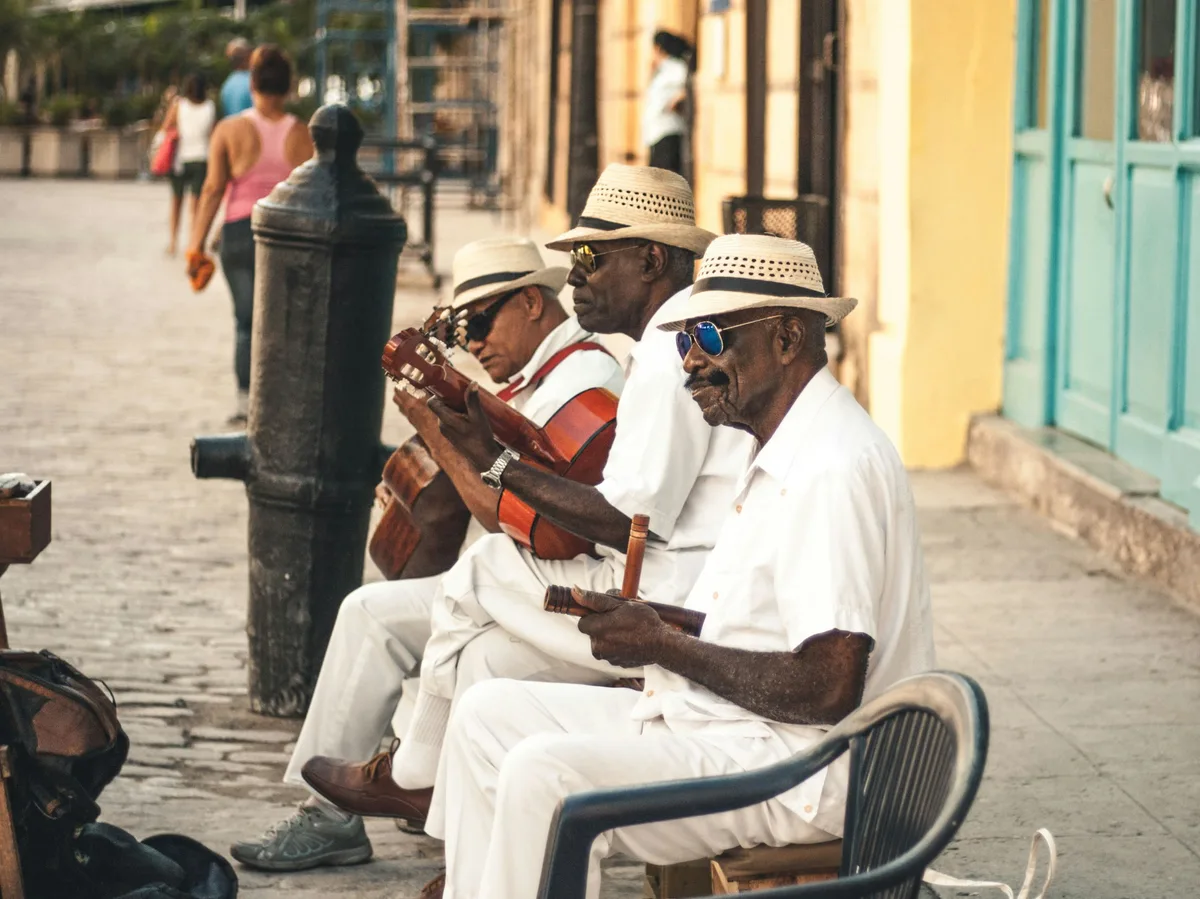 Multi-Day Tours
A 10-day cultural route — Havana by vintage car, a full day at the Valle de los Ingenios sugar estates, a bicitaxi tour of Trinidad, and three days unwinding in Varadero.
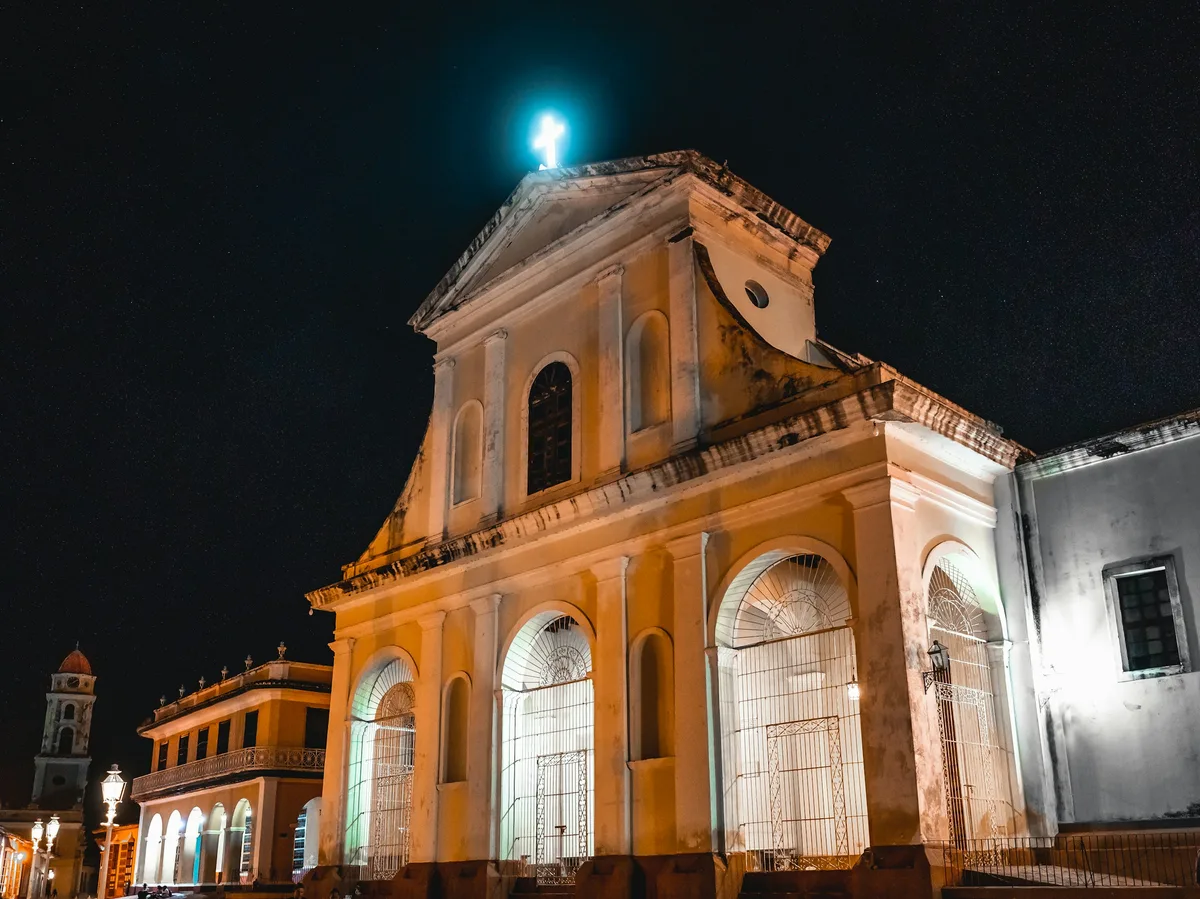 Multi-Day Tours
A romance-paced 12-day route from Havana through Viñales, Cienfuegos and Trinidad, finishing with four nights at an all-inclusive resort on Cayo Santa María.
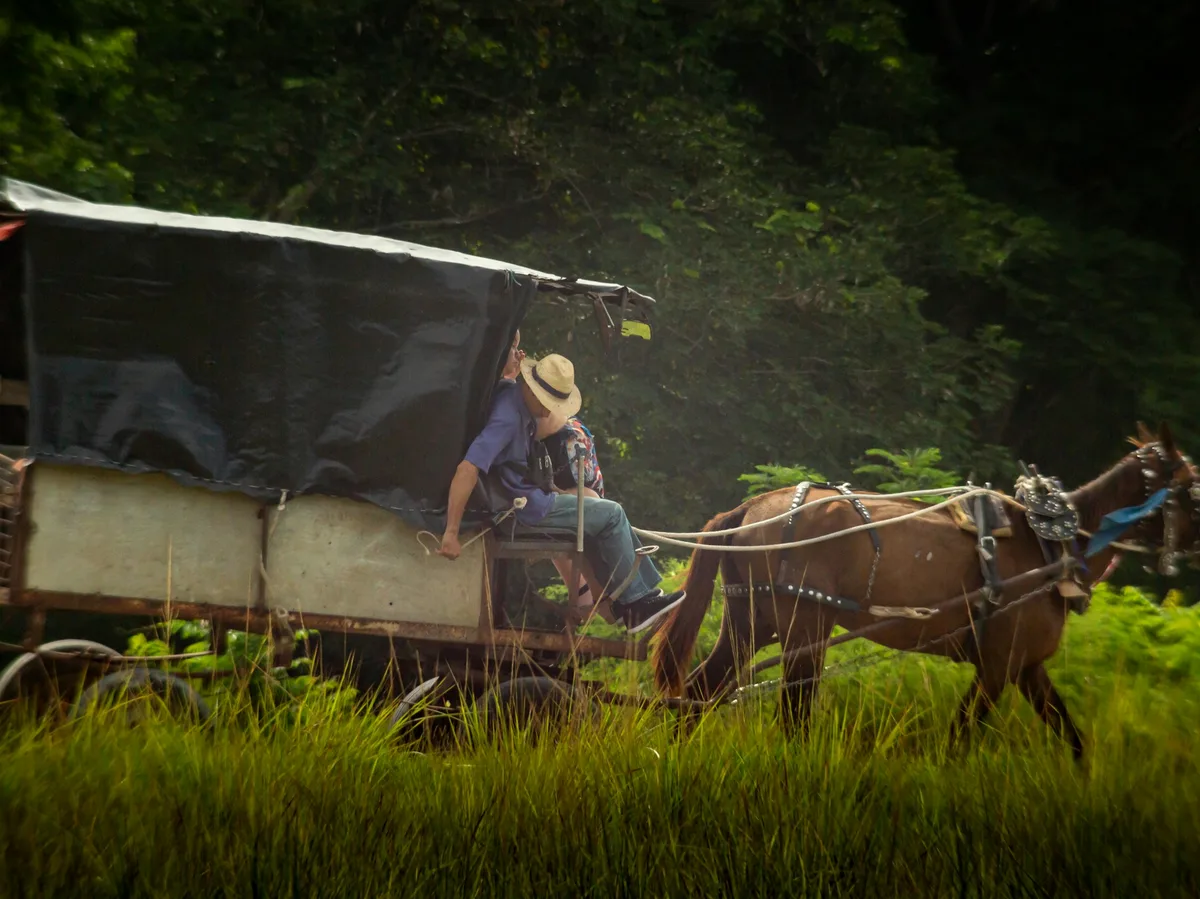 Multi-Day Tours
A more active 15-day route balancing Havana and Trinidad's colonial streets with a canopy tour, cave exploring, cycling and a kayak trip through Cienfuegos Bay.
Visitor guide
Cienfuegos is a city on Cuba's south coast, founded in 1819 by French settlers and nicknamed La Perla del Sur, the Pearl of the South. Its Urban Historic Centre was inscribed by UNESCO in 2005 as an example of early nineteenth-century Spanish Enlightenment town planning.
Wikipedia says French settlers from Bordeaux and Louisiana, led by Don Louis de Clouet, founded the city on 22 April 1819 and called it Fernandina de Jagua. It became a town in 1829 and a city in 1880. The city sits on the Bay of Jagua, whose entrance has been guarded since 1745 by the Castillo de Jagua against pirates.
UNESCO describes the historic centre as an outstanding early example of how Spanish Enlightenment ideas were applied to urban planning in Latin America in the nineteenth century, with a regular grid of streets around the central square.
The downtown area has 6 buildings from 1819 to 1850, 327 from 1851 to 1900 and 1,188 from the twentieth century, according to Wikipedia. Spanish, Catalan and Asturian businessmen commissioned many landmark buildings. The Palacio del Valle, built from 1913 to 1917, is in Moorish Revival style, and the Teatro Tomas Terry is a colonial-style theatre. Parque Jose Marti lies on the Plaza de Armas.
The mixture of neoclassical and eclectic facades gives the city a tidy, open feel compared with older colonial towns.
The Palacio del Valle was designed by the Italian architect Alfredo Colli. A merchant, Celestino Caces, commissioned the villa and then sold it, and the Asturian-born Acisclo del Valle Blanco bought the property and had construction finished. It was declared a National Monument in 2000. The palace's Moorish revival arcades and roof pavilions make it one of the most photographed buildings in the city.
Sugar cane is the main crop, and the city is a centre of the sugar trade along with coffee and tobacco. Since the late 1960s it has also been a major industrial centre, especially in energy and sugar. Its climate is tropical savanna, with daytime highs from about 27 degrees Celsius in winter to about 32 in summer and annual rainfall of roughly 1,070 millimetres, with the wettest months from August to October.
The city's location on a large natural bay shaped its role as a port. Wikipedia notes that coffee and tobacco were traded along with sugar, and that French influence is visible in the grid plan and in the city's early settlers. UNESCO's criteria highlight how new ideas about order and hygiene were applied in a city founded from scratch in the nineteenth century.
Cienfuegos is often visited between Havana and Trinidad. A private guided visit lets a driver and guide link the plaza, theatre and palace and the bay, and can adapt timing to heat. Opening arrangements for the buildings vary, so confirm them in advance.
See every tour and attraction we cover in Cuba.