TorontoOntario · 36 tours
 Niagara FallsOntario · 25 tours
 New York CityNew York · 30 tours
 Las VegasNevada · 8 tours
 San FranciscoCalifornia · 16 tours
 VancouverBritish Columbia · 17 tours
 DubaiUAE · 54 tours
 Abu DhabiUAE · 5 tours
 Buenos AiresArgentina · 23 tours
 AthensGreece · 31 tours
 AucklandNew Zealand · 38 tours
 CancunMexico · 54 tours
No destinations match “”. Try searching all tours instead — that search understands full questions, not just place names.
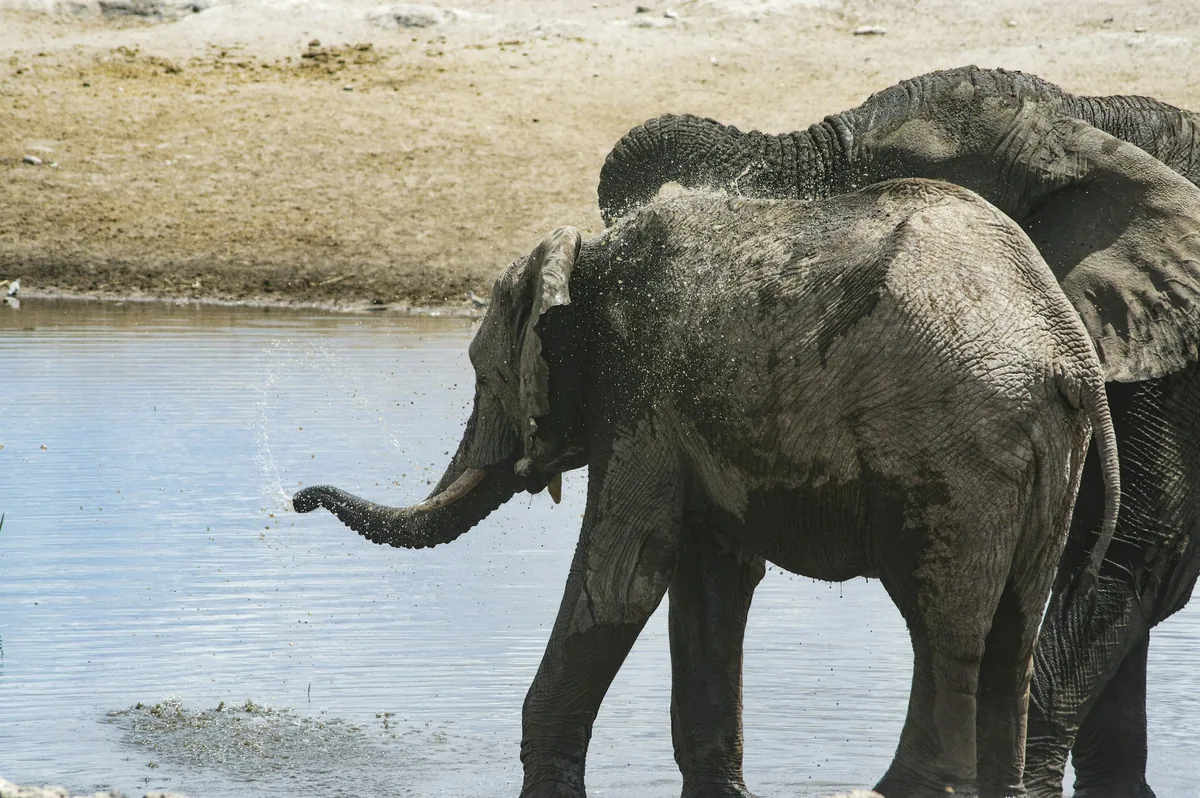
One of Southern Africa's premier game reserves, centered on a vast salt pan visible from space, with waterholes that draw elephants, lions, giraffes, zebras, and black rhinos.
 Multi-Day Tours
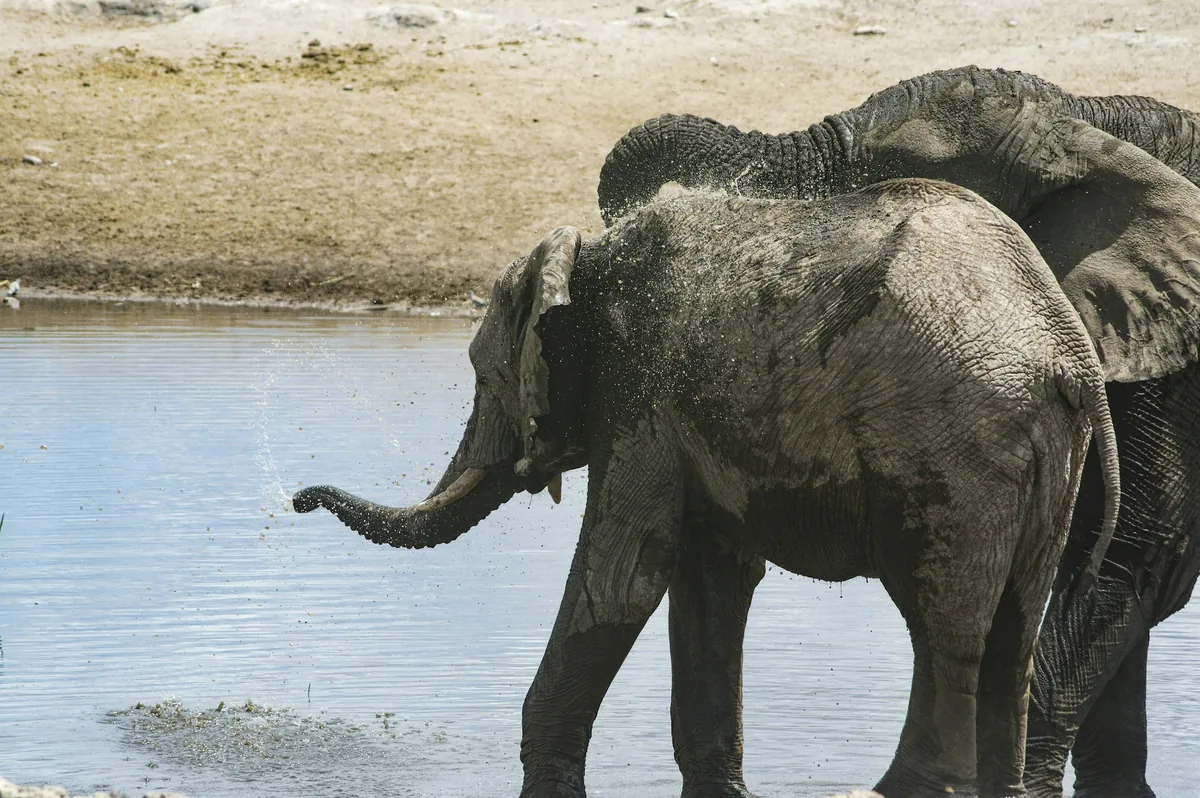
A 10-day Namibia circuit from the AfriCat big-cat sanctuary at Okonjima through Etosha National Park's game drives and the desert-adapted elephants of Damaraland to coastal Swakopmund.
 Multi-Day Tours
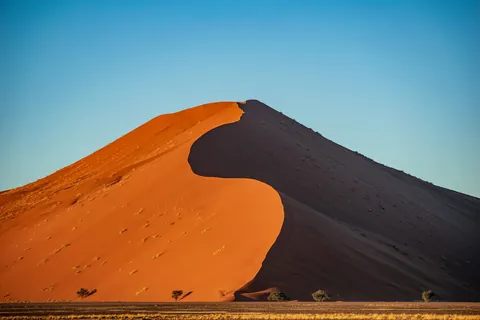
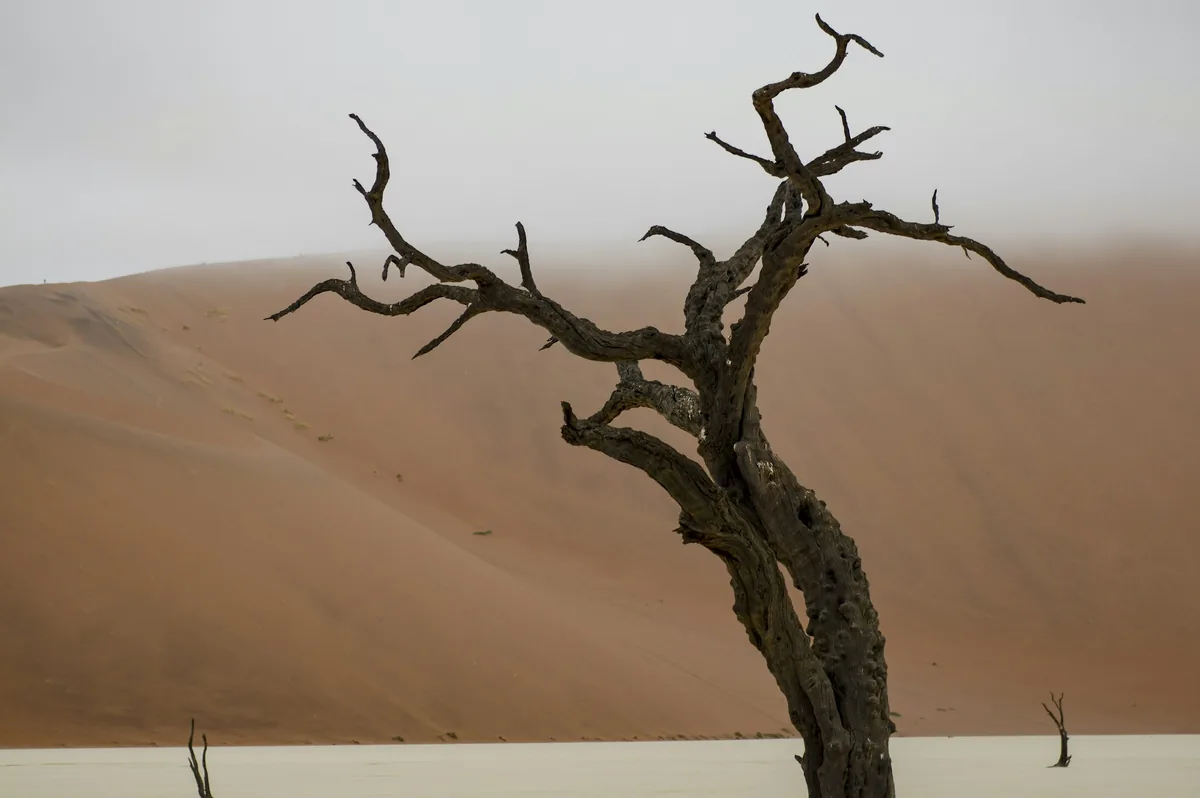
A 14-day private family circuit from Windhoek through the Kalahari and the red dunes of Sossusvlei to Swakopmund, the Himba villages of Kaokoland, and the game drives of Etosha National Park.
 Multi-Day Tours
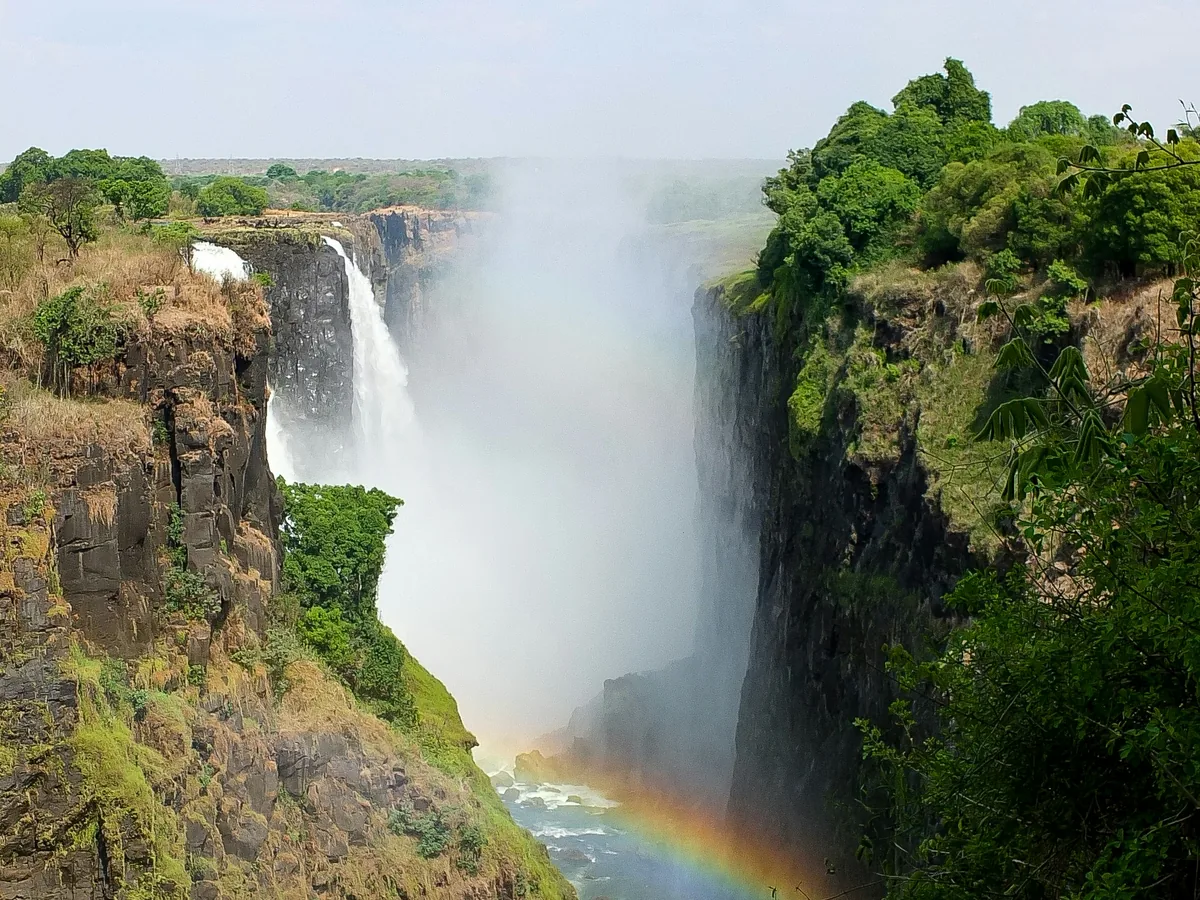
A 20-day private odyssey across Namibia — Sossusvlei, Swakopmund, the Erongo Mountains, and Etosha — continuing overland to Botswana's Chobe National Park with a day trip to Victoria Falls.
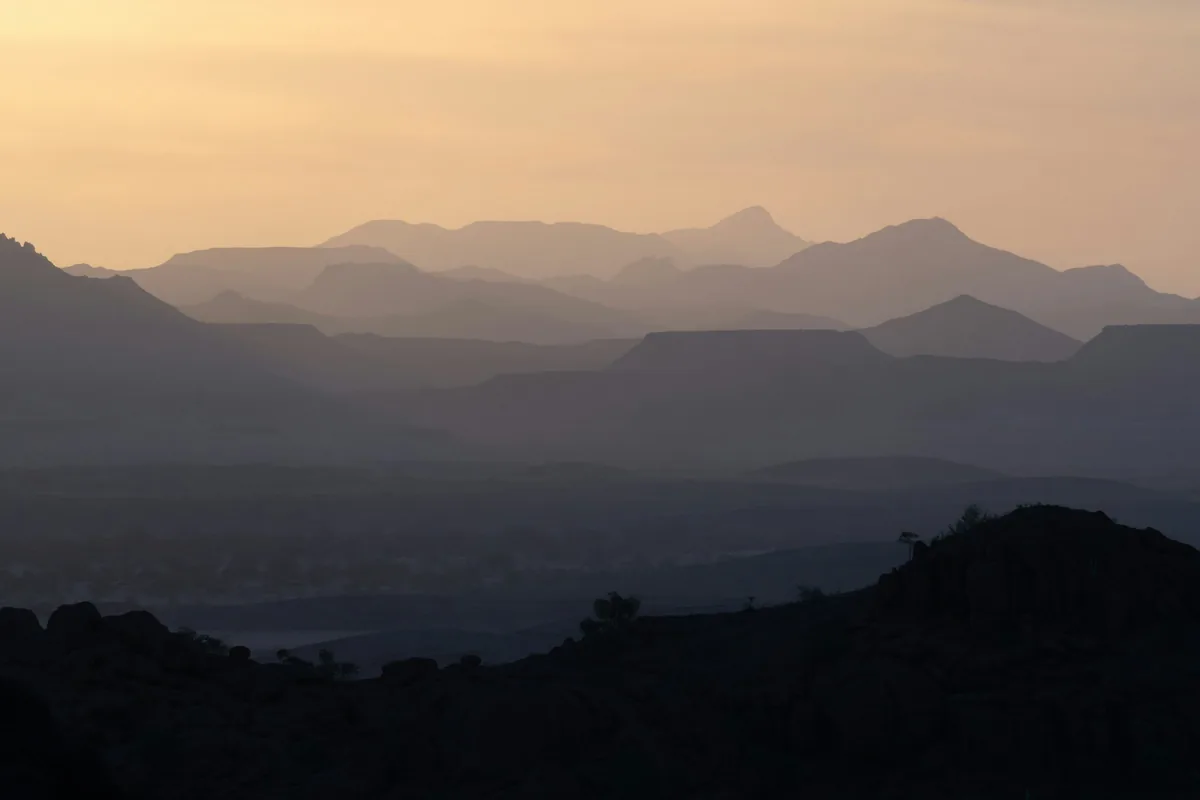 Multi-Day Tours
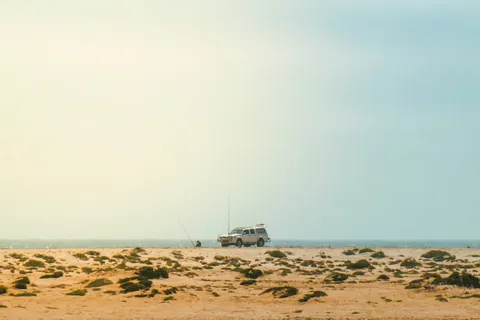
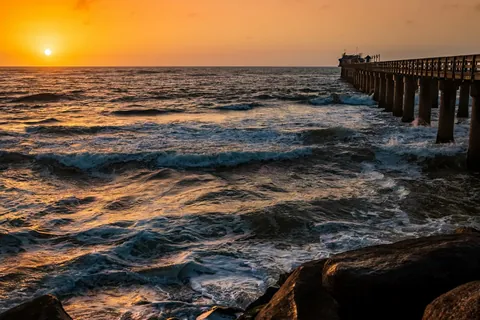
A 12-day private route from the red dunes of Sossusvlei along the Skeleton Coast to Swakopmund, the desert landscapes of Damaraland, and Etosha National Park's east and south, ending at the AfriCat Foundation.
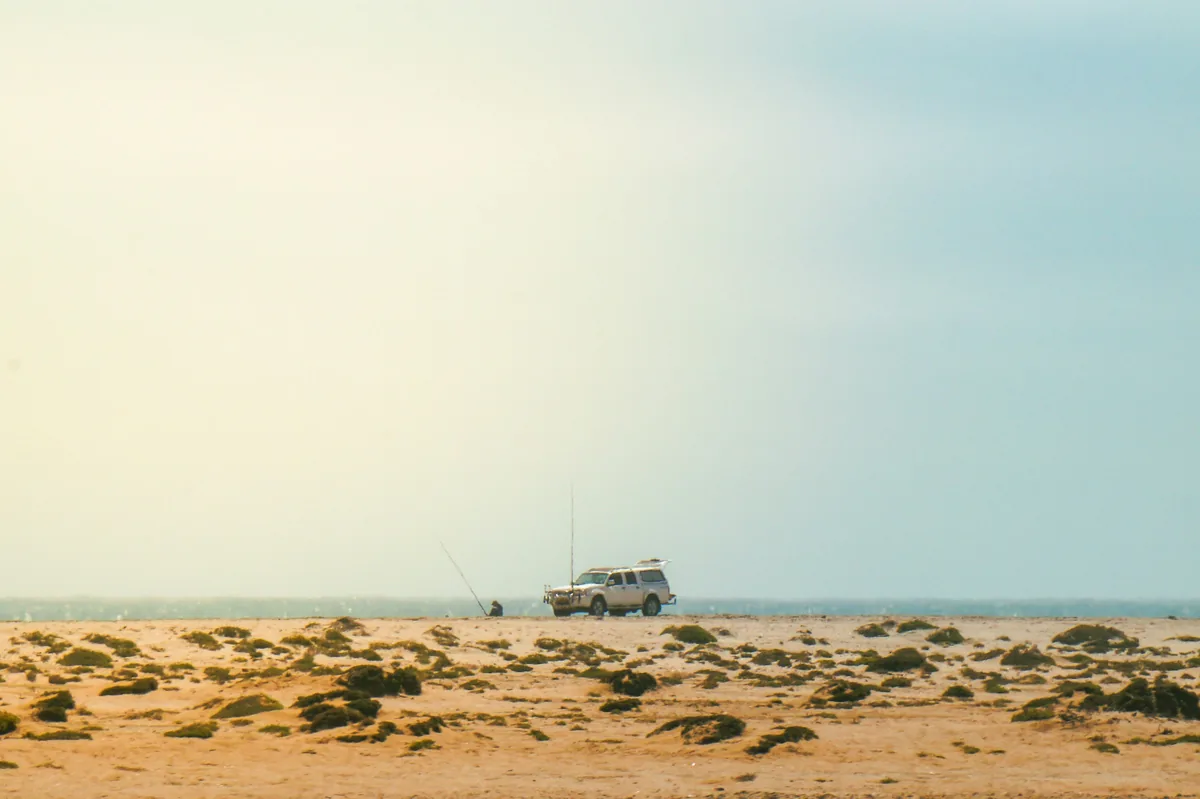 Multi-Day Tours
A 7-day luxury fly-in safari over Sossusvlei's dunes, the shipwreck-strewn Skeleton Coast, and Etosha National Park, linked by private charter flights between exclusive lodges.
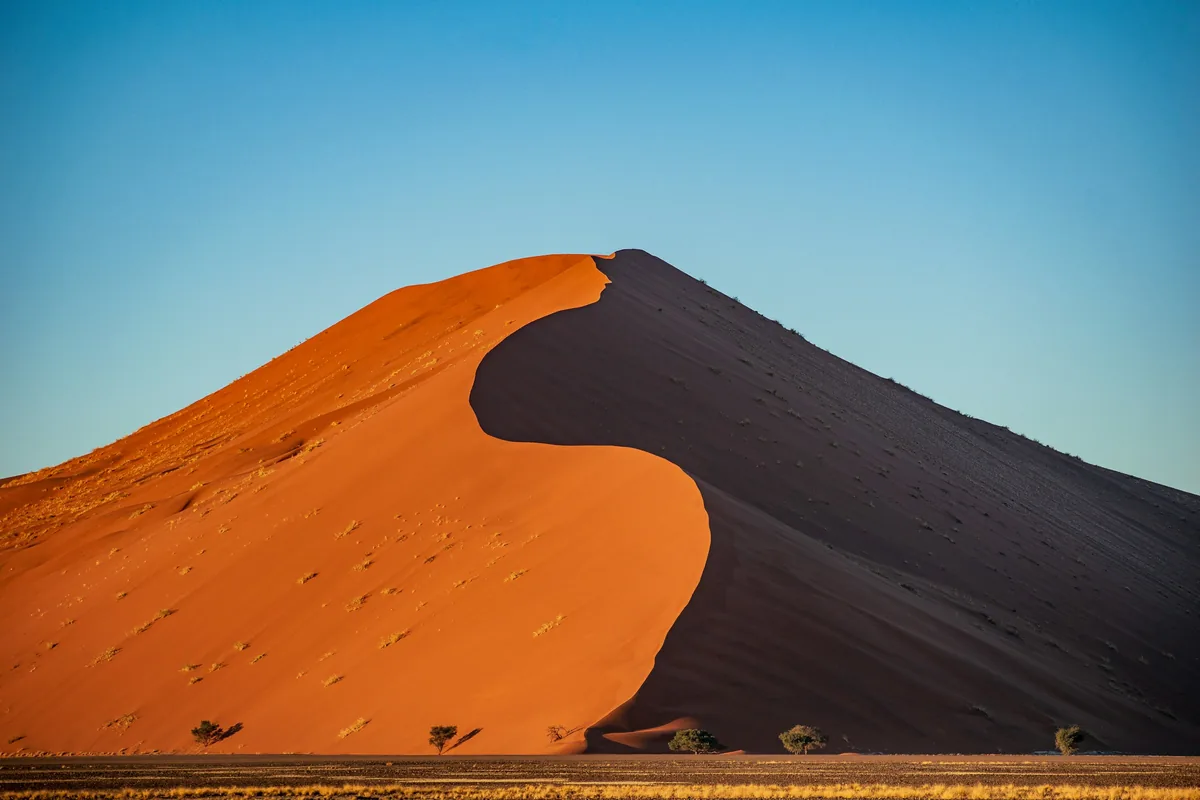 Multi-Day Tours
A 15-day Namibia journey combining classic sights — Sossusvlei, the Skeleton Coast, Damaraland, and Etosha — with overnight hiking trails through the NamibRand Nature Reserve and remote Palmwag Concession.
Visitor guide
Etosha National Park is a large wildlife reserve in northwestern Namibia, built around the Etosha Pan, a vast hypersaline depression. It is one of the best-known safari destinations in Southern Africa and is home to an unusually wide range of large mammals and birds.
According to Wikipedia, Etosha was proclaimed a game reserve in March 1907 by the governor of German South West Africa, Friedrich von Lindequist. It was designated a wildlife protection area in 1958 and gained national park status in 1967, and its present boundaries were set in 1970 after the Odendaal Commission. The park covers roughly 22,000 to 23,000 square kilometres, depending on the source, and is managed by Namibia's environment and tourism ministry.
The name Etosha comes from an Oshindonga phrase usually translated as the Great White Place, while the Hai||om people, who lived around the pan, called it Khubus. Charles John Andersson and Francis Galton recorded the pan in May 1851, although local people had long known it. A fort was built at Namutoni in 1889 and later destroyed and rebuilt, and today Namutoni, Okaukuejo and Halali are the park's best-known camps. The Hai||om were forcibly removed from the park in 1954, a painful part of its history that Namibia has begun to address through resettlement and a recognised traditional authority.
The pan covers about 4,760 square kilometres, roughly a quarter of the park, and sits within a larger depression about 130 kilometres long. It is usually dry and bare, but in summer it can briefly fill with water, drawing pelicans and flamingos. In the dry season, winds lift saline dust and carry it across the country. Most pans are bare apart from a protein-rich salt-tolerant grass that wildebeest and springbok eat.
Most of the park is savanna woodland, dominated by mopane, which is estimated to make up about 80 percent of the trees. The northeast has acacia and Terminalia sandveld, while limestone soils near the pan carry dwarf shrub and thorn-bush savanna. Dolomite hills near Halali and the Andersson gate add variety, and western Etosha is the only part of the park with mountain zebra.
Because the park is dry for much of the year, wildlife concentrates around waterholes. Many are floodlit at camps, and others, such as Nebrownii and Jakkalswater, are named in sources as places where animals gather.
Wikipedia lists about 114 mammal species, 340 bird species, 110 reptile species and 16 amphibian species. Lions, leopards, cheetahs, spotted hyenas and black-backed jackals are present, along with elephants, giraffes, zebras and many antelope such as springbok, gemsbok and kudu. The article calls Etosha a particularly important custodian of black rhinos. Elephants here are noted for very short tusks, which are linked to mineral deficiencies. Cape buffalo and Cape wild dogs no longer live in the park.
Etosha has a savanna desert climate, with summer temperatures often reaching about 40 degrees Celsius and cool winter nights near 10 degrees. Based on the data cited by Wikipedia, rain falls mostly from January to March, with none from May to August. The dry months are generally when animals gather most visibly at water. A private guided visit with a driver suits the long distances between camps, and a local guide can help explain animal behaviour at the waterholes.
See every tour and attraction we cover in Namibia.