TorontoOntario · 36 tours
 Niagara FallsOntario · 25 tours
 New York CityNew York · 30 tours
 Las VegasNevada · 8 tours
 San FranciscoCalifornia · 16 tours
 VancouverBritish Columbia · 17 tours
 DubaiUAE · 54 tours
 Abu DhabiUAE · 5 tours
 Buenos AiresArgentina · 23 tours
 AthensGreece · 31 tours
 AucklandNew Zealand · 38 tours
 CancunMexico · 54 tours
No destinations match “”. Try searching all tours instead — that search understands full questions, not just place names.
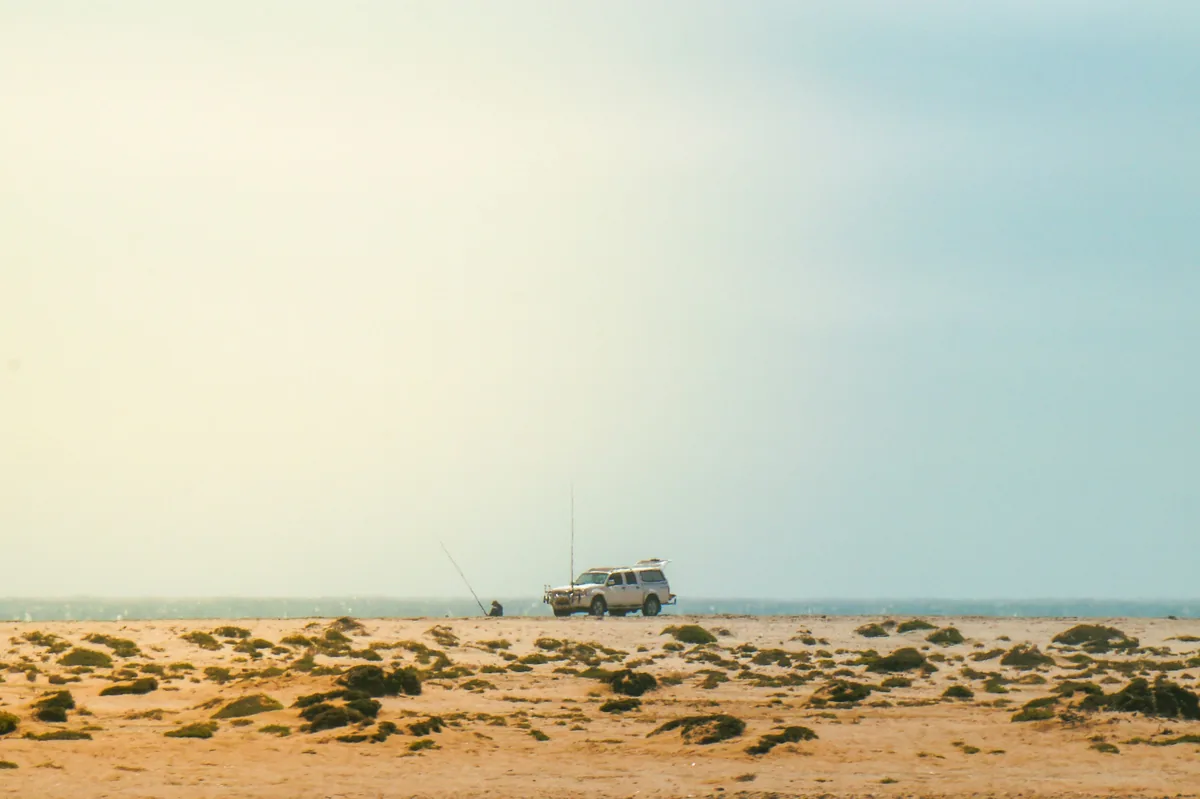
A remote, fog-bound stretch of Namibia's Atlantic coastline known for shipwrecks, seal colonies, and desert-adapted wildlife where the Namib Desert's dunes meet the ocean.
 Multi-Day Tours
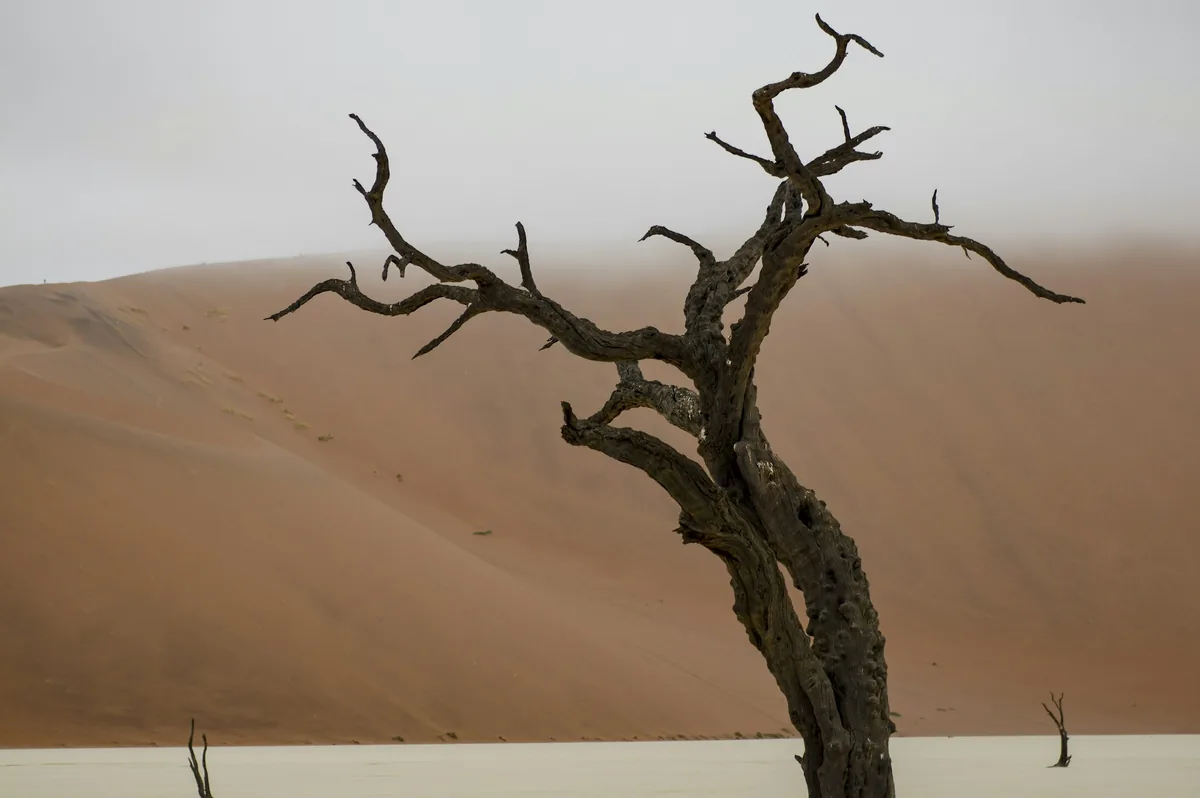
A 14-day private family circuit from Windhoek through the Kalahari and the red dunes of Sossusvlei to Swakopmund, the Himba villages of Kaokoland, and the game drives of Etosha National Park.
 Multi-Day Tours
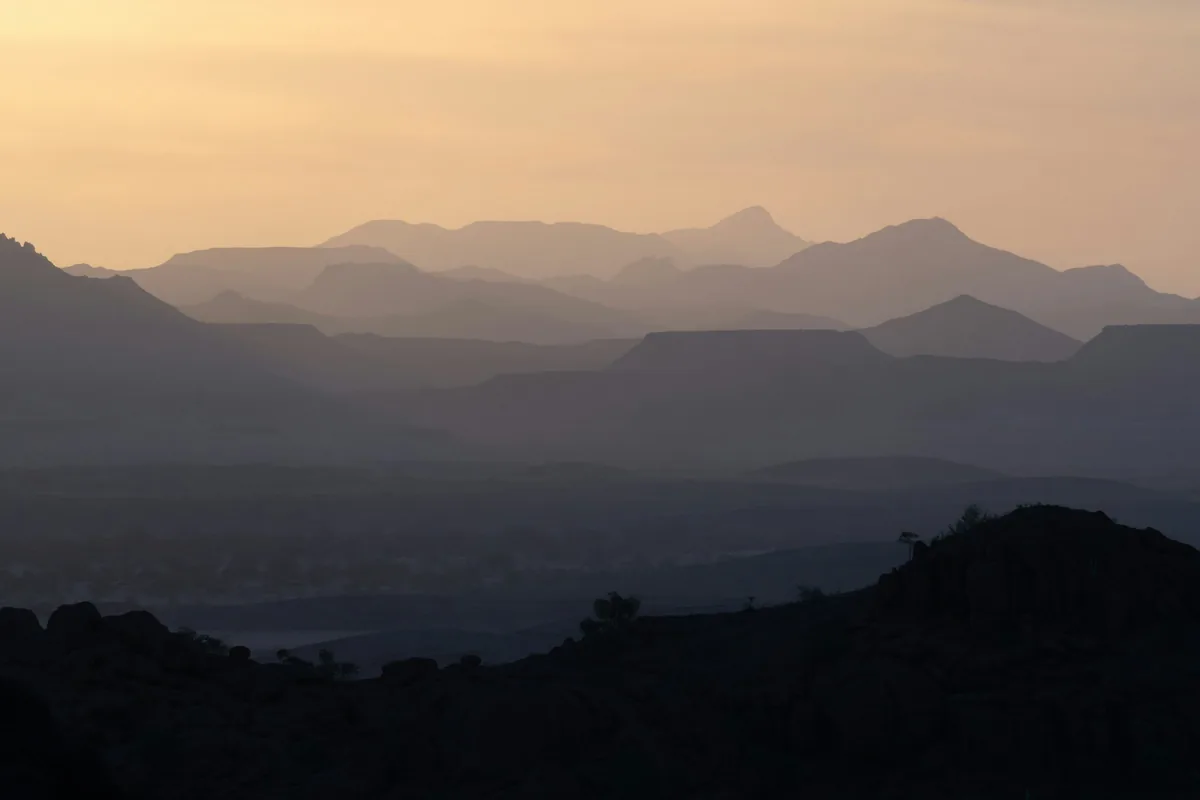
A 12-day private route from the red dunes of Sossusvlei along the Skeleton Coast to Swakopmund, the desert landscapes of Damaraland, and Etosha National Park's east and south, ending at the AfriCat Foundation.
 Multi-Day Tours
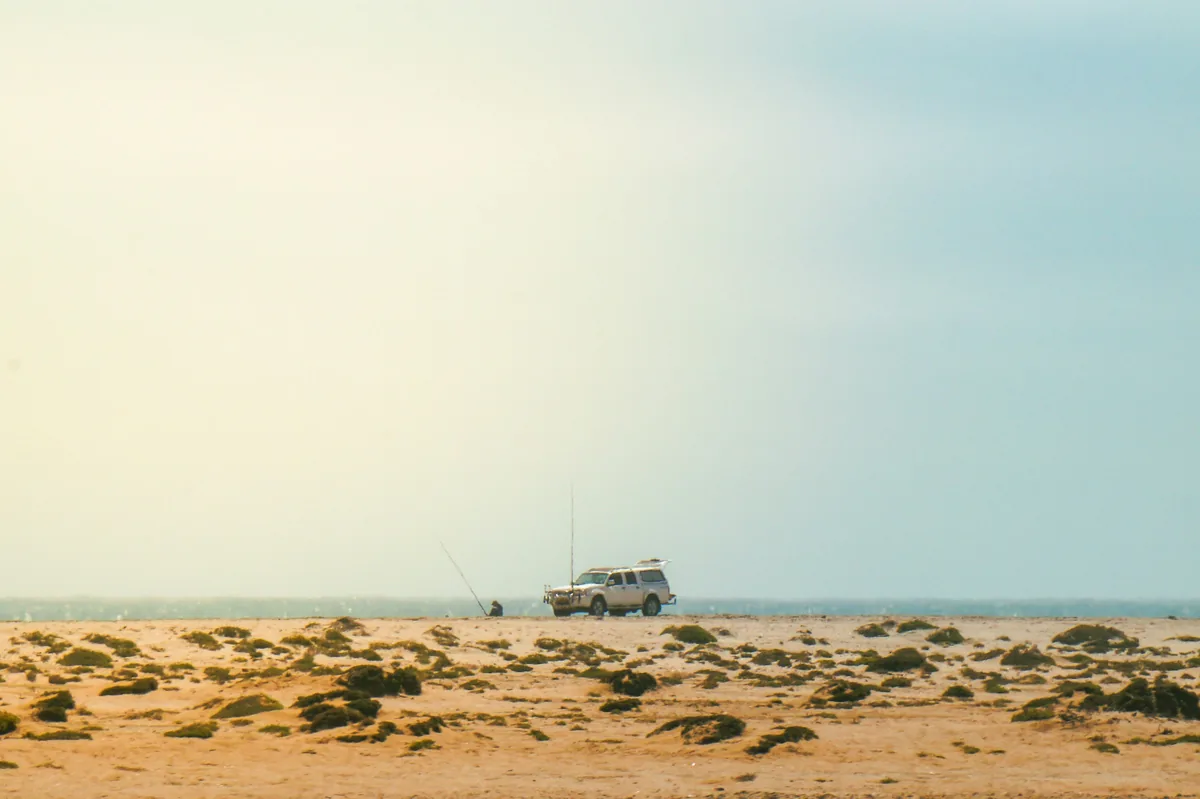
A 7-day luxury fly-in safari over Sossusvlei's dunes, the shipwreck-strewn Skeleton Coast, and Etosha National Park, linked by private charter flights between exclusive lodges.
 Multi-Day Tours
A 15-day Namibia journey combining classic sights — Sossusvlei, the Skeleton Coast, Damaraland, and Etosha — with overnight hiking trails through the NamibRand Nature Reserve and remote Palmwag Concession.
Visitor guide
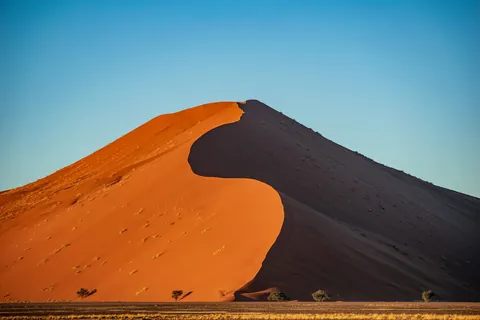
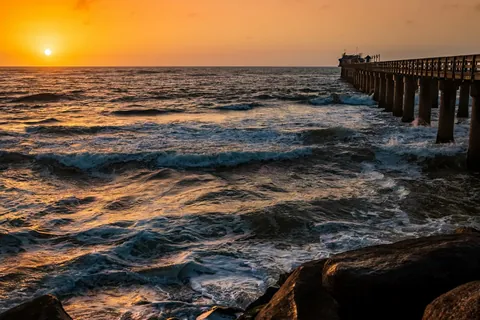
The Skeleton Coast is the remote northern stretch of Namibia's Atlantic shoreline, running roughly 500 kilometres from the Kunene River on the Angolan border south to the Swakop River. Fog, heavy surf, shipwrecks and desert dunes that meet the sea give it one of the most austere landscapes in Africa.
According to Wikipedia, the name comes from the whale and seal bones that once littered the beaches, partly a legacy of whaling, and later from the wrecks of ships caught by offshore rocks and fog. The name is credited to John Henry Marsh, whose book about the wreck of the Dunedin Star, first published in 1944, made it famous. Interior San people are said to have called the region the Land God Made in Anger, and Portuguese sailors reportedly called it the Gates of Hell, though the latter claim is poorly sourced.
The cold Benguela Current causes upwelling that produces dense fog for much of the year, which Angolans call cassimbo. Winds blow from land to sea, and rainfall rarely exceeds 10 millimetres a year. Heavy surf pounds the beaches constantly, so ships could often reach the shore but struggled to leave it, and anyone stranded faced a trek across hot, arid desert.
Hundreds of vessels lie along the coast, among them the Eduard Bohlen, Benguela Eagle, Otavi, Dunedin Star and Tong Taw. The Dunedin Star ran aground in 1942, and all 106 passengers and crew were eventually rescued, though the effort cost a tug, a South African Air Force aircraft and two rescuers' lives. Much older wrecks also exist, such as the Bom Jesus, which went aground in the 1530s farther south near Oranjemund.
The southern section is mainly gravel plains, while north of Terrace Bay high sand dunes dominate. Namibia has declared about 16,000 square kilometres of coast, adjacent desert, scrub and marshland as Skeleton Coast National Park, running from the Ugab River to the Kunene, with the northern half designated wilderness. The rest of the coast is the National West Coast Recreation Area. The park forms part of the Iona-Skeleton Coast Transfrontier Conservation Area. Notable features include the clay castles of the Hoarusib River, the Agate Mountain salt pans and large Cape fur seal colonies at Cape Fria.
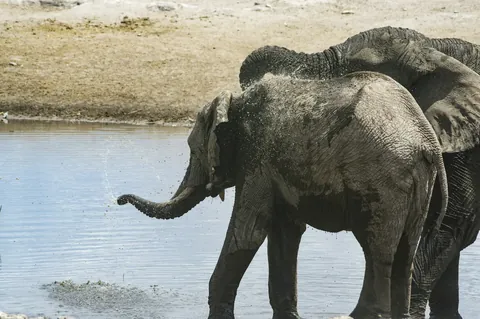
Many succulents depend on coastal fog for moisture, and wind-blown organic debris from the interior feeds invertebrates that support reptiles and form the base of the desert food chain. Along the riverbeds that cut inland, Wikipedia records bush elephants, chacma baboons, southern giraffes, lions, leopards, black rhinoceros, hyenas, gemsbok and springbok. Animals get most of their water from wells dug by other animals and from succulent plants. Earlier coastal peoples left shell middens of white mussels as evidence of past occupation.
Access to much of the park is restricted and the terrain is demanding, so travellers generally visit with operators familiar with the conditions. A private guided tour with a driver can bring in the wider story of the coast, from the seal colonies and wrecks to the river valleys. The coast has also served as a filming location for documentaries and television productions because of its stark scenery.
See every tour and attraction we cover in Namibia.