TorontoOntario · 36 tours
 Niagara FallsOntario · 25 tours
 New York CityNew York · 30 tours
 Las VegasNevada · 8 tours
 San FranciscoCalifornia · 16 tours
 VancouverBritish Columbia · 17 tours
 DubaiUAE · 54 tours
 Abu DhabiUAE · 5 tours
 Buenos AiresArgentina · 23 tours
 AthensGreece · 31 tours
 AucklandNew Zealand · 38 tours
 CancunMexico · 54 tours
No destinations match “”. Try searching all tours instead — that search understands full questions, not just place names.
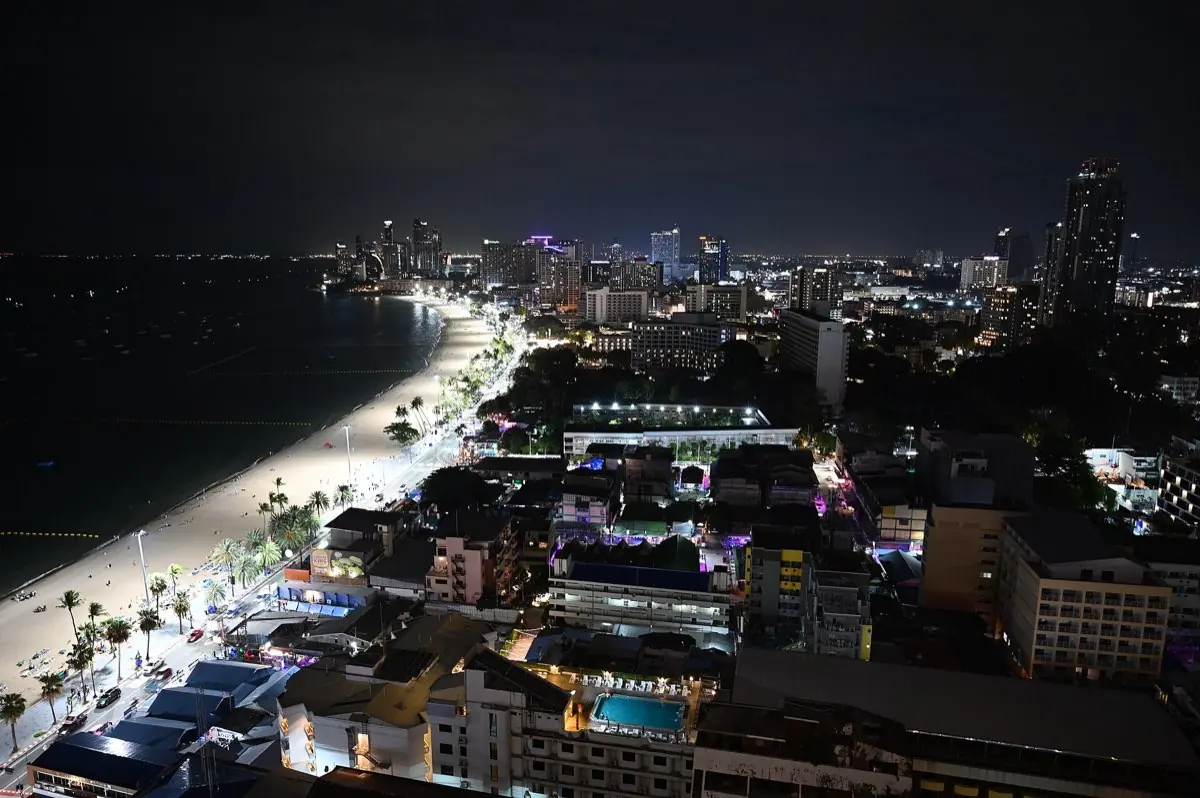
A wide, palm-lined beach along the city's famous oceanfront promenade.
Visitor guide
Fort Lauderdale Beach is the Atlantic shoreline of the city's central barrier island, a wide, palm-fringed stretch of sand running along State Road A1A and backed by a sculpted white promenade. It is one of roughly seven miles of beaches within the city, and its modern look comes from a 1980s decision to reinvent a waterfront that had become synonymous with spring break.
Fort Lauderdale's reputation as a college destination grew from the late 1930s, when swim teams began coming for training meets, and exploded after the 1958 novel and 1960 film Where the Boys Are, which premiered in the city in December 1960. Crowds climbed from the tens of thousands in the early 1960s to an estimated 350,000 by 1985. The city then tightened enforcement of alcohol and occupancy rules, and visitor numbers fell to about 20,000 by 1989. Local historians give differing figures for the early boom years, so treat the exact numbers as approximate.
In 1984 the city decided to reposition the central beach for families and international travelers. The planning firm EDSA led a redesign of A1A that added landscaped medians, bike lanes, brick paving and a long serpentine seawall along the promenade, now known as the Wave Wall. Designers shaped the wall to echo the movement of the ocean and shaded the lighting to protect nesting sea turtle hatchlings. The wall and surrounding streetscape stretch for about two miles; sources do not agree on a single completion date for the original work. The Elbo Room bar at Las Olas and A1A, which appeared in the 1960 film, is one surviving relic of the earlier era.
Until July 1961 the city's beaches were open only to white residents. Black residents and allies staged wade-in protests beginning on July 4, 1961, and Broward County's beaches were desegregated in 1962. The wade-ins are part of the story Fort Lauderdale's historical groups tell about the shoreline.
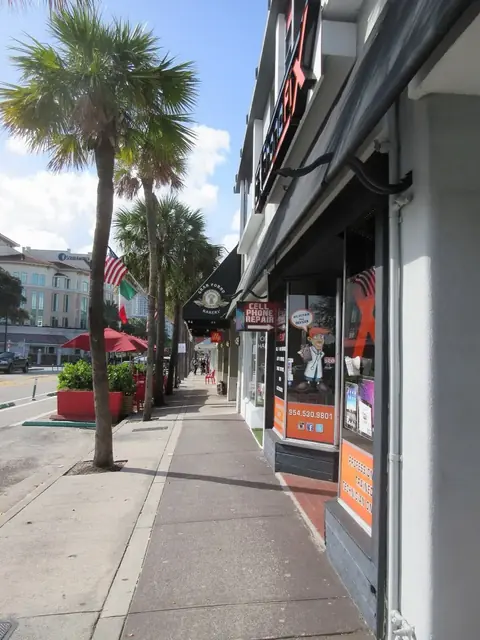
The central beach is easy to read: A1A runs along the promenade, hotels and condominiums rise on the west side, and the beach side offers wide sand, walkers, cyclists and people-watching. At the foot of Las Olas Boulevard, the city's Las Olas Oceanside Park, completed in 2020, adds a beachfront park, a plaza and a parking garage, and it hosts markets and community events. Las Olas Boulevard runs inland from here toward downtown, putting the beach, shops and restaurants in a single corridor.
Because Florida is subtropical, the beach is a year-round draw, with the busiest visiting season generally running from winter into spring. The water is typically warm, but surf, currents and jellyfish vary from day to day, so look for posted flags and the guidance of the lifeguard stations that the city staffs on its beaches.
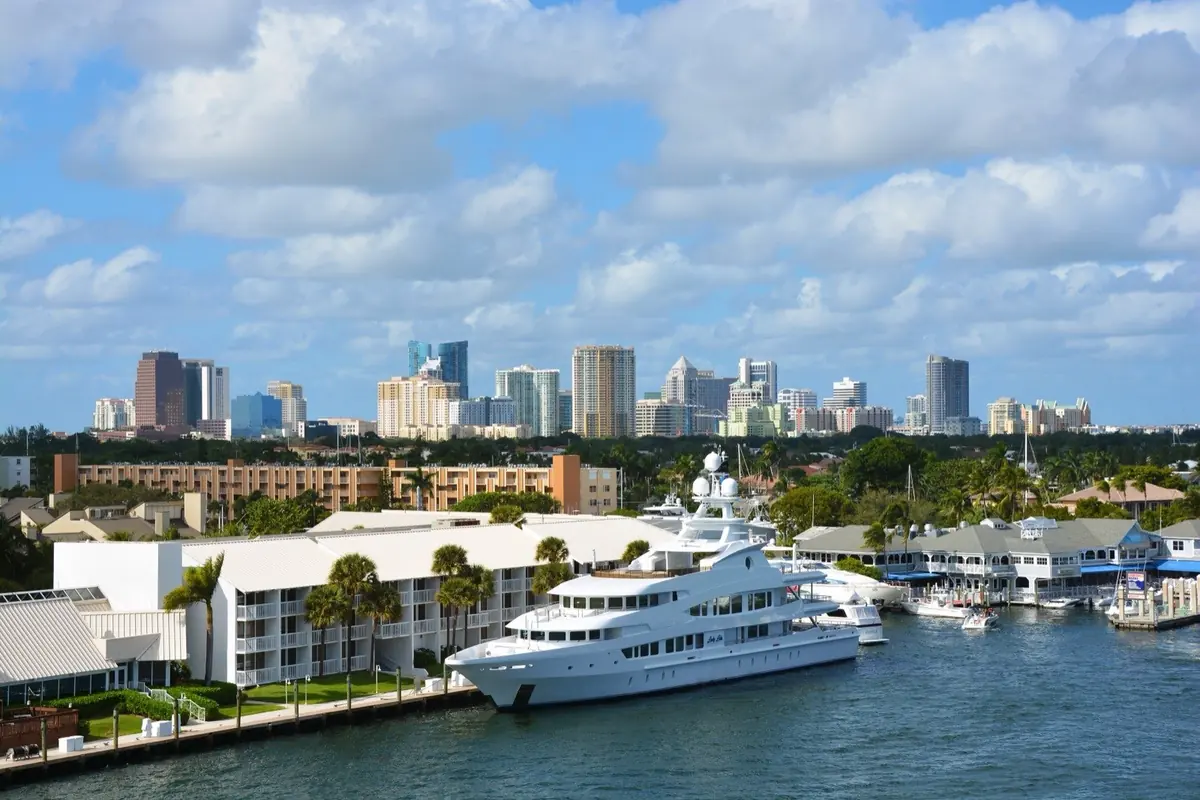
Hugh Taylor Birch State Park lies just across A1A from the sand, and the Bonnet House estate sits close by on the south side of Sunrise Boulevard, so a beach morning pairs easily with a garden or nature walk. The Intracoastal Waterway runs a few blocks inland, with the yacht scene beyond.
Parking near the central beach can be limited on busy days, which is one reason a private vehicle and driver with door-to-door pickup works well for a beach visit: you are dropped at the promenade and collected without circling for a space. Bring sun protection, check conditions and flags on arrival, and confirm any event closures or access changes with the City of Fort Lauderdale before you go.
See every tour and attraction we cover in Fort Lauderdale.