TorontoOntario · 36 tours
 Niagara FallsOntario · 25 tours
 New York CityNew York · 30 tours
 Las VegasNevada · 8 tours
 San FranciscoCalifornia · 16 tours
 VancouverBritish Columbia · 17 tours
 DubaiUAE · 54 tours
 Abu DhabiUAE · 5 tours
 Buenos AiresArgentina · 23 tours
 AthensGreece · 31 tours
 AucklandNew Zealand · 38 tours
 CancunMexico · 54 tours
No destinations match “”. Try searching all tours instead — that search understands full questions, not just place names.
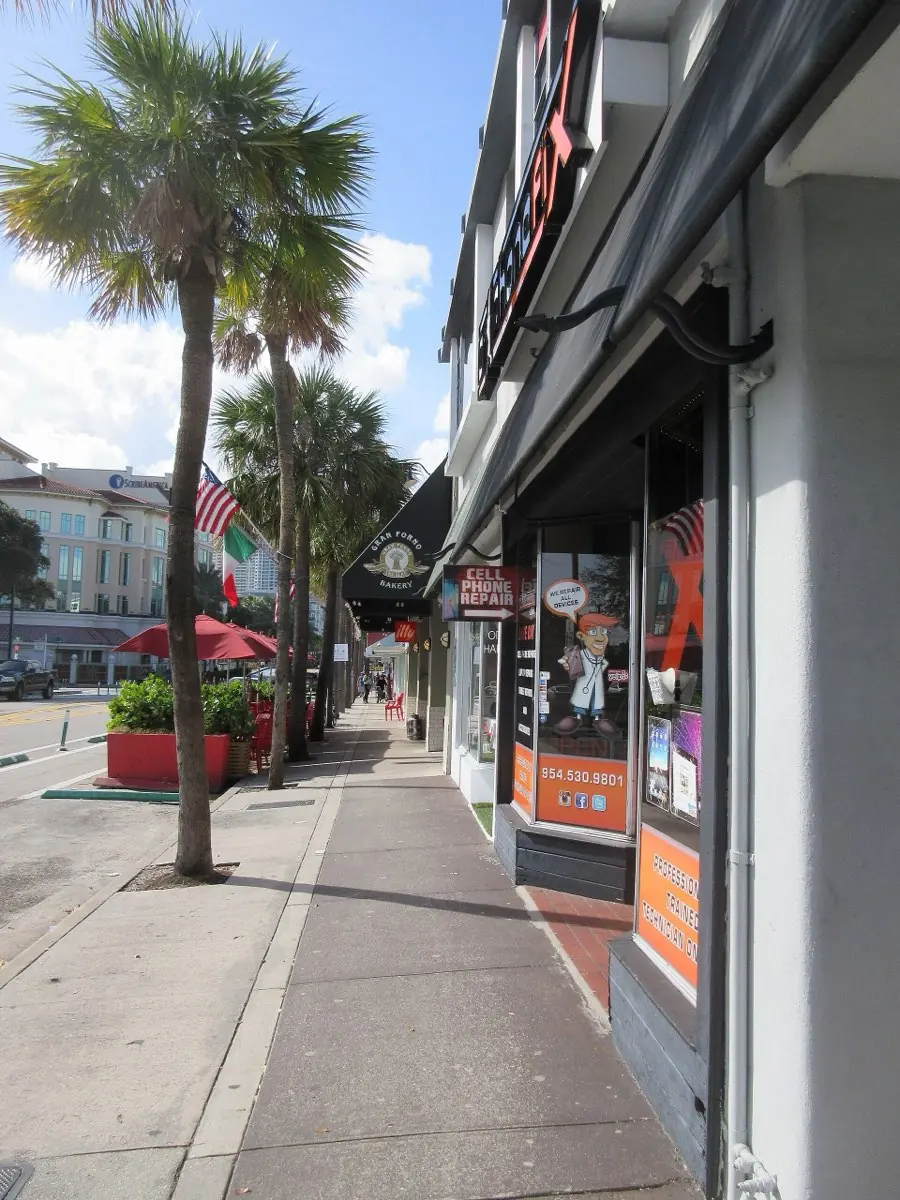
Fort Lauderdale's main shopping and dining strip, connecting downtown to the beach.
Visitor guide
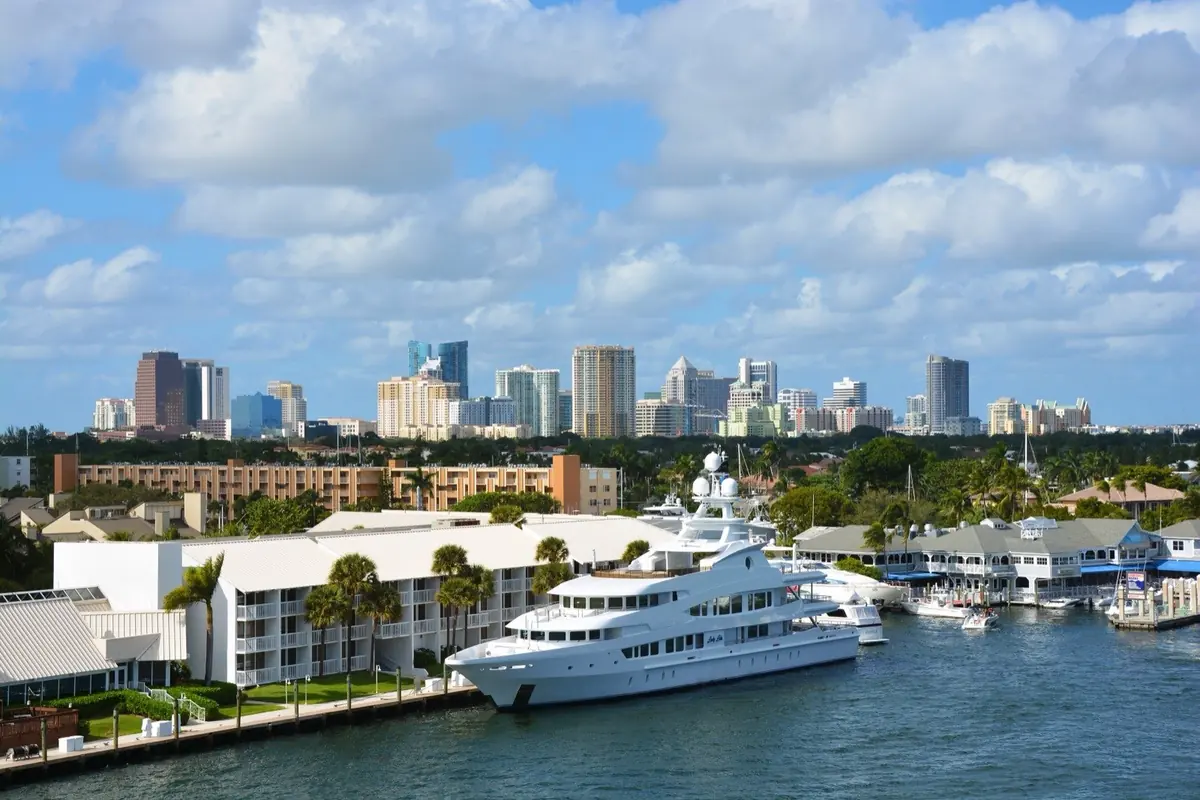
Las Olas Boulevard is Fort Lauderdale's best-known street: a roughly 2.5-mile east-west corridor that runs from the downtown core to State Road A1A at the beach. West of the Intracoastal it is a commercial district of boutiques, galleries, bars and restaurants; further east it crosses canals and the island neighborhoods of Las Olas Isles. The name is Spanish for "the waves."
The road was built in 1917 by S.P. Snyder and Son Company as a dirt track across swampy wetlands to reach the barrier island. In the 1920s the Las Olas Isles were dredged from the wetlands to create a waterfront residential district. The commercial street that visitors know took shape after World War II, and downtown buildings were substantially redeveloped from the 1970s on. A renewal of the downtown stretch began in 2002 and brought new hotels and high-rise condominiums.
The boulevard has also had other road designations over the years, including State Road A1A Alternate and State Road 842. Broward County Transit and a local trolley line serve much of its length, so check current services if you plan to travel without a vehicle.
Just off the boulevard, between Las Olas and the New River, stands the Stranahan House, built in 1901 as a trading post by Frank Stranahan, who arrived in the area in 1893. It later became the family home of Frank and Ivy Stranahan. The Fort Lauderdale Historical Society bought it in 1975 and restored it, and it opened as a house museum in 1984. It is generally described as the oldest surviving building in Broward County; accounts differ slightly on the start year and on its National Register listing date, so check the museum for details. Ivy Stranahan was hired in 1899 as the area's first schoolteacher and later gave informal lessons to Seminole children, according to the Stranahan House museum.
The art museum at One East Las Olas anchors the cultural side of the street. The Elbo Room, at Las Olas and A1A near the beach, appeared in the 1960 film Where the Boys Are and remains a landmark. In 2020 the city completed the Las Olas Oceanside Park at the beach end, a project that includes a beachfront park, a plaza and a parking garage and hosts farmers markets, fitness classes and art events.
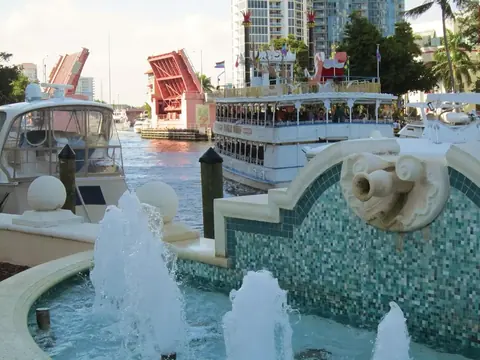
The eastern section crosses the Intracoastal Waterway and passes the Seven Isles, Hendricks Isles and Venice Isles neighborhoods, where quiet canals and docked boats sit steps from the boulevard. West of Southeast 17th Avenue you reach the main dining and shopping district, and the road then passes through the Henry E. Kinney Tunnel into downtown, where high-rises dominate. The Riverwalk along the New River is a short stroll from the Stranahan House.
See every tour and attraction we cover in Fort Lauderdale.