TorontoOntario · 36 tours
 Niagara FallsOntario · 25 tours
 New York CityNew York · 30 tours
 Las VegasNevada · 8 tours
 San FranciscoCalifornia · 16 tours
 VancouverBritish Columbia · 17 tours
 DubaiUAE · 54 tours
 Abu DhabiUAE · 5 tours
 Buenos AiresArgentina · 23 tours
 AthensGreece · 31 tours
 AucklandNew Zealand · 38 tours
 CancunMexico · 54 tours
No destinations match “”. Try searching all tours instead — that search understands full questions, not just place names.
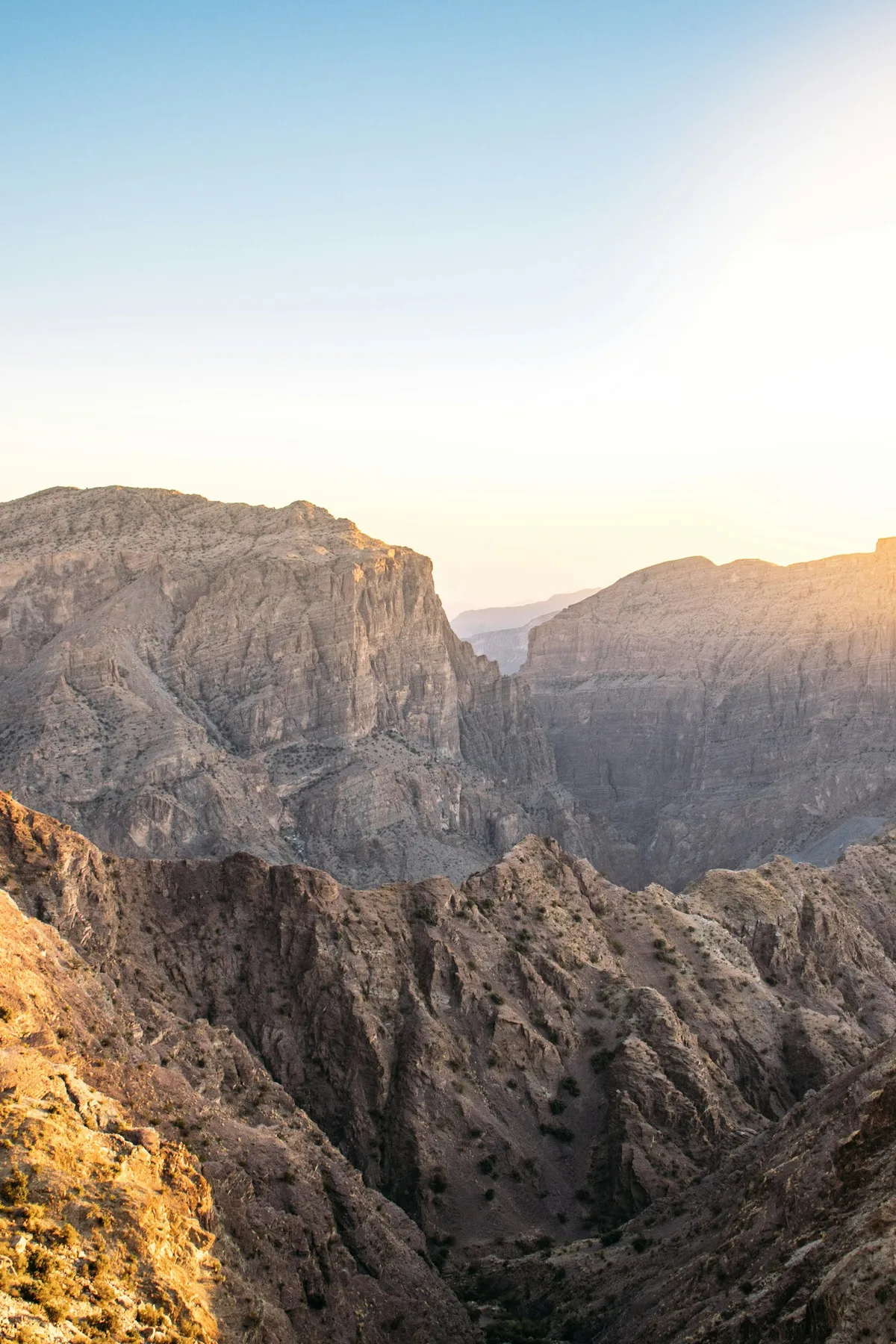
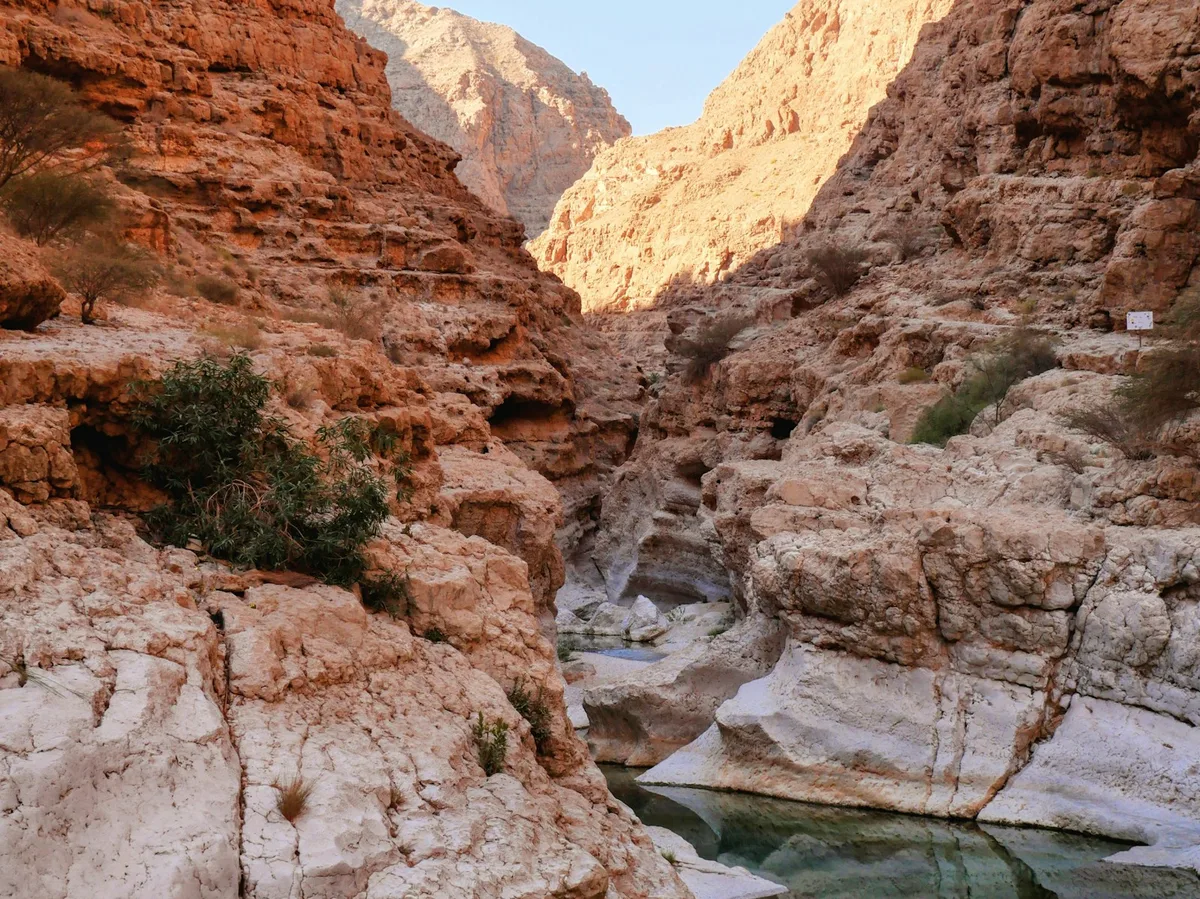
Oman's "Green Mountain," a high limestone plateau in the Al Hajar range terraced with rose and pomegranate orchards, with villages like Al Ayn perched on its cliff edges.
Visitor guide
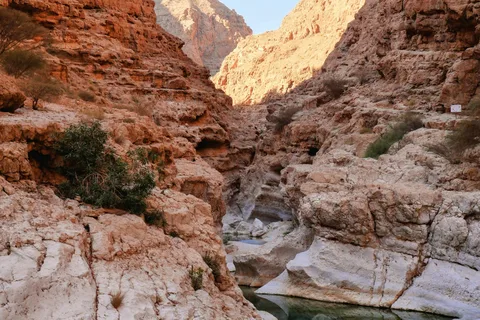
Jebel Akhdar, Arabic for the Green Mountain, is a high limestone massif in the Al Hajar range of Ad Dakhiliyah Governorate, Oman. Terraced orchards, rose gardens and cliff-edge villages make it a cool, green contrast to the surrounding desert.
According to Wikipedia, the range is about 80 km long and 32 km wide, lies roughly 150 km from Muscat, and includes the Saiq Plateau at around 2,000 metres. The mountain is mostly limestone, cut by a labyrinth of wadis, and its higher parts receive roughly 300 mm of rain a year, enough to support shrubs, trees and farming. The neighbouring peak of Jebel Shams, at roughly 3,000 metres (sources give about 3,009 to 3,018), is described as the highest point in Oman and the Hajar range. The Nizwa area is roughly a 45-minute drive away, and access onto the plateau is limited to four-wheel-drive vehicles.
Vegetation changes with altitude. Wikipedia describes shrublands and dry grasslands between about 450 and 1,300 metres, semi-evergreen woodland with species such as wild olive between roughly 1,350 and 2,350 metres, and open juniper woodland above that. The mountain lies in the Al Hajar montane woodlands ecoregion, and in 2025 it was reportedly designated a UNESCO biosphere reserve.
Farming here goes back hundreds of years. Springs feed falaj channels and hand-built terraces, which grow pomegranates, walnuts, apricots, black grapes and peaches, and the system is documented by the FAO as a Globally Important Agricultural Heritage System, according to Wikipedia. Rose water extraction is a traditional craft. Travel sources describe the Damask rose harvest as short, running from around mid-March to mid-May, and one source points to a 9th-century written reference to rose water production, though the exact age of the local tradition is debated.
Wikipedia also notes that the mountain is a significant site for honey bee breeding in Oman. Villages such as Al Sogara are described as historic settlements carved into the mountainside, and the range has long been home mainly to the Bani Riyam tribe. Rock art sites have been found on the mountain, with some figures dated to about 6,000 years ago.
Jebel Akhdar was the battleground of the Jebel Akhdar War between 1954 and 1959, when forces loyal to the Sultan of Oman, with British support including the SAS, fought rebel forces of the inland Imamate backed by Saudi Arabia. Birkat al-Mawz, at the inland foot of the mountain, was a fortress of the Bani Riyam. In 2011 Sultan Qaboos designated the mountain a nature reserve to protect its biodiversity, and since 2011 its climb has featured in the Tour of Oman cycling race.
Wikipedia describes a mild, Mediterranean-like climate on the mountain, and travel sources contrast pleasant temperatures there with much hotter conditions in the lowlands in late spring. A 2024 report cited by Wikipedia says climate change has reduced annual rainfall and raised nighttime temperatures. The terraced villages are best seen on foot along short village paths, and a private tour with a driver experienced in mountain roads suits a visit, since the steep access road restricts ordinary vehicles.
See every tour and attraction we cover in Oman.