TorontoOntario · 36 tours
 Niagara FallsOntario · 25 tours
 New York CityNew York · 30 tours
 Las VegasNevada · 8 tours
 San FranciscoCalifornia · 16 tours
 VancouverBritish Columbia · 17 tours
 DubaiUAE · 54 tours
 Abu DhabiUAE · 5 tours
 Buenos AiresArgentina · 23 tours
 AthensGreece · 31 tours
 AucklandNew Zealand · 38 tours
 CancunMexico · 54 tours
No destinations match “”. Try searching all tours instead — that search understands full questions, not just place names.
One of the largest open-air markets in West Africa, a sprawling circular complex of thousands of stalls in Kumasi selling textiles, kente cloth, produce, and household goods.
 Multi-Day Tours
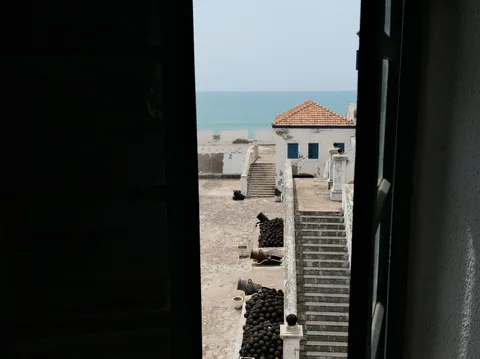
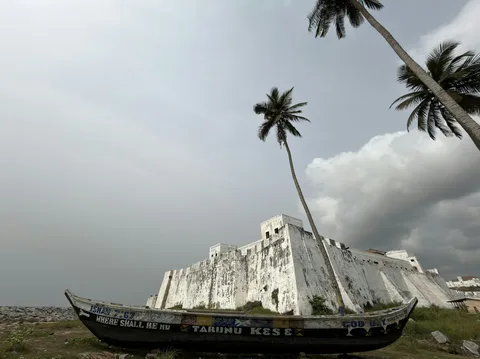
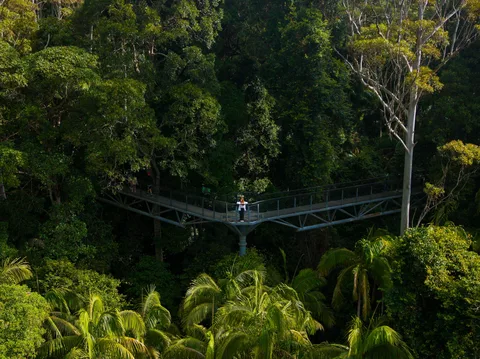
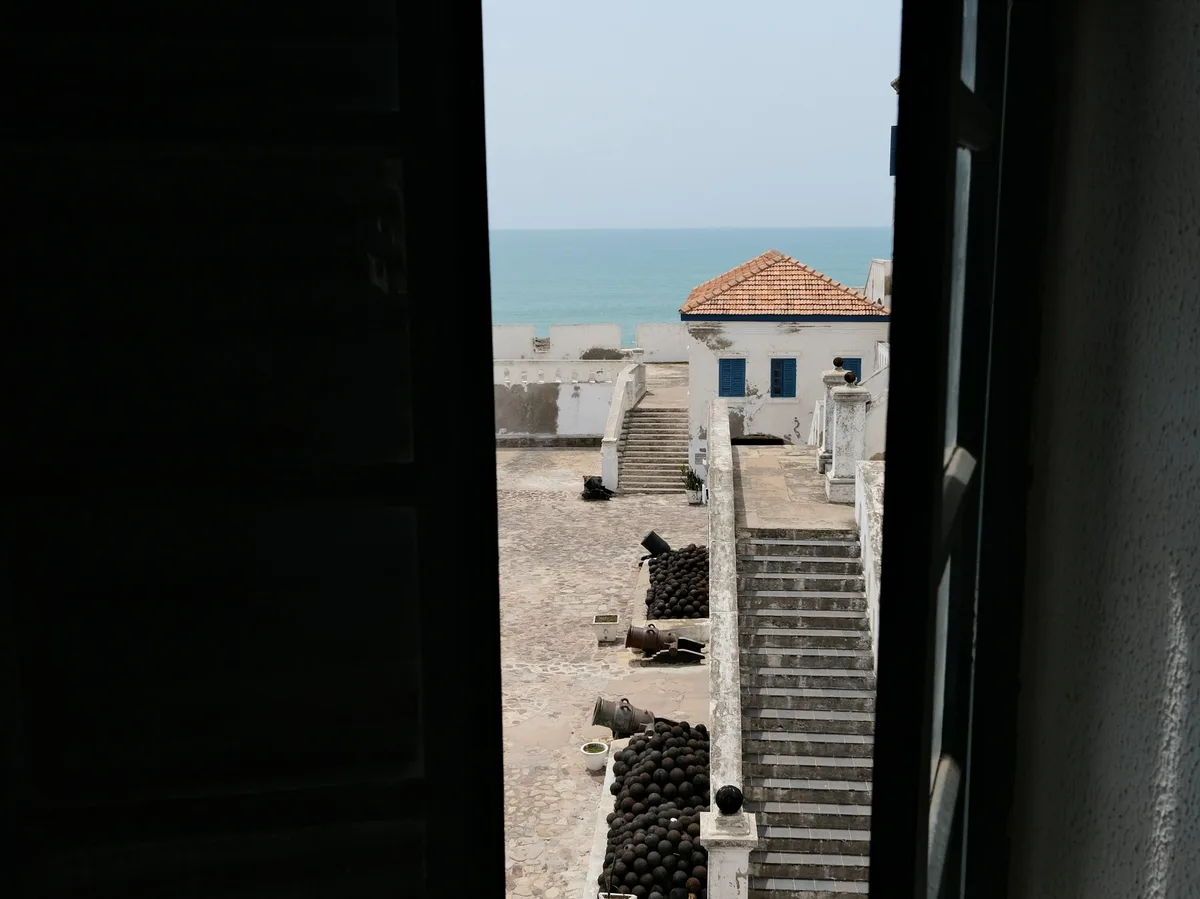
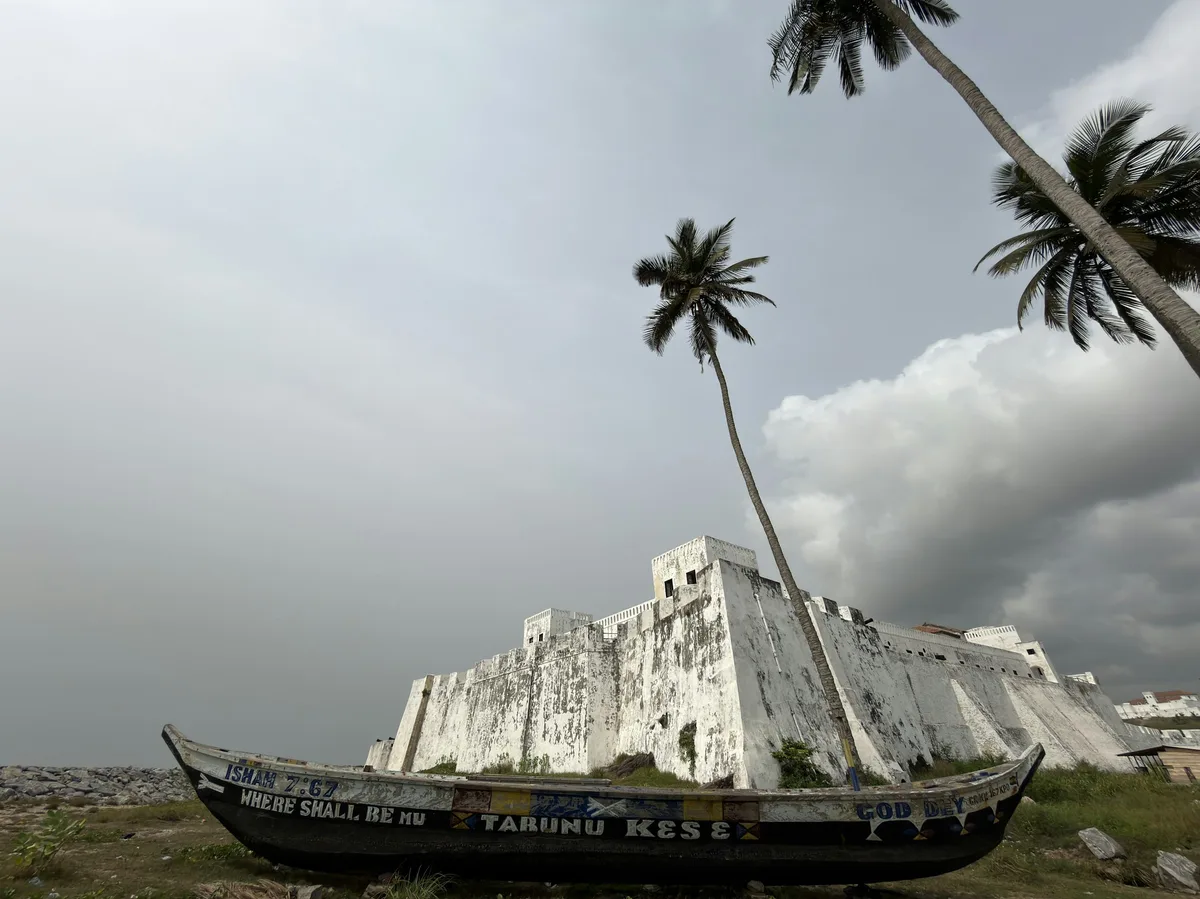
A comprehensive 14-day circuit from Accra's coast to the Ashanti heartland — Cape Coast and Elmina's slave castles, Kakum National Park, the stilt village of Nzulezu, Kumasi's Kejetia Market and royal craft villages, and Shai Hills Game Reserve.
 Multi-Day Tours
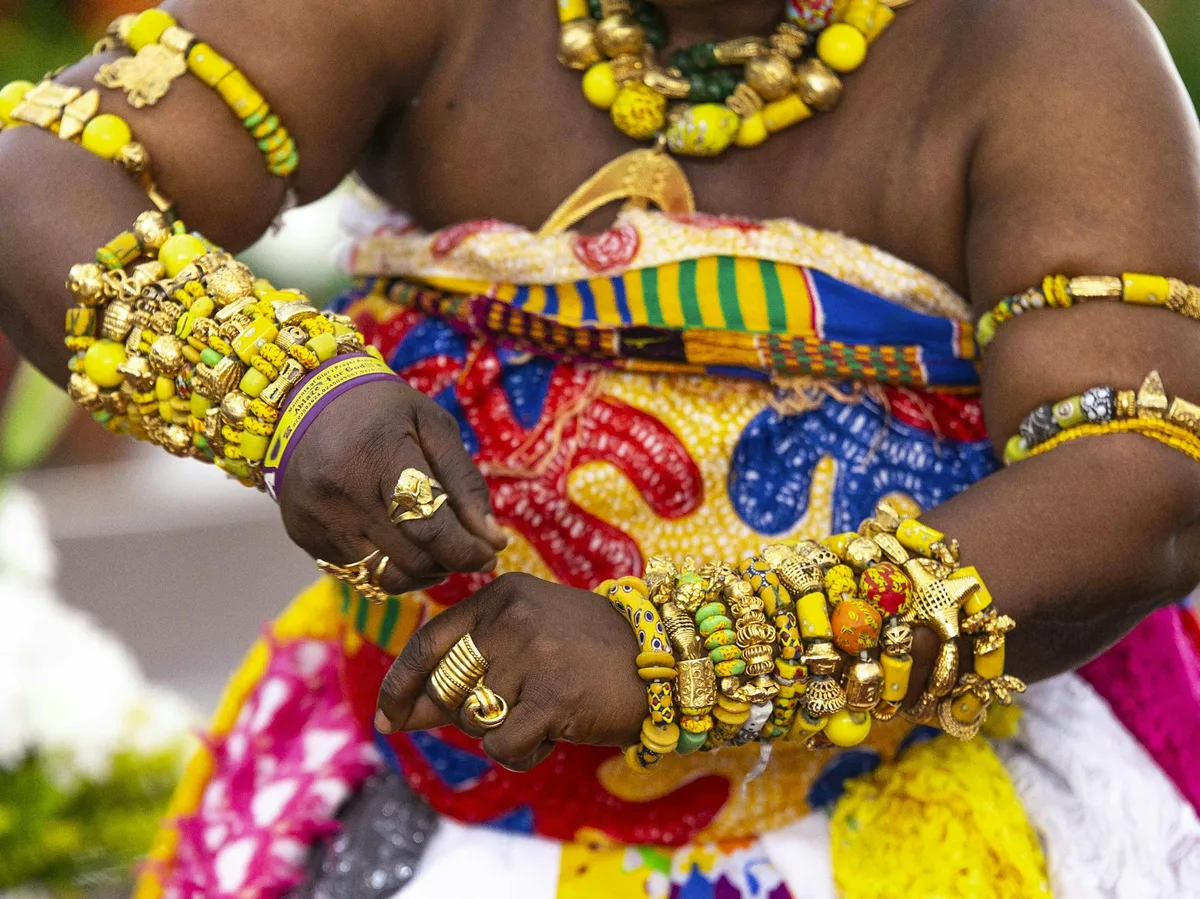
A 5-day cultural immersion in Ghana's Ashanti Region — the Manhyia Palace Museum, Kejetia Market, kente-weaving and Adinkra cloth workshops in traditional craft villages, and the UNESCO-listed Ashanti Traditional Buildings near Ejisu.
Visitor guide
Kejetia Market, also called Kumasi Central Market, is a huge open-air marketplace in Kumasi, the capital of Ghana's Ashanti Region. Wikipedia describes it as having over 8,000 stores and stalls and calls it the largest single market in West Africa, though other sources give different counts.
Sources disagree on the market's history. Wikipedia says it was established in 1924, alongside Makola Market in Accra, and modelled on British markets, with a lorry park built to serve the crowds. Other accounts trace trade in Kumasi back to the early 18th century, when the city was the Ashanti capital, with the market growing into a hub for gold, kola nuts and cloth at the height of the Ashanti Empire in the 19th century. Graphic Online describes Kejetia as originally a lorry station to which market shops were added later. Because the sources conflict, the date should be treated as uncertain.
Trade was central to Kumasi's importance. Kumasi was founded in the 1680s as the capital of the Ashanti Empire, and tradition holds that the market belongs to the occupant of the Golden Stool, the Asantehene. The market is managed by the Kumasi Metropolitan Assembly and the Ashanti monarch.
Wikipedia says about 50,000 people visit daily and roughly 20,000 vendors operate there. The Kumasi article gives more than 10,000 stores and stalls, so counts vary. Travel sources describe sections for electronics, clothing, food and traditional crafts, and a broad mix of goods and services. The market is crowded and best approached with a guide who can navigate the lanes.
The market's roots as a meeting point for farmers, traders and craftspeople are part of why it remains central to Kumasi life, and one source describes it as a symbol of resilience and adaptability.
Redevelopment was announced around 2014 to 2015 (Graphic Online reports the phase one construction contract was signed in 2014), with the aim of rebuilding the market while keeping its role in Kumasi's commercial and cultural life. Phase one produced a new market with roughly 8,420 stores and was completed in late 2018, while some sources say the new market opened to the public in 2020 and covers about 45,000 square metres, with dedicated sections for food, clothing, electronics and traditional crafts. Phase two began in 2019, and sources differ on its progress. Because the redevelopment spans several years, the layout can change.
Kumasi is Ghana's second-largest city, known as the Garden City, with 443,981 residents in the 2021 census. It is the seat of the Asantehene and the home of the Manhyia Palace and its museum. The market is described by one source as the centre of the city's commercial and cultural life, drawing traders from diverse backgrounds.
Visiting Kejetia on a private tour with a guide is practical because of the crowds and the maze of passages. The market is best paired with Manhyia Palace and the city's cultural sites for a full picture of Ashanti life.
See every tour and attraction we cover in Ghana.