TorontoOntario · 36 tours
 Niagara FallsOntario · 25 tours
 New York CityNew York · 30 tours
 Las VegasNevada · 8 tours
 San FranciscoCalifornia · 16 tours
 VancouverBritish Columbia · 17 tours
 DubaiUAE · 54 tours
 Abu DhabiUAE · 5 tours
 Buenos AiresArgentina · 23 tours
 AthensGreece · 31 tours
 AucklandNew Zealand · 38 tours
 CancunMexico · 54 tours
No destinations match “”. Try searching all tours instead — that search understands full questions, not just place names.
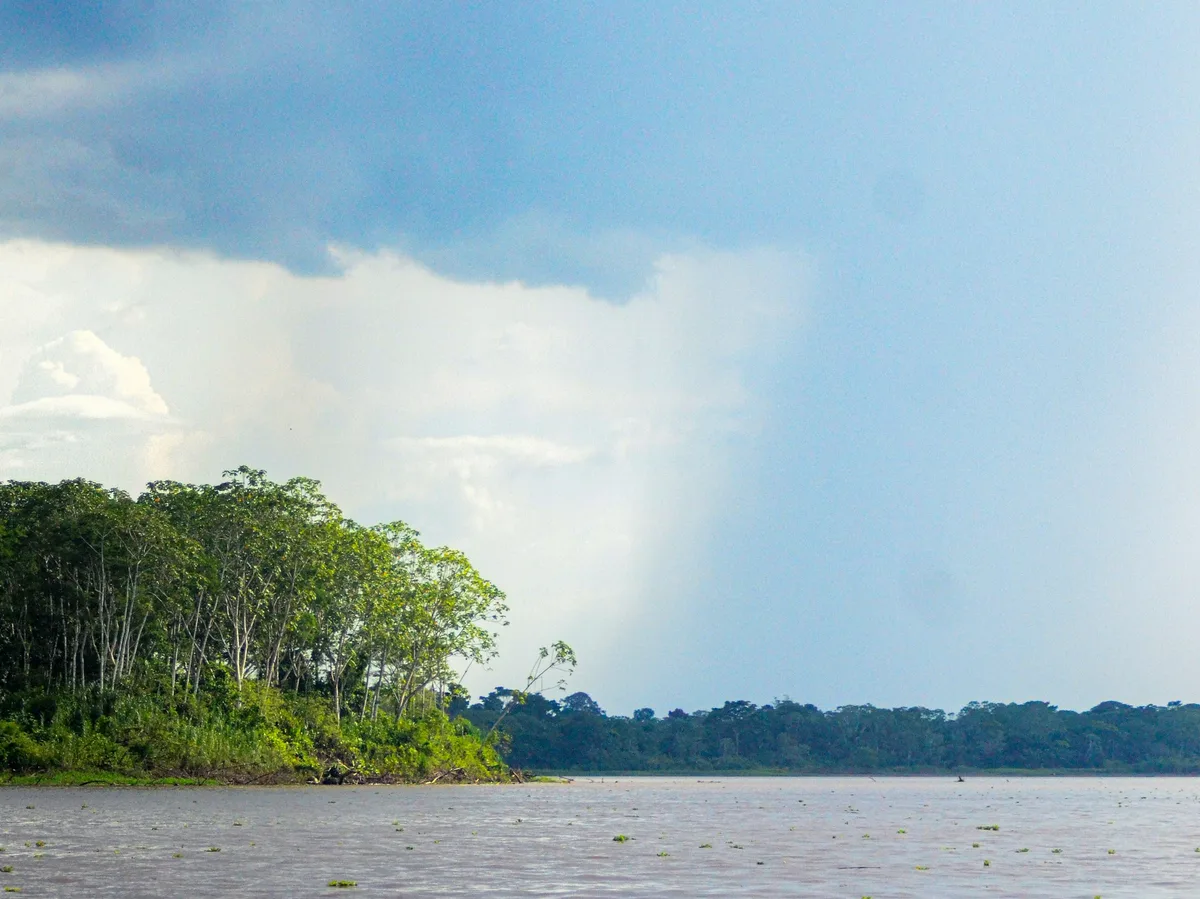
One of the most biodiverse protected areas on Earth, spanning Amazon rainforest and cloud forest in Bolivia's north and home to jaguars, macaws, monkeys and thousands of plant species.
 Multi-Day Tours
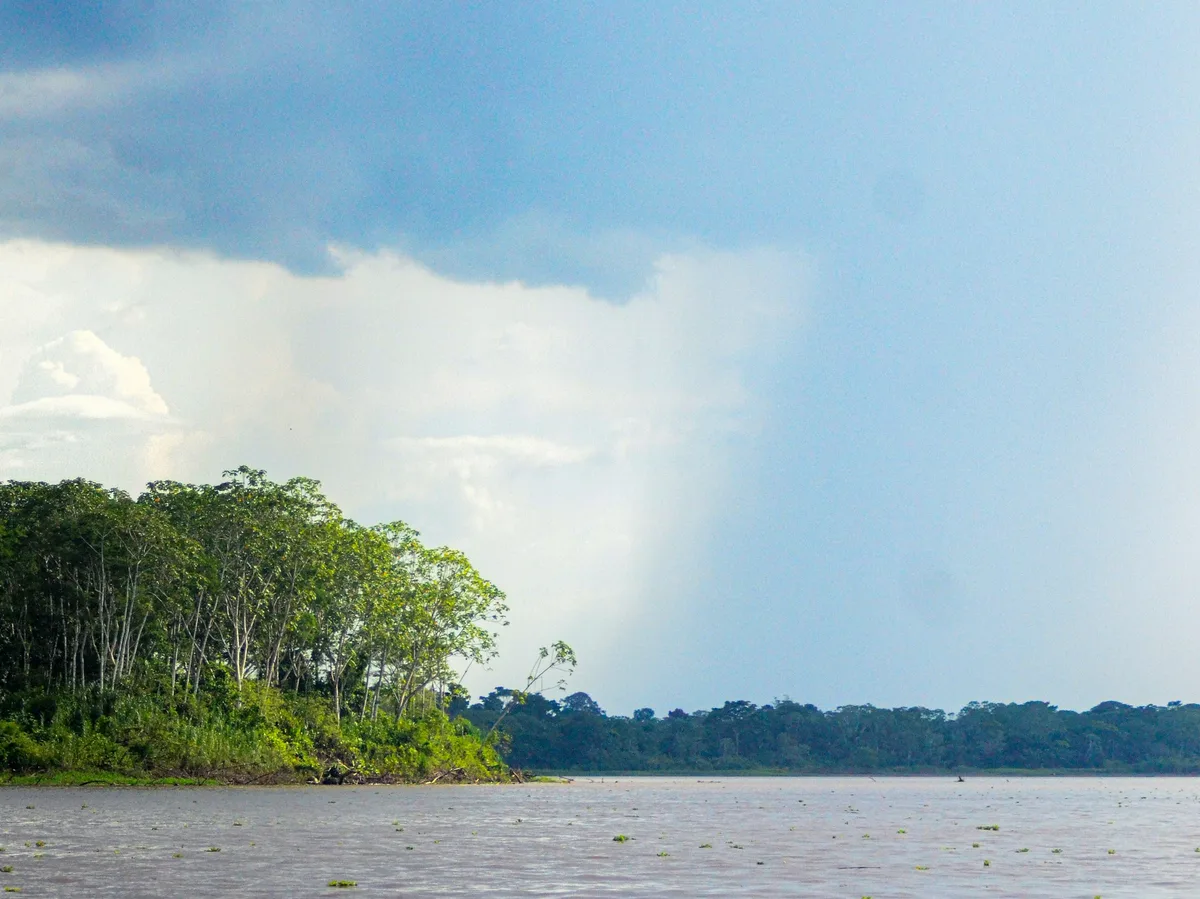
A week immersed in Bolivia's Amazon basin — cruising jungle rivers to Madidi National Park, camping in the rainforest, and searching the Rio Yacuma's waters and banks for anacondas, pink dolphins and caimans.
 Multi-Day Tours
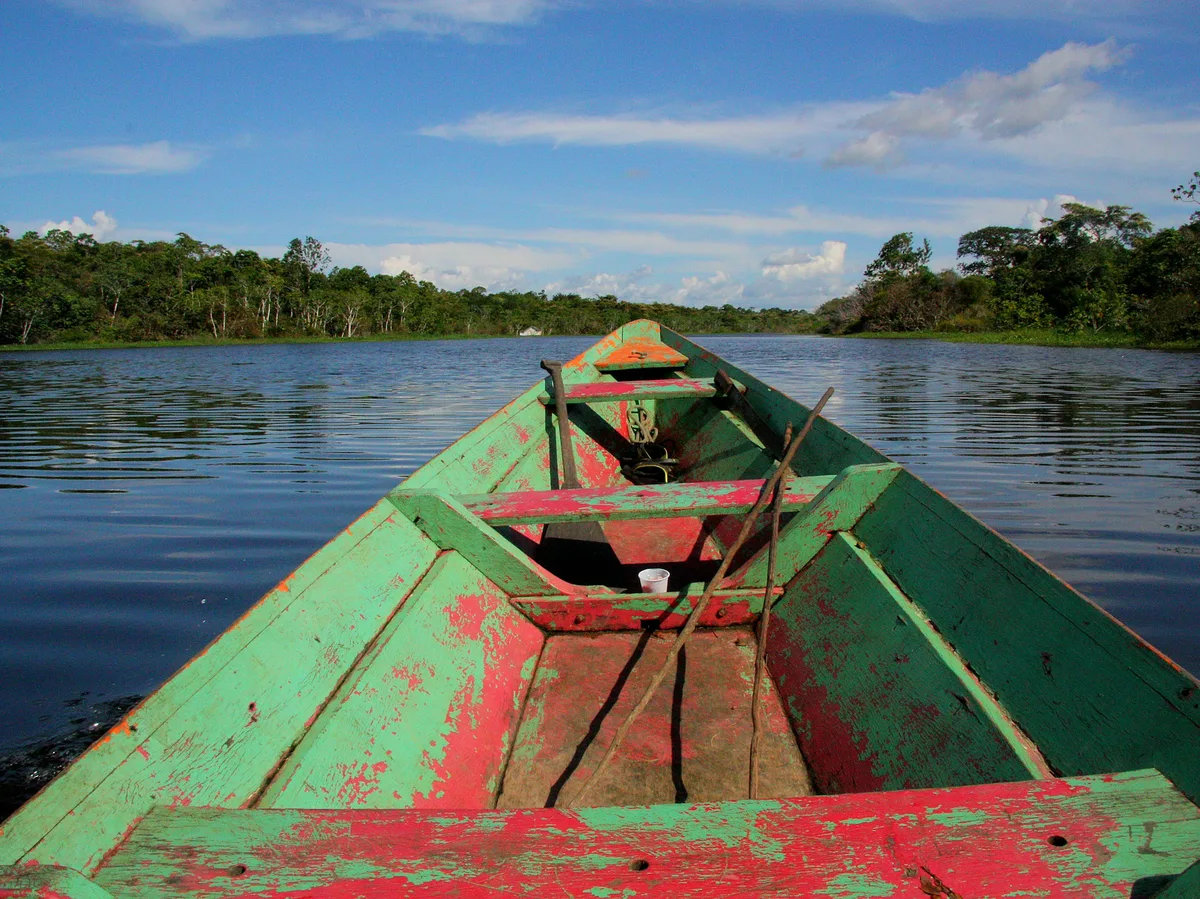
A week in Bolivia's Amazon basin focused on wildlife — the rivers and trails of Madidi National Park, immersive jungle experiences, and the wellness traditions of the rainforest, reached via Rurrenabaque.
 Multi-Day Tours
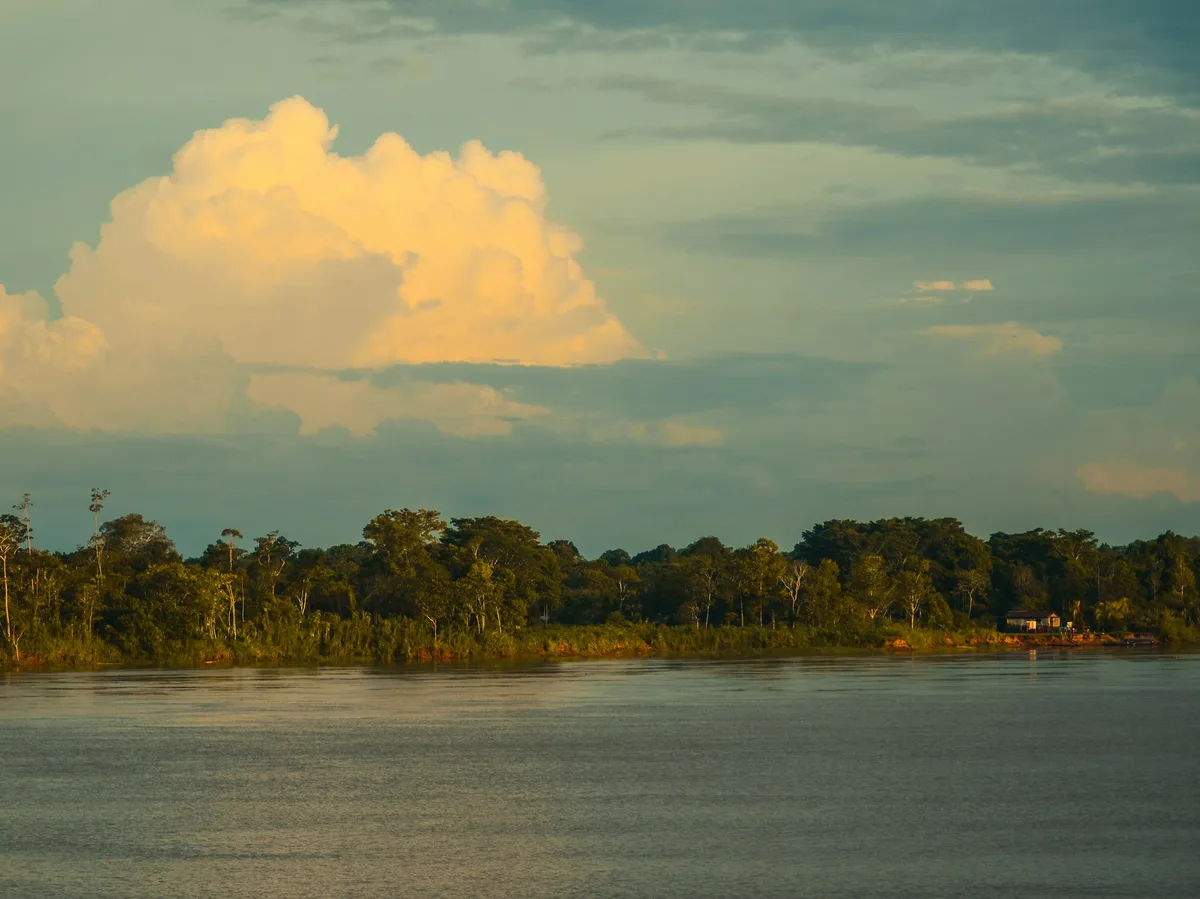
A week from La Paz's heights down into Bolivia's Amazon lowlands — Madidi National Park's rainforest and a river safari across the Beni Pampas grasslands in search of wildlife.
Visitor guide
Madidi National Park is a protected area in the upper Amazon basin of northwestern Bolivia, in the La Paz Department. Established on 21 September 1995, it spans from Andean peaks to lowland rainforest and is widely cited for its exceptional biodiversity.
The park covers 18,957.5 square kilometres in total, of which 12,715 square kilometres is designated national park and 6,242.5 square kilometres an Integrated Management Natural Area. It is administered by SERNAP, Bolivia's national protected areas service. To the west it borders Peru's Tambopata-Candamo Reserve and Bahuaja-Sonene National Park, and together with Manuripi-Heath, Apolobamba and Peru's Manu Biosphere Reserve it forms part of one of the largest protected areas in the world. The nearest town is Rurrenabaque, and visitors cross the Beni River by passenger ferry from Rurrenabaque to San Buenaventura.
Elevation ranges from 180 metres on the Tuichi River rainforest floor to 5,760 metres in the Andes, covering the Bolivian Yungas and Bolivian montane dry forest ecoregions. Temperatures vary with altitude: cold in the alpine zone, moderate at mid-elevations and tropical in the northern lowlands, with an average of about 26 degrees Celsius. The wet season runs from October to March and the dry season from May to September.
More than 8,000 vascular plant species have been documented, and the Missouri Botanical Garden's Madidi Project had identified at least 132 new plant species by 2010. Wikipedia lists 272 mammals, 213 amphibians, 204 reptiles and 496 fish, while its bird count of 1,254 species is tagged as failing verification. In 2018 the Wildlife Conservation Society recognised Madidi as the world's most biologically diverse national park, according to the article. Large animals include the jaguar, spectacled bear, maned wolf, vicuna and giant otter.
The biologist Robert Wallace is credited with identifying a titi monkey endemic to the area, Plecturocebus aureipalatii. Its naming rights were auctioned, and the winning bidder paid US dollars 650,000 into a trust fund that pays for fourteen park guards each year.
Many local residents migrated from the Andean highlands and speak Quechua. Indigenous groups in the park include the Tacana and Ese Ejja, the closely related Tsimane and Mosetene, and the Toromona, a people living in voluntary isolation. Chalalan Ecolodge, established in 1999 and owned by the indigenous village of San Jose de Uchupiamonas, is the oldest and best-known lodge, with trails around Lake Chalalan; its profits fund health and education in the community. Other community-run or locally run lodges and camps include Sadiri, the remote Berraco camp and the San Miguel del Bala ecolodge.
Wikipedia describes two long-running threats. A proposed hydroelectric dam on the Beni River in the Bala Gorge would flood about 2,000 square kilometres, including part of Madidi; it was shelved around 1998 and resurfaced in 2007. Pressure also exists for a road between Apolo and Ixiamas that would open the park to timber and agriculture, though independent studies by the Conservation Strategy Fund found it economically unfeasible. Rurrenabaque is the nearest town, and a private guided visit suits a park of this scale.
See every tour and attraction we cover in Bolivia.