TorontoOntario · 36 tours
 Niagara FallsOntario · 25 tours
 New York CityNew York · 30 tours
 Las VegasNevada · 8 tours
 San FranciscoCalifornia · 16 tours
 VancouverBritish Columbia · 17 tours
 DubaiUAE · 54 tours
 Abu DhabiUAE · 5 tours
 Buenos AiresArgentina · 23 tours
 AthensGreece · 31 tours
 AucklandNew Zealand · 38 tours
 CancunMexico · 54 tours
No destinations match “”. Try searching all tours instead — that search understands full questions, not just place names.
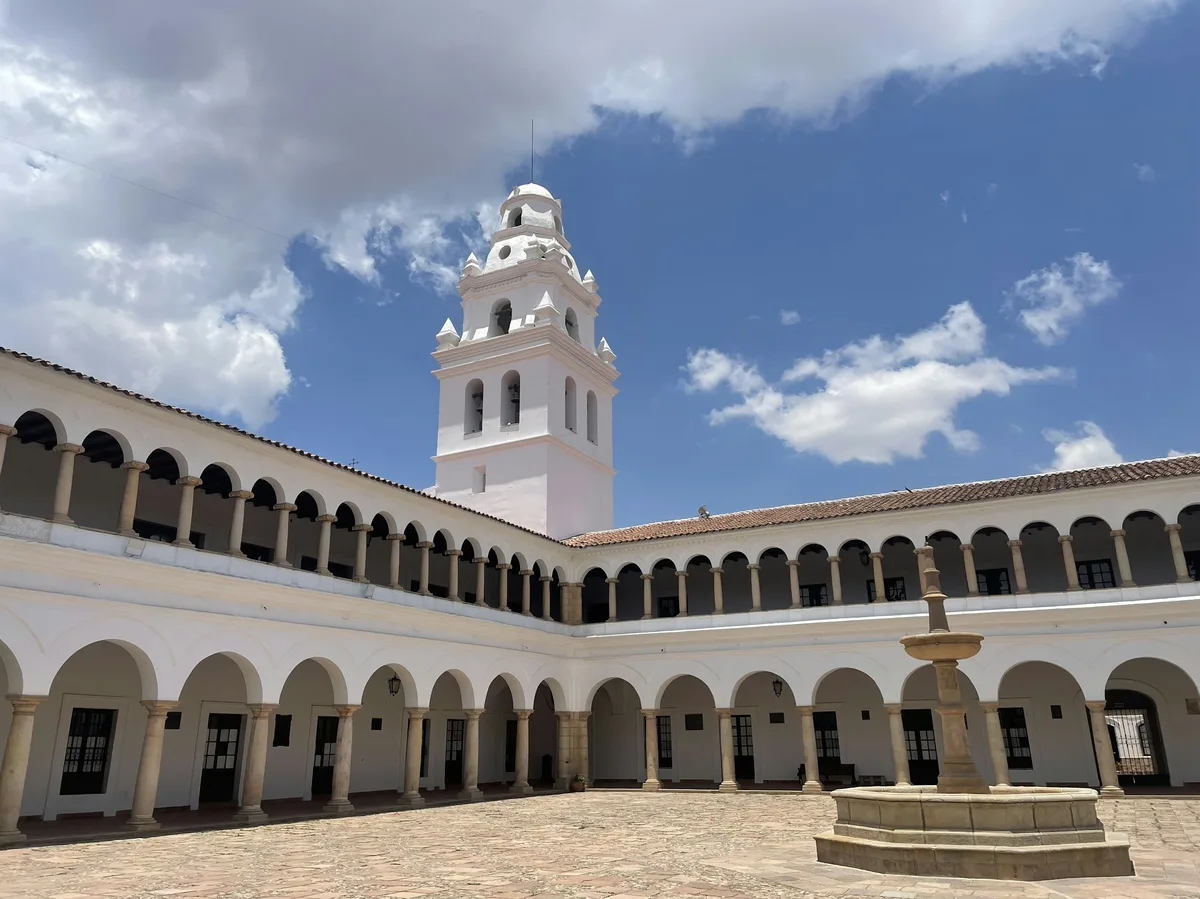
Bolivia's constitutional capital and a UNESCO World Heritage Site, known for its immaculately preserved whitewashed colonial architecture and cool highland climate.
 Multi-Day Tours
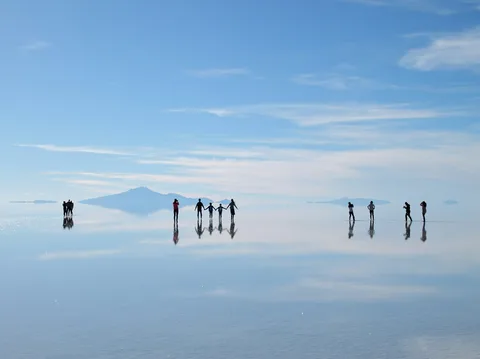
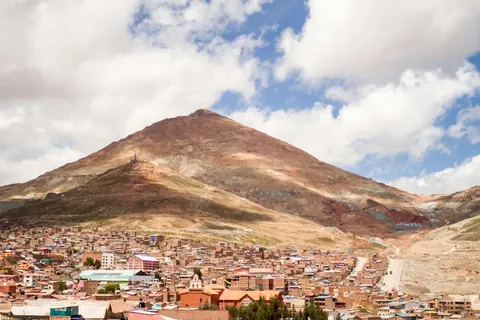
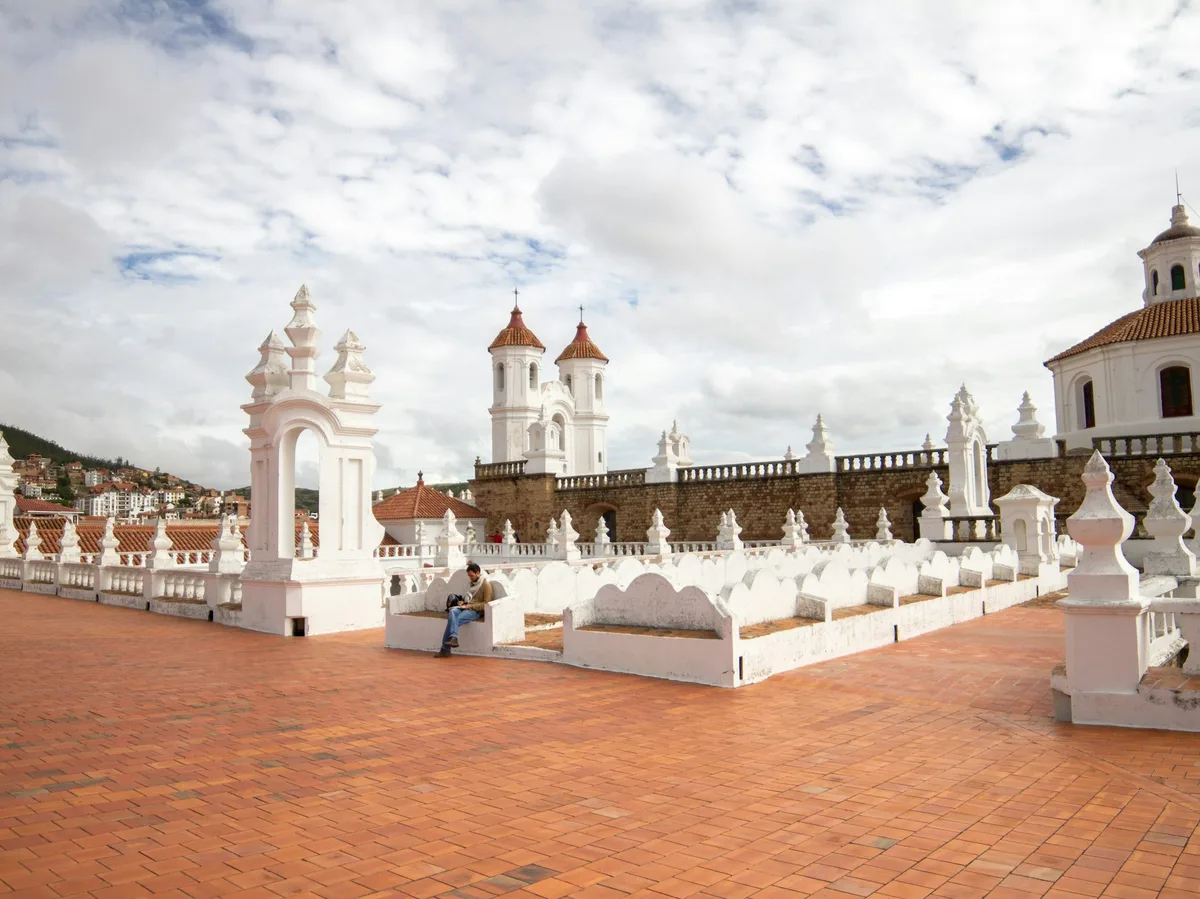
A week through Bolivia's colonial heart — La Paz's Valley of the Moon, the whitewashed streets of Sucre, the silver-mining history of Potosí, and a finale on the Uyuni salt flats.
 Multi-Day Tours
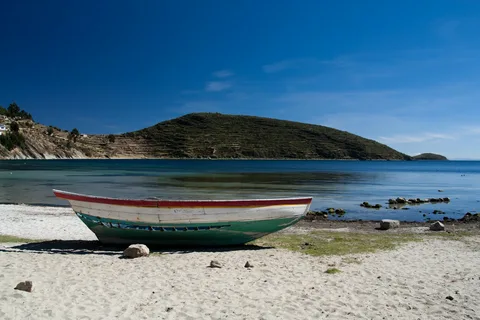
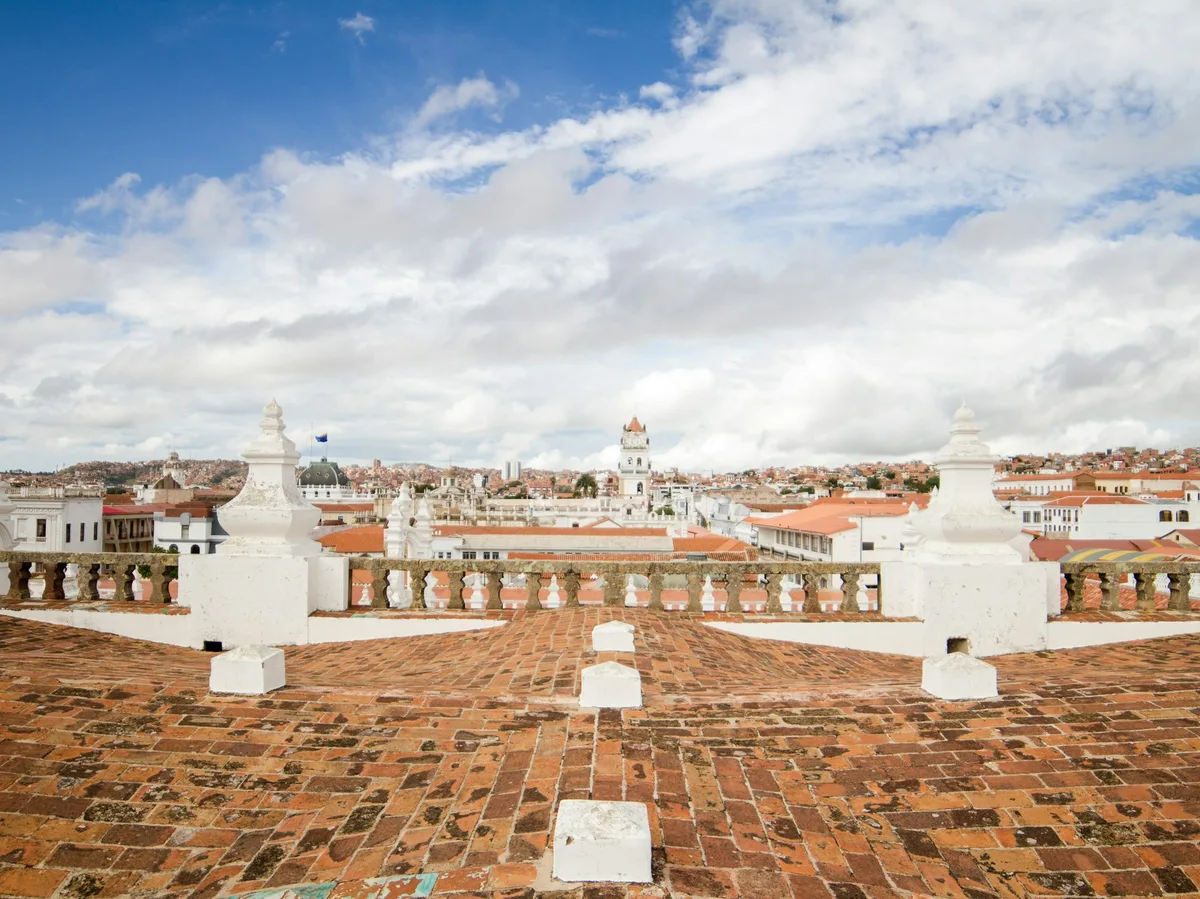
Sixteen days covering Bolivia's essentials — Santa Cruz, the colonial cities of Sucre and Potosí, the Uyuni salt flats and South Lipez, Lake Titicaca's islands, and a hands-on community stay by Laguna Tuni near La Paz.
 Multi-Day Tours
Thirteen days through Bolivia's diversity — Sucre and an Andean village excursion, the mining history of Potosí, the Uyuni salt flats and South Lipez desert, La Paz, and the islands of Lake Titicaca.
Visitor guide
Sucre is Bolivia's constitutional capital and the seat of its judiciary, set at about 2,790 metres in the inter-Andean valleys between the Altiplano and the Gran Chaco lowlands. Its historic centre was designated a UNESCO World Heritage Site in 1991 and is known for whitewashed colonial and republican buildings, which earned it the nickname the White City of America.
The Spanish founded the city in 1538 as the Ciudad de la Plata de la Nueva Toledo, with Pedro Anzures named as founder; Wikipedia gives November 30 in the text and September 29 in the infobox. Before colonisation the site was an Inca town called Chuquisaca. Under Spanish rule it was the seat of the Real Audiencia de Charcas, established in 1559. The city carried several names over time, including Charcas, La Plata and Chuquisaca, and was renamed Sucre to honour Antonio Jose de Sucre, marshal at the Battle of Ayacucho in 1824, in a law of 1839.
The independence movement in the region began on 25 May 1809, when the bell of the Basilica of San Francisco was rung until it cracked; it is still kept in the basilica. The city was proclaimed provisional capital of the new republic in 1826. The Casa de la Libertad, built in 1621, houses the Salon de la Independencia where the Bolivian Declaration of Independence is held, and the city's motto reads Aqui nacio la Libertad, meaning Freedom was born here.
Sucre is the constitutional capital and the seat of the judiciary, where the Supreme Court sits; La Paz is the seat of government. The Supreme Court was established on 16 July 1827, and the move of government functions to La Paz in 1898 after Potosi's silver economy declined still shapes regional politics.
The historic centre is considered among the best-preserved Hispanic colonial and republican centres in the Western Hemisphere, comparable to Cusco and Quito. Narrow streets follow a grid, with Andalusian influence in the houses, convents and churches. The Metropolitan Cathedral was built between 1559 and 1712 and houses a religious art museum and a gallery of colonial and European works. The Archbishop's Palace dates from 1609, and the Recoleta Monastery was founded by Franciscans in 1601. San Lazaro is described as the country's oldest church, and the General Cemetery has late 19th-century mausoleums.
The Universidad Mayor Real y Pontificia de San Francisco Xavier de Chuquisaca was founded in 1624 and is called one of the oldest universities in the Americas in Wikipedia's article. The climate is mild year-round for its altitude, with rain mainly in summer thunderstorms. UNESCO's 1991 listing rests on criterion (iv), citing the city as an intact, well-preserved example of the architectural blending of local traditions and styles imported from Europe. A private guided visit suits Sucre's compact historic centre, where a guide can link the Casa de la Libertad, cathedral and churches.
See every tour and attraction we cover in Bolivia.