TorontoOntario · 36 tours
 Niagara FallsOntario · 25 tours
 New York CityNew York · 30 tours
 Las VegasNevada · 8 tours
 San FranciscoCalifornia · 16 tours
 VancouverBritish Columbia · 17 tours
 DubaiUAE · 54 tours
 Abu DhabiUAE · 5 tours
 Buenos AiresArgentina · 23 tours
 AthensGreece · 31 tours
 AucklandNew Zealand · 38 tours
 CancunMexico · 54 tours
No destinations match “”. Try searching all tours instead — that search understands full questions, not just place names.
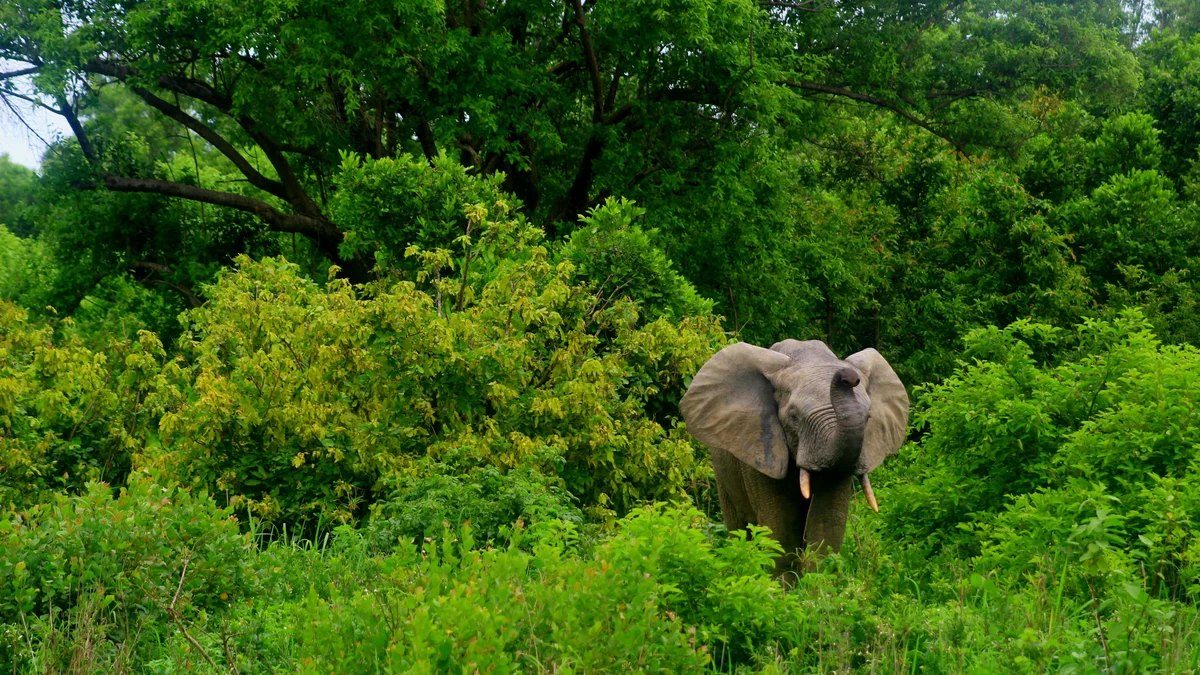
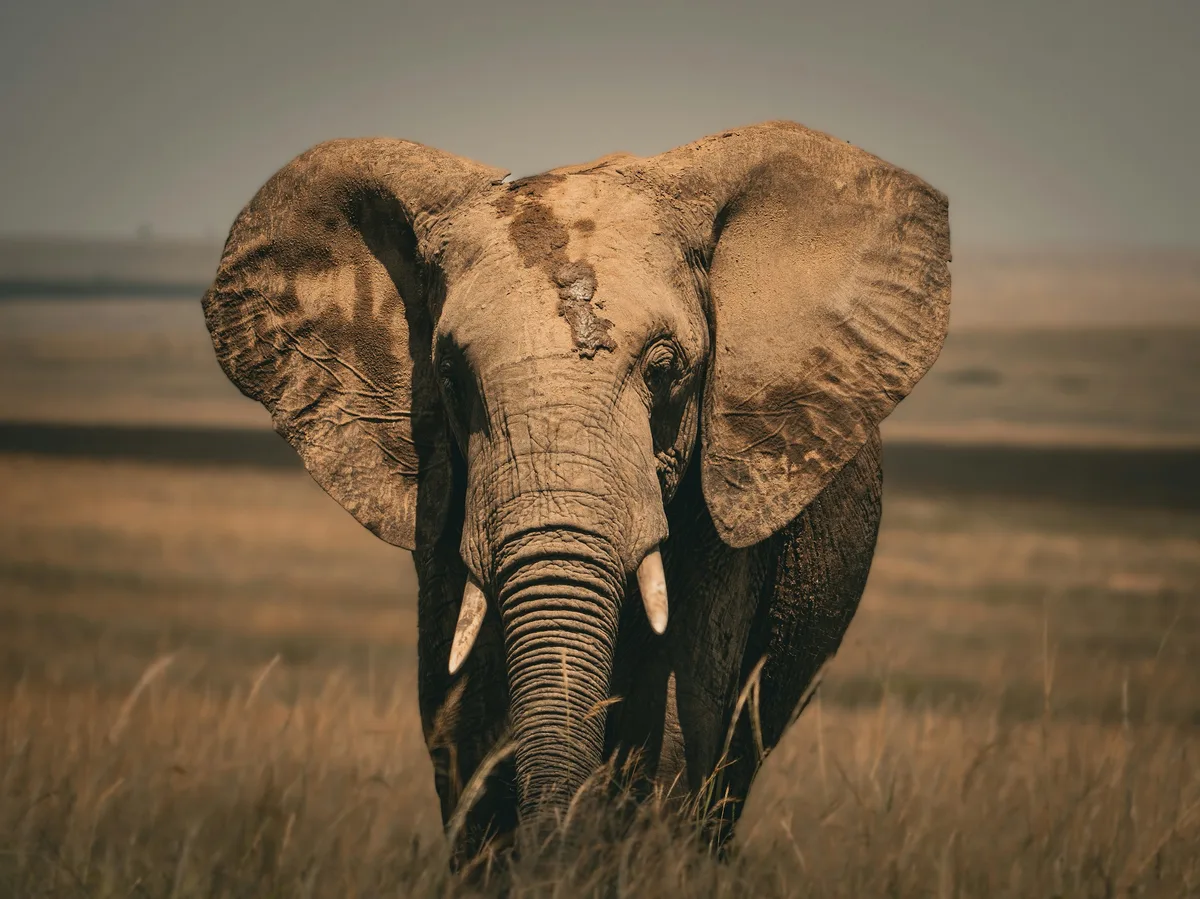
Ghana's largest wildlife refuge, a savanna reserve in the Savannah Region home to elephants, antelope, and baboons, reached from Accra via a domestic flight to Tamale.
Visitor guide
Mole National Park is a protected savanna reserve in Ghana's Savannah Region, near the town of Larabanga. Wikipedia describes it as Ghana's largest wildlife refuge and one of the country's seven national parks.
The area was set aside as a wildlife refuge in 1958 and became a national park in 1971. Wikipedia notes that the human population was relocated, with dates given as 1961 in one place, and the article says the park is underfunded and poaching is a concern. Another source notes tension between tourism promotion and displaced communities, which is a reminder that conservation areas have a human history too.
Travel sources add that an ancient caravan route passed through the heart of the park, and that evidence of human habitation dates back thousands of years, although this comes from guides rather than the main reference article. Sources differ on the park's area, with figures between about 4,577 and 4,857 square km.
The park is known for free-ranging elephants. Wikipedia lists over 93 mammal species, including elephants, hippos, buffalo and warthogs, antelopes such as kob, roan and oribi, and monkeys such as olive baboons and black-and-white colobus. Lions, leopards and hyenas are present but rarely seen. There are 33 reptile species, including the slender-snouted and dwarf crocodiles, and about 334 listed bird species, and it is an Important Bird Area.
As in all wild places, sightings cannot be promised. Wildlife tends to be easier to spot in the dry season, which travel sources put roughly between November and April, when animals gather near waterholes.
Travel sources add that the park's wider landscape includes the Konkori escarpment, where local people are said to have used a cave as a refuge from slave raiders, and that the park headquarters is named after one of the raiders active in the area. These details come from guidebooks rather than the main reference article, so they are best treated as local history to ask a guide about.
Mole's vegetation is savanna and riparian woodland, with trees such as Burkea africana, Isoberlinia doka and Terminalia macroptera, and relatively low grass diversity. The park sits at about 50 m elevation. Travel sources add that the Lovi and Mole rivers are seasonal and leave drinking holes in the long dry season.
The park is about 700 km from Accra and 430 km from Kumasi, and is the country's most developed tourism site according to Wikipedia, with West Africa's first luxury safari lodge. Visitor numbers rose from 14,600 in 2014 to 17,800 in 2015. Travel sources mention guided walking safaris led by armed rangers, as well as vehicle safaris.
Nearby is Larabanga Mosque, a mud-built mosque in the Sudano-Sahelian style whose age is disputed, with some sources dating it to the 14th century and local legend giving 1421. The long distance from the south of the country makes a private driver especially useful for a trip here.
See every tour and attraction we cover in Ghana.