TorontoOntario · 36 tours
 Niagara FallsOntario · 25 tours
 New York CityNew York · 30 tours
 Las VegasNevada · 8 tours
 San FranciscoCalifornia · 16 tours
 VancouverBritish Columbia · 17 tours
 DubaiUAE · 54 tours
 Abu DhabiUAE · 5 tours
 Buenos AiresArgentina · 23 tours
 AthensGreece · 31 tours
 AucklandNew Zealand · 38 tours
 CancunMexico · 54 tours
No destinations match “”. Try searching all tours instead — that search understands full questions, not just place names.
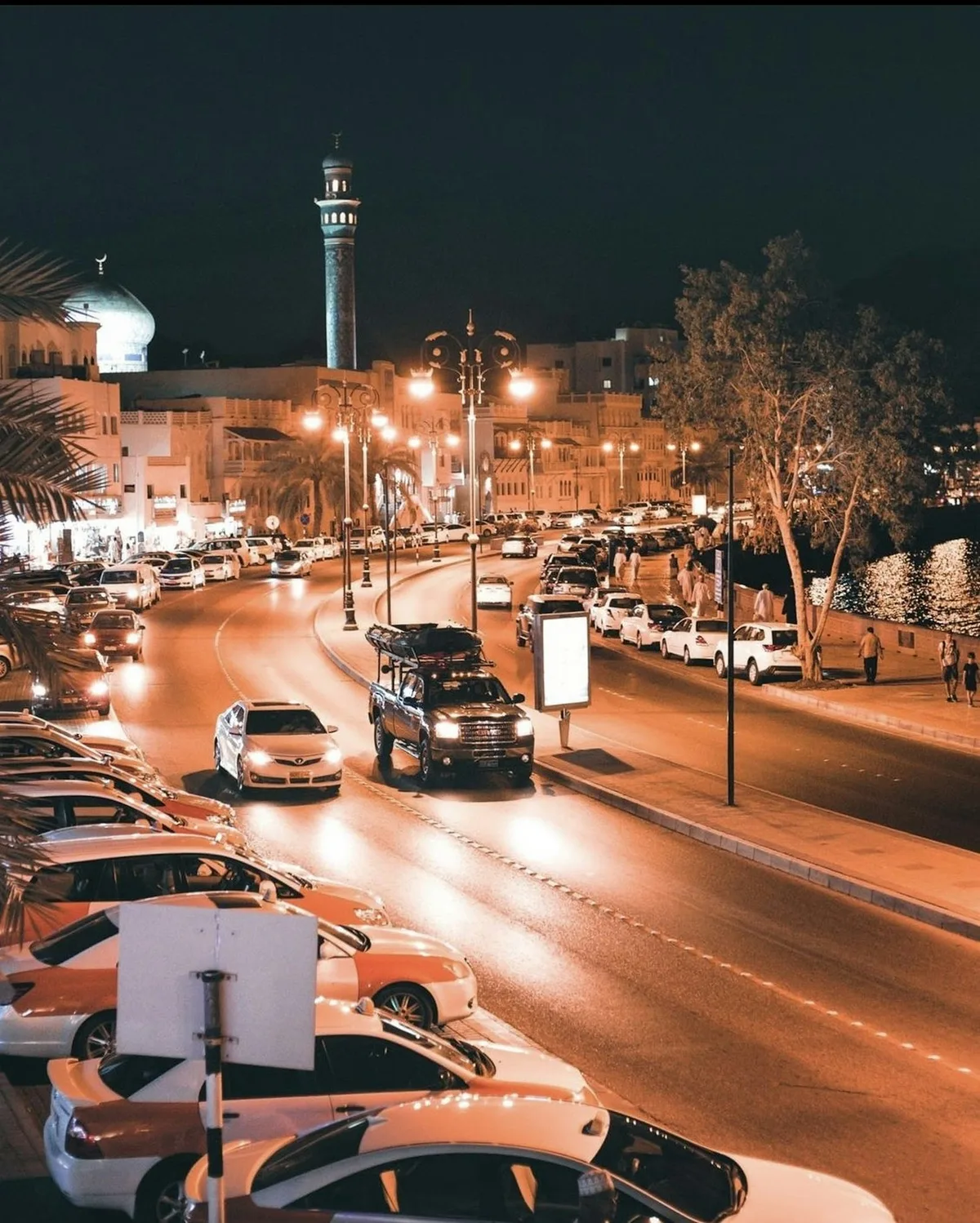
One of the oldest souks in the Arabian Peninsula, its covered lanes in Muscat's Mutrah district sell frankincense, textiles, and silver alongside the harborside Corniche.
Visitor guide
Mutrah Souq is the covered market of Mutrah (Matrah), a harbour district of Muscat in Oman. Its labyrinth of narrow lanes sells frankincense, silver, textiles and khanjars beside the waterfront Corniche, and it is one of the Sultanate's best-known traditional markets.
Wikipedia's entry on Muttrah describes the souq as one of Oman's oldest markets, said to be about 200 years old, next to the Muscat harbour. It is also known as Al Dhalam, meaning darkness, because the narrow, crowded lanes let little daylight reach the stalls. The article mentions an east and a west part, referred to as the small market and the large market. Other guides call it one of the oldest markets on the Arabian Peninsula, though no source gives a precise founding date.
The souq's importance came from the port. According to Wikipedia, Muttrah became a commercial port in the 18th century under Sayyid Sultan bin Ahmed, while neighbouring Muscat was used for naval operations. Its place on trade routes toward India and China made it significant in the age of sail, and travel writers note that caravans from the interior could reach Mutrah more easily than the sheltered harbour of old Muscat.
Wikipedia lists frankincense, perfume oils, jasmine, spices, silver, dishdashas, kumahs (embroidered caps), textiles, head scarves, khanjars, hookahs, paintings, pottery, leatherwork and incense among the goods. The article says the market was originally built of mud and palm leaves, and that Muscat Municipality later renovated it and added amenities for visitors. It is described as busiest before Eid, when shoppers arrive from across Oman. Guides add that a wadi channel runs beneath the souq, carrying rainwater from the nearby mountains to the main entrance.
The souq opens onto the Mutrah Corniche, a waterfront promenade of about three kilometres lined with cafes, restaurants and traditional buildings. Wikipedia's images show watchtowers and the Masjid Al Rasool Al A'dham mosque on the waterfront. At the western end, one guide notes a fish market designed by Snohetta, with a curved form inspired by Arabic calligraphy. Above the harbour sits the Portuguese-era Mutrah Fort, which one guide dates to the late 16th century.
Mutrah is a wilayat of Muscat Governorate. Wikipedia describes it as the most densely populated province in Oman and a long-standing centre of commerce. Port Sultan Qaboos, established in 1974 as Mina Qaboos, lies next to the district and is one of Oman's main commercial ports. The district also contains Sur al-Luwatiyah, a walled residential community home to the Luwatiyah, who speak Luwati and work in trades such as incense, jewellery and clothing, according to the same article.
Because the lanes are shaded and tightly packed, a private guided visit with a driver is a practical way to see the souq, the Corniche and the fort in one trip. Modest clothing suits the market, and bargaining over items such as silver and textiles is part of the normal market experience.
See every tour and attraction we cover in Oman.