TorontoOntario · 36 tours
 Niagara FallsOntario · 25 tours
 New York CityNew York · 30 tours
 Las VegasNevada · 8 tours
 San FranciscoCalifornia · 16 tours
 VancouverBritish Columbia · 17 tours
 DubaiUAE · 54 tours
 Abu DhabiUAE · 5 tours
 Buenos AiresArgentina · 23 tours
 AthensGreece · 31 tours
 AucklandNew Zealand · 38 tours
 CancunMexico · 54 tours
No destinations match “”. Try searching all tours instead — that search understands full questions, not just place names.
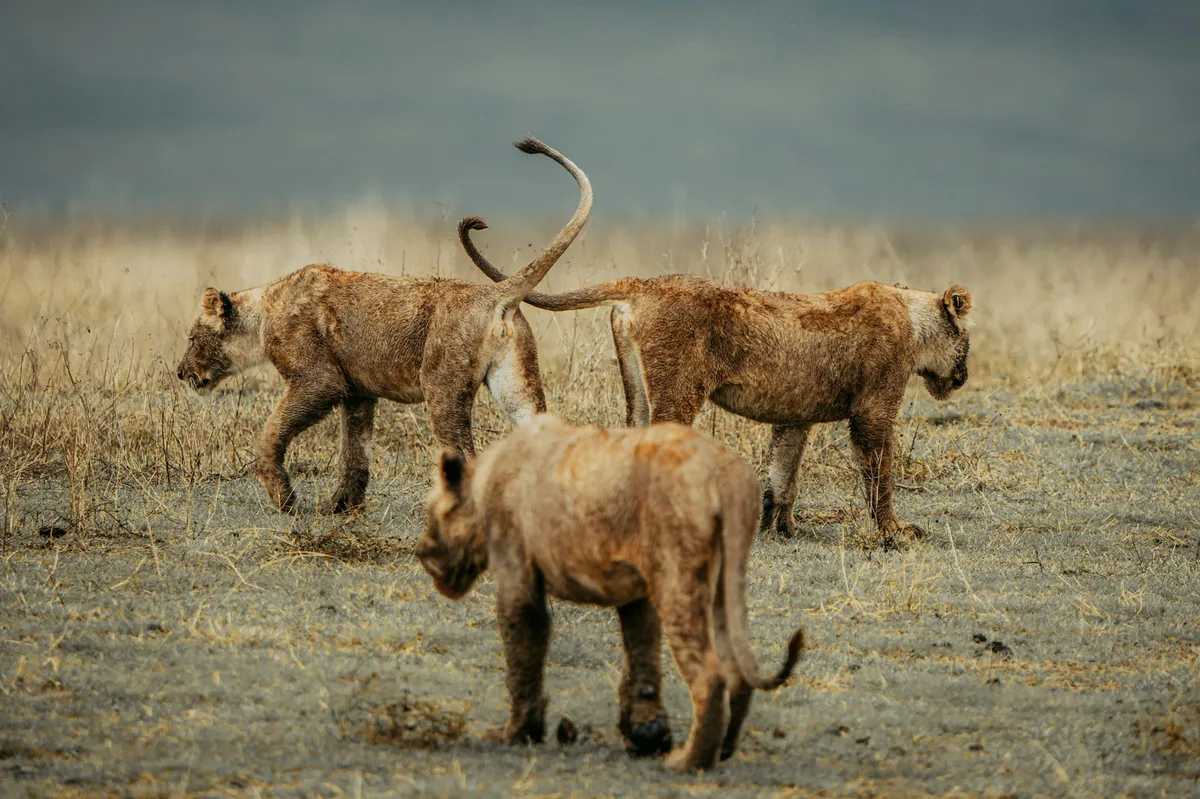
The world's largest intact volcanic caldera, its crater floor holding a year-round concentration of wildlife including the Big Five within a single, easily-covered basin.
Visitor guide
Ngorongoro Crater is a huge volcanic caldera in the Crater Highlands of northern Tanzania, forming the centrepiece of the Ngorongoro Conservation Area, a UNESCO World Heritage Site. Wikipedia describes it as the world's largest inactive, intact and unfilled volcanic caldera, with a floor of about 260 square kilometres.
According to Wikipedia, a large volcano erupted and collapsed in on itself roughly two to three million years ago, leaving the bowl that visitors see today. Estimates of the original volcano's height range from about 4,500 to 5,800 metres. The crater is about 610 metres deep and its floor lies roughly 1,800 metres above sea level, with the rim much higher. In 2013 the crater was named one of the Seven Natural Wonders of Africa.
The wider Conservation Area, established in 1959 and covering roughly 8,100 square kilometres (UNESCO lists the World Heritage property as 809,440 hectares), also includes Empakaai Crater, Olmoti Crater and other extinct volcanoes of the Ngorongoro volcanic group, as well as part of the Serengeti plains and the Gol Mountains.
The crater floor is a mosaic of habitats. The Munge Stream feeds a seasonal salt lake at the centre known as Makat or Magadi, while the Lerai Stream supports the Lerai Forest. Ngoitokitok Spring near the eastern wall feeds a swamp used by hippos, elephants and lions. The rim is draped in cloud forest that catches moisture, and the climate on the highlands is noticeably cooler than on the plains below.
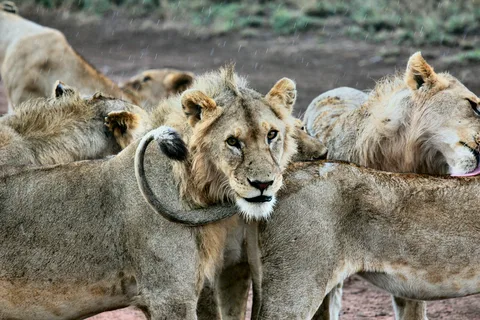
Wikipedia reports about 25,000 large animals living inside the crater, mostly grazers such as blue wildebeest, Grant's zebra, eland and gazelles, along with Cape buffalo and hippos. Lions are numerous and the crater is known for one of the densest lion populations recorded, though inbreeding and disease have periodically reduced numbers. Black rhinos declined sharply in the twentieth century and conservation efforts have brought a modest recovery. Giraffe, impala, topi and Nile crocodiles are absent from the crater. The area also hosts an endemic and endangered shrew known as Mduma's shrew.
The Conservation Area is also important for human origins. Olduvai Gorge, a steep-sided ravine of about 50 kilometres on the eastern Serengeti plains, has been excavated since the 1950s by Mary and Louis Leakey and their family, yielding early hominid fossils including Homo habilis and Paranthropus boisei. Because of this cultural significance UNESCO upgraded the area to mixed natural and cultural heritage status in 2010; it was first inscribed in 1979.
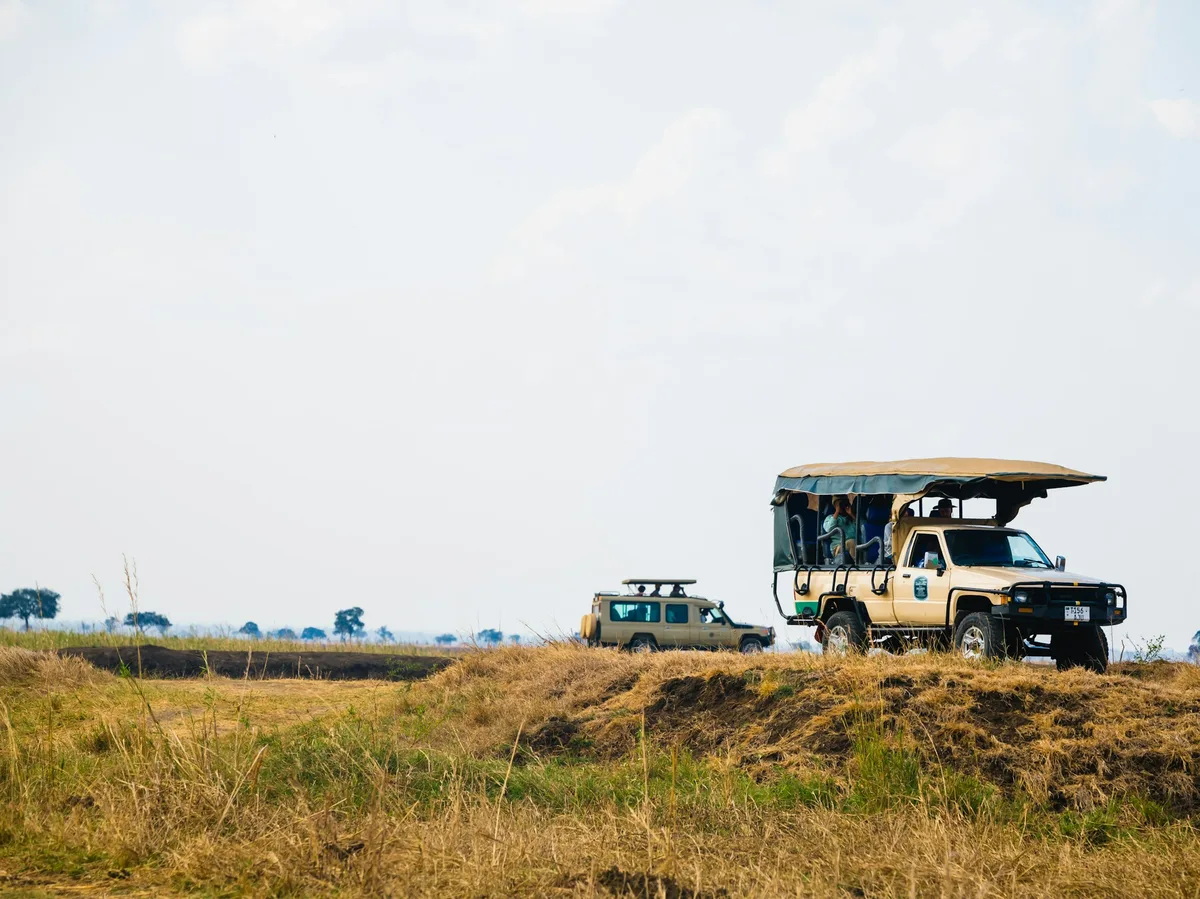
Hunter-gatherers and later pastoralists lived in the highlands before the Maasai became established in the nineteenth century, and German settlers farmed in the crater until the First World War. Today the Maasai continue to live in parts of the Conservation Area, and the authority that manages it works to balance wildlife protection with community use. Vehicle numbers on the crater floor are limited, and a private guided descent allows time to watch the wildlife across the open basin.
See every tour and attraction we cover in Tanzania.