TorontoOntario · 36 tours
 Niagara FallsOntario · 25 tours
 New York CityNew York · 30 tours
 Las VegasNevada · 8 tours
 San FranciscoCalifornia · 16 tours
 VancouverBritish Columbia · 17 tours
 DubaiUAE · 54 tours
 Abu DhabiUAE · 5 tours
 Buenos AiresArgentina · 23 tours
 AthensGreece · 31 tours
 AucklandNew Zealand · 38 tours
 CancunMexico · 54 tours
No destinations match “”. Try searching all tours instead — that search understands full questions, not just place names.
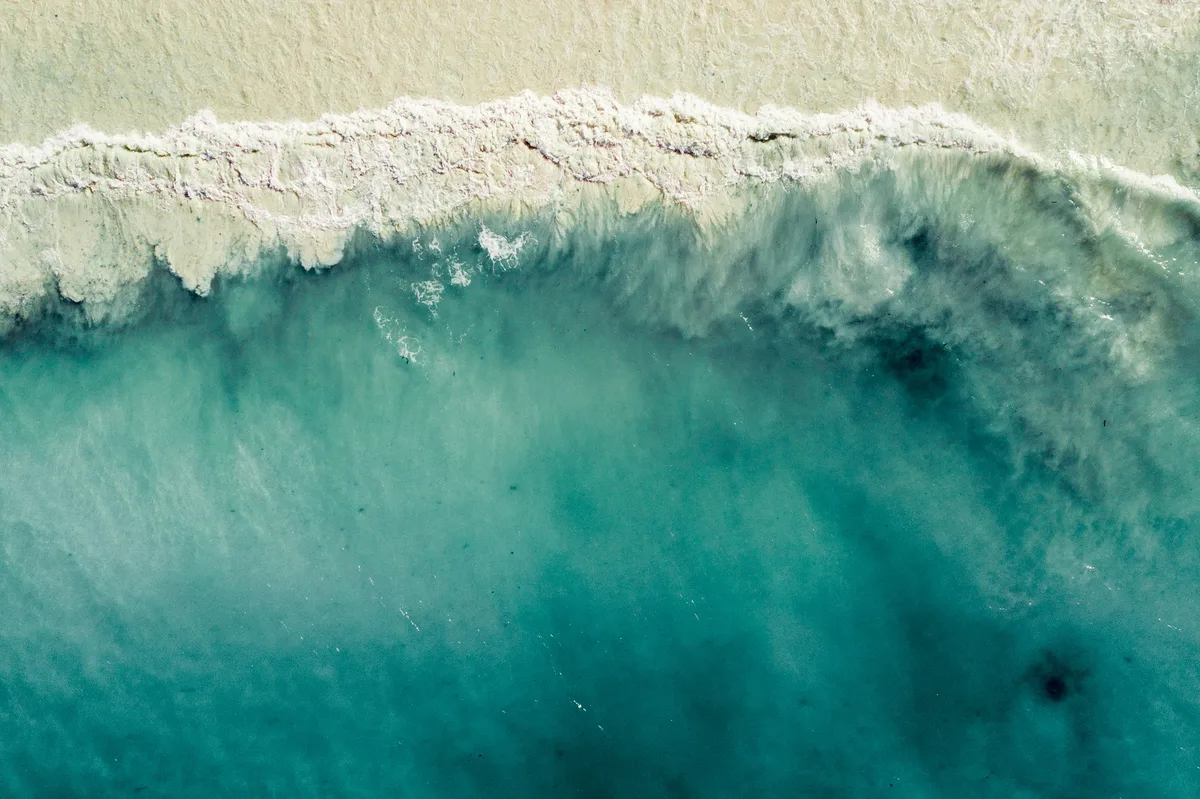
The white-sand, turquoise-water coastline on Zanzibar's north and east shores, the usual final stop after a mainland safari circuit.
Visitor guide
Zanzibar's beaches line the coast of Unguja, the main island of the Zanzibar Archipelago off Tanzania, with pale sand and warm Indian Ocean water. Wikipedia describes the island's beaches as sandy and fringed with coral reefs rich in marine life, and the coast divides broadly into a northern group, an eastern group and quieter southern stretches.
Unguja is about 85 kilometres long and roughly 30 to 39 kilometres wide, with sources giving an area of between about 1,464 and 1,666 square kilometres, and is separated from the mainland by a channel about 36.5 kilometres wide at its narrowest point. The island is low-lying and sits close to the equator, so it is warm throughout the year. Fringing coral reefs lie offshore and support snorkelling and diving, and tourism has grown from about 19,000 visitors in 1985 to hundreds of thousands in recent years, according to Wikipedia.
Unguja has a tropical monsoon climate. Wikipedia explains that the northeast monsoon, called Kaskazi, brings cooling sea breezes to the north and east coasts, while the southwest monsoon, Kusi, brings the main rains from March to May. A smaller rainy period occurs in November and December, and July is the driest month. Trade winds make the east coast popular for kitesurfing according to travel guides, though conditions depend on the season.
Nungwi, at the northern tip of the island, was traditionally a fishing village and a centre for dhow building. Wikipedia notes that the local population resisted tourism until the 1990s, and the area has since become one of the most visited parts of the island, with resorts, restaurants and dive centres. Kendwa lies a short distance south on the northwest coast. Travel guides generally describe the north coast beaches as less affected by tides, so swimming is easier at most hours of the day, and the western aspect gives evening sunsets over the sea.
On the east coast the tide has a much stronger influence. Guides describe the sea retreating far at low tide, exposing sandbanks and the seaweed farms tended by local villagers, so swimming is best timed around high water. Paje is known for its wind sports, Jambiani is generally described as quieter and more local, and Matemwe in the northeast is a base for trips to the coral gardens of Mnemba Atoll. These character descriptions come from travel guides rather than formal sources, and individual villages change over time.
Away from the water, the island offers the Jozani Forest, where Wikipedia says about a third of the endangered Zanzibar red colobus monkeys live, as well as spice farms; the main spices grown include clove, nutmeg, cinnamon and black pepper. Beaches are commonly paired with Stone Town on a Zanzibar stay, and a private driver makes it simple to move between coasts in a single trip.
See every tour and attraction we cover in Tanzania.