TorontoOntario · 36 tours
 Niagara FallsOntario · 25 tours
 New York CityNew York · 30 tours
 Las VegasNevada · 8 tours
 San FranciscoCalifornia · 16 tours
 VancouverBritish Columbia · 17 tours
 DubaiUAE · 54 tours
 Abu DhabiUAE · 5 tours
 Buenos AiresArgentina · 23 tours
 AthensGreece · 31 tours
 AucklandNew Zealand · 38 tours
 CancunMexico · 54 tours
No destinations match “”. Try searching all tours instead — that search understands full questions, not just place names.
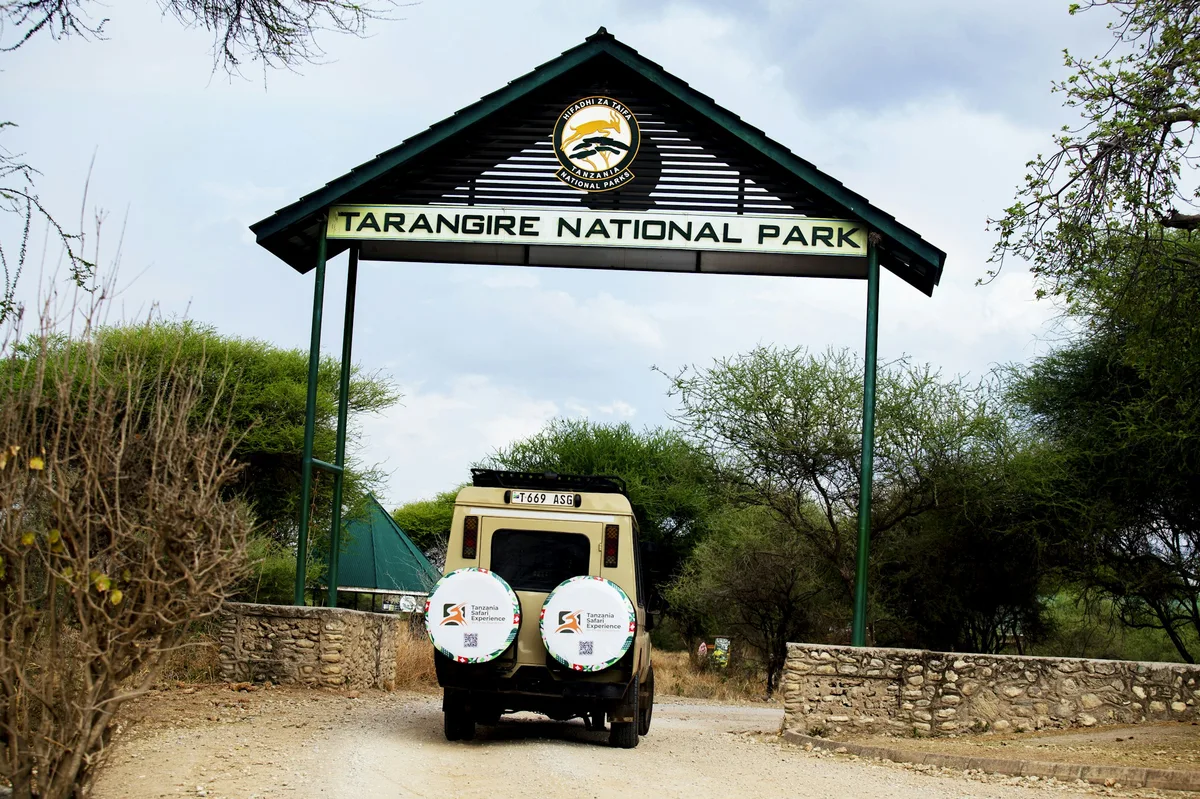
A park known for its ancient baobab trees and, known for large concentrations of wildlife, especially large elephant herds.
Visitor guide
Tarangire National Park is a protected area in Tanzania's Manyara Region, south of Arusha, named after the Tarangire River that runs through it. Covering about 2,850 square kilometres, it is known for its large elephant herds, ancient baobab trees and dry-season concentrations of wildlife.
The Tarangire River is the lifeline of the park. Wikipedia explains that during the annual dry season the river is the main source of fresh water for wildlife in the wider Tarangire ecosystem, so animals from a large surrounding area gather along its banks. The park was established in 1970, is managed by the Tanzania National Parks Authority and has IUCN Category II status. Since 2005 the area has also been recognised as a lion conservation unit.
The ecosystem is defined by the long-distance migration of wildebeest and zebra. During the rains the herds disperse and calve across open country outside the park, and in the dry months from about June to October thousands of animals concentrate in Tarangire, which is why that period is described as the best for seeing large herds.
The park's scenery combines granitic ridges, a river valley and seasonally flooded swamps and grassland. Vegetation includes acacia woodland, combretum woodland and the distinctive baobab, Adansonia digitata. Baobabs are deciduous and shed their leaves in the dry season, and Wikipedia notes that their trunks can store up to about 120,000 litres of water, helping them survive drought. Their large, scented flowers open near dusk and are mostly bat-pollinated, and the species is among the longest-lived flowering plants. Termite mounds are another feature of the landscape, and abandoned mounds are often used as homes by dwarf mongoose.
Tarangire is known for its high density of African bush elephants, and research here has focused on elephants and Masai giraffes. Wikipedia mentions that the oldest known elephant to give birth to twins was found in the park. Large herds of zebra, wildebeest and buffalo are common in the dry season, alongside waterbuck, giraffe, dik-dik, impala, eland, Grant's gazelle, vervet monkeys and olive baboons.
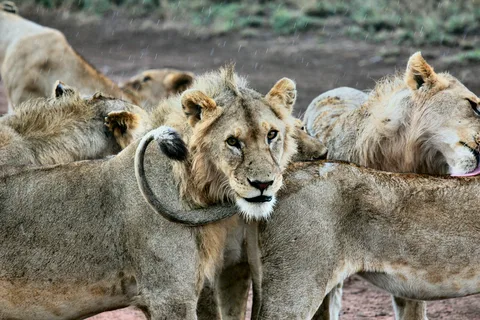
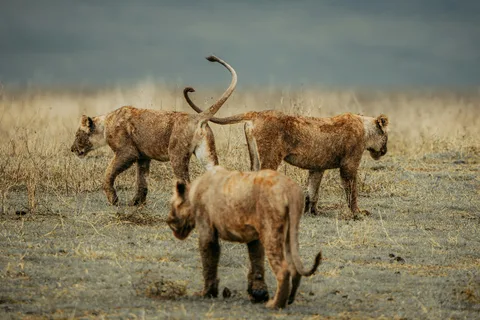
Predators include lions, leopards, cheetahs, caracals, honey badgers and African wild dogs. In 2015 a leucistic, or white, giraffe was reported in the park. More than 550 bird species have been recorded, making it a rewarding destination for birdwatchers as well.
The park lies within roughly two hours by road south of Arusha and is about 70 kilometres from Lake Manyara National Park, so the two are often combined on the northern safari circuit together with the Ngorongoro Crater and Serengeti. Wildlife concentrations change a great deal between the wet and dry seasons, which is a useful thing to discuss when planning a private guided safari. Because the best game viewing follows the river in the dry months, the timing of a visit affects what you are likely to see far more than in many other parks.
See every tour and attraction we cover in Tanzania.