TorontoOntario · 36 tours
 Niagara FallsOntario · 25 tours
 New York CityNew York · 30 tours
 Las VegasNevada · 8 tours
 San FranciscoCalifornia · 16 tours
 VancouverBritish Columbia · 17 tours
 DubaiUAE · 54 tours
 Abu DhabiUAE · 5 tours
 Buenos AiresArgentina · 23 tours
 AthensGreece · 31 tours
 AucklandNew Zealand · 38 tours
 CancunMexico · 54 tours
No destinations match “”. Try searching all tours instead — that search understands full questions, not just place names.
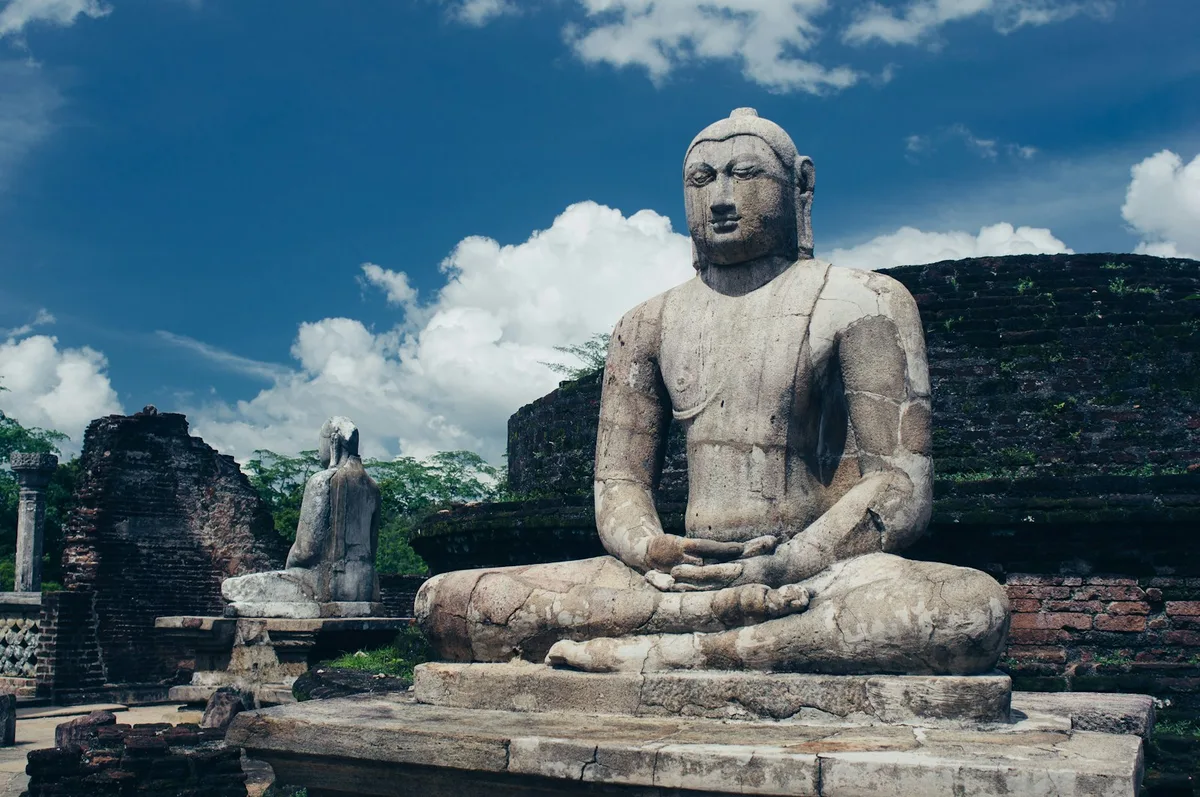
Sri Lanka's second ancient capital, a UNESCO World Heritage Site of royal palace ruins, Buddhist monasteries, and the Gal Vihara's rock-cut Buddha statues.
 Multi-Day Tours
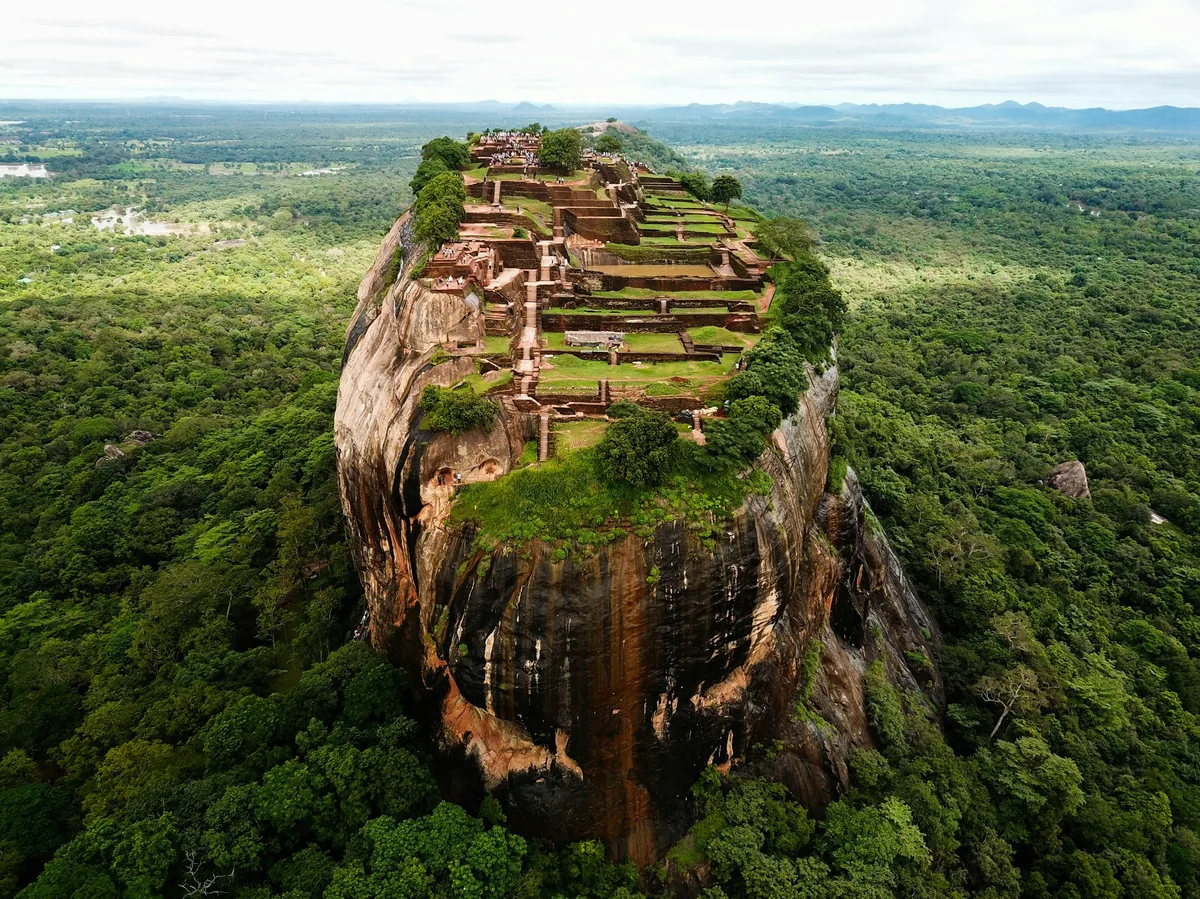
A 13-day private tour spanning Negombo, Sigiriya's rock fortress, the ancient ruins of Polonnaruwa, Kandy, a scenic train to Ella, a Yala safari, and Galle's Dutch Fort.
 Multi-Day Tours
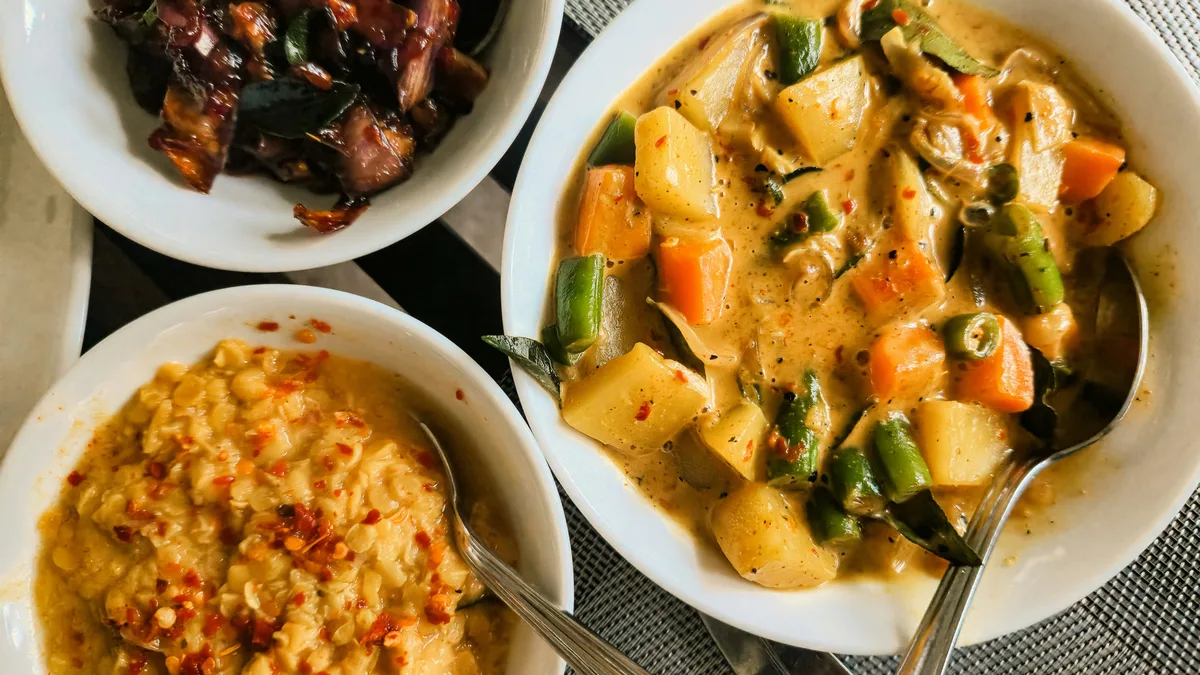
A 7-day private tour built around Sri Lankan cuisine — cooking lessons, village visits, and homestays through Negombo, Kandy, Batticaloa, Polonnaruwa, and Sigiriya.
Visitor guide
Polonnaruwa is the medieval capital of Sri Lanka's second great kingdom, a UNESCO World Heritage Site in the North Central Province. Its archaeological zone holds the ruins of royal palaces, Buddhist monasteries and the rock-cut Buddha images of Gal Vihara, and the ancient city was inscribed in 1982.
Wikipedia says Polonnaruwa began as a Sinhalese military post. After the Chola invasion of Anuradhapura in the 10th century, the town was renamed Jananathamangalam, and Rajaraja I built a Shiva temple there, now known as the Siva Devale. Vijayabahu I took the city after a siege of about seven months and became ruler in 1070, reuniting the country and restoring Buddhism.
The Kingdom of Polonnaruwa is dated from 1055 to 1232. Under Parakramabahu I (1153 to 1186) trade and agriculture flourished, and his irrigation works were far more advanced than those of the Anuradhapura period. The largest was the Parakrama Samudra, or Sea of Parakrama, a reservoir with a surface area of about 22.6 square kilometres.
The Vatadage is the best-preserved vatadage in Sri Lanka, a circular relic house protecting a small central stupa. It has two stone platforms with carvings, four seated Buddha statues facing the cardinal points and concentric rows of stone columns that probably supported a roof. Scholars disagree about whether Parakramabahu I or Nissanka Malla built it. Its moonstone and guardstones are considered among the finest of the Polonnaruwa period.
Nissanka Malla (1187 to 1196) built the Hatadage to house relics, the Nissanka Latha Mandapaya and the Rankoth Vihara, and sources say the Hatadage was built in sixty hours, which may explain its name.
Gal Vihara, the rock monastery, was built by Parakramabahu I in the 12th century. Its centrepiece is four Buddha images carved into a single granite rock face. A seated image measures about 4.6 metres, a smaller seated Buddha sits in an artificial cave, a standing image is about 6.9 metres tall, and the reclining image showing the Buddha's final passing is about 14.1 metres long. The identity of the standing figure is disputed, with some scholars suggesting it shows the monk Ananda. Wikipedia calls Gal Vihara the most visited monument in Polonnaruwa.
After Nissanka Malla the kingdom suffered succession disputes. In 1215 Kalinga Magha invaded, ruling for about 21 years, and Polonnaruwa was sacked. Vijayabahu III expelled Magha and moved the capital to Dambadeniya, ending the Polonnaruwa period. Excavations at the Vatadage began in 1903 under H.C.P. Bell, who found it only a mound of earth.
The modern town lies about 3 kilometres south of the archaeological zone, and toque macaques live among the ruins. The sites are spread over a wide area, so a private tour with a local driver and guide suits the day.
See every tour and attraction we cover in Sri Lanka.