TorontoOntario · 36 tours
 Niagara FallsOntario · 25 tours
 New York CityNew York · 30 tours
 Las VegasNevada · 8 tours
 San FranciscoCalifornia · 16 tours
 VancouverBritish Columbia · 17 tours
 DubaiUAE · 54 tours
 Abu DhabiUAE · 5 tours
 Buenos AiresArgentina · 23 tours
 AthensGreece · 31 tours
 AucklandNew Zealand · 38 tours
 CancunMexico · 54 tours
No destinations match “”. Try searching all tours instead — that search understands full questions, not just place names.
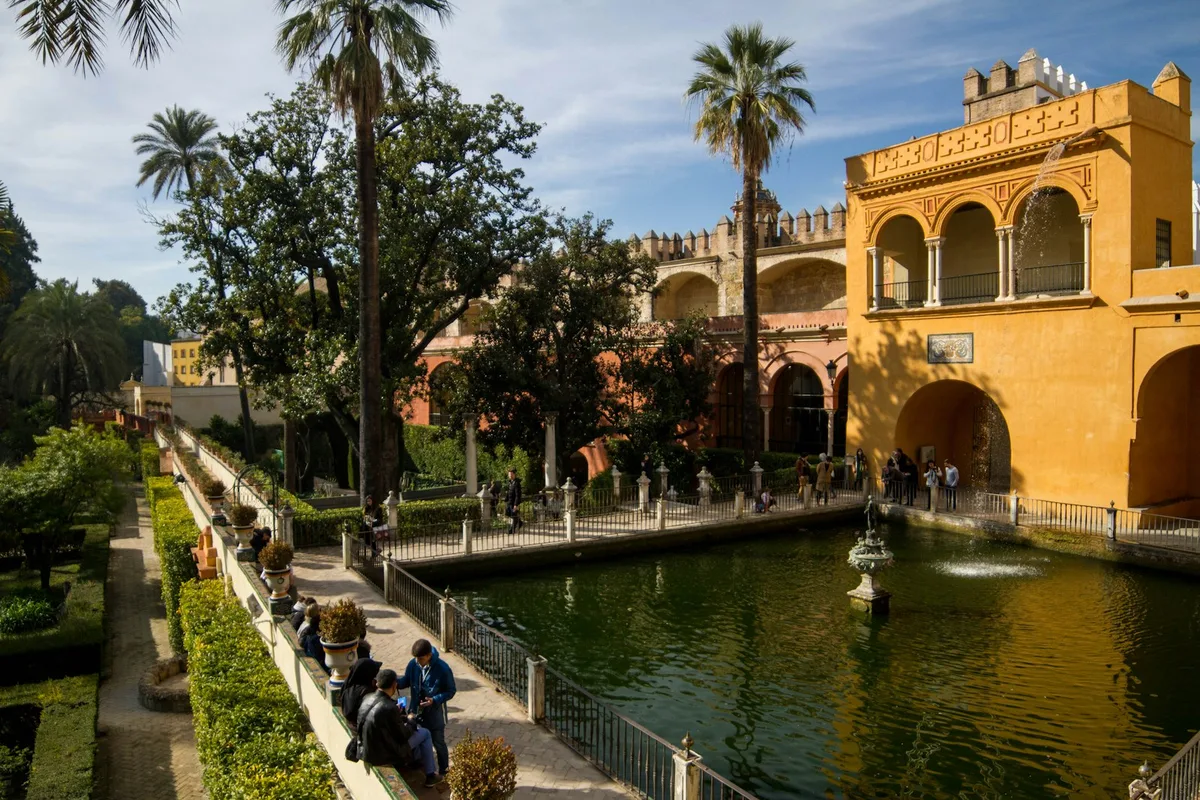
A royal palace complex of Mudéjar architecture and tiered gardens, still in use by the Spanish royal family and one of the oldest palaces in Europe still functioning as such.
 Multi-Day Tours
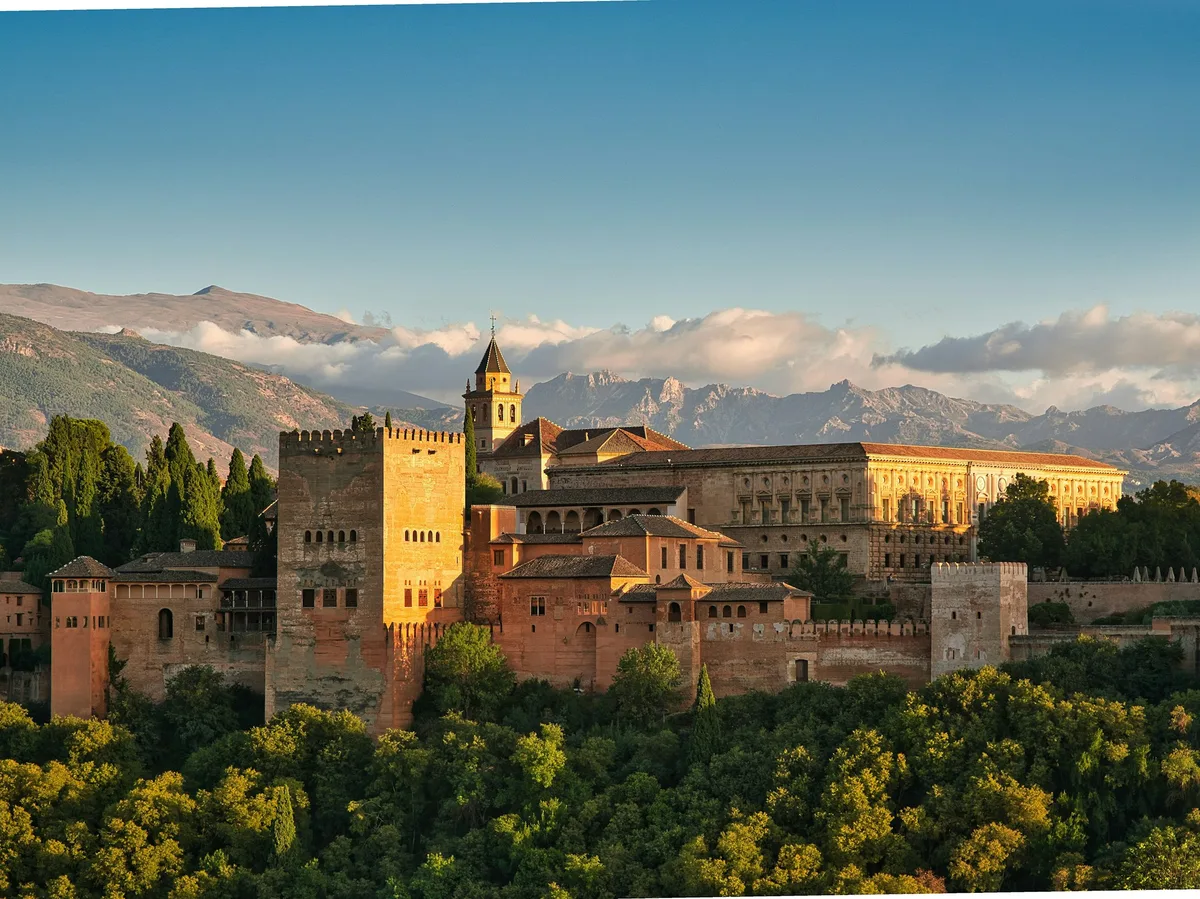
A 10-day Sephardic heritage tour of Spain across Madrid, Toledo, Seville, Córdoba, and Granada — historic synagogues, the Alhambra with a Jewish heritage expert guide, the House of Sepharad museum, and the Jewish Cemetery in Lucena.
 Multi-Day Tours
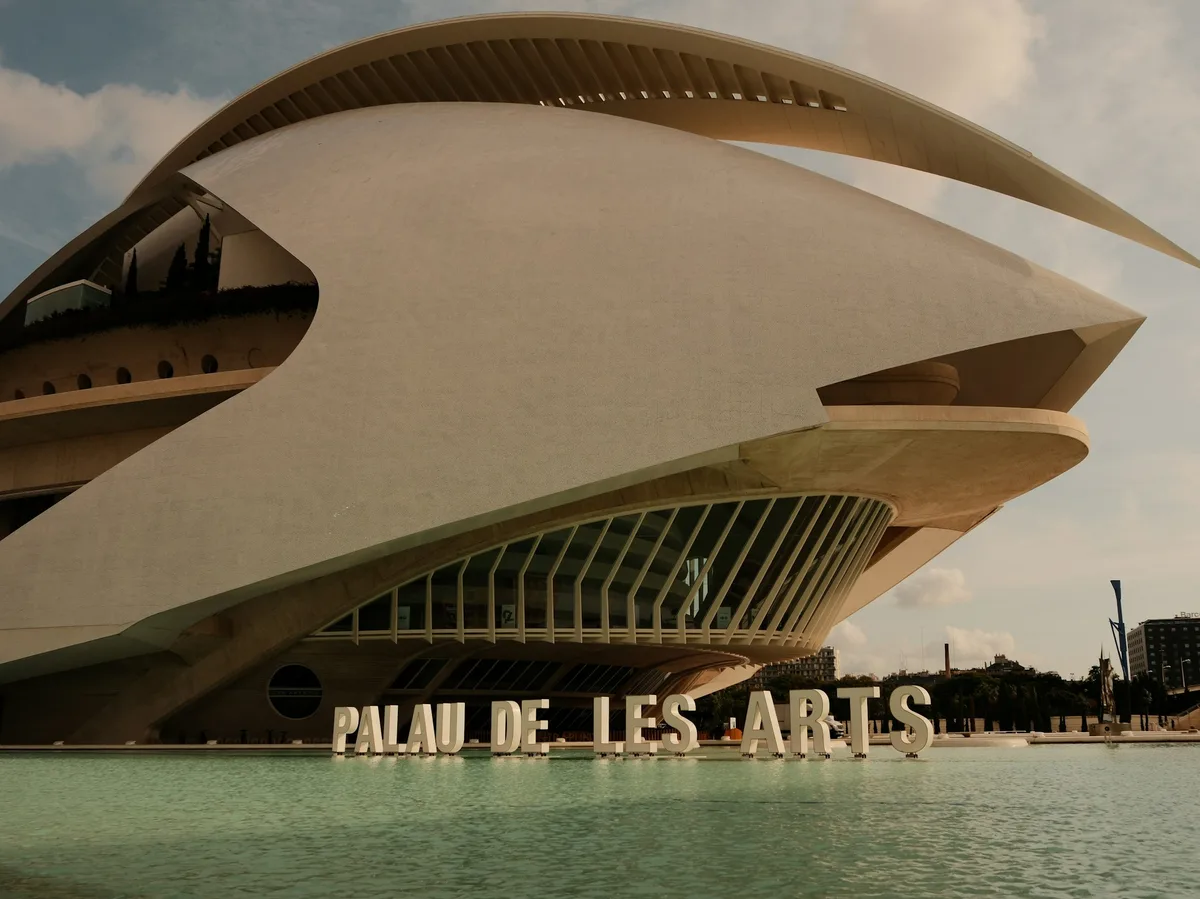
A 13-day grand tour of Spain — Barcelona, a Montserrat day trip, Valencia, Madrid, Toledo, Seville, Córdoba, Ronda, and Granada's Alhambra.
 Multi-Day Tours
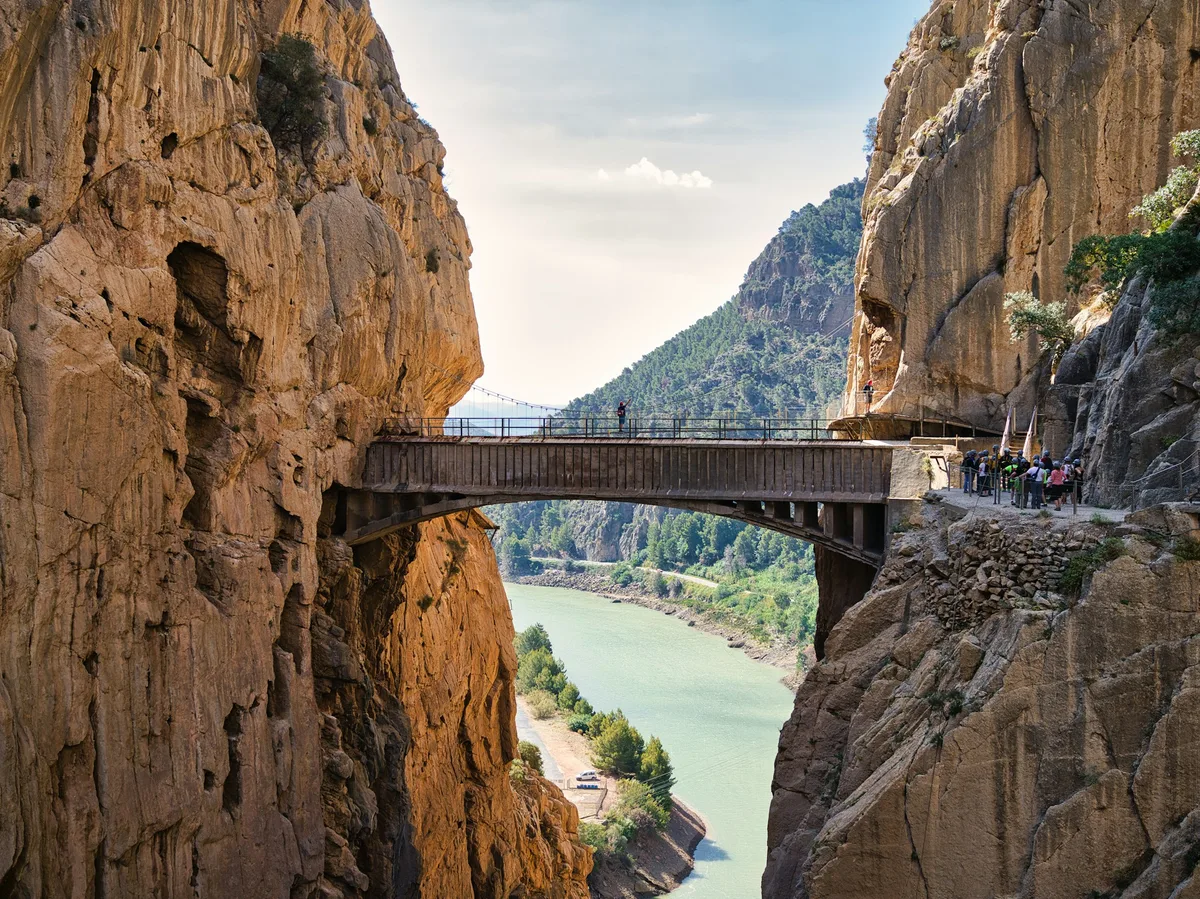
A 7-day Andalucía road-trip route from Seville's Alcázar through the whitewashed village of Vejer de la Frontera, mountaintop Ronda, the El Caminito del Rey gorge trail, and Granada's Alhambra.
Visitor guide
The Real Alcazar of Seville is a royal palace complex in Andalusia, southern Spain, known for its Mudejar architecture and its terraced gardens. Parts of the upper floors are still used by the Spanish royal family during visits and are administered by Patrimonio Nacional. UNESCO inscribed it in 1987, together with Seville Cathedral and the General Archive of the Indies.
The site's history stretches back to the Islamic period. According to Wikipedia, in 913-914 Abd al-Rahman III built a fortified enclosure here, and in the eleventh century the Abbadid ruler al-Mu'tamid expanded the complex. Under the Almohads, who made Seville their capital from about 1150, the Alcazar became a major residence, and a large expansion in 1169 replaced most earlier buildings. Surviving Almohad remains include the Patio del Yeso.
Ferdinand III of Castile conquered Seville in 1248. Alfonso X later built a Gothic palace here in 1258, much of which was destroyed in the 1755 Lisbon earthquake, although parts such as the vaulted baths known as the Banos de Maria de Padilla survive. The result is a compound built in layers by rulers of different faiths, which is part of its appeal.
The heart of the Alcazar is the Mudejar palace built for King Pedro I in the 1360s. A Latin inscription on the facade includes the year 1364, and an Arabic inscription in the Hall of Ambassadors gives 1366. The decoration resembles that of the Nasrid palaces of the Alhambra in Granada, and Wikipedia notes that Muhammad V of Granada, Pedro's ally, may have sent craftsmen.
The Patio de las Doncellas, or Courtyard of the Maidens, has Arabic inscriptions naming Pedro and an upper storey added by Charles V's architects in an Italian Renaissance style between 1540 and 1572. The name is linked to an apocryphal story about a tribute of maidens. A garden and pool buried under a marble pavement in the sixteenth century were uncovered by excavations in 2002-2005 and later reconstructed. The Hall of Ambassadors is a square room under a domed ceiling, finished in 1366 in its decoration, and Charles V and Isabella of Portugal celebrated their marriage there in 1526.
The gardens of the Alcazar combine Islamic, Renaissance and Mannerist ideas. In the seventeenth century, Vermondo Resta introduced Italian Mannerist features, including the Galeria de Grutesco. Tilework is another highlight, with the arista and majolica techniques well represented, and a majolica altarpiece by Francisco Niculoso survives in the Catholic Monarchs' chapel.
The Catholic Monarchs Isabella and Ferdinand extended the upper floor and made the palace their main residence. In 1503, the Casa de Contratacion was established beside the Patio de la Montería to handle merchant contracts for trade with Spanish America and the Philippines.
The palace has appeared in film and television. Wikipedia lists Lawrence of Arabia (1962), Kingdom of Heaven (2005) and the fifth season of Game of Thrones among productions that have used it or other locations in Seville province.
The complex combines interiors, courtyards and extensive gardens, and parts of the upper floors have security restrictions because they remain in royal use. A private guided visit helps visitors understand the layers of history, and Voyzo can arrange this with a private vehicle and driver.
See every tour and attraction we cover in Spain.