TorontoOntario · 36 tours
 Niagara FallsOntario · 25 tours
 New York CityNew York · 30 tours
 Las VegasNevada · 8 tours
 San FranciscoCalifornia · 16 tours
 VancouverBritish Columbia · 17 tours
 DubaiUAE · 54 tours
 Abu DhabiUAE · 5 tours
 Buenos AiresArgentina · 23 tours
 AthensGreece · 31 tours
 AucklandNew Zealand · 38 tours
 CancunMexico · 54 tours
No destinations match “”. Try searching all tours instead — that search understands full questions, not just place names.
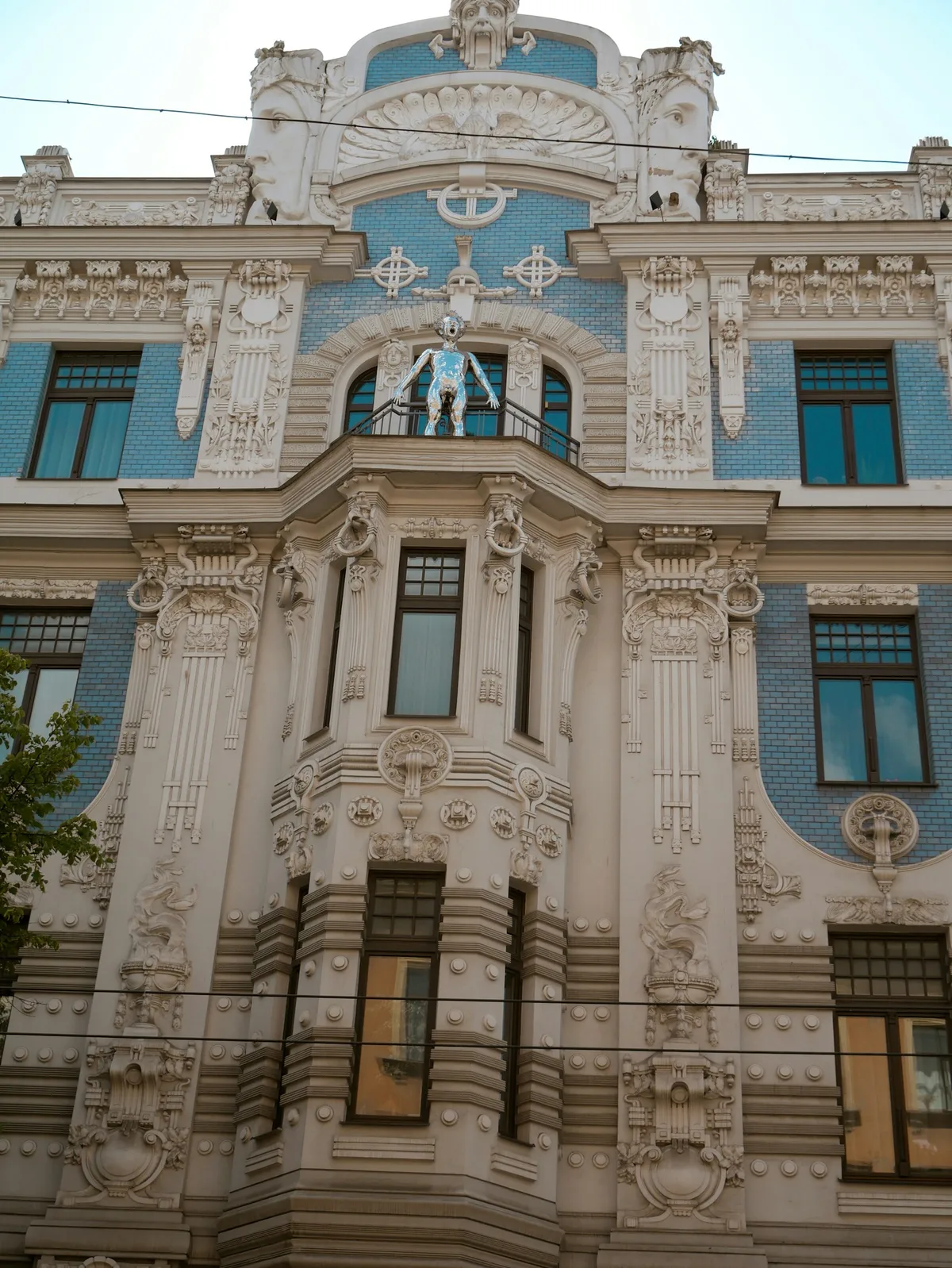
A neighborhood of central Riga, centered on Alberta and Elizabetes streets, holding one of the highest concentrations of Art Nouveau architecture anywhere in Europe.
 Multi-Day Tours
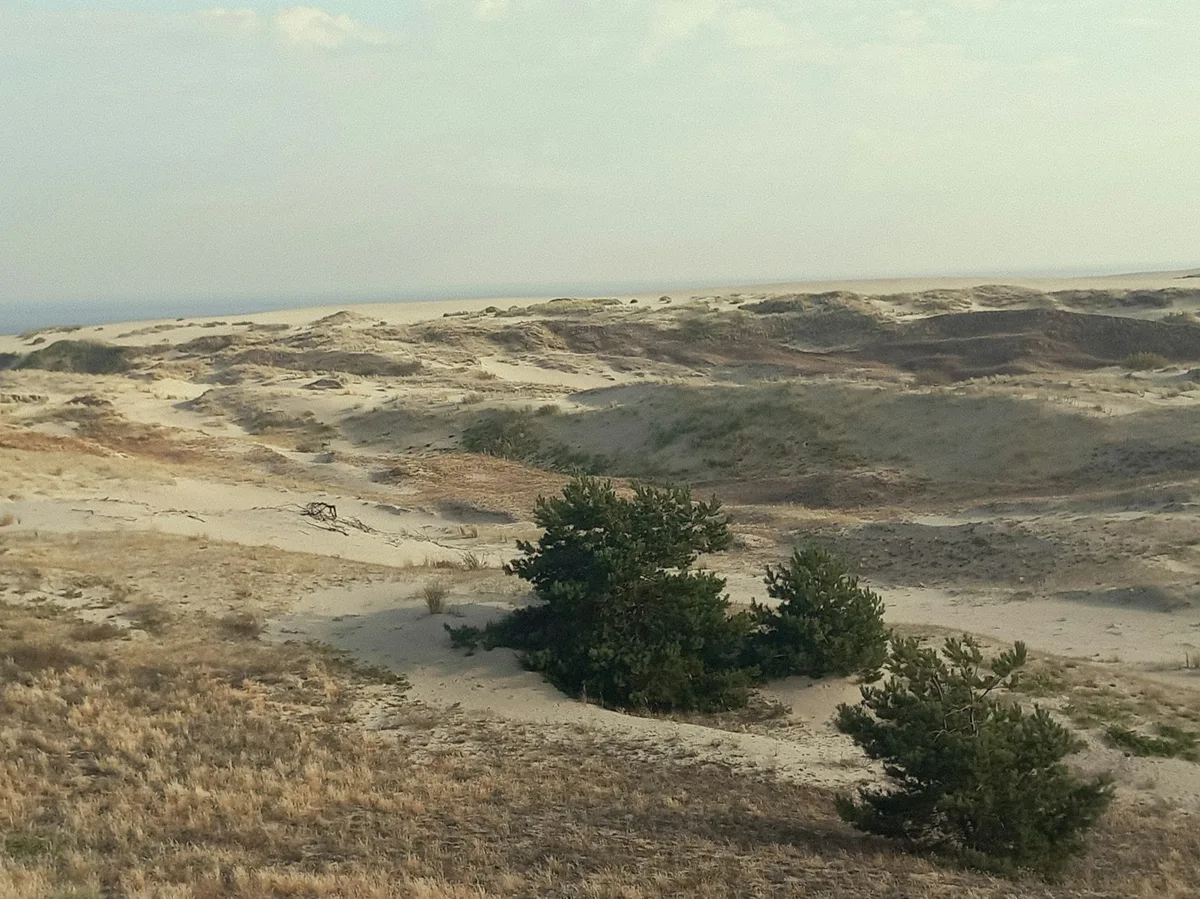
A 15-day active route across all three Baltic states — Tallinn and Lahemaa, kayaking and biking around Riga and Jurmala, and the dune landscapes of the Curonian Spit — adapted from a self-drive itinerary into a private chauffeured trip.
 Multi-Day Tours
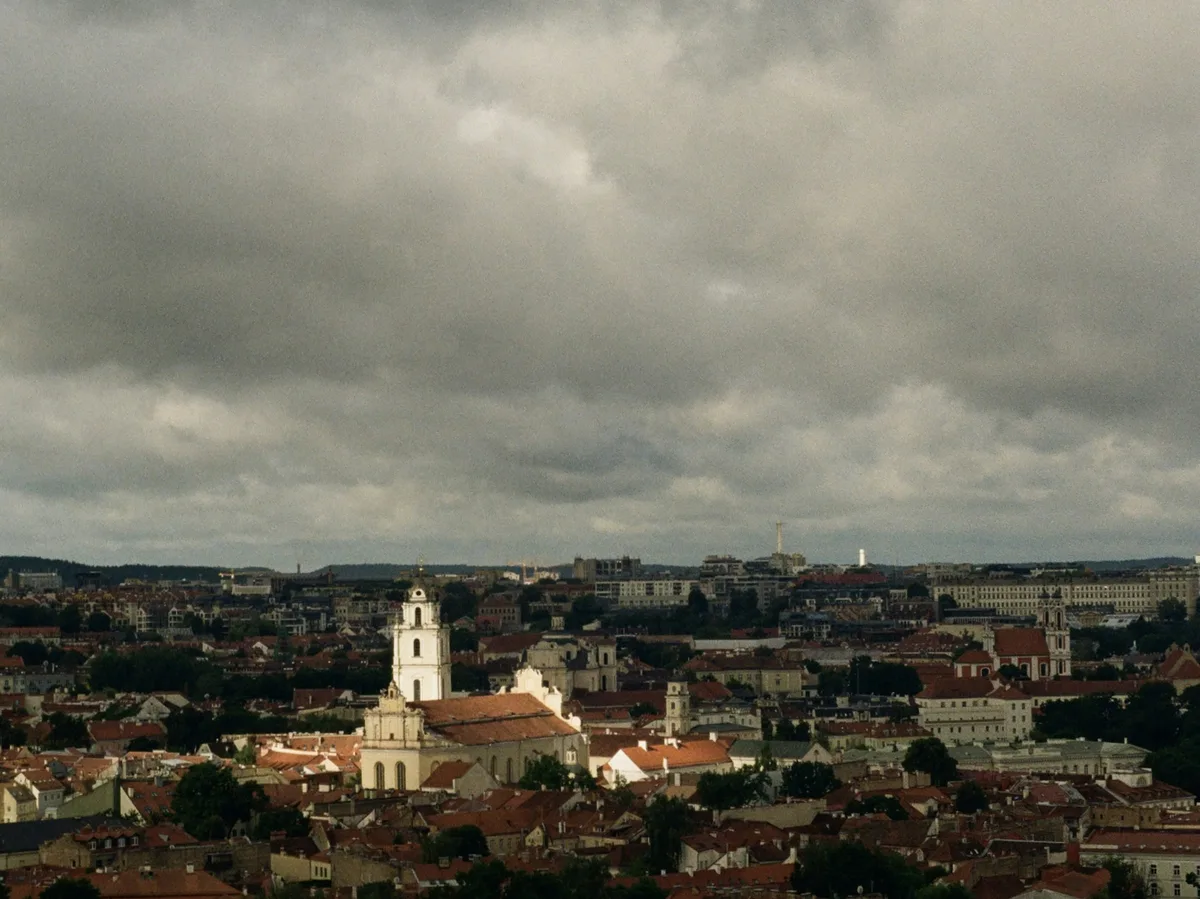
A 13-day route through Estonia and Latvia — Tallinn's Old Town, a hike in Lahemaa National Park, Tartu, medieval Cēsis, kayaking on the Gauja River, and Riga's Art Nouveau streets — adapted from a self-drive itinerary into a private chauffeured trip.
 Multi-Day Tours
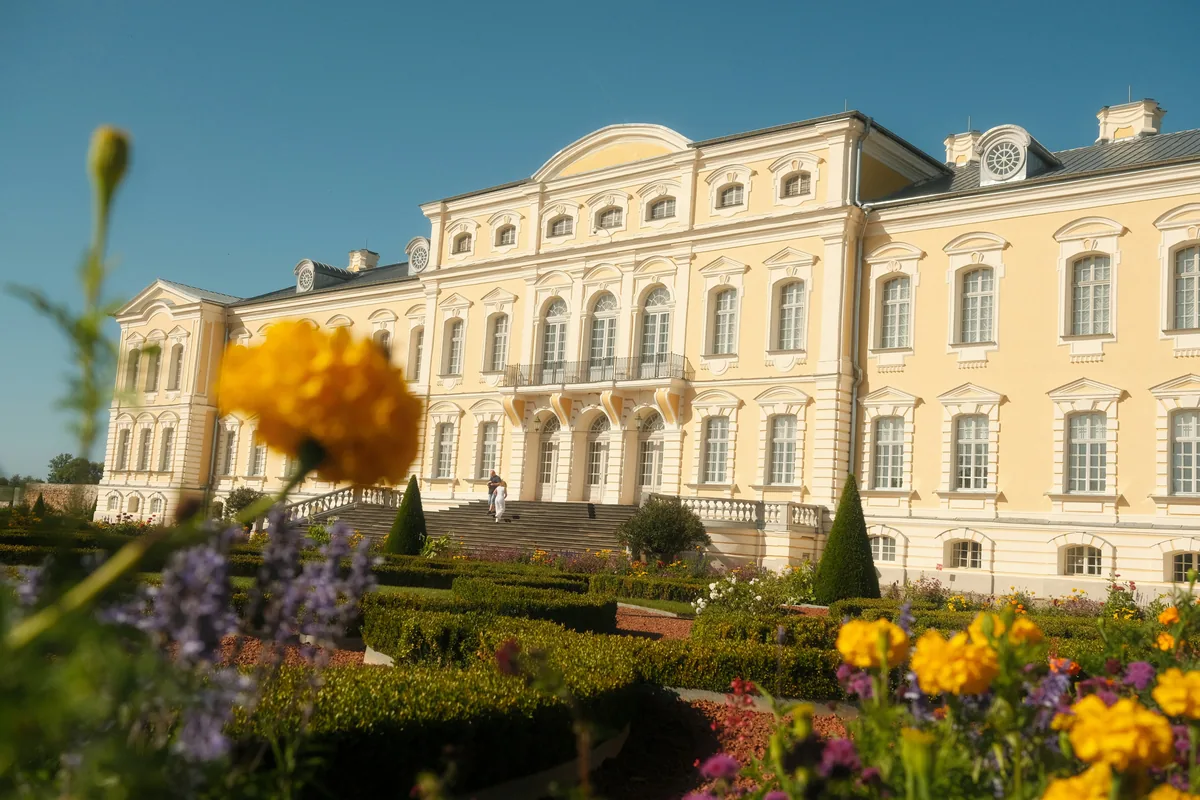
An 8-day loop from Riga through Latvia's national icons — Gauja National Park, Rundāle Palace, the medieval streets of Kuldīga, the port city of Liepāja, and the Baltic Sea coast through Jūrmala.
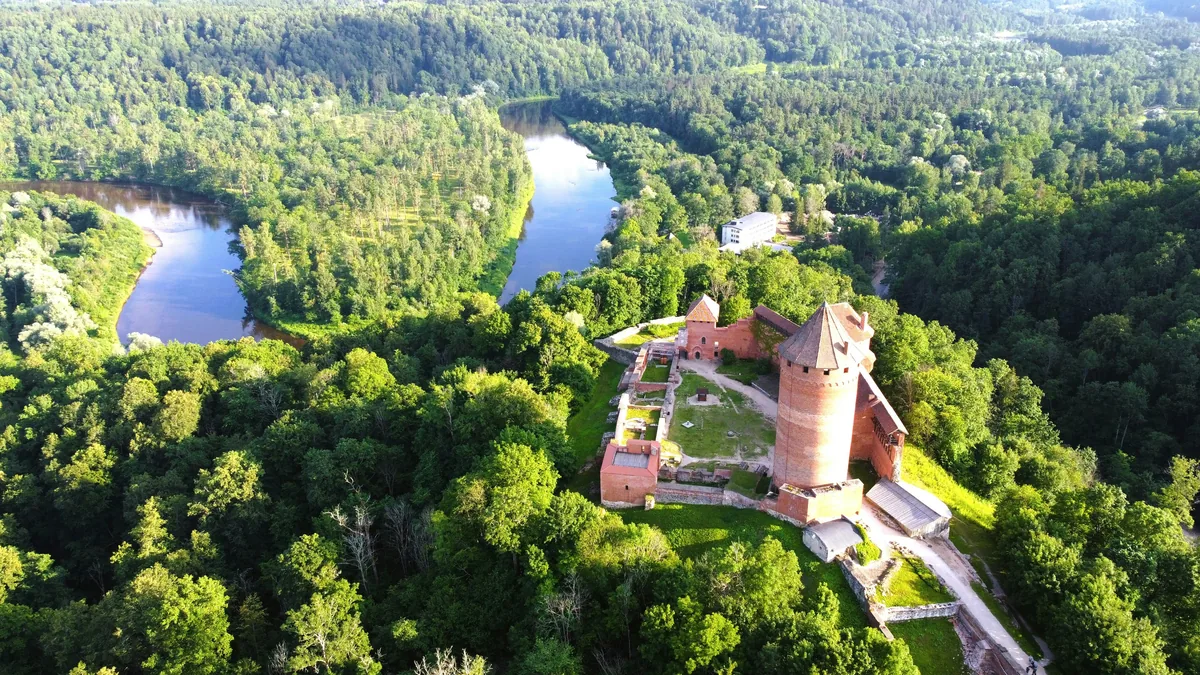 Multi-Day Tours
A 10-day, in-depth loop from Riga through Gauja National Park, the medieval town of Cēsis, Rundāle Palace, Kuldīga, Liepāja, the resort town of Jūrmala, and the bogs and former spa town of Ķemeri National Park.
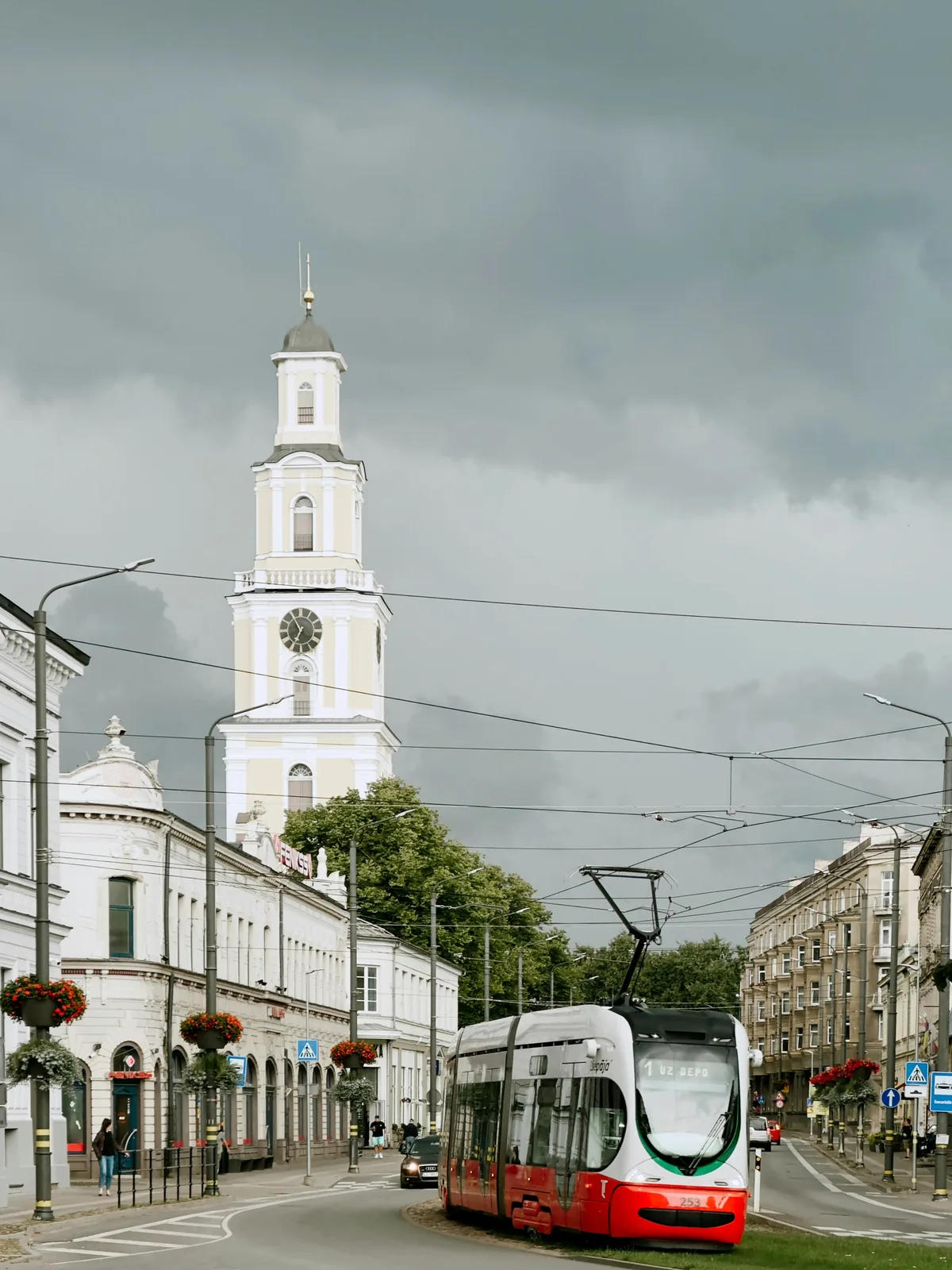 Multi-Day Tours
A 13-day adventure across Latvia and Lithuania — hiking, biking, and kayaking through Gauja and Ķemeri National Parks, the Curonian Spit's sand dunes, Kuldīga and Liepāja, and the medieval castles of Trakai and Vilnius.
Visitor guide
Riga's Art Nouveau district is the part of central Riga, Latvia, where the city's Jugendstil architecture is concentrated, notably along Alberta iela and nearby streets. Wikipedia says Art Nouveau buildings make up roughly one third of all buildings in central Riga, and the historian Janis Krastins argues that Riga has the highest concentration of Art Nouveau buildings anywhere in the world.
Most of Riga's Art Nouveau dates from 1904 to 1914. The city grew by 88 percent between 1897 and 1913, reaching about 530,000 people in 1914, making it the fifth-largest city in the Russian Empire. Between 1910 and 1913, 300 to 500 new buildings went up each year, mostly in Art Nouveau style and mostly outside the old town. Building rules limited houses to six storeys or 21.3 metres, and the first Art Nouveau building, at Audeju iela 7, was finished in 1899.
A faculty of architecture opened at the Riga Polytechnic Institute in 1869, training a new generation of local architects, including some of the first formally trained ethnic Latvian architects. Notable names include Eizens Laube, Konstantins Peksens and Janis Alksnis, the Jewish-background architects Mikhail Eisenstein and Paul Mandelstamm, and Baltic Germans such as Bernhard Bielenstein and Rudolph Dohnberg. Latvian architects designed nearly 40 percent of Riga's buildings from the early 20th century, and influences came mainly from Germany, Austria and Finland. Local firms produced sculpture, stained glass and majolica stoves that were sold across the Russian Empire.
Wikipedia distinguishes several phases. The eclectic phase applied new decoration to older facade layouts, and the row of houses on Alberta iela, many by Eisenstein, belongs here, though they are described as not typical of Riga's Art Nouveau. The perpendicular phase, from about 1905, has strong vertical facades and geometric ornament, and about a third of Riga's Art Nouveau buildings follow it. Laube's building at Krisjana Valdemara iela 37 (1912) is a late example.
National Romantic, roughly 1905 to 1911, was shaped by the Latvian National Awakening, with restrained decoration drawn from local folk art and natural materials; Laube's building at Alberta iela 11 (1908) is a prime example. The neo-classical phase is the least common and was used mainly for banks, such as the former Commercial Bank of Riga on Doma laukums (1913, by Mandelstamm).
The Riga Art Nouveau Museum is described as the only museum in the Baltics dedicated to the region's Art Nouveau heritage. It occupies Peksens's former private home, retains an authentic apartment interior, and opened in 2009. The Riga Jugendstila Centrs runs it and maintains a database of the city's Art Nouveau buildings. The wider Historic Centre of Riga was inscribed by UNESCO in 1997, and its listing is noted for Art Nouveau architecture.
The district is best explored slowly on foot, looking up at facades, and a private guide can explain the symbolism and styles behind individual buildings.
See every tour and attraction we cover in Latvia.