TorontoOntario · 36 tours
 Niagara FallsOntario · 25 tours
 New York CityNew York · 30 tours
 Las VegasNevada · 8 tours
 San FranciscoCalifornia · 16 tours
 VancouverBritish Columbia · 17 tours
 DubaiUAE · 54 tours
 Abu DhabiUAE · 5 tours
 Buenos AiresArgentina · 23 tours
 AthensGreece · 31 tours
 AucklandNew Zealand · 38 tours
 CancunMexico · 54 tours
No destinations match “”. Try searching all tours instead — that search understands full questions, not just place names.
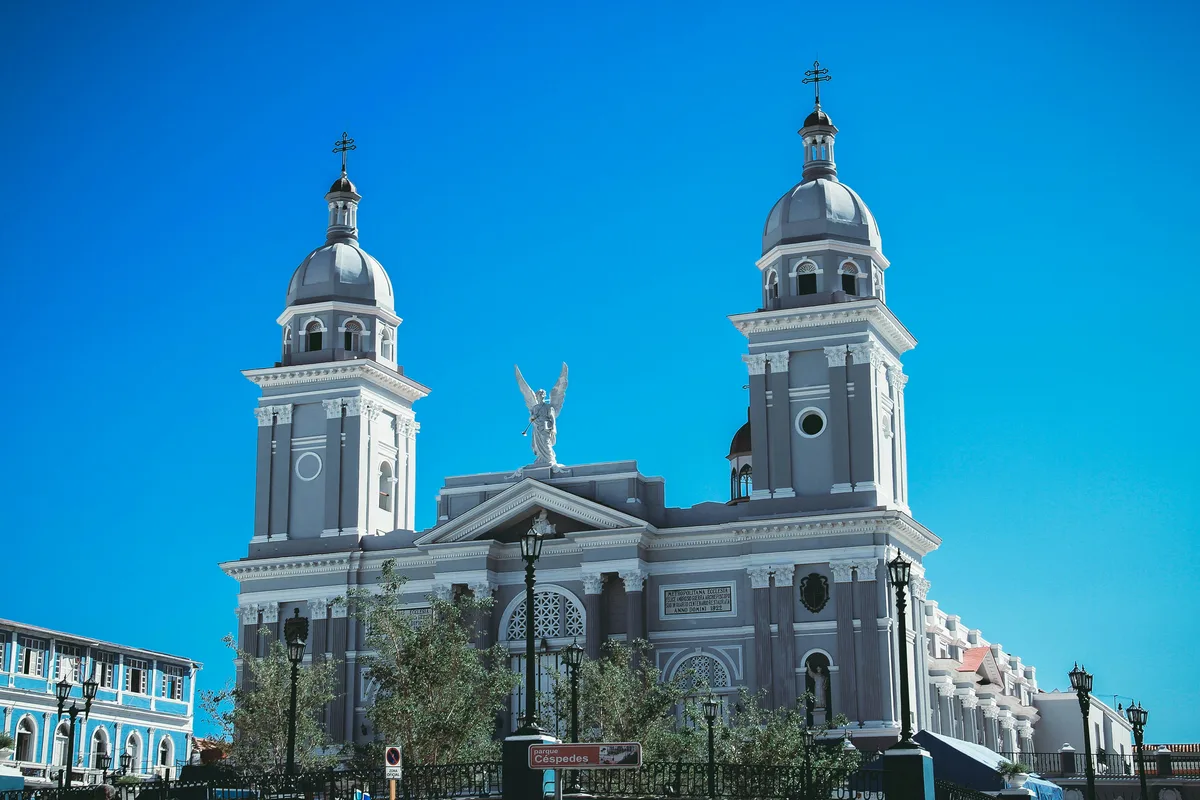
Cuba's second city and the cradle of the 1959 revolution, with Cespedes Park, the cathedral overlooking it, and a stronger Afro-Caribbean musical heritage than Havana's.
 Multi-Day Tours
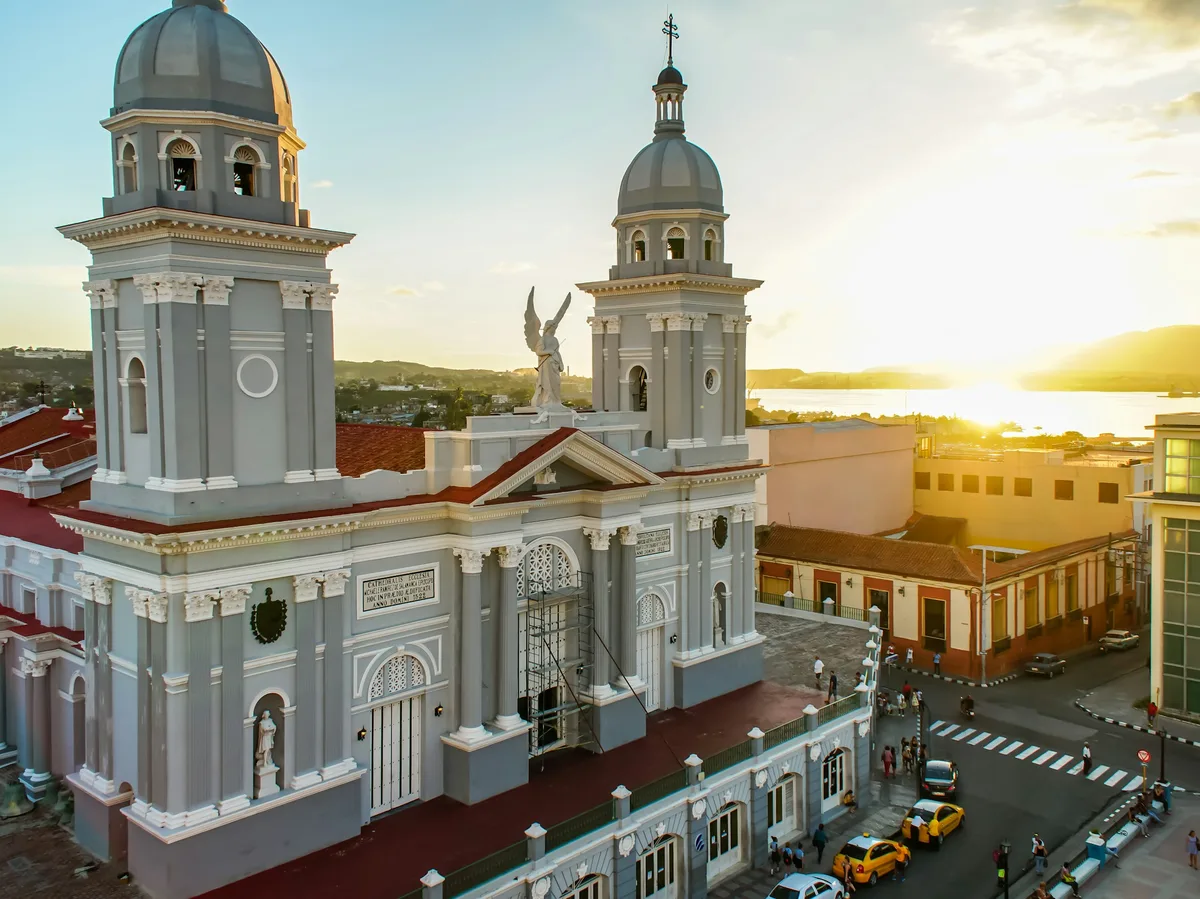
Voyzo's longest Cuba route — 18 days from Havana all the way to Santiago de Cuba and Baracoa in the far east, with a flight back to Havana to close the loop.
 Multi-Day Tours
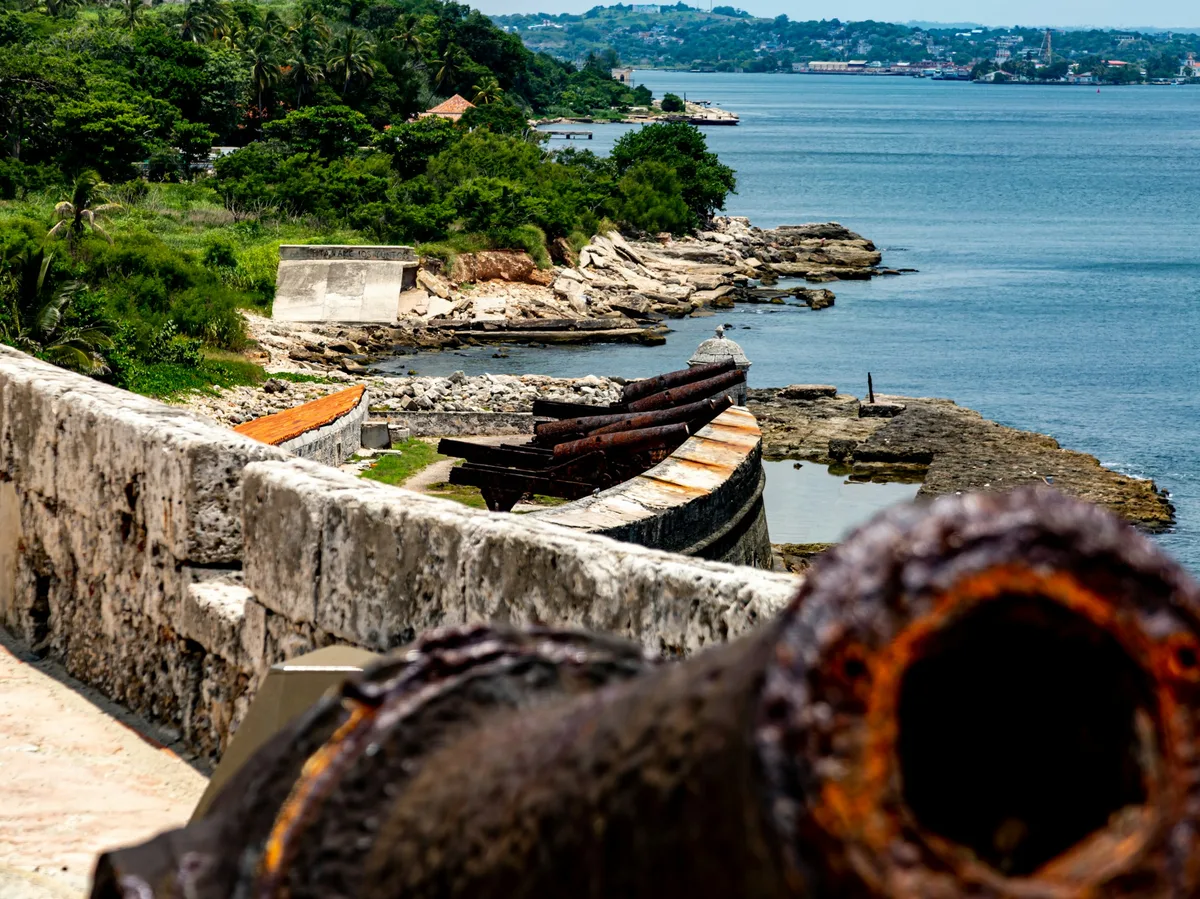
A 15-day east-to-west traverse — starting in Holguín and Baracoa, through Santiago de Cuba and Camagüey, and finishing with Havana and Viñales in the west.
 Multi-Day Tours
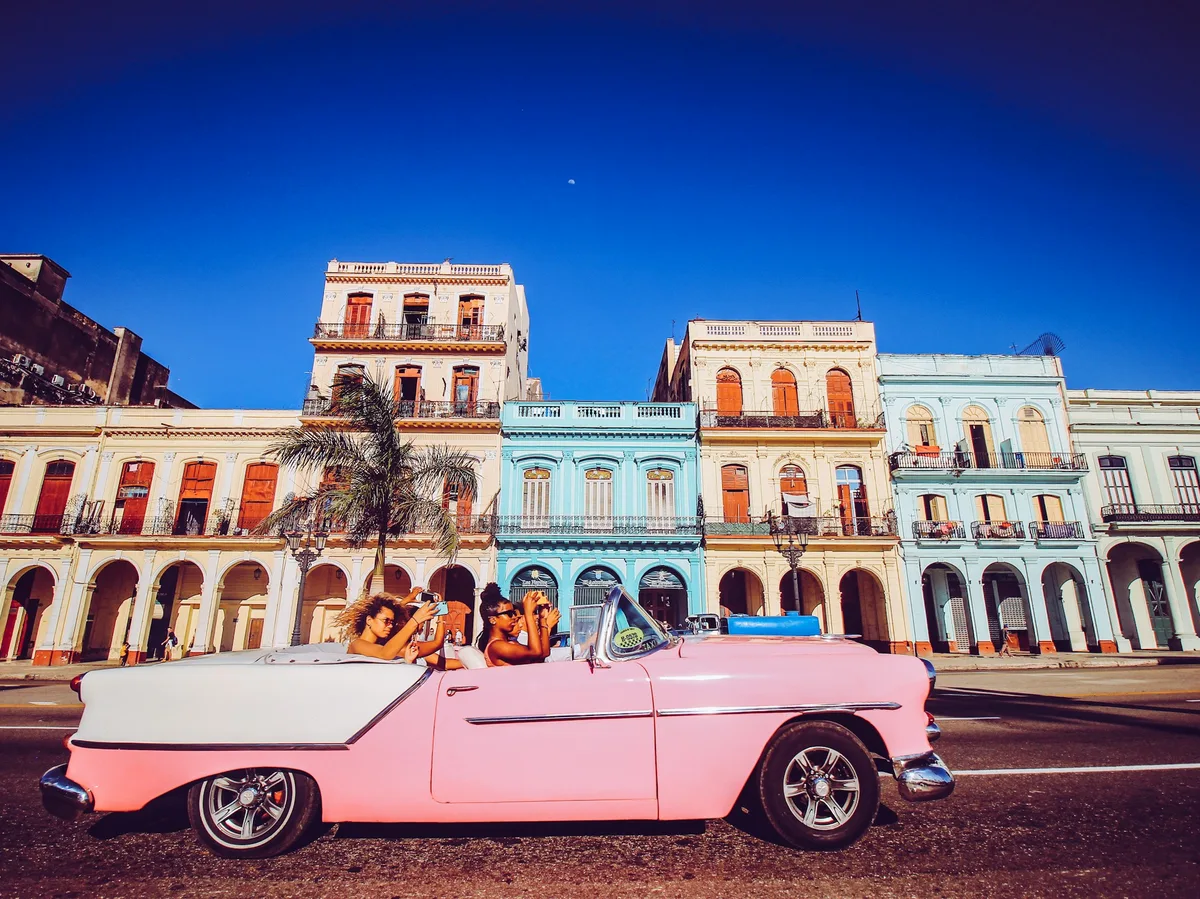
A 15-day self-drive-style route from Havana to Santiago de Cuba and Guardalavaca's coast, covering Viñales, Cienfuegos, Trinidad and Camagüey along the way.
Visitor guide
Santiago de Cuba is the second-largest city in Cuba, in the south-east of the island, founded by Diego Velazquez de Cuellar in 1515 (Wikipedia gives 25 July; other sources give a different date). Its historic core, castle, cathedral and revolutionary landmarks make it one of the country's richest cultural cities.
Wikipedia records that fire destroyed the settlement in 1516 and it was rebuilt immediately. It served as a launch point for the 1518 expeditions of Juan de Grijalba and Hernan Cortes to Mexico and for Hernando de Soto's 1538 expedition to Florida. The first cathedral was built in 1528, and Santiago was the capital of the Spanish colony of Cuba from 1522 to 1589. French and English forces plundered the city in 1553 and 1603.
In 1803 about 18,000 refugees arrived from Saint-Domingue during the Haitian Revolution, and those who stayed enriched the city's culture and shaped its music and religious traditions.
The San Pedro de la Roca Castle is a UNESCO World Heritage Site described by Wikipedia as the most complete, best-preserved example of Spanish-American military architecture. The city's architecture ranges from Baroque to neoclassical, and the Cathedral Basilica is listed among its landmarks. Teatro Heredia is named after the poet Jose Maria Heredia.
Santa Ifigenia Cemetery is the burial place of Jose Marti, and Frank Pais's ashes were interred there later. Baconao Park, near the city, was named a UNESCO biosphere reserve in 1987.
Wikipedia lists the city's population at 507,167 in 2022. Because the city rises from the bay, its streets climb steeply from the bay and hold a mix of colonial houses, churches and nineteenth-century neoclassical buildings. Visitors usually start near the central cathedral and plaza, then continue to the castle at the harbour mouth, and to Santa Ifigenia Cemetery.
On 26 July 1953 Fidel Castro led an armed attack on the Moncada Barracks in Santiago, an event that began the Cuban Revolution. Frank Pais, a Santiago native, built an urban resistance network that merged with the 26th of July Movement in 1955. On 1 January 1959 Castro proclaimed the revolution's victory from the city hall balcony. In 1898 the city was also besieged by US forces and Admiral Sampson destroyed the Spanish fleet outside the harbour on 3 July.
Facundo Bacardi Masso founded Bacardi in Santiago in 1862.
Frank Pais built a large urban resistance network and was fatally shot after being betrayed to police, according to Wikipedia. These stories explain why Santiago is often described as the cradle of the revolution in Cuban accounts, a framing that reflects the official narrative and which guides will place in context.
The city is known for son, the music from which salsa derives, and musicians Compay Segundo, Ibrahim Ferrer and Eliades Ochoa were born in or near it. Carnival is held in July with conga music on the trompeta china. Many residents practise Afro-Cuban religions, particularly santeria, and the Virgin of Charity del Cobre, Cuba's Catholic patroness, is housed in the nearby national sanctuary at El Cobre.
A private guided visit lets a driver and local guide link the colonial centre, the castle and the cemetery. Hills make the streets steep, so comfortable shoes help.
See every tour and attraction we cover in Cuba.