TorontoOntario · 36 tours
 Niagara FallsOntario · 25 tours
 New York CityNew York · 30 tours
 Las VegasNevada · 8 tours
 San FranciscoCalifornia · 16 tours
 VancouverBritish Columbia · 17 tours
 DubaiUAE · 54 tours
 Abu DhabiUAE · 5 tours
 Buenos AiresArgentina · 23 tours
 AthensGreece · 31 tours
 AucklandNew Zealand · 38 tours
 CancunMexico · 54 tours
No destinations match “”. Try searching all tours instead — that search understands full questions, not just place names.
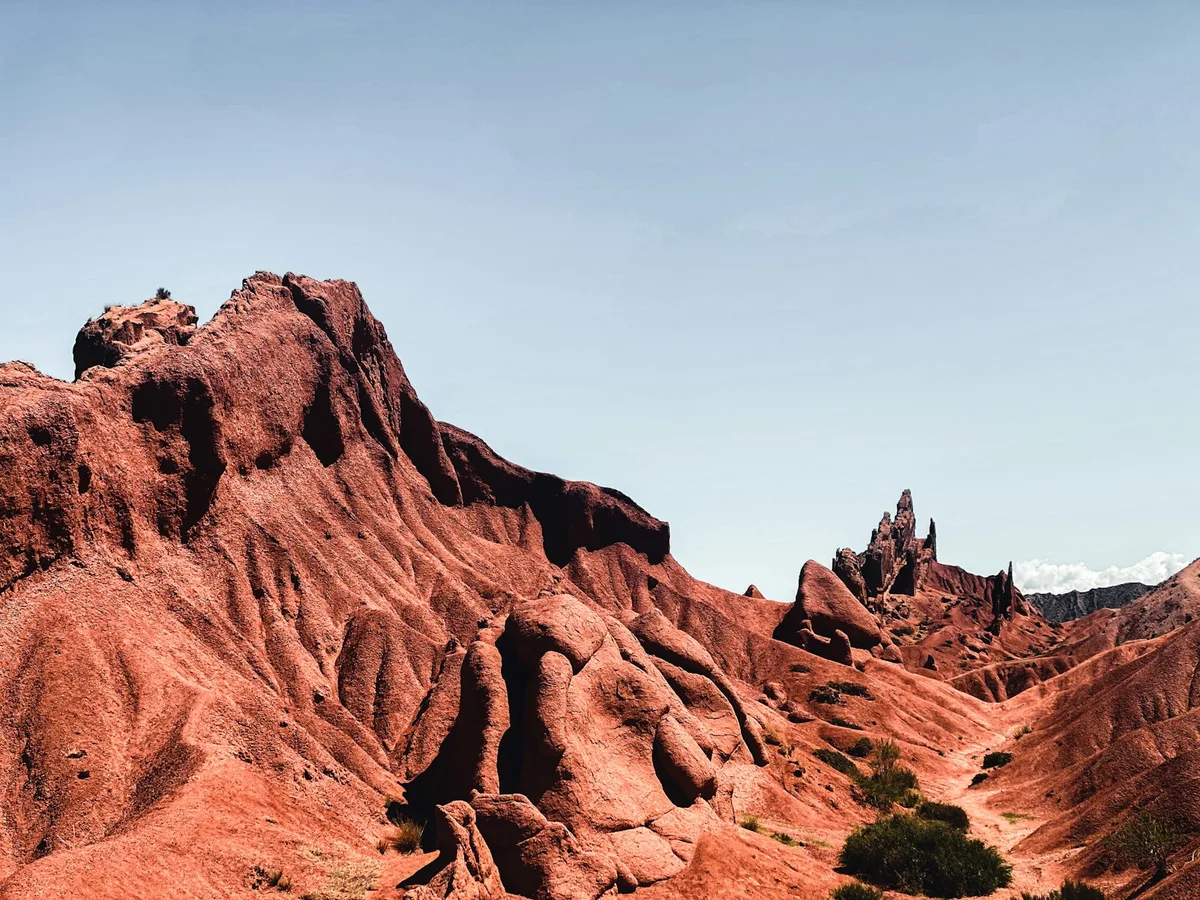
A canyon of wind-sculpted red and orange rock formations on the southern shore of Issyk-Kul Lake, named for its otherworldly resemblance to a fairy-tale landscape.
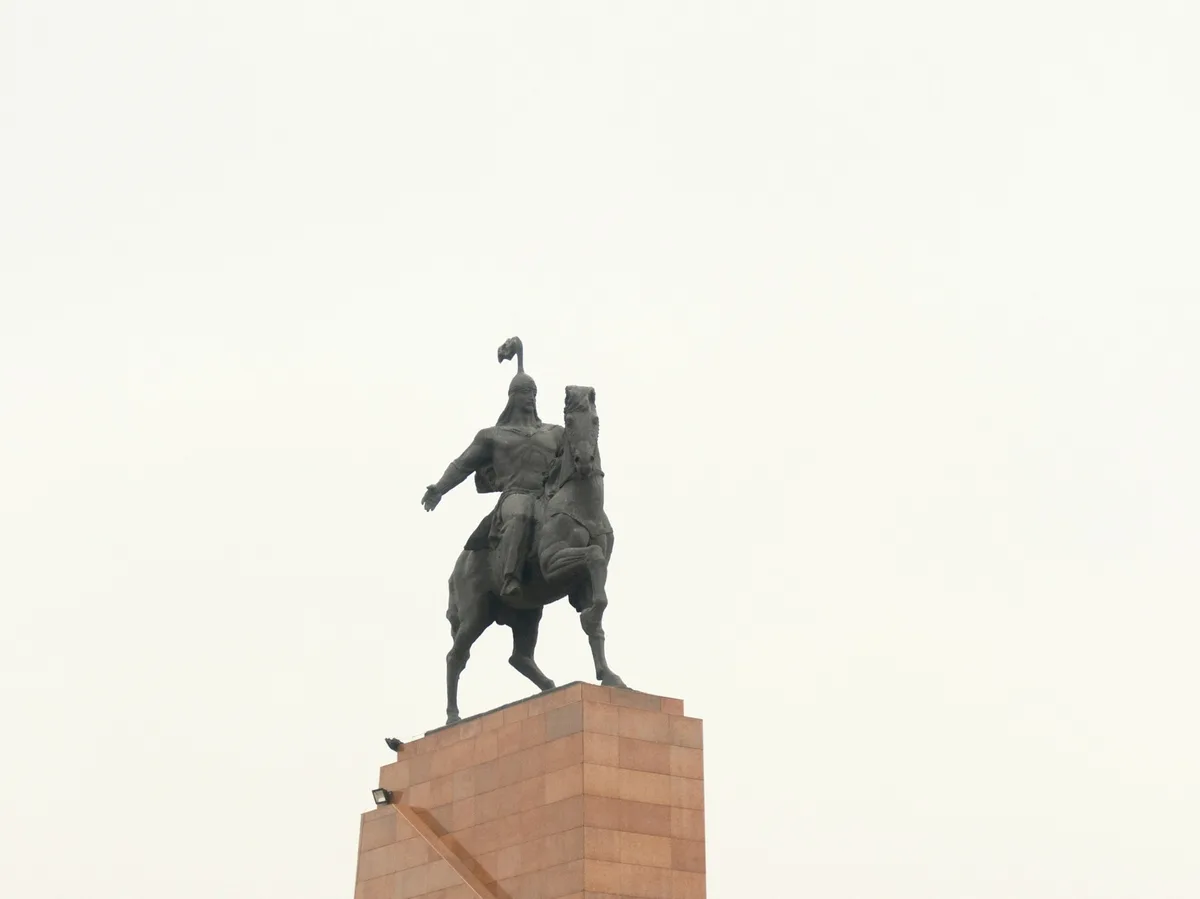 Multi-Day Tours
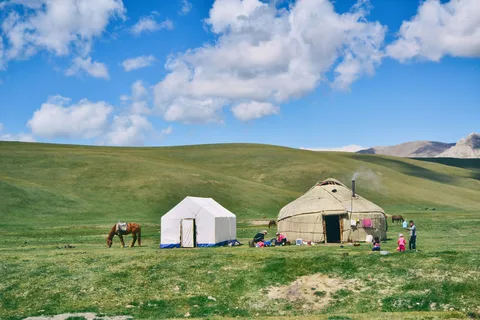
A 10-day introduction to Kyrgyzstan — Bishkek's city sights, Issyk-Kul Lake's northern shore, the mountain excursions and hot springs above Karakol, Jety-Oguz Valley, Skazka Canyon, and a night in a nomad yurt camp on Son-Kul Lake.
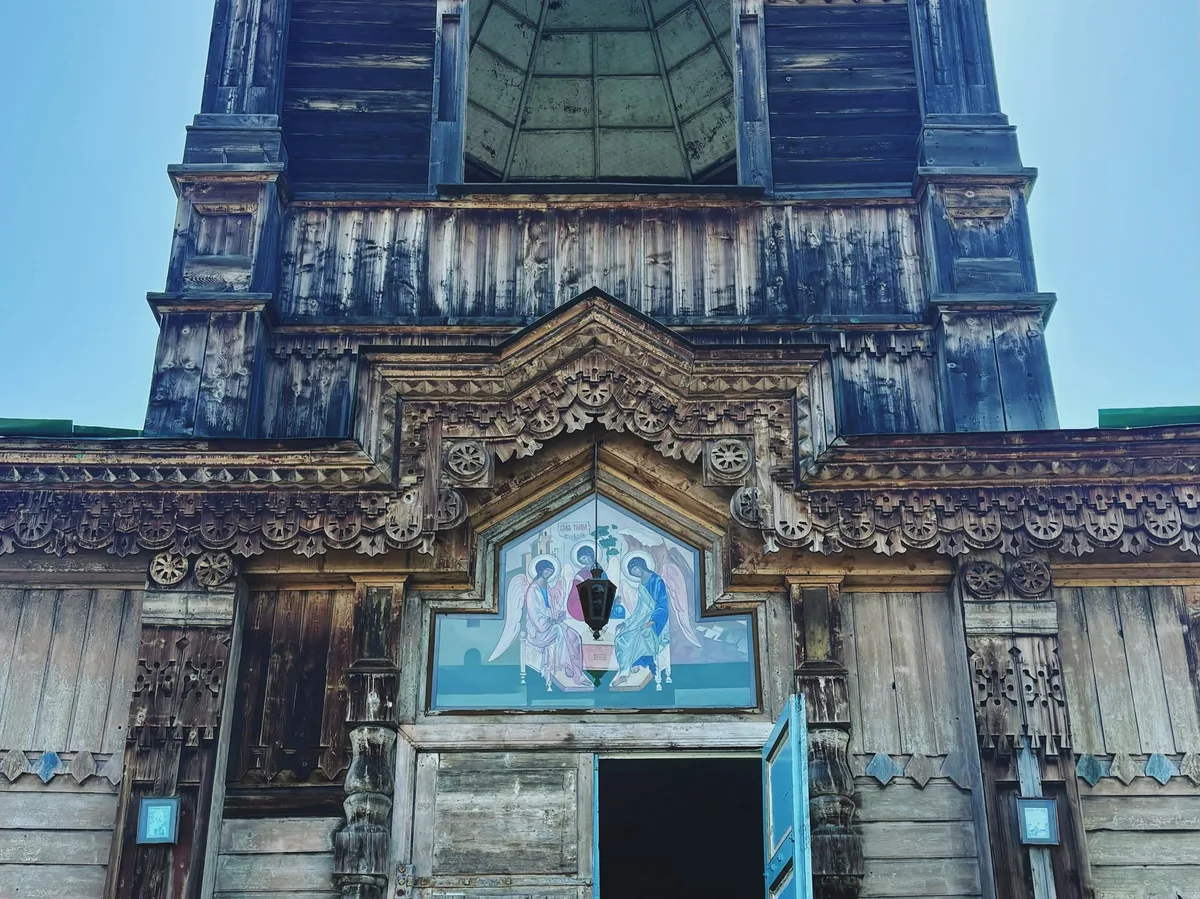 Multi-Day Tours
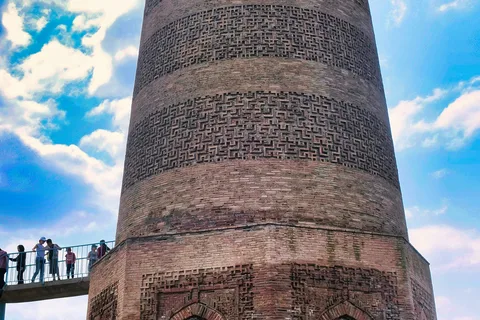
An 8-day food-focused journey through Kyrgyzstan, learning to cook plov, lamb dishes, ashlan-fu, jam, and manty dumplings alongside local families, with stops at Burana Tower, Issyk-Kul Lake, and a nomad yurt camp on Son-Kul Lake.
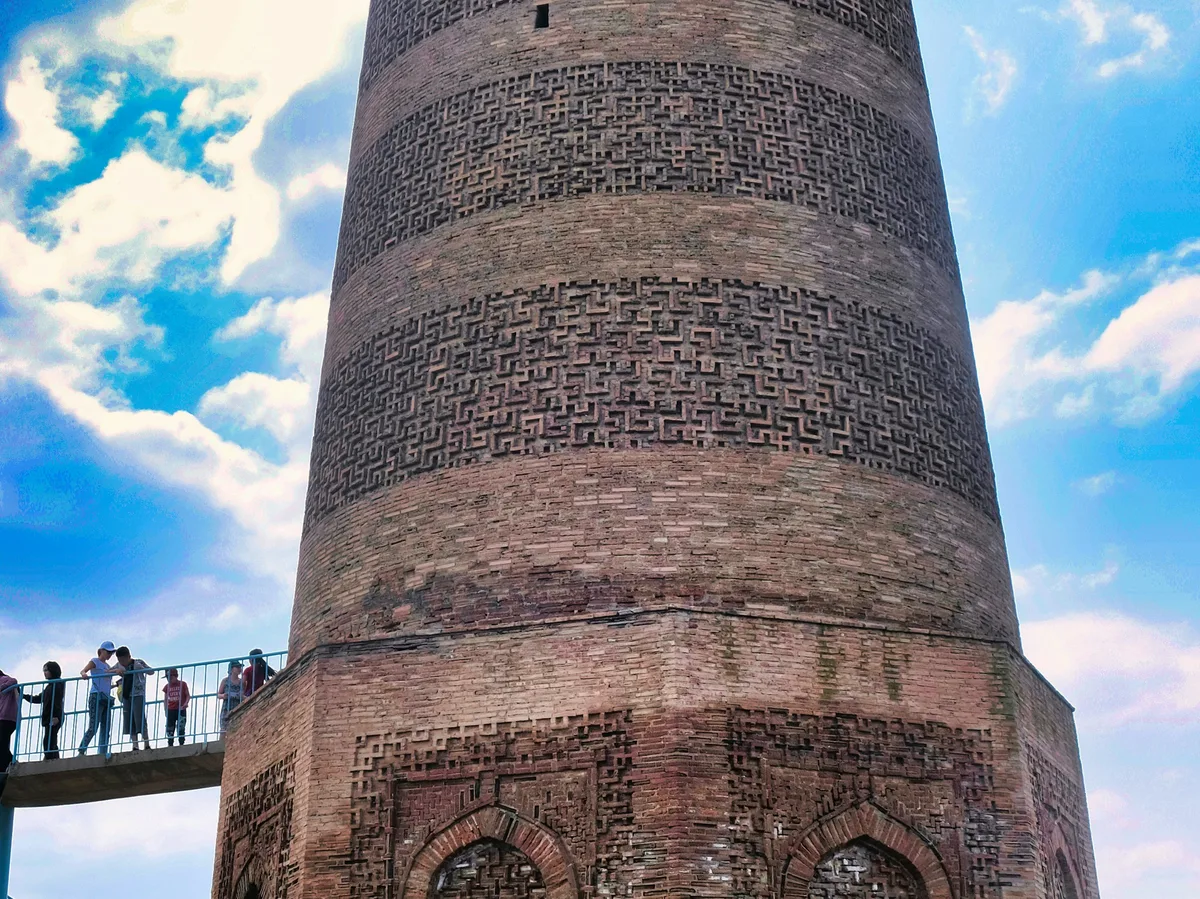 Multi-Day Tours
A 10-day cultural circuit through Kyrgyzstan — Bishkek and Ala-Archa National Park, the ancient Burana Tower, Issyk-Kul Lake's petroglyphs and gorges, Jety-Oguz Valley, eagle-hunting and felt-making in Kochkor, and a nomad camp on Son-Kul Lake.
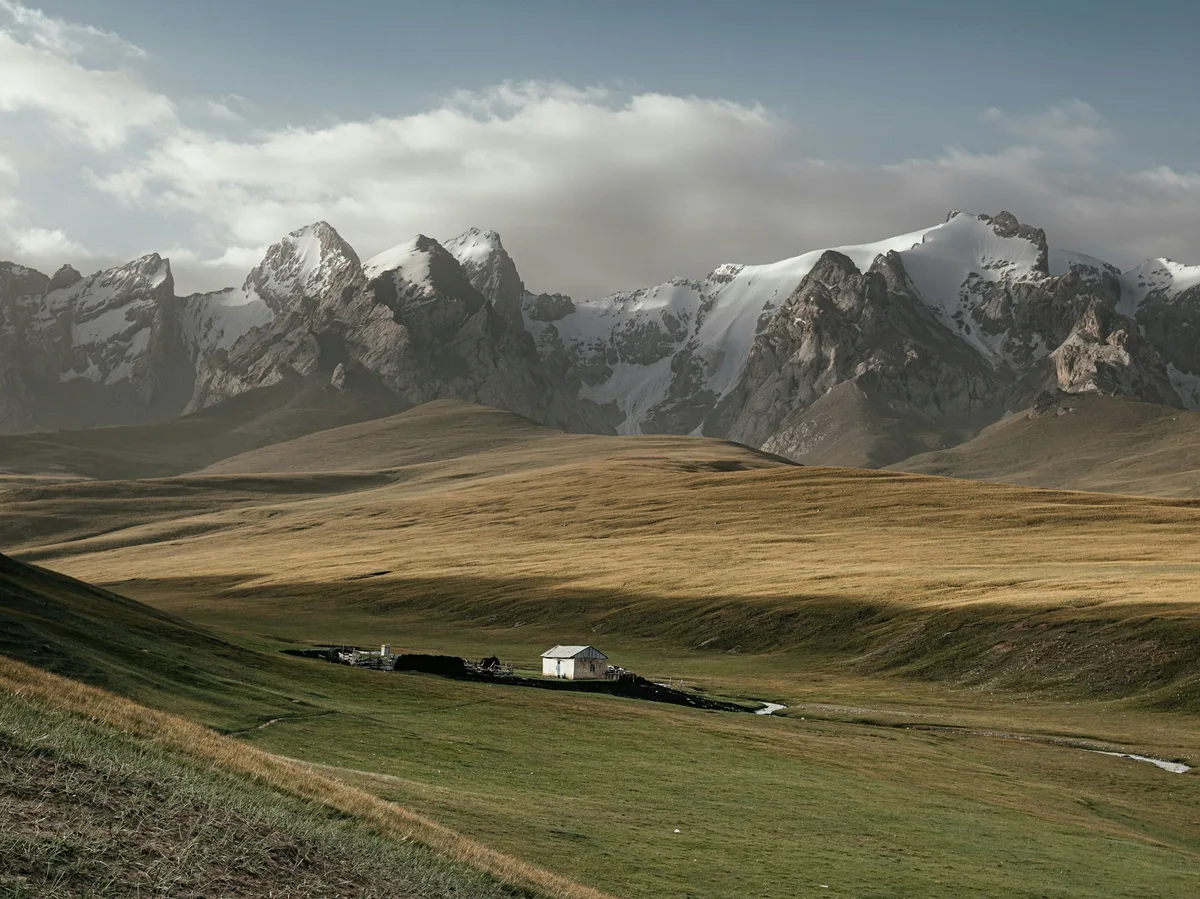 Multi-Day Tours
A 10-day off-road circuit through Kyrgyzstan's heartland — Kyzyl-Oy, Son-Kul Lake, the Tash Rabat caravanserai, Eki-Naryn, Issyk-Kul's south shore, Skazka Canyon, Jety-Oguz Valley, and the Burana Tower.
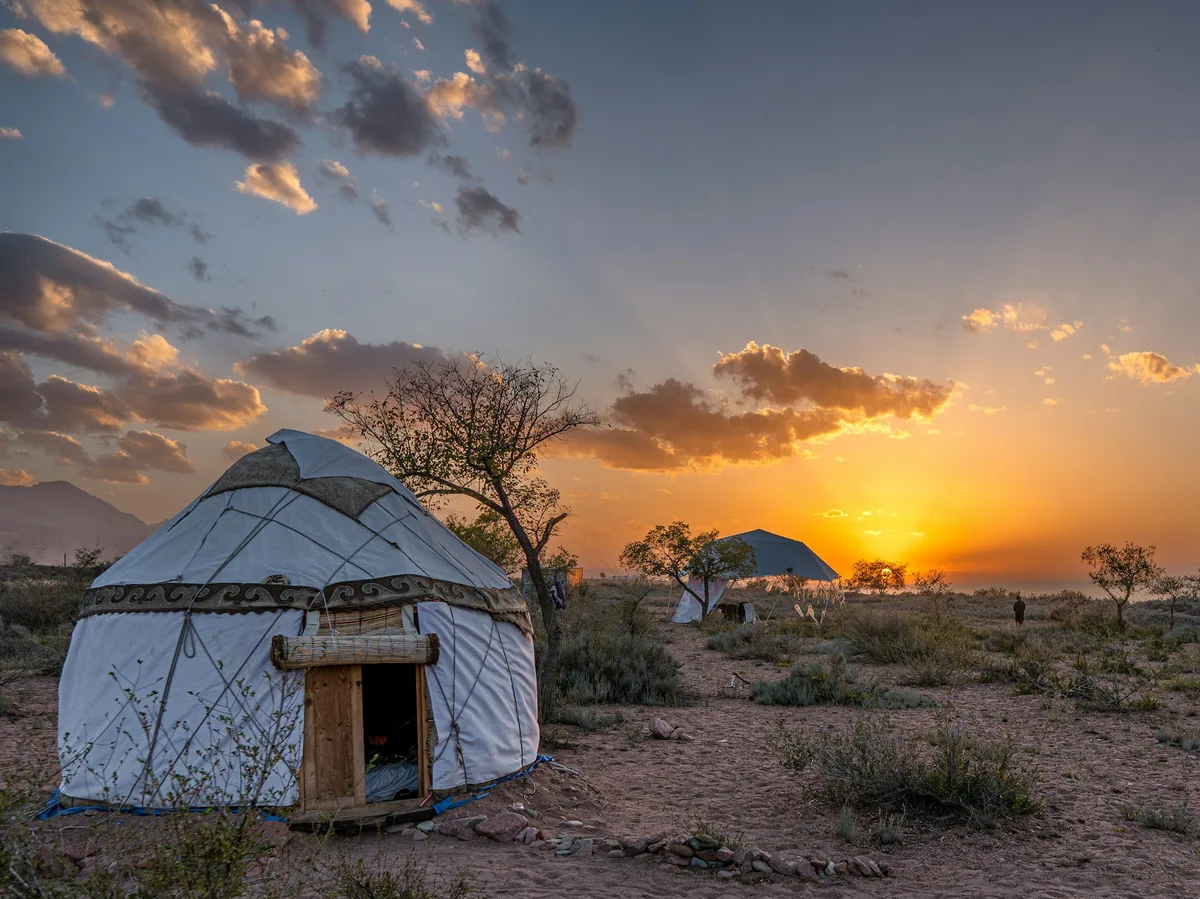 Multi-Day Tours
A 14-day grand circuit of Kyrgyzstan — Bishkek, the Toktogul Reservoir, the alpine Sary-Chelek lake, the walnut forests of Arslanbob, a nomad yurt camp on Son-Kul Lake, the Tash Rabat caravanserai, Skazka Canyon, Jety-Oguz Valley, and Issyk-Kul Lake.
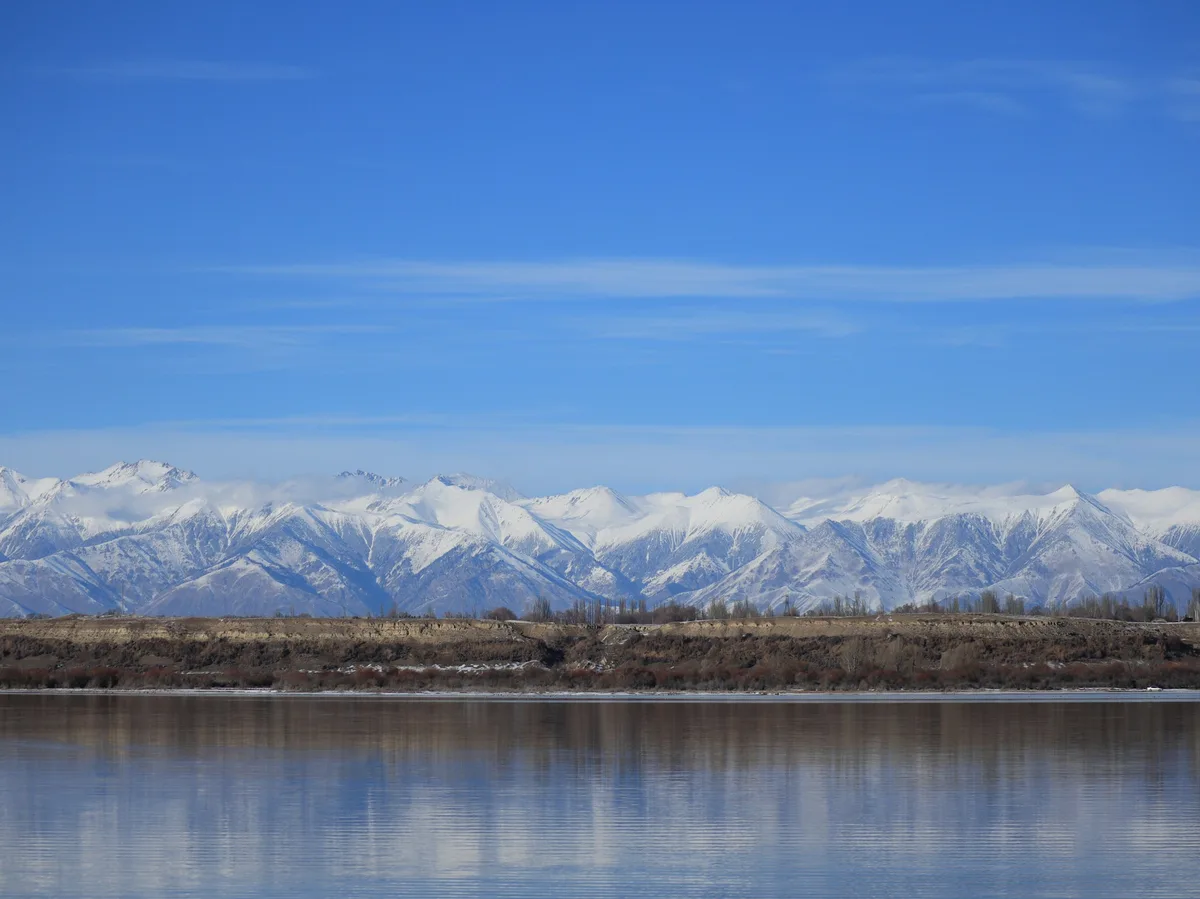 Multi-Day Tours
A 15-day trekking-led journey through Kyrgyzstan — a four-day horse-supported trek to Kol-Kogur Lake, a three-day trek to the glacial Ala-Kul Lake and Altyn-Arashan hot springs, Jety-Oguz Valley, eagle-hunting near Skazka Canyon, and a nomad yurt camp on Son-Kul Lake.
Visitor guide
Skazka Canyon, also called Fairytale Canyon, is a stretch of eroded red sandstone badlands on the south shore of Lake Issyk-Kul in Kyrgyzstan. Its name is the Russian word for fairy tale, and it is known for wind- and water-carved ridges, fins and towers that visitors compare to castles, animals and fantasy creatures.
Kyrgyzstan Guides describes the formations as Cenozoic continental red sandstone and conglomerate that formed from sediments filling the Issyk-Kul basin, and gives an age of roughly 2.6 to 2.8 million years. The same source stresses that these are continental rather than marine deposits, so claims of ancient seashells found in the canyon are wrong, and that the red colour comes from iron in the sediment. Wind and occasional flash floods have carved the soft rock into serrated ridges. Central Asia Guide adds that the colours range from red to yellow and orange tones in different parts of the site, and that the formations are shaped by wind and rain erosion.
Guides point out castles, dragons and a sleeping giant among the shapes, according to Kyrgyzstan Guides. Central Asia Guide says some formations resemble a hippo, people or fantasy creatures. The best-known feature is a ridge nicknamed the Great Wall of China, which has a walkable top and holes through the walls to peek through. Walking east from the main area leads to less-visited formations and a dried riverbed. Kyrgyzstan Guides says Soviet-era visitors gave the canyon its Russian name because the shapes seemed to come from a storybook.
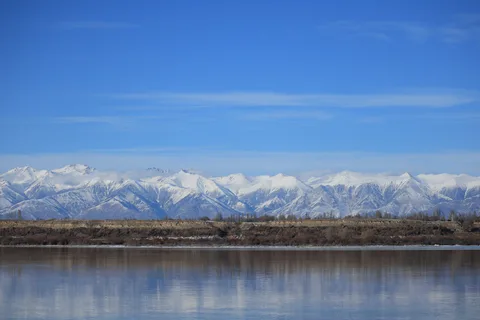
The formations extend for roughly 1.5 to 2 km, according to Central Asia Guide, and Kyrgyzstan Guides says the whole site is barely a kilometre across, so a highlights visit takes only an hour or two. Sources differ slightly on its exact position relative to the nearby village of Tosor, with distances of a few kilometres given east and west, and it is reached by a short dirt track from the main south-shore road. The canyon sits between the Terskey Ala-Too mountains and the lake. The area gets very little rain, so the plant cover resembles desert vegetation and the fauna includes lizards and insects. From higher points visitors can look out over Issyk-Kul and, on clear days, to the snow-capped Kungey Ala-Too range on the lake's far side.
Wikipedia gives Issyk-Kul a length of about 178 to 182 km, a surface area of 6,236 square km and a maximum depth of 668 m, at an elevation of 1,607 m. The Kyrgyz name Ysyk-Kol means Hot Lake. The water is slightly saline, about 0.6 percent, and the lake rarely freezes. Wikipedia notes that the Issyk-Kul Biosphere Reserve was established around 2000 to 2001 (sources differ) as part of UNESCO's World Network of Biosphere Reserves, and the lake is also a Ramsar wetland. The lake was a stopover on the Silk Road, and the Chinese monk Xuanzang recorded it in the seventh century.
Kyrgyzstan Guides recommends the hour before sunset, when the rock turns red-orange and shadows define the fins, while midday light flattens the colours to pale pink. Summer afternoons can exceed 30 degrees Celsius with no shade, and the slopes are slippery from loose sand throughout the year, so sturdy shoes are advised. Nearby sights listed by Central Asia Guide include Jeti-Oguz, the Barskoon Valley and Dead Lake. A private driver makes it simple to pair the canyon with other south-shore stops and to time the visit for evening light.
See every tour and attraction we cover in Kyrgyzstan.