TorontoOntario · 36 tours
 Niagara FallsOntario · 25 tours
 New York CityNew York · 30 tours
 Las VegasNevada · 8 tours
 San FranciscoCalifornia · 16 tours
 VancouverBritish Columbia · 17 tours
 DubaiUAE · 54 tours
 Abu DhabiUAE · 5 tours
 Buenos AiresArgentina · 23 tours
 AthensGreece · 31 tours
 AucklandNew Zealand · 38 tours
 CancunMexico · 54 tours
No destinations match “”. Try searching all tours instead — that search understands full questions, not just place names.
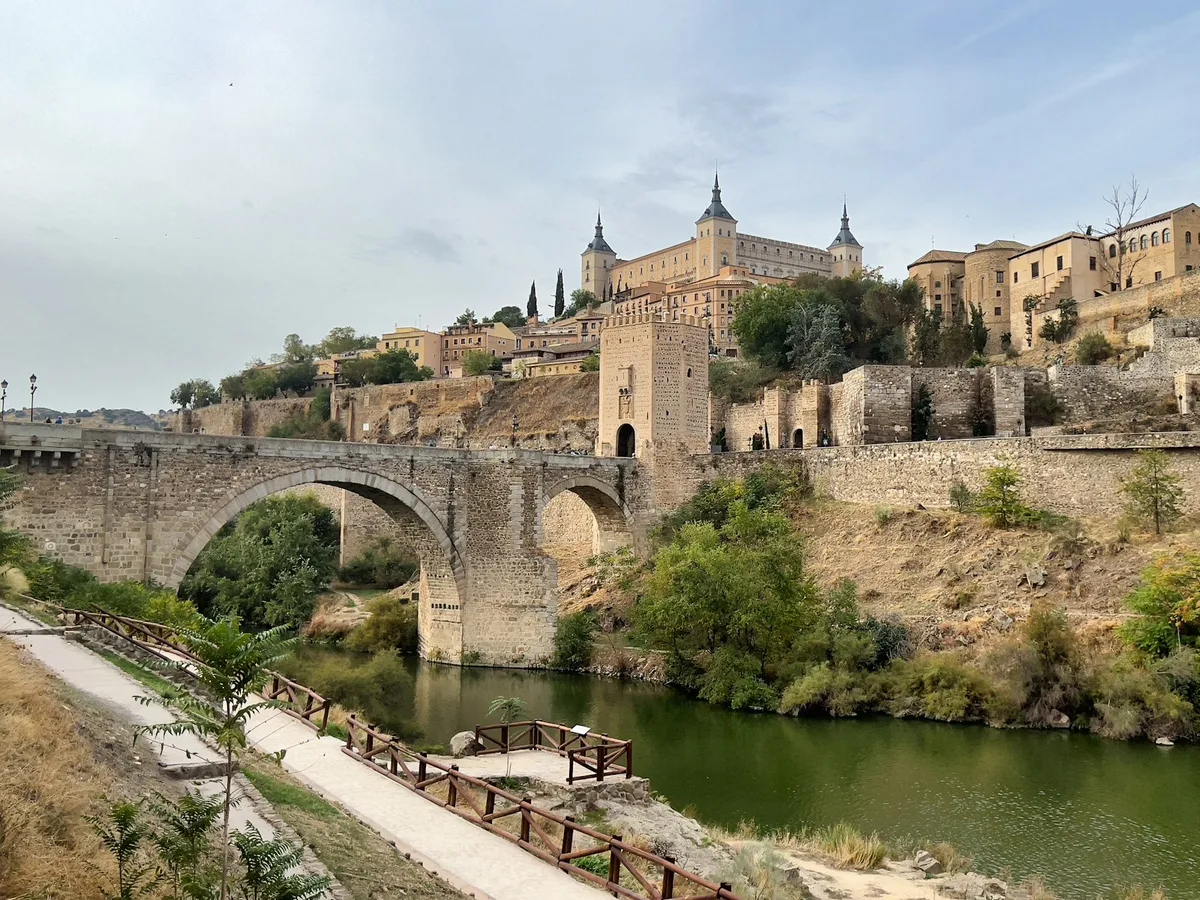
A walled hilltop city above the Tagus River, its skyline dominated by the Alcázar fortress and Gothic cathedral, and once home to a rare coexistence of Christian, Muslim, and Jewish communities.
 Multi-Day Tours
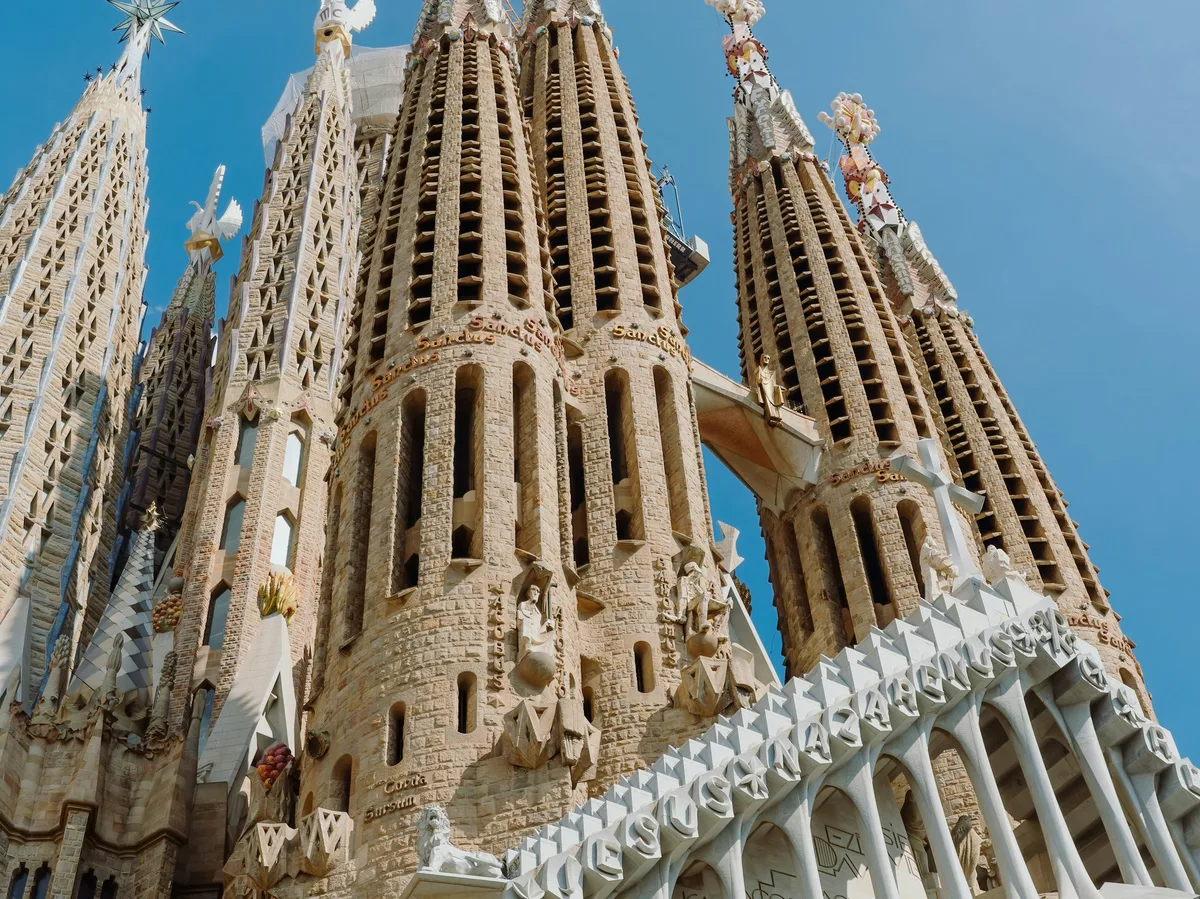
A 9-day, family-paced Spain trip through Barcelona and Madrid — Park Güell, the Sagrada Família, a Montserrat day trip, the Royal Palace, the Prado, and Toledo — with kid-friendly workshops and activities built into the itinerary.
 Multi-Day Tours
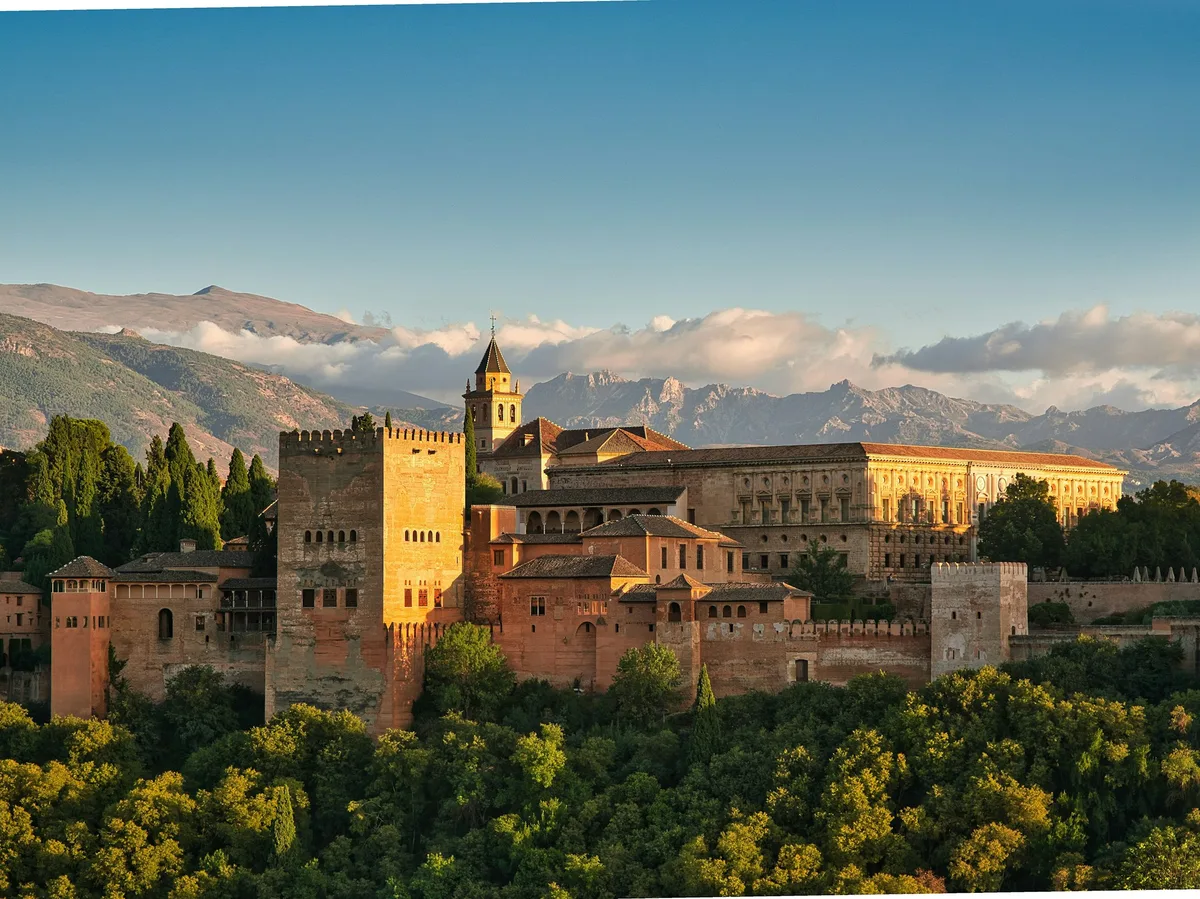
A 10-day Sephardic heritage tour of Spain across Madrid, Toledo, Seville, Córdoba, and Granada — historic synagogues, the Alhambra with a Jewish heritage expert guide, the House of Sepharad museum, and the Jewish Cemetery in Lucena.
 Multi-Day Tours
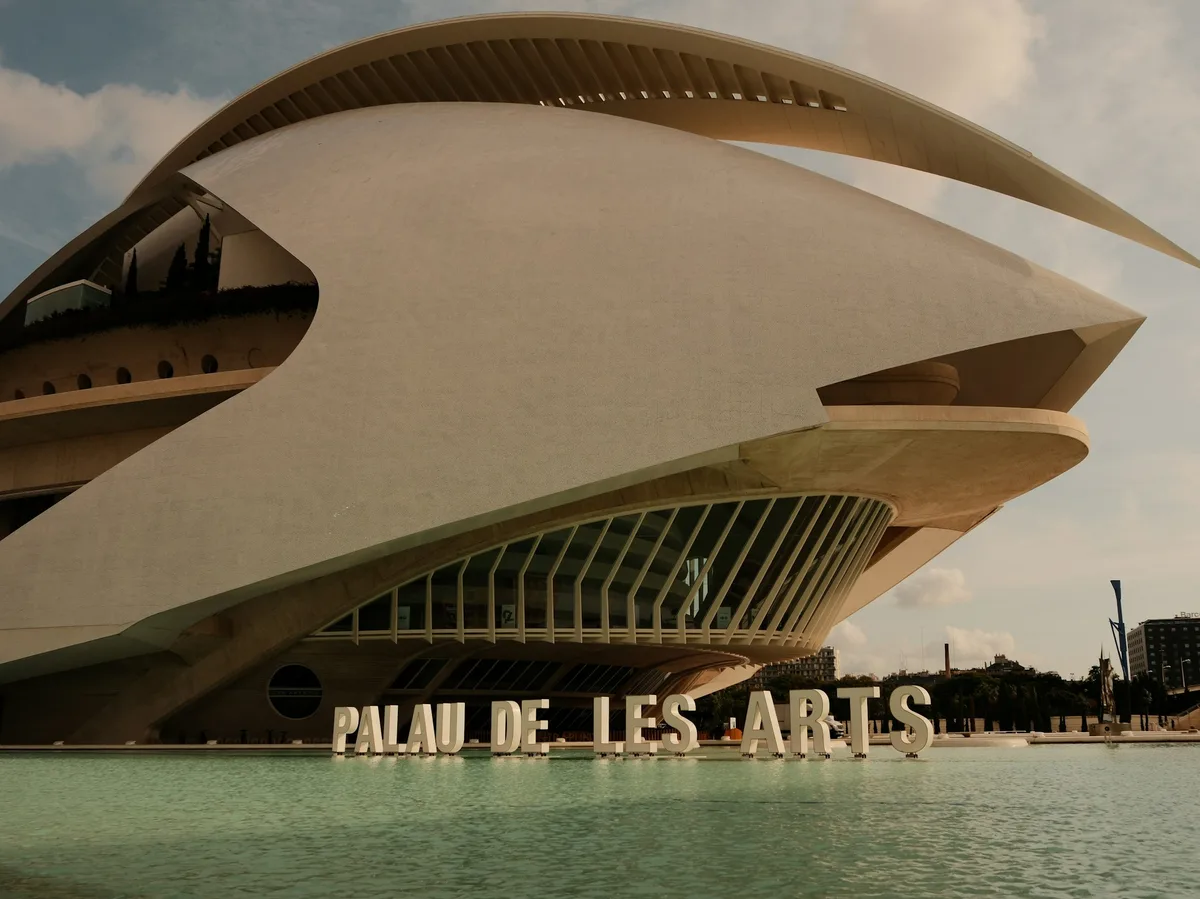
A 13-day grand tour of Spain — Barcelona, a Montserrat day trip, Valencia, Madrid, Toledo, Seville, Córdoba, Ronda, and Granada's Alhambra.
Visitor guide
Toledo is a historic city in central Spain, set on a hilltop in a bend of the Tagus River and capital of its province and of the Castilla-La Mancha region. Its old town is crowned by the Alcazar fortress and a Gothic cathedral, and it is often described as the city of the Three Cultures because Christian, Jewish and Muslim communities lived here. The historic city is a UNESCO World Heritage Site.
The old city occupies a rocky hill with the river wrapping around it on three sides, which made it easy to defend. The Roman historian Livy described Toletum as small but well fortified, and it later became a Roman municipium with a circus, baths and walls. The Visigoths made Toledo the capital of their kingdom around 546, and its bishops took a leading role in the church of Hispania.
Tariq bin Ziyad captured the city in 711 or 712, and it became an important cultural centre under Muslim rule. Alfonso VI of Leon took Toledo on 25 May 1085. After the Revolt of the Comuneros, Charles V's court was based here, but Philip II moved the court to Madrid in 1561 and the city declined, a fact that helped preserve much of its medieval layout.
The Alcazar stands on the highest point of the town and dominates the skyline. Wikipedia describes it as a sixteenth-century fortress. During the Spanish Civil War, Nationalist forces held it against a siege by Republican forces, which ended in late September 1936.
The cathedral was built between 1226 and 1493 in Gothic style and contains the Baroque altarpiece known as El Transparente. Its long construction span shows in the mix of styles and the richness of the interior.
Toledo's nickname, the City of the Three Cultures, refers to the coexistence of Christians, Jews and Muslims. The city retains several monuments from these communities, including the synagogues of Santa Maria la Blanca and El Transito, the latter home to the Sephardic Museum, and the small mosque of Cristo de la Luz, built in 999 and later converted into a church. Wikipedia also notes that some critics regard the nickname as overstated because it can hide a history of religious oppression.
The Roman-origin Alcantara Bridge crosses the Tagus, and the painter El Greco lived in Toledo for much of his later life. His Burial of the Count of Orgaz hangs in the Church of Santo Tome, and the El Greco Museum also stands in the old town.
Toledo has a long reputation for steelwork and sword-making, and swords are still sold in the city, often as souvenirs. The city is also known for its marzipan, which holds a Protected Geographical Indication as mazapan de Toledo, and for regional dishes such as carcamusas.
UNESCO inscribed the historic city in 1986. The old town is compact but hilly, with narrow lanes and many steps. A private guided visit helps visitors link the monuments to the layers of history, and Voyzo can arrange this with a private vehicle and driver.
See every tour and attraction we cover in Spain.