TorontoOntario · 36 tours
 Niagara FallsOntario · 25 tours
 New York CityNew York · 30 tours
 Las VegasNevada · 8 tours
 San FranciscoCalifornia · 16 tours
 VancouverBritish Columbia · 17 tours
 DubaiUAE · 54 tours
 Abu DhabiUAE · 5 tours
 Buenos AiresArgentina · 23 tours
 AthensGreece · 31 tours
 AucklandNew Zealand · 38 tours
 CancunMexico · 54 tours
No destinations match “”. Try searching all tours instead — that search understands full questions, not just place names.
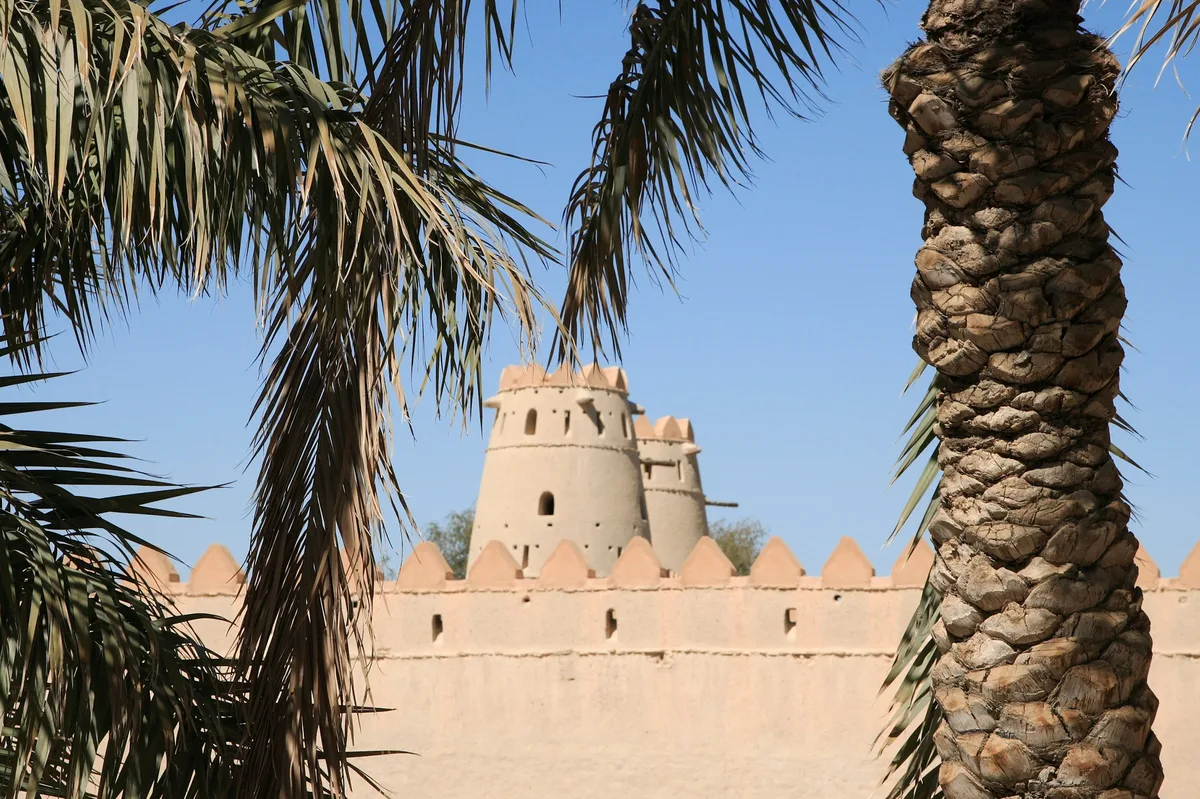
A UNESCO World Heritage site of shaded palm groves, still watered by the traditional falaj irrigation system that has sustained it for centuries.
Visitor guide
Al Ain Oasis is the largest of the oases in the city of Al Ain, in the Emirate of Abu Dhabi, United Arab Emirates. A shaded grove of date palms watered by traditional underground channels, it forms part of the Cultural Sites of Al Ain, inscribed on the UNESCO World Heritage List in 2011.
Wikipedia describes Al Ain Oasis, known in Arabic as Wahat Al-Ayn, as the largest of the city's oases and notes that it lies in the central Al-Mutawa'a district, with the Omani town of Al Buraimi to the north-west. The city's name means the spring, and the oasis explains why people settled here. The page states that the oasis dates back more than 4,000 years, and it also gives an area of more than 1,200 hectares, though such figures vary by source.
According to the same article, the oasis contains more than 147,000 date palms producing around 100 varieties of dates. Narrow lanes run between the plantations, and the dense canopy keeps the interior noticeably cooler than the streets outside.
The oasis is watered by a falaj, an underground channel system also called a qanat that carries water from boreholes to farms and trees. Falaj systems are found across Oman, the UAE, Iran and other countries. Wikipedia notes that Iron Age aflaj in the Al Ain and Buraimi area are thought to predate the Achaemenid qanats once credited as the origin of the technique.
Water is shared among plots on a traditional rotation, which sustained generations of farmers. Al Ain has seven oases in total: Al Ain Oasis, Al-Jahili, Al Qattara, Al-Mu'taredh, Al-Jimi, Al-Muwaiji and Hili.
The Cultural Sites of Al Ain (Hafit, Hili, Bidaa Bint Saud and Oases Areas) were inscribed in 2011 at the 35th session of the World Heritage Committee under cultural criteria iii, iv and v, reference 1343. Wikipedia states it was the first World Heritage property in the UAE. The property brings together Bronze Age tombs and settlements with the oases that preserve an agricultural tradition.
The article also lists the oasis among Globally Important Agricultural Heritage Systems.
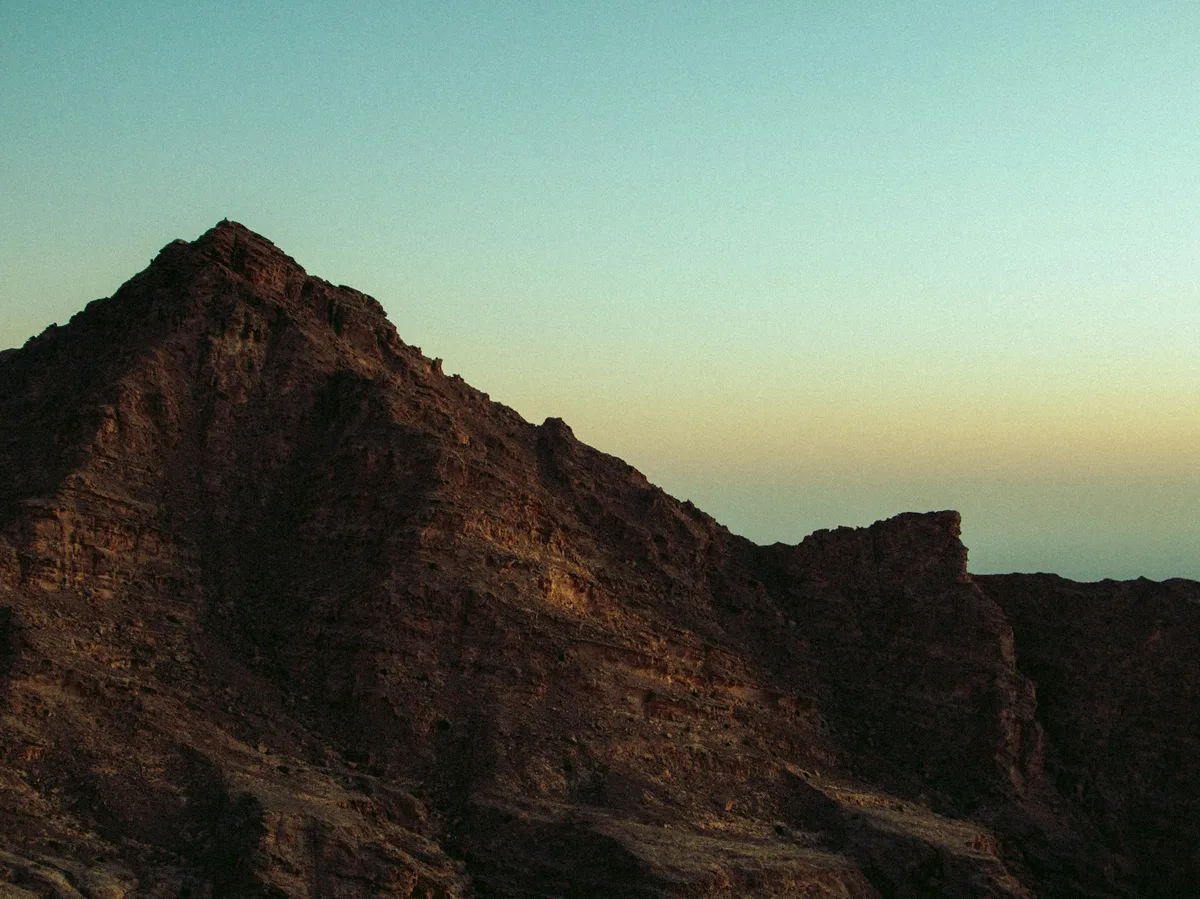
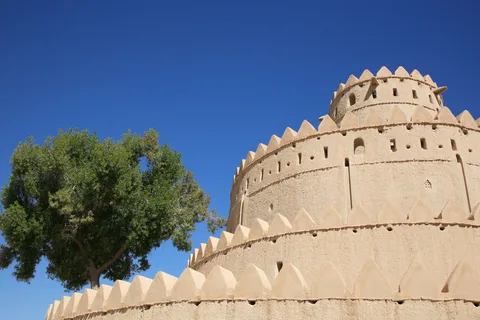
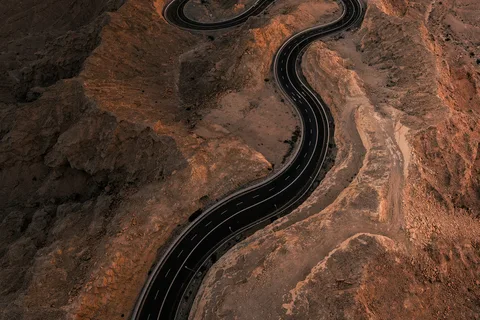
Several historic sites lie close by, including the Al Ain National Museum and fort to the east and the Sheikh Zayed Palace Museum on the western side. Jabal Al-Naqfah, a ridge of Jebel Hafeet, touches the southern edge. Wikivoyage notes that roads and paths run through the palms, allowing a visit on foot, preferably when the sun is not overhead. A private tour with a driver can link the oasis with the fort, museums and Jebel Hafeet in one day, and the cooler months are the more comfortable time to walk.
See every tour and attraction we cover in Al Ain.