TorontoOntario · 36 tours
 Niagara FallsOntario · 25 tours
 New York CityNew York · 30 tours
 Las VegasNevada · 8 tours
 San FranciscoCalifornia · 16 tours
 VancouverBritish Columbia · 17 tours
 DubaiUAE · 54 tours
 Abu DhabiUAE · 5 tours
 Buenos AiresArgentina · 23 tours
 AthensGreece · 31 tours
 AucklandNew Zealand · 38 tours
 CancunMexico · 54 tours
No destinations match “”. Try searching all tours instead — that search understands full questions, not just place names.
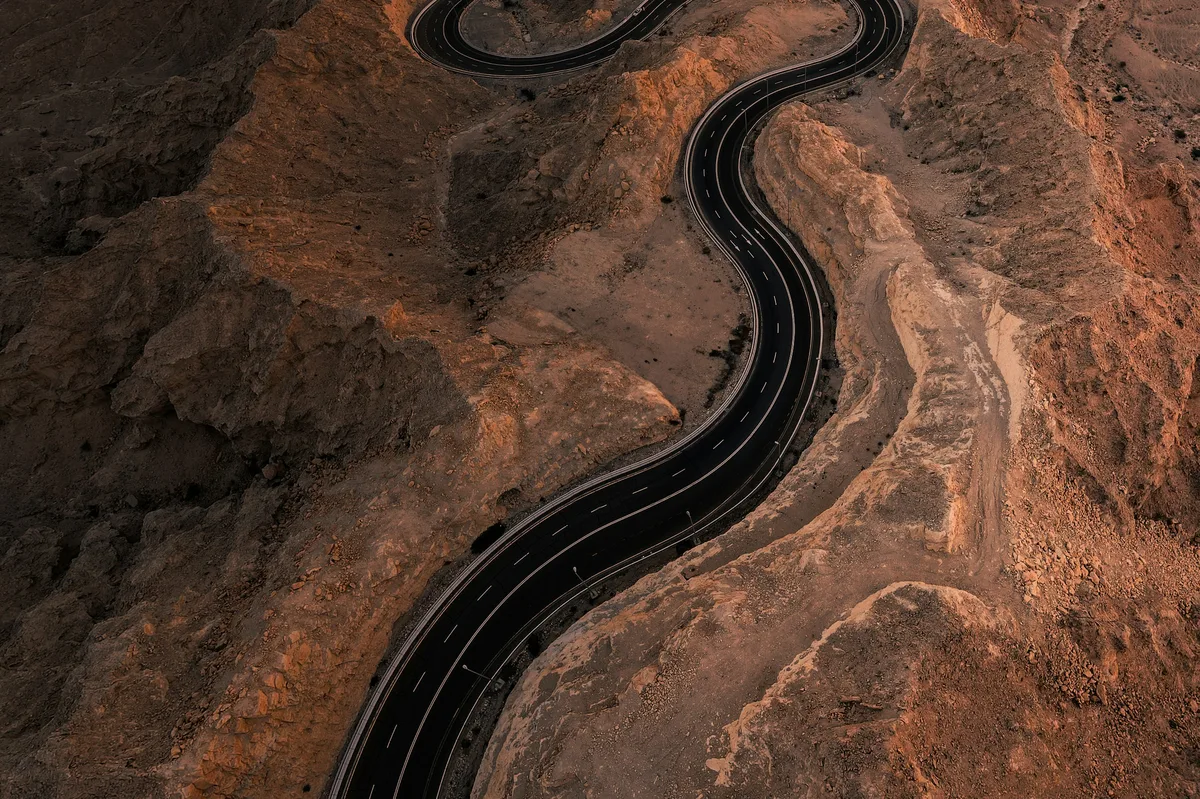
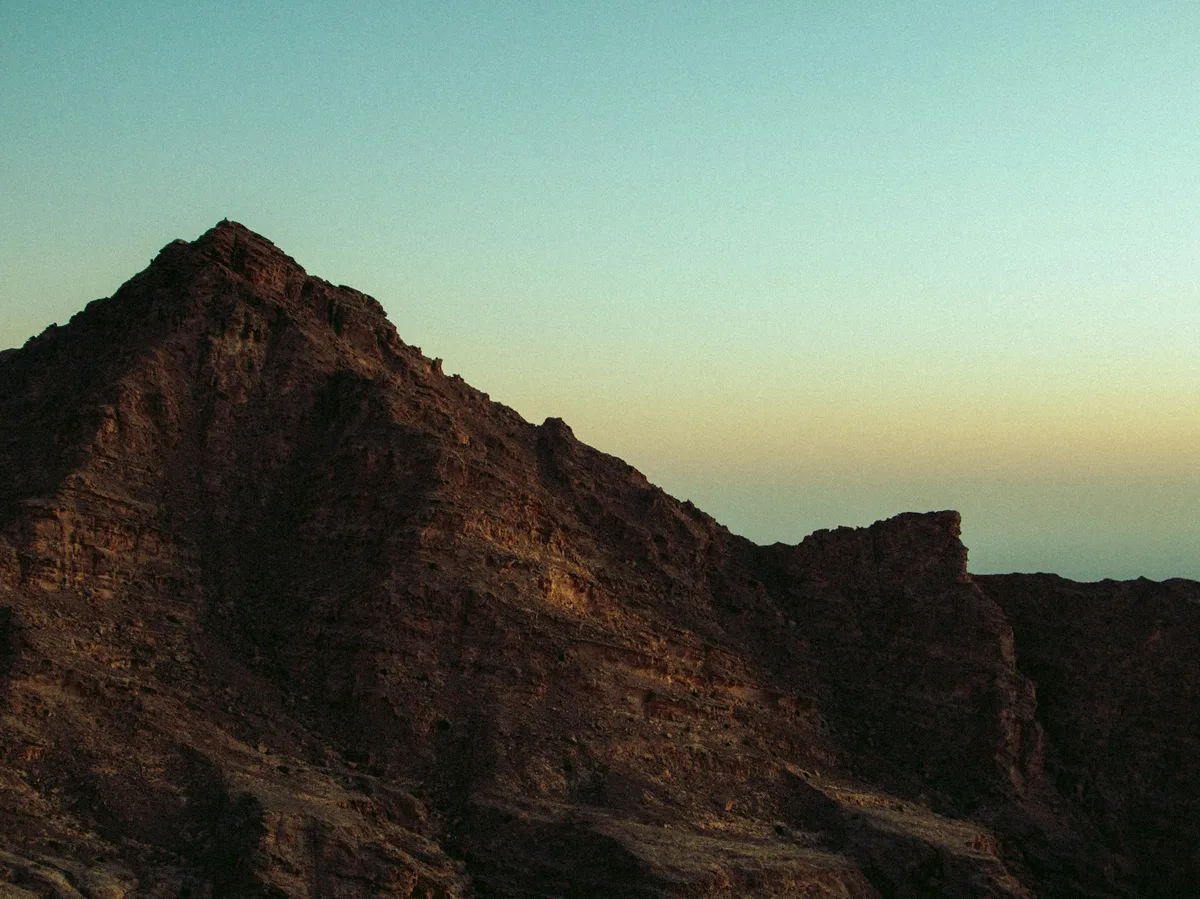
The highest peak in the Emirate of Abu Dhabi and the second highest in the UAE, reached by a scenic drive to the summit with panoramic desert and city views.
Visitor guide
Jebel Hafeet is a mountain rising south of Al Ain on the border between the United Arab Emirates and Oman. Wikipedia gives its height as 1,249 metres, though it notes this figure is disputed, and calls it the only mountain in the Emirate of Abu Dhabi.
According to Wikipedia, Jebel Hafeet is made of shallow marine sedimentary rock including limestone, marl and evaporites, folded into an anticline. The mountain trends north-north-west to south-south-east over about 26 kilometres, is 4 to 5 kilometres wide and rises about 900 metres above the surrounding plains. Its layers contain fossils of corals, foraminifera and bryozoa, and the exposed rocks range from early Eocene to early Miocene in age. Geologists debate the timing and cause of the folding, with some linking it to the Zagros collision, and Wikipedia says the structure is not actively deforming. Its name is rendered as 'empty mountain', and it is often considered an outlier of the Hajar Mountains. Hot springs of around 40 degrees Celsius at its base are heated geothermally, and a cave system crosses the mountain, with some sections explored to about 150 metres deep and containing stalactites and stalagmites.
The mountain road was built in 1980 by Strabag International and runs 11.7 kilometres with 60 turns and three lanes, two climbing and one descending. Wikipedia records that Edmunds.com called it the greatest driving road in the world, an opinion rather than a measured fact. The annual Jabal Hafeet Mercure Challenge cycling event takes place each January, the road hosted a stage finish of the first Abu Dhabi Tour in 2015, and the mountain has been a fixed stage location for the UAE Tour since 2019. A Mercure hotel, a palace and a military communications outpost sit at the summit.
About 500 beehive-shaped Bronze Age tombs at the foothills gave their name to the Hafit Period, dated to roughly 3200 to 2600 BCE (the UNESCO nomination dossier gives about 3200 to 2700 BC). They were first noted around 1950, and Danish archaeologists excavated in 1959, finding ceramics and copper artefacts, and objects including ceramics from Mesopotamia and artefacts from ancient Iran and the Indus Valley that point to long-distance trade. The tombs on the south side are better preserved than those on the north, some of which were partly destroyed by construction. The Cultural Sites of Al Ain (Hafit, Hili, Bidaa Bint Saud and Oases Areas) are a UNESCO World Heritage Site; UNESCO's World Heritage Centre records the inscription as 27 June 2011.
At the foot of the mountain, Green Mubazzarah is a tourist area with hot springs, a lake, chalets, pools and a children's play park. The nearby Mubazzara Dam, built in 1955 and restored in 2005, was one of the earliest development projects instituted by Sheikh Zayed bin Sultan Al Nahyan when he was governor of Al Ain. The dam is freely accessible to the public.
The mountain is recognised as part of a national park, also called Jebel Hafit Desert Park or Mezyad Desert Park, and was incorporated into the Sheikh Zayed Network of Protected Areas in 2018. Wikipedia reports 170 documented plant species, more than 40 percent of those recorded in the emirate, and about 95 species in Wadi Tarabat, the mountain's largest wadi. Animals include bats, foxes, snakes and hyraxes in the caves, the Arabian tahr, and a study counted 119 bird species. In February 2019 the Environment Agency Abu Dhabi recorded an Arabian caracal on a camera trap, the first such sighting in the emirate since 1984. Wilfred Thesiger reported an Arabian leopard here in 1949.
Jebel Hafeet has a hot desert climate, and Wikipedia notes that temperatures usually stay below 25 degrees Celsius from October to March. Weather and road conditions can change, so check ahead. A private guided visit with a driver suits the winding mountain road and can include the tombs and Green Mubazzarah.
See every tour and attraction we cover in Al Ain.