TorontoOntario · 36 tours
 Niagara FallsOntario · 25 tours
 New York CityNew York · 30 tours
 Las VegasNevada · 8 tours
 San FranciscoCalifornia · 16 tours
 VancouverBritish Columbia · 17 tours
 DubaiUAE · 54 tours
 Abu DhabiUAE · 5 tours
 Buenos AiresArgentina · 23 tours
 AthensGreece · 31 tours
 AucklandNew Zealand · 38 tours
 CancunMexico · 54 tours
No destinations match “”. Try searching all tours instead — that search understands full questions, not just place names.
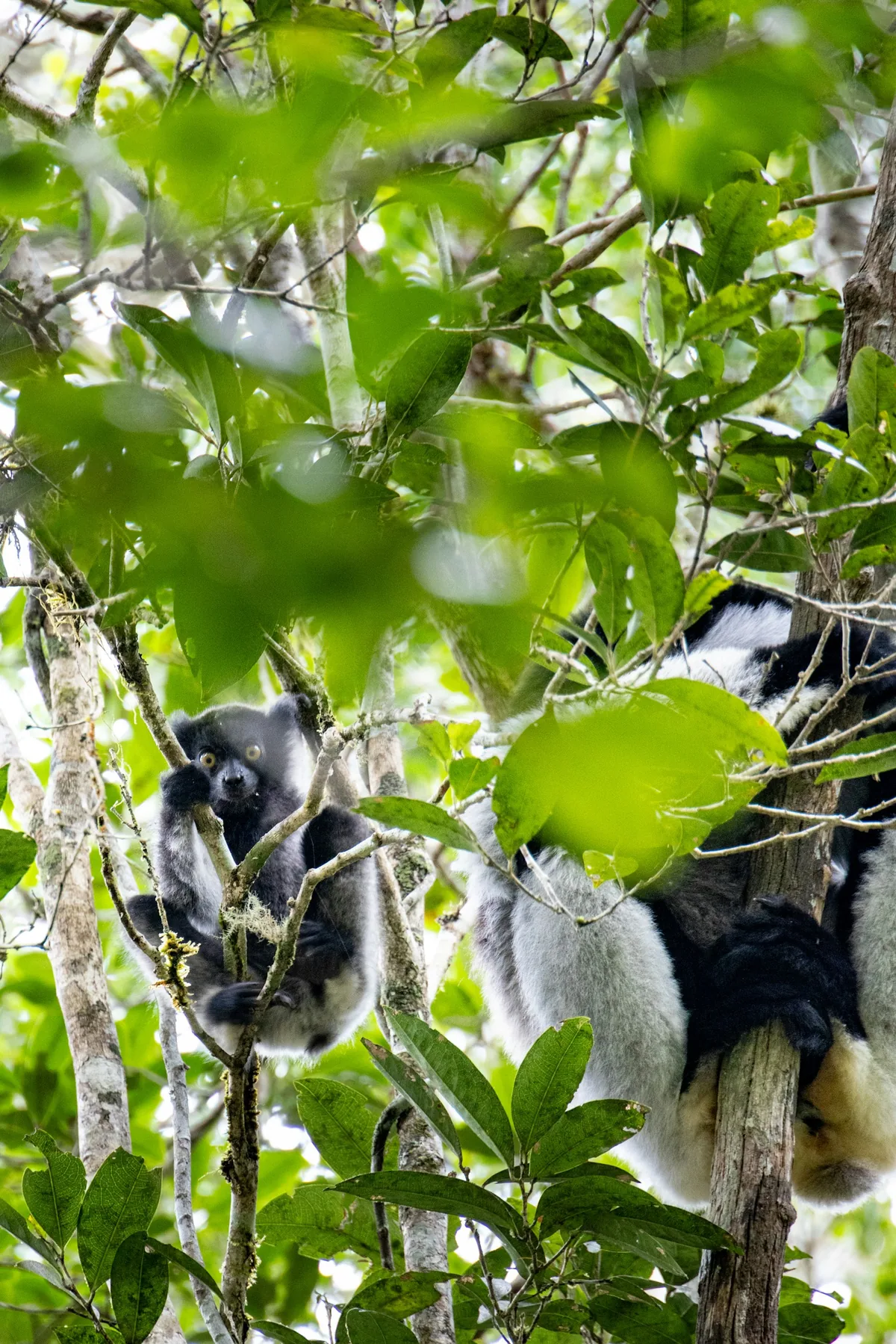
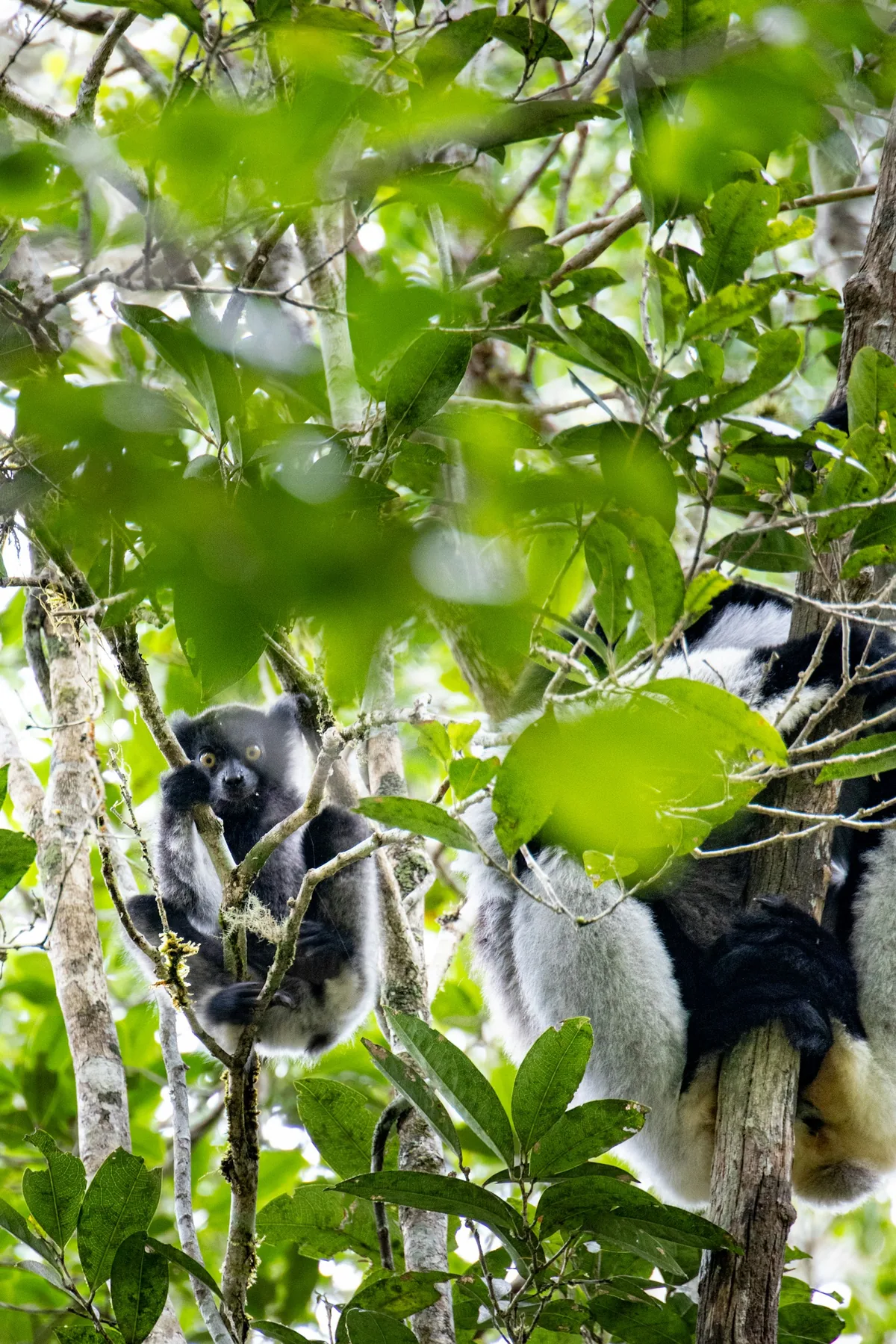
Rainforest a few hours east of Antananarivo, home to more than a dozen lemur species (counts vary by source) including the indri, whose haunting wail-like call carries for kilometers through the canopy.
 Multi-Day Tours
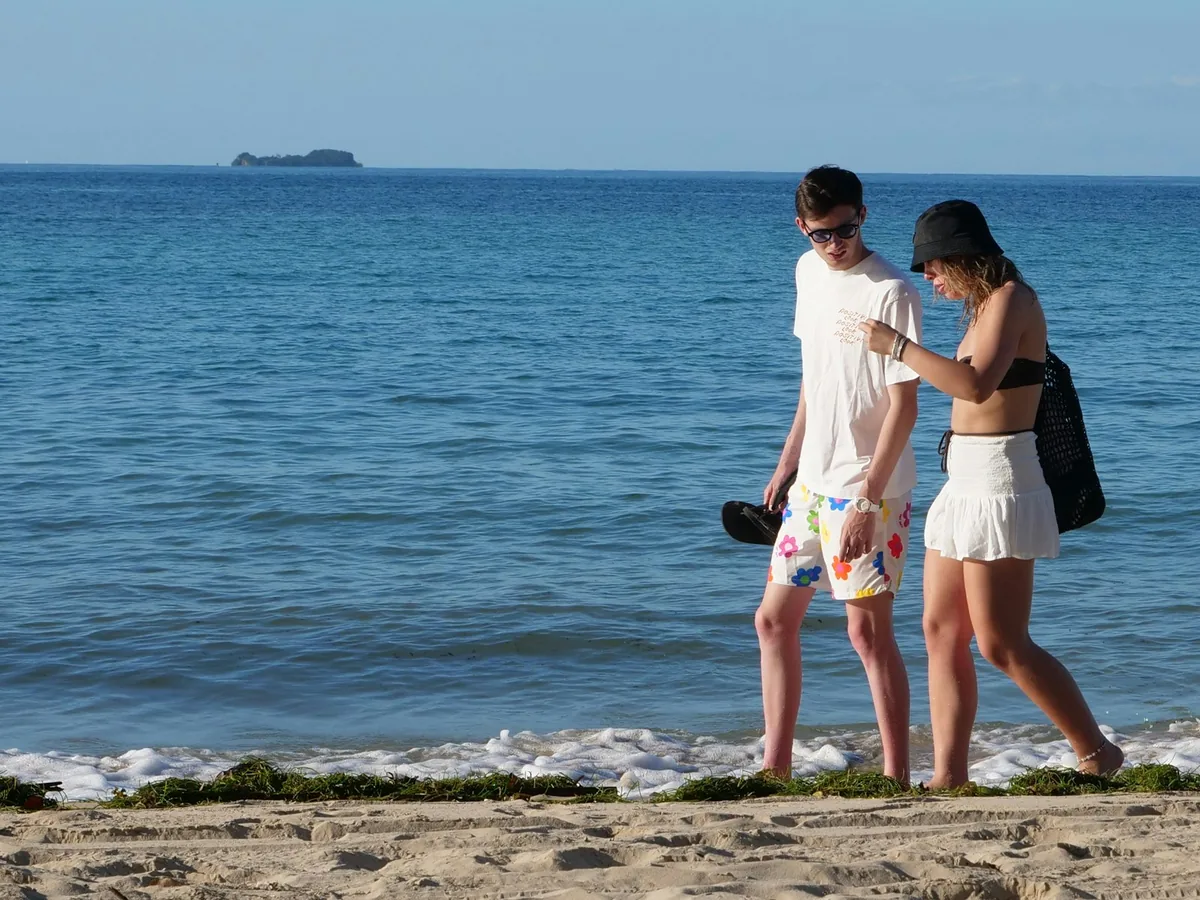
A 10-day pairing of Andasibe's lemur-filled rainforest with a chartered flight to the exclusive Anjajavy Peninsula, where beaches, mangroves, and Tsingy islets replace the usual road transfers.
 Multi-Day Tours
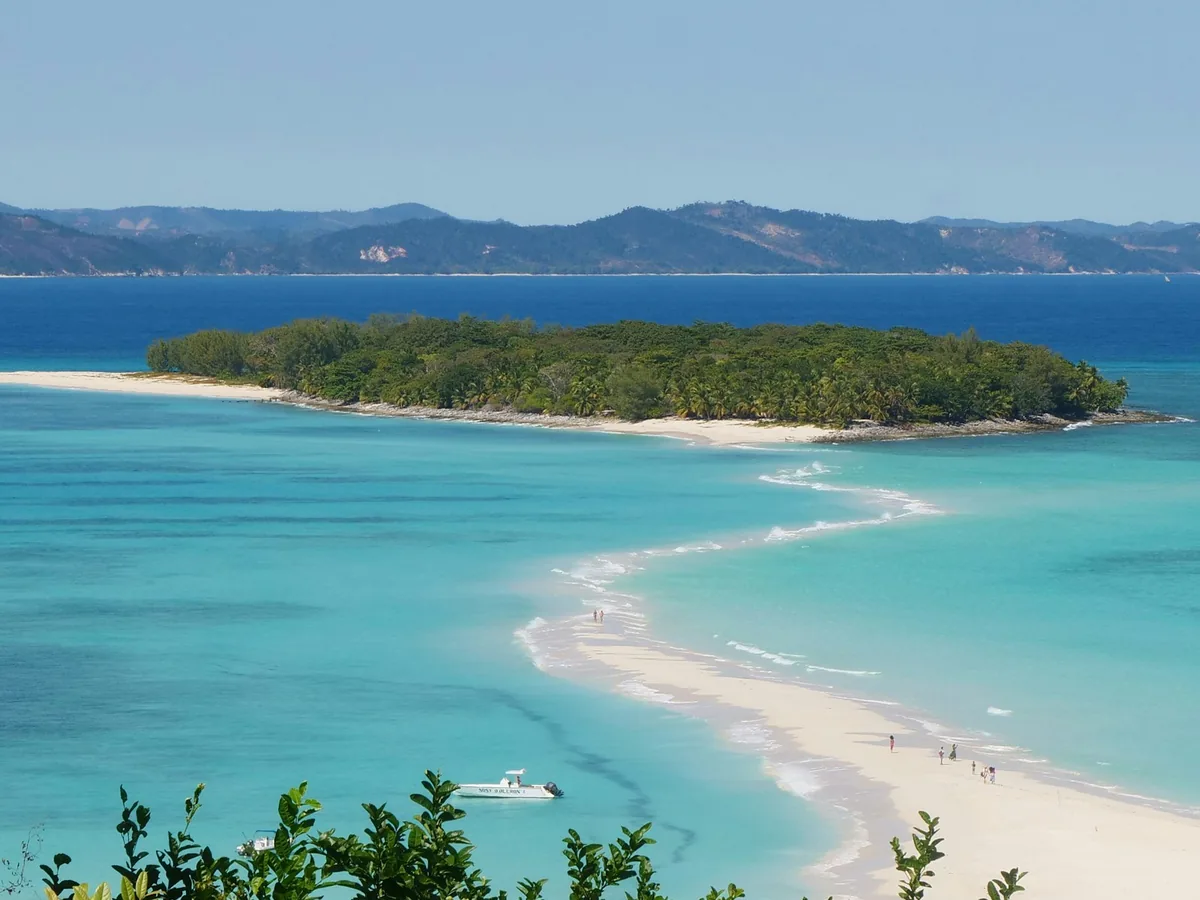
An 11-day route from Andasibe's rainforest to Nosy Be's beaches and on to Nosy Komba's lemur reserve, with time set aside for diving, fishing, and hiking on both islands.
 Multi-Day Tours
A 10-day, top-tier itinerary pairing Andasibe-Mantadia's rainforest with a helicopter transfer to Miavana, an ultra-luxury private-villa resort on the remote Nosy Ankao archipelago.
 Multi-Day Tours
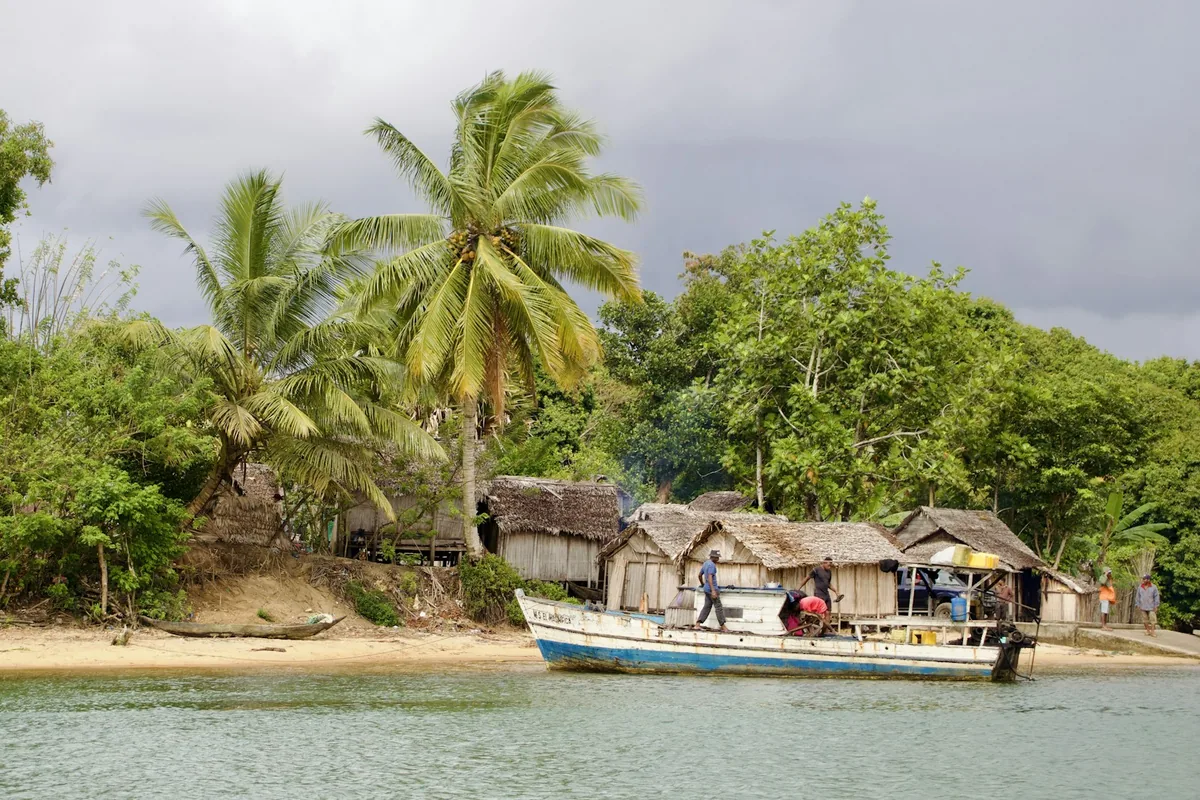
An 8-day route through Andasibe's rainforest reserves to Akanin'ny Nofy on the Pangalanes Canal, with boat tours, lakeshore time, and a chance to spot the elusive aye-aye lemur.
 Multi-Day Tours
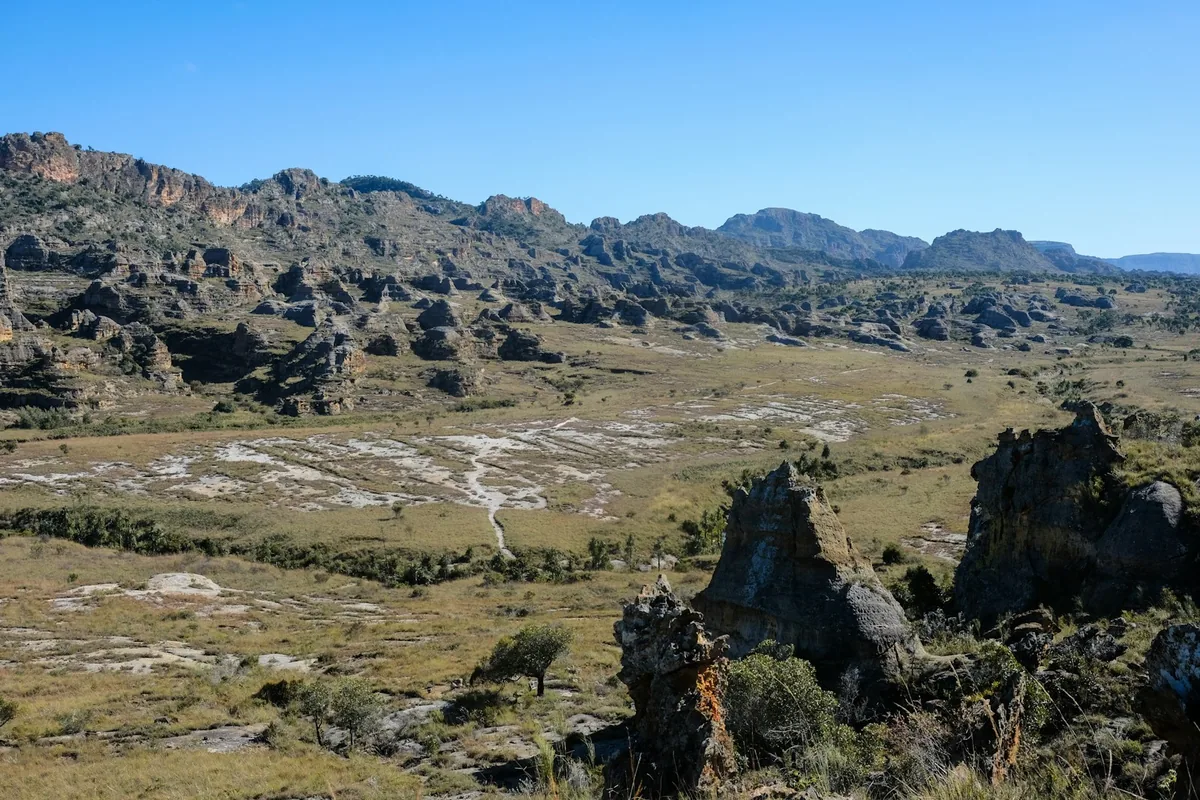
A 14-day circuit through Madagascar's central highlands — Andasibe's rainforest, Ranomafana's biodiversity, Isalo's canyon country, and the Zafimaniry craft villages around Ambositra.
 Multi-Day Tours
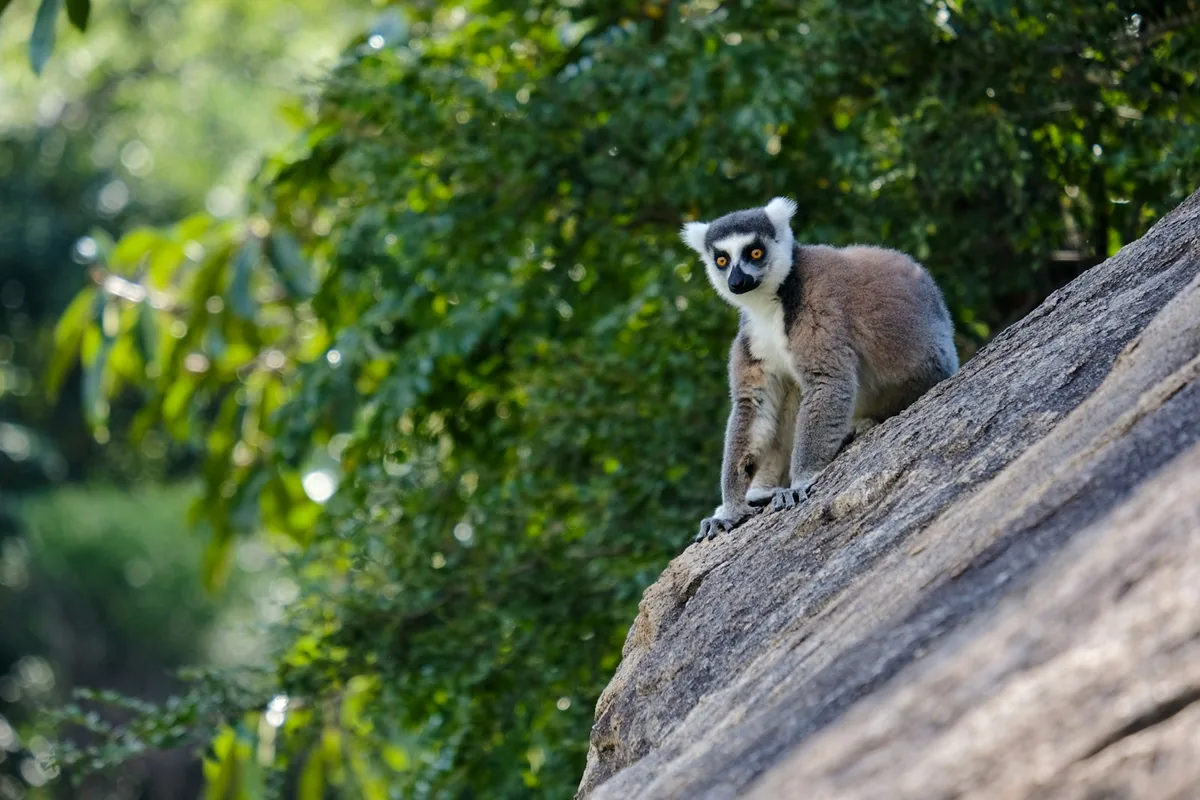
A 15-day route from Andasibe through the highlands, a ride on the historic FCE train to Manakara, Ranomafana's rainforest, Isalo's canyon country, and the spiny forest region near Ifaty.
Visitor guide
Andasibe-Mantadia National Park is a protected area of humid eastern rainforest in the Alaotra-Mangoro region of Madagascar, roughly 140 to 150 kilometres east of the capital Antananarivo. It is best known as one of the most accessible places on the island to see lemurs, especially the indri, the largest living lemur.
Wikipedia describes the park as covering about 155 square kilometres and established in 1989, while Madagascar National Parks lists Mantadia at 15,480 hectares and Analamazaotra at 874 hectares, with Analamazaotra created in 1970. It consists of two main sections. The Analamazaotra Reserve, also known as Perinet or Andasibe, is the more accessible part, with the park headquarters and short walking trails near the main road. Mantadia National Park is the other section and needs special transport arranged in advance. Hikes of one to six hours are possible in both sections, and a local guide is required to enter.
The park is mostly primary forest at elevations of roughly 800 to 1,260 metres. The climate is humid, with about 1,700 millimetres of rain a year over some 210 days. Madagascar National Parks administers the park, which is classed as IUCN Category II.
Wikipedia notes that eleven lemur species are found in the park, while Madagascar National Parks lists 14 species for each of its two sections, so counts vary by source. The indri is the best known, a black-and-white lemur whose far-carrying song, a wailing chorus often heard at dawn, can travel long distances through the forest. Other lemurs associated with the park include the diademed sifaka, the black-and-white ruffed lemur and the greater dwarf lemur, though each visit differs and no sighting is guaranteed. The forest also supports birds, chameleons, frogs and many endemic plants.
Starting in 2006, the Analamazaotra Re-introduction/Translocation project moved endangered lemurs from threatened forest into the reserve. Partners included the Madagascar Biodiversity Partnership, Omaha's Henry Doorly Zoo and Aquarium and Madagascar National Parks. By 2014 the project had reintroduced three groups totalling 26 diademed sifakas and eight black-and-white ruffed lemurs, tracked with radio collars, and reported two generations of births. It also employs local guides and supports education.
Wikipedia says the main threat to the area is loss of habitat outside the park, driven by logging, eucalyptus and pine plantations, slash-and-burn rice farming, rapid population growth and rural poverty. Parts of the original forest are isolated from each other as a result. The park was nominated in 2007 for the Rainforests of the Atsinanana World Heritage Site but was not included.
The park is reached from Antananarivo on a paved main road in roughly three hours according to Wikipedia, making it more accessible than most Madagascan parks. Forest paths can be muddy and humid, and rain is possible in any season, so rain gear and sturdy footwear are advisable. Walking with a local guide is required, and a private driver simplifies the transfer and allows an early start for dawn wildlife.
Early morning is commonly recommended for hearing the indri, since groups call most actively around dawn, but the timing and the sightings depend on the weather and the forest group that day.
See every tour and attraction we cover in Madagascar.