TorontoOntario · 36 tours
 Niagara FallsOntario · 25 tours
 New York CityNew York · 30 tours
 Las VegasNevada · 8 tours
 San FranciscoCalifornia · 16 tours
 VancouverBritish Columbia · 17 tours
 DubaiUAE · 54 tours
 Abu DhabiUAE · 5 tours
 Buenos AiresArgentina · 23 tours
 AthensGreece · 31 tours
 AucklandNew Zealand · 38 tours
 CancunMexico · 54 tours
No destinations match “”. Try searching all tours instead — that search understands full questions, not just place names.
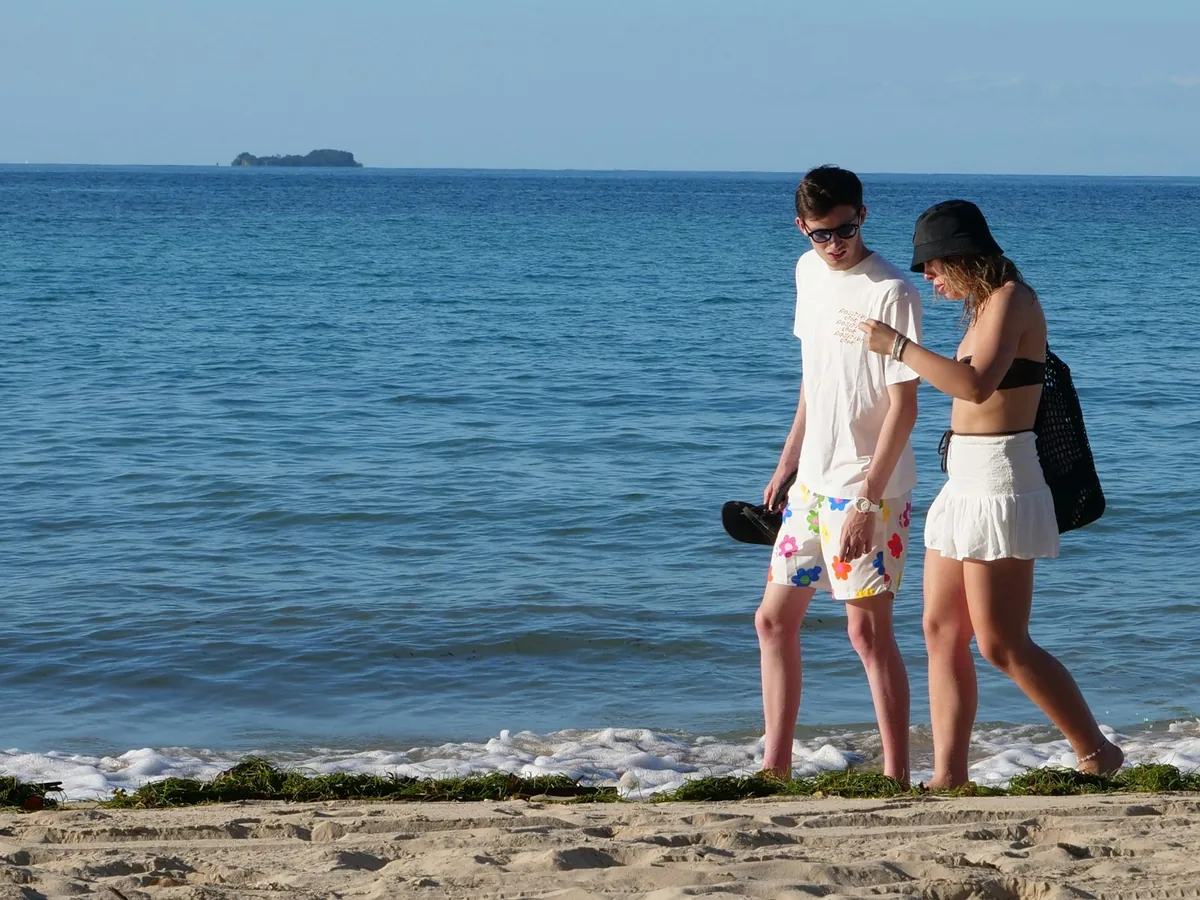
Madagascar's best-known beach island, off the northwest coast, with white-sand bays, coral reefs for snorkeling and diving, and Mount Passot's viewpoint over its crater lakes.
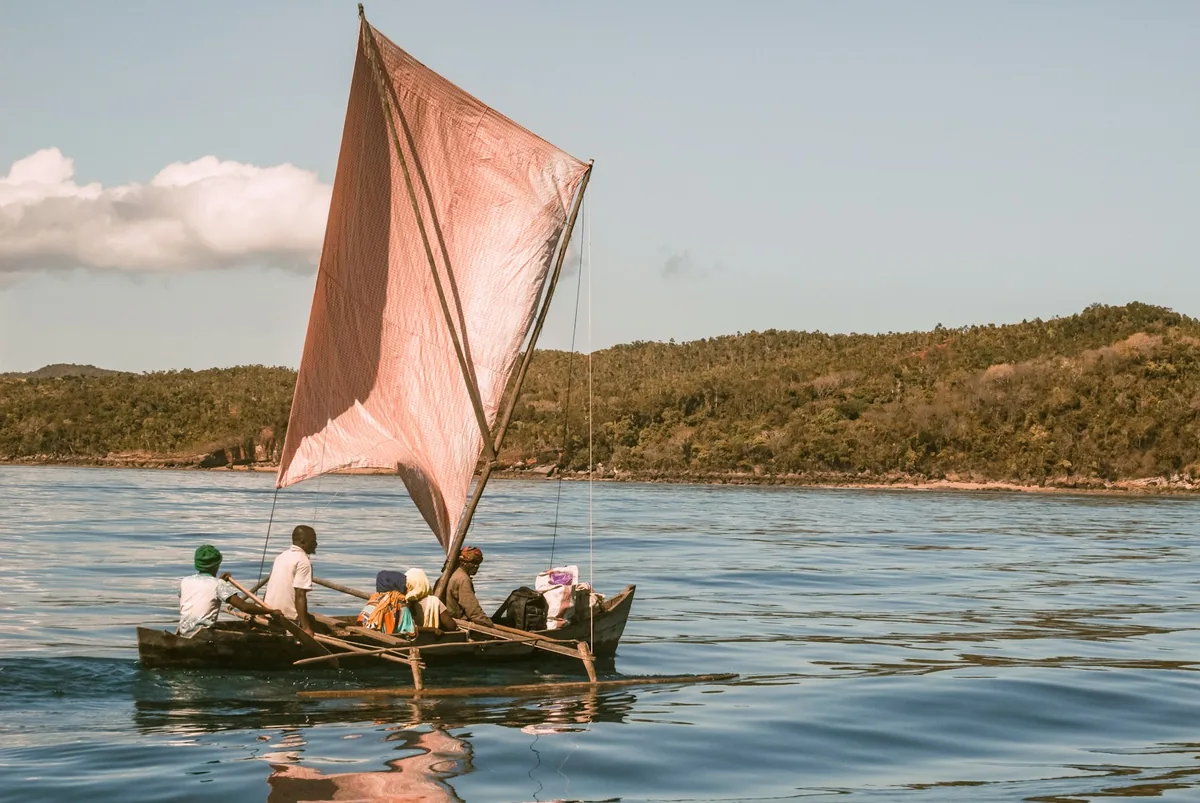 Multi-Day Tours
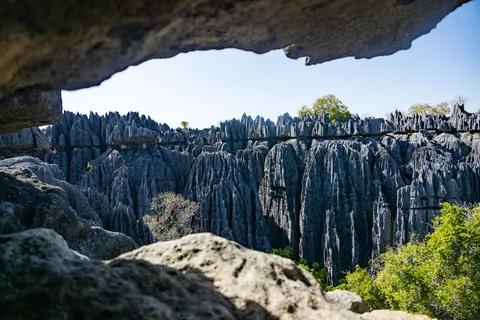
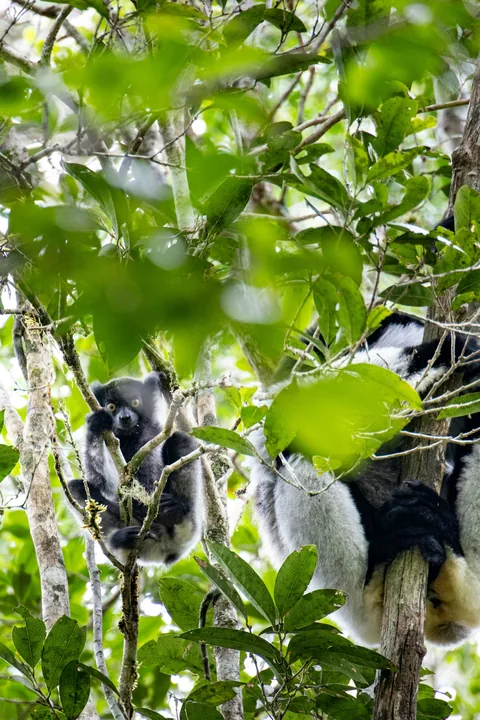
A 10-day route from Antananarivo to Andasibe's rainforest lemurs, north to Diego Suarez's Montagne d'Ambre waterfalls and the grey limestone tsingy of Ankarana Reserve (plus the separate Red Tsingy of Irodo nearby), finishing with island time on Nosy Be.
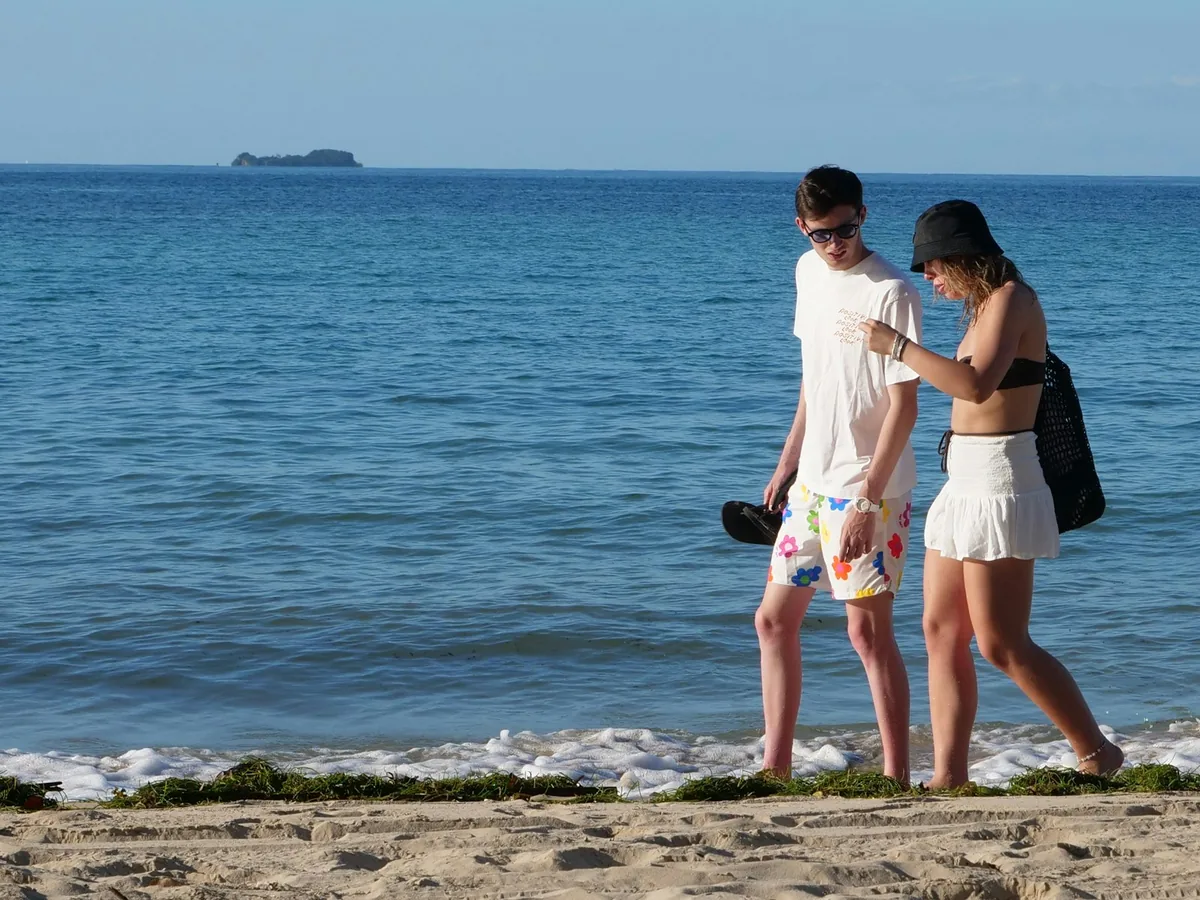 Multi-Day Tours
An 11-day route from Andasibe's rainforest to Nosy Be's beaches and on to Nosy Komba's lemur reserve, with time set aside for diving, fishing, and hiking on both islands.
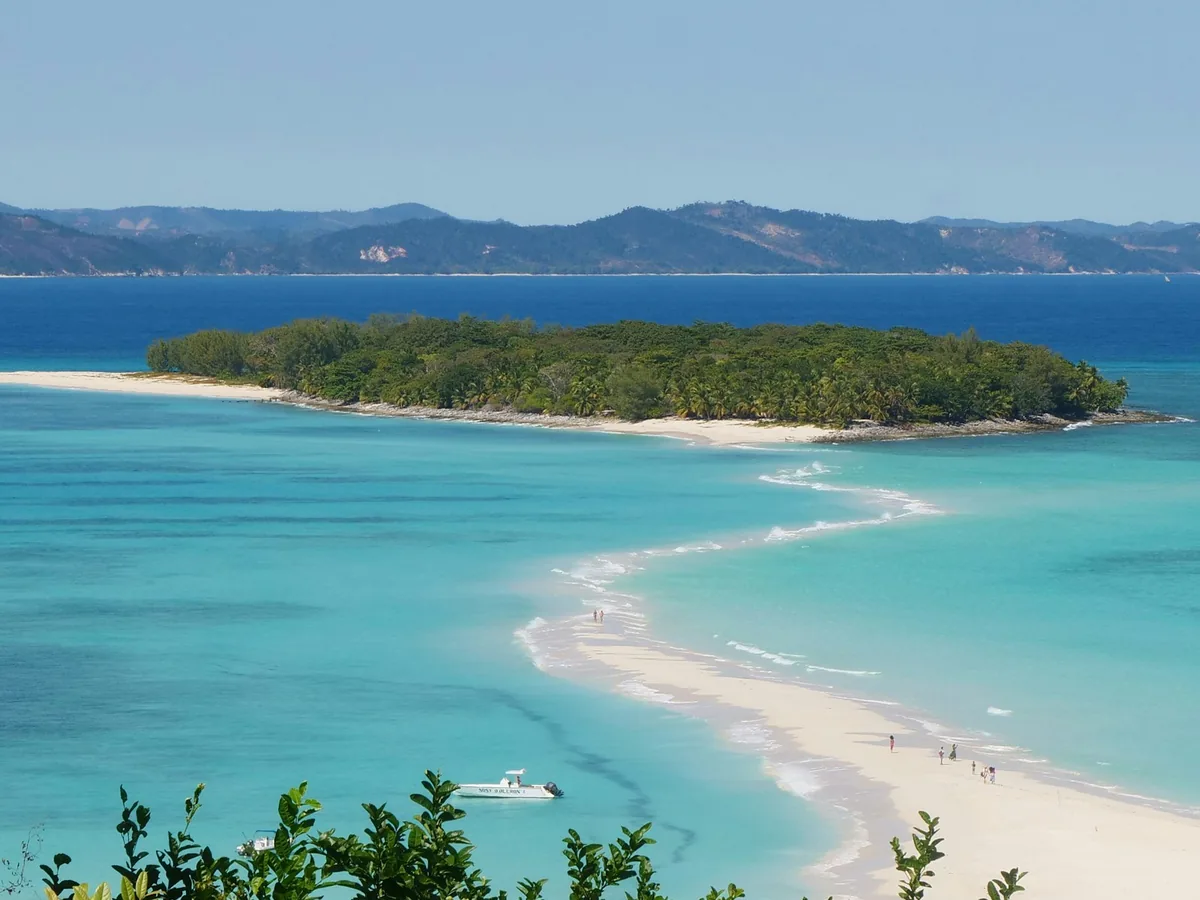 Multi-Day Tours
A 10-day, top-tier itinerary pairing Andasibe-Mantadia's rainforest with a helicopter transfer to Miavana, an ultra-luxury private-villa resort on the remote Nosy Ankao archipelago.
 Multi-Day Tours
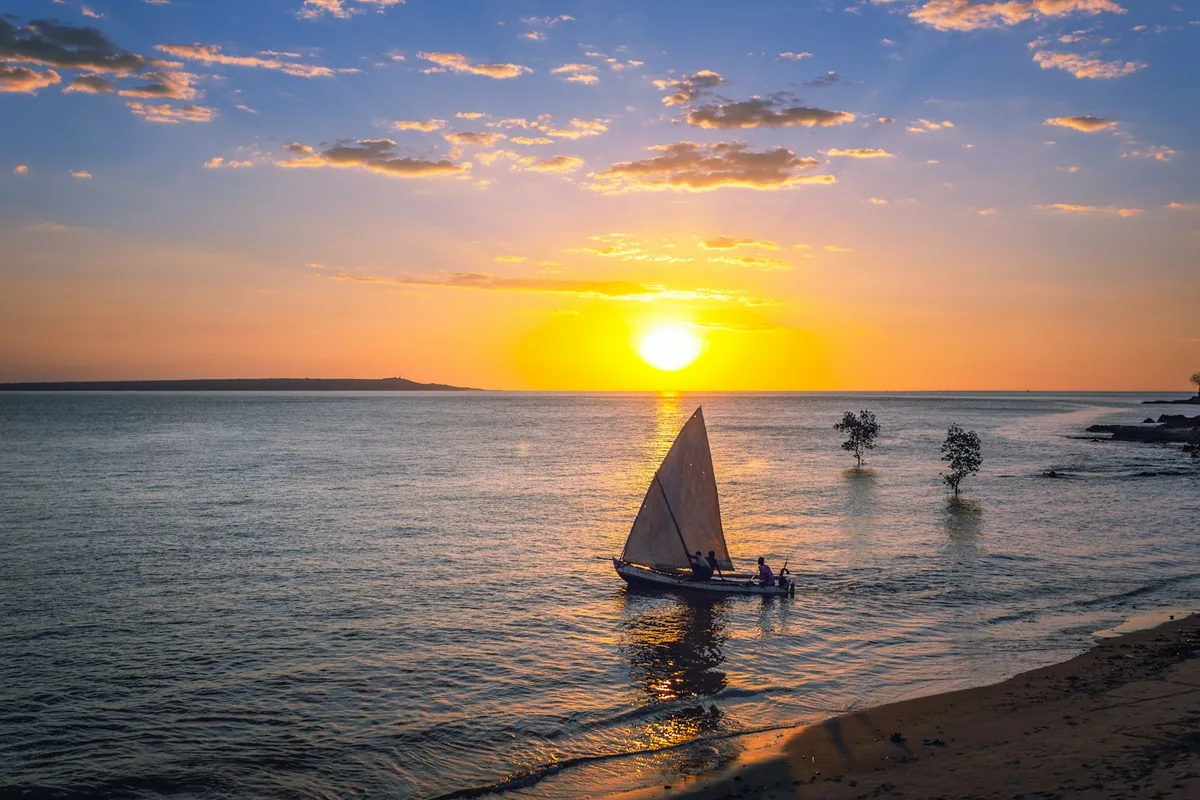
An 8-day family route around Nosy Be — an eco-resort stay, a Tsingy trek at Ankarana Reserve, and a two-night sail aboard a traditional Sakalava boutre with swimming, snorkeling, and camping under the stars.
Visitor guide
Nosy Be is a volcanic island off the north-western coast of Madagascar in the Mozambique Channel, about eight kilometres from the mainland. Its name means "big island" in Malagasy, and it is known for beaches, coral reefs, ylang-ylang plantations and small forest reserves, making it Madagascar's most developed island tourist destination according to Wikipedia.
Wikipedia gives the island an area of roughly 312 to 320 square kilometres, with the highest point at Mont Lokobe, about 450 metres. The main town is Andoany, commonly called Hell-Ville. Nearby islands include Nosy Komba, Nosy Sakatia, Nosy Mitsio and Nosy Tanikely. The island is also nicknamed Nosy Manitra, "the scented island". It has eleven volcanic crater lakes, and the viewpoint at Mont Passot is a popular vantage over them, though sources give its height variously as around 330 to 350 metres.
The first inhabitants were small groups of Antankarana and Zafinofotsy peoples, followed by the Sakalava, who became dominant, and later Comorian and Indian settlers. In 1837 the Sakalava kingdom of Boina came under Merina control. The French colonised the island from 1840, founding Hell-Ville and naming it after Admiral de Hell. They built a plantation economy based on sugar cane. During the Russo-Japanese War, Russia's Second Pacific Squadron stopped at Nosy Be for about two months in early 1905 before sailing on to the Battle of Tsushima.
Lokobe, on the southeast of the island and now managed as a national park by Madagascar National Parks (it was formerly a strict nature reserve), protects black lemurs and other wildlife. Wikipedia mentions a tiny frog, Stumpffia pygmaea, and a miniature chameleon, Brookesia minima, among its small animals, and records nocturnal mouse lemurs, dwarf lemurs and leaf-tailed geckos. Waters off the island are a habitat for Omura's whale, which researchers study there. Coral reefs here face pressure from urbanisation, discharge and unregulated tourism.
Travel sources describe Nosy Tanikely as a small marine park about ten kilometres south of Nosy Be with coral and snorkelling, and Nosy Komba as a nearby island with a lemur park and craft markets, reached by boat.
The economy once centred on sugar cane and rum. Today ylang-ylang cultivation for essential oils and tourism are the main activities. Nosy Be has a tropical savanna climate, with daytime temperatures around 30 degrees Celsius through the year, a wet season from October to early May and a drier season through September. Annual rainfall averages about 1,728 millimetres.
The island is served by an airport and by boats connecting Hell-Ville with the mainland town of Ankify. Beaches, reef trips and plantation visits are the typical draws, and boat conditions depend on weather and season. A private driver is convenient on the island's roads for transfers between hotels, viewpoints and piers.
Visitors usually combine a day on the water with a stop at a plantation or a viewpoint, and a private guide can explain how ylang-ylang oil is produced and which of the neighbouring islands suits a given interest.
See every tour and attraction we cover in Madagascar.