TorontoOntario · 36 tours
 Niagara FallsOntario · 25 tours
 New York CityNew York · 30 tours
 Las VegasNevada · 8 tours
 San FranciscoCalifornia · 16 tours
 VancouverBritish Columbia · 17 tours
 DubaiUAE · 54 tours
 Abu DhabiUAE · 5 tours
 Buenos AiresArgentina · 23 tours
 AthensGreece · 31 tours
 AucklandNew Zealand · 38 tours
 CancunMexico · 54 tours
No destinations match “”. Try searching all tours instead — that search understands full questions, not just place names.
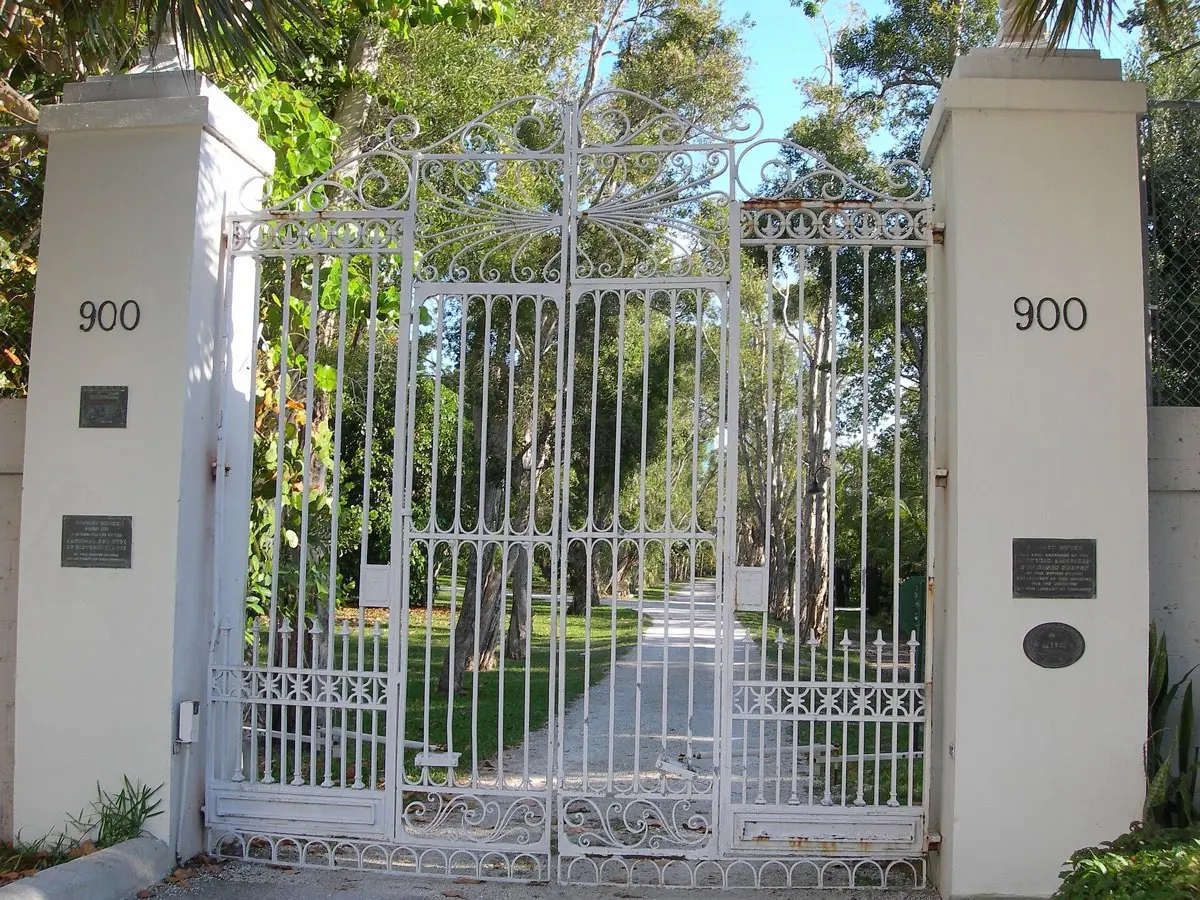
A historic estate and subtropical gardens tucked between the beach and the Intracoastal.
Visitor guide
Bonnet House Museum and Gardens is a 35-acre historic estate on Fort Lauderdale Beach, tucked between the Atlantic and the Intracoastal Waterway behind a wall of high-rises. Built by the Chicago painter Frederic Clay Bartlett as a winter home, it combines a plantation-style house, studios, gardens and a stretch of native ecosystems that give a sense of the barrier island before development.
Chicago attorney Hugh Taylor Birch acquired the property (Bonnet House's own pages give both 1895 and 1911 for the purchase) and in 1919 gave it to his daughter Helen and her husband, Frederic Clay Bartlett, as a wedding gift. The land had earlier been used for pineapple growing, according to one account. Bartlett, a self-taught architect, designed buildings based on his reading of Caribbean architecture; the art studio was the first finished, and the estate also includes a main house, a music studio and a guest house. Sources give the main house construction as around 1920. The name comes from the bonnet lily that grows in the estate's slough.
Helen died in 1925, and Bartlett donated his art collection to the Art Institute of Chicago in her memory. In 1931 he married Evelyn Fortune Lilly, an artist and former wife of Eli Lilly. The couple wintered at Bonnet House until Bartlett died in 1953, and Evelyn continued to return each winter; the estate dates the end of her winter stays to 1995 and she died in 1997.
In 1983 Evelyn deeded the estate to the Florida Trust for Historic Preservation, and it became a museum. The estate says its donation was, at the time, the largest charitable gift in Florida history, which is its own description. Bonnet House was added to the National Register of Historic Places on July 5, 1984, and designated a Fort Lauderdale historic landmark in 2002. It is accredited by the American Alliance of Museums.
The house is known for details such as a drawing-room ceiling made of mahogany from a log that washed ashore in a storm, a recurring motif of pairs, and displays of the Bartletts' paintings. Evelyn was an orchid enthusiast, and her collection is a central part of the estate, with an orchid display area and an annual Orchid and Garden Festival. The estate lists five distinct ecosystems on the grounds: the Atlantic beach and primary dune, a freshwater slough, the secondary dune where the house sits, mangrove wetlands and a maritime forest. The grounds include about 100 feet of beach.
Monkeys are the most unusual feature. Evelyn bought a few dozen monkeys to live in the trees, some reportedly from a closed local bar, and descendants or survivors have been reported on the property; sources differ on species, with Brazilian and Costa Rican squirrel monkeys both mentioned. Swans are reported on the lily pond. Wildlife is not guaranteed on any visit.
The estate has appeared in popular culture: it was the finish line for season 7 of The Amazing Race and a filming location for the movie Hoot. Bartlett's sister, Maie Bartlett Heard, founded the Heard Museum in Phoenix.
See every tour and attraction we cover in Fort Lauderdale.