TorontoOntario · 36 tours
 Niagara FallsOntario · 25 tours
 New York CityNew York · 30 tours
 Las VegasNevada · 8 tours
 San FranciscoCalifornia · 16 tours
 VancouverBritish Columbia · 17 tours
 DubaiUAE · 54 tours
 Abu DhabiUAE · 5 tours
 Buenos AiresArgentina · 23 tours
 AthensGreece · 31 tours
 AucklandNew Zealand · 38 tours
 CancunMexico · 54 tours
No destinations match “”. Try searching all tours instead — that search understands full questions, not just place names.
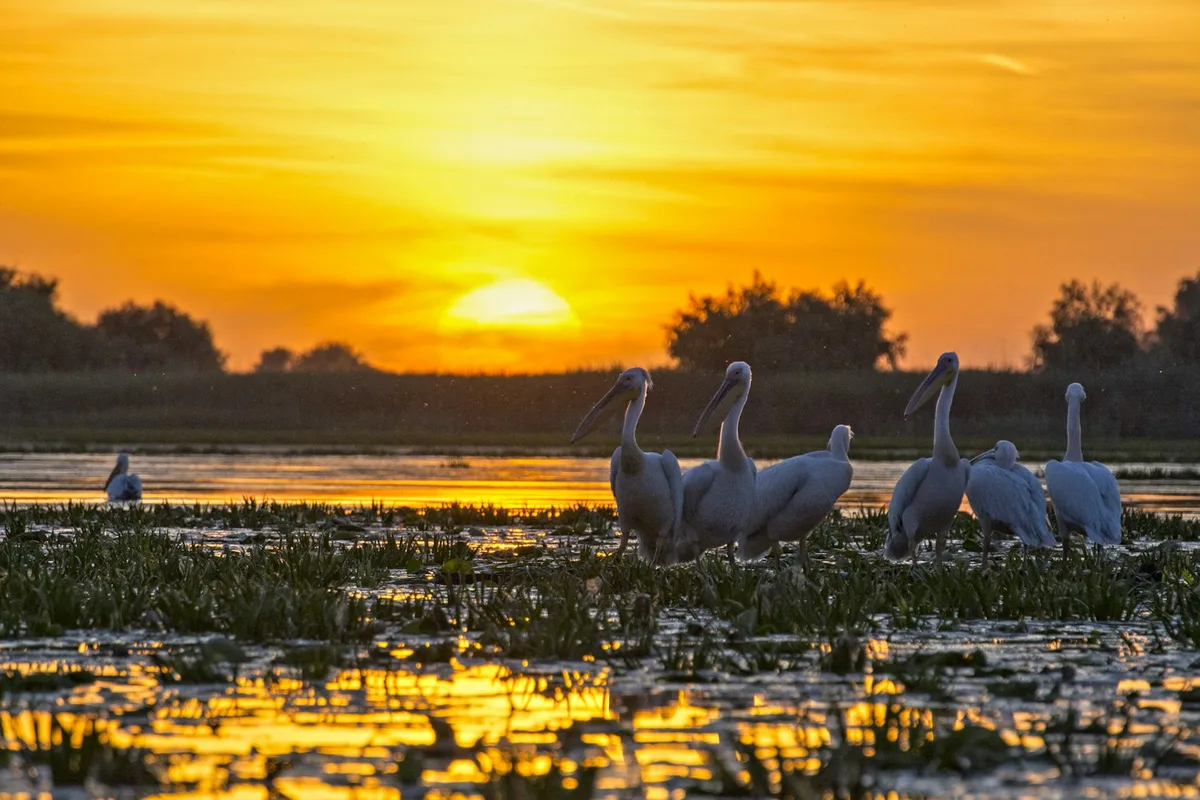
Europe's best-preserved river delta (second in size only to the Volga delta), where the Danube splits into channels and reed marshes before reaching the Black Sea — a UNESCO Biosphere Reserve home to pelicans and over 300 bird species.
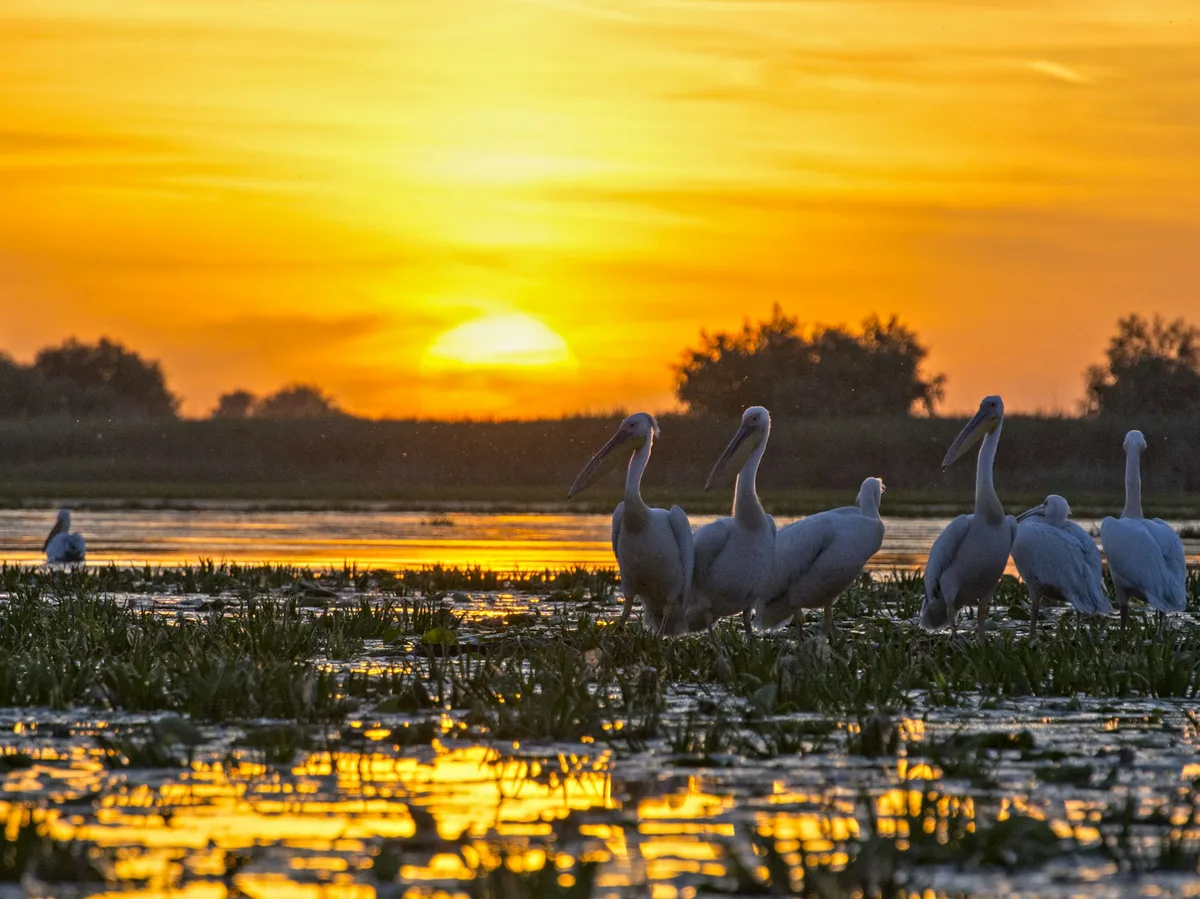 Multi-Day Tours
A 5-day trip to Europe's second-largest and best-preserved river delta, with a private boat exploration of the Danube Delta's waterways and wildlife, the fishing villages and gorge of Dobrogea, and a stop on the Black Sea coast at Constanța and Mamaia.
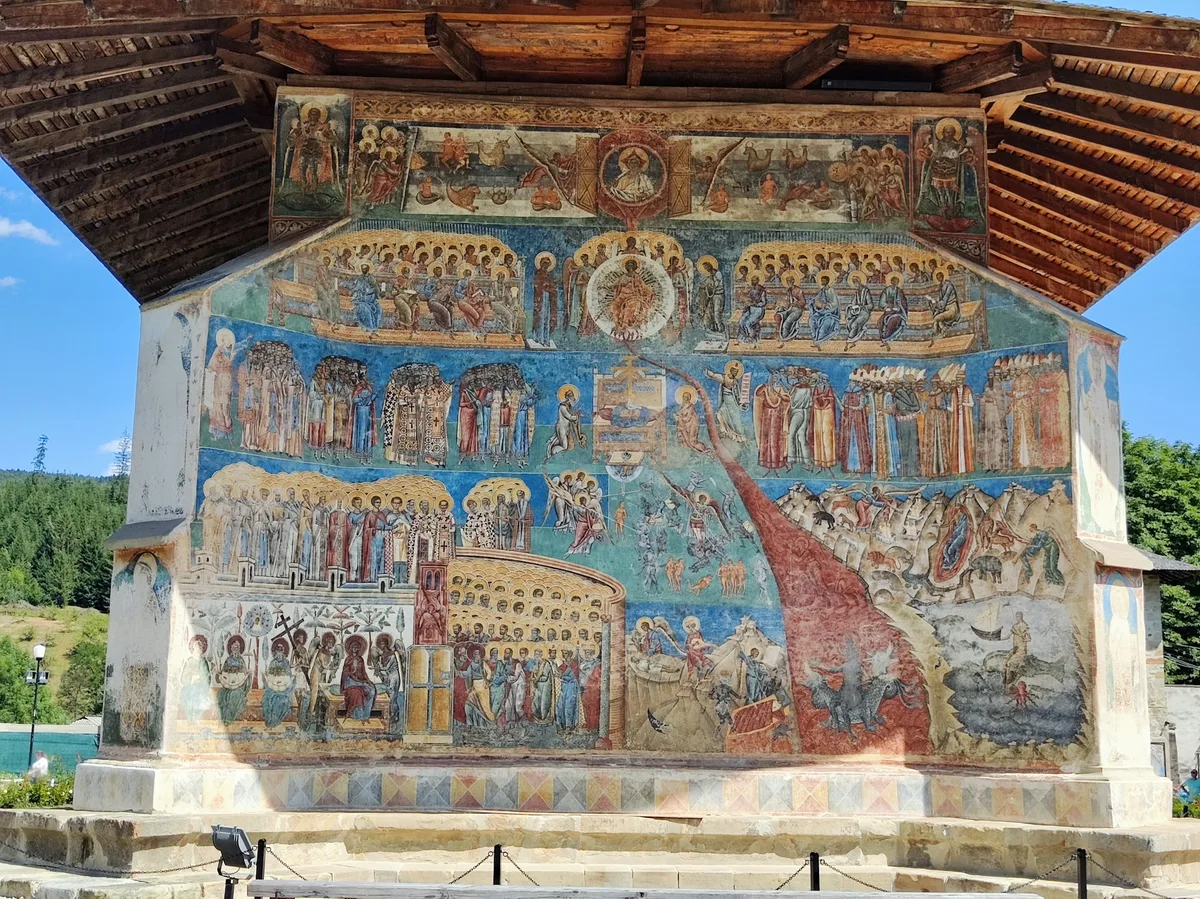 Multi-Day Tours
An 11-day luxury route combining a private Danube Delta boat excursion, the UNESCO painted monasteries of Bucovina, Cluj-Napoca and Turda Salt Mine, medieval Sibiu, and Bran, Brașov, and Peleș Castle, staying in 4- and 5-star hotels throughout.
Visitor guide
The Danube Delta is a vast wetland where the Danube River empties into the Black Sea, mostly in Tulcea County in eastern Romania, with a small part in Ukraine. Wikipedia describes it as the second largest river delta in Europe after the Volga Delta, and the best preserved on the continent. It is a UNESCO World Heritage Site and a haven for birds.
The modern delta began to form after 4000 BC when the Black Sea rose to its present level. Over thousands of years the river built successive lobes of land, named St. George I, Sulina, St. George II and Chilia. Wikipedia quotes the geologist Liviu Giosan as saying that probably 40 percent of the delta was built in the last 1,000 years, partly because of soil erosion linked to forest clearing in the Danube basin. The delta covers roughly 4,152 square kilometres, of which about 3,446 are in Romania. With the Razim-Sinoe lagoons to the south, the total area is given as 5,165 square kilometres, and the combined territory is listed as a World Heritage Site.
The delta is a low alluvial plain of marshes, channels, streamlets and lakes, with an average altitude of about half a metre and a fifth of the territory below sea level. The Danube splits into three main branches: the Chilia in the north, the Sulina in the center, which is the shortest and has long been used for shipping, and the Sfantu Gheorghe in the south, the oldest and most sparsely populated.
Wikipedia says the delta holds 23 natural ecosystems, though aquatic environments predominate. Reed beds and floating reed islands called plaur are its best-known features and provide spawning and nesting grounds. Fish include carp, pike, pike perch and sturgeons such as sterlet and beluga. Sitting on major migratory routes, the delta attracts birds from six major ecoregions: over 320 species have been recorded in summer, and more than one million birds winter there. Notable breeders include the great white pelican, Dalmatian pelican, pygmy cormorant, Eurasian spoonbill and glossy ibis. Mammals include the Eurasian otter, European mink and wild boar.
On the Letea and Caraorman levees, forests of oak, ash and vines such as wild grape and Periploca greek grow on sand dunes in small groves known as hasmace, giving the region a notably exotic look.
With an average density of two people per square kilometre, the delta is one of the least inhabited regions of temperate Europe. About 20,000 people live on the Romanian side, around 4,600 of them in the port of Sulina, and the rest are scattered among 27 villages, many reachable mainly by water. Tulcea is the city commonly used as the base for boat trips.
The delta is among Romania's sunniest and driest regions, with a mean annual temperature of 11 degrees Celsius. Because most exploring is by boat along channels, the Danube Delta suits an unhurried visit organized with local boatmen. A private tour with a driver can cover the road leg from Bucharest or Constanta to Tulcea and coordinate the boat portions; boat arrangements vary by operator and season.
See every tour and attraction we cover in Romania.